Druk Path Trek (9 Days) — Paro to Thimphu, Bhutan

Druk Path Trek — Overview
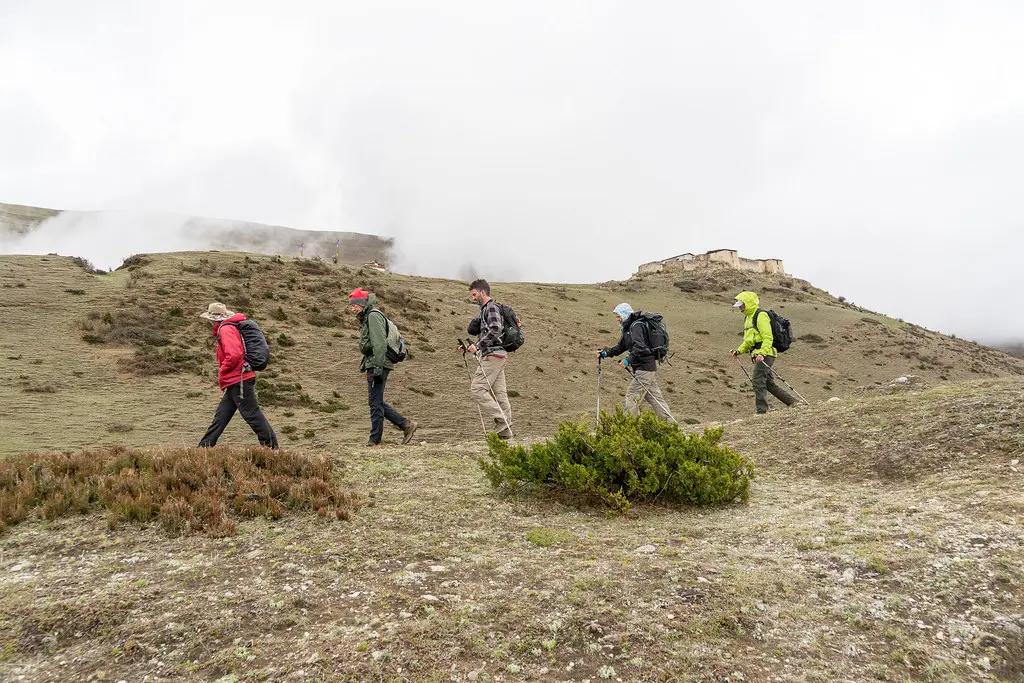
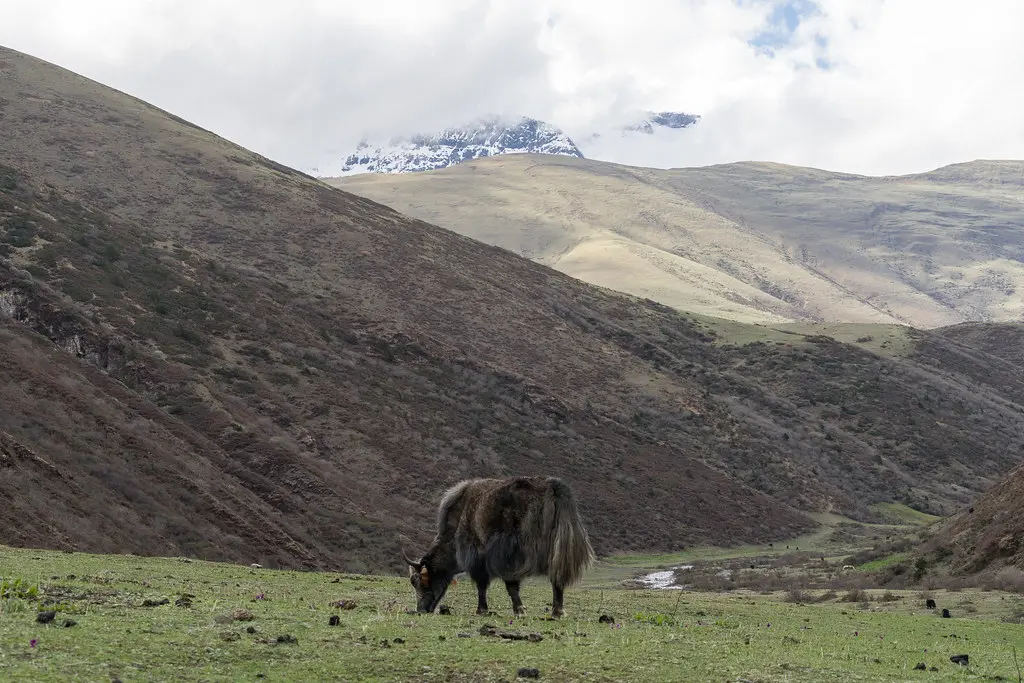
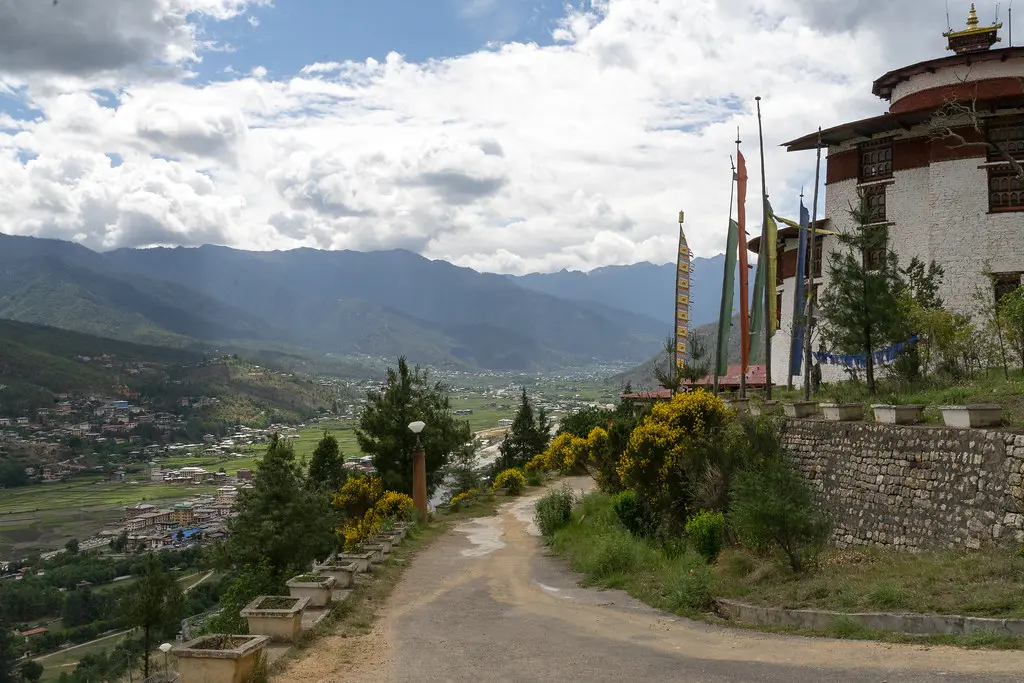
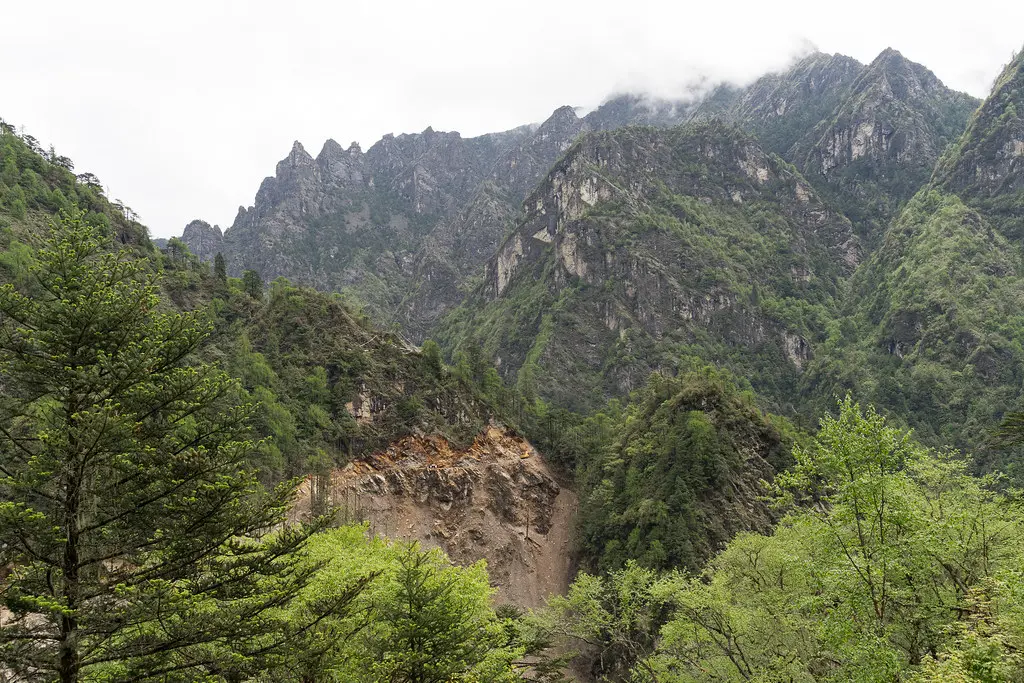
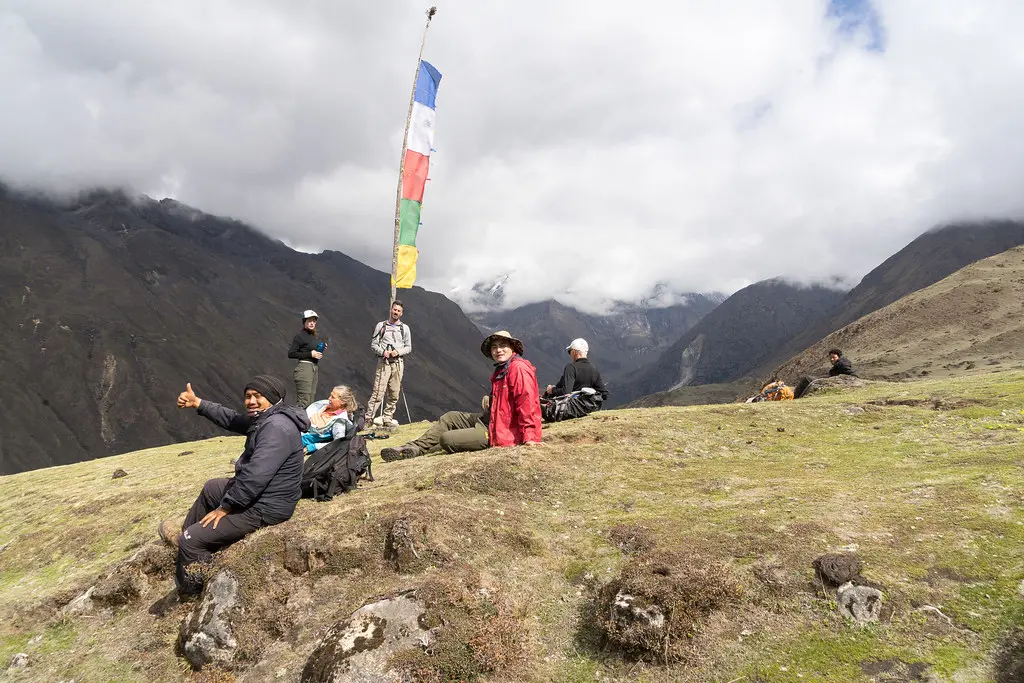
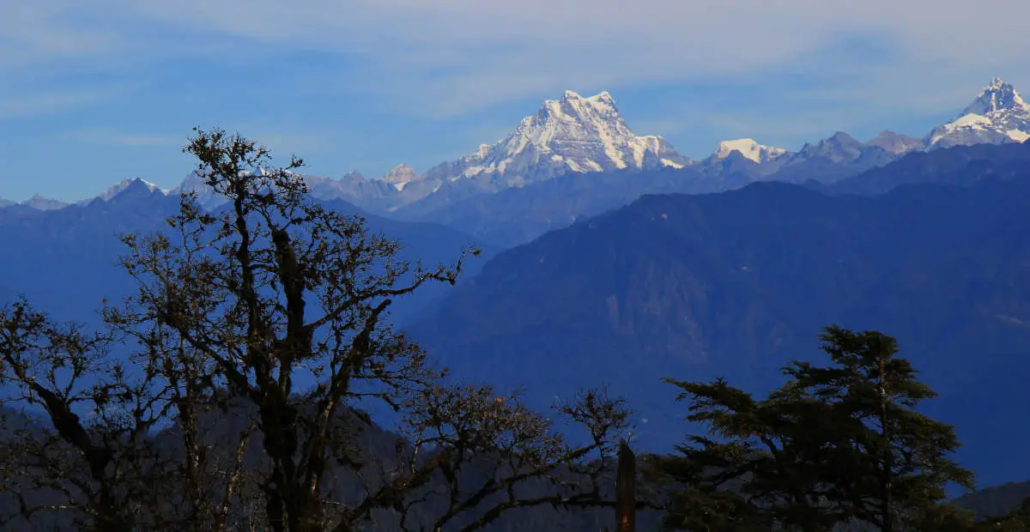
The Druk Path Trek is Bhutan’s most accessible multi-day high-altitude route — a classic 9-day traverse linking Paro (2,200m) and Thimphu (2,300m) through a ridge and lake corridor that sees a fraction of the foot traffic of longer Bhutan circuits. The name translates as the Path of the Dragon, and it earns the title: from the third day onward the route climbs steadily into a world of rhododendron forests, glacial lakes, yak pastures, and high ridgelines with views of the Bhutanese Himalaya that are among the finest available from any non-specialist trekking route in the kingdom.
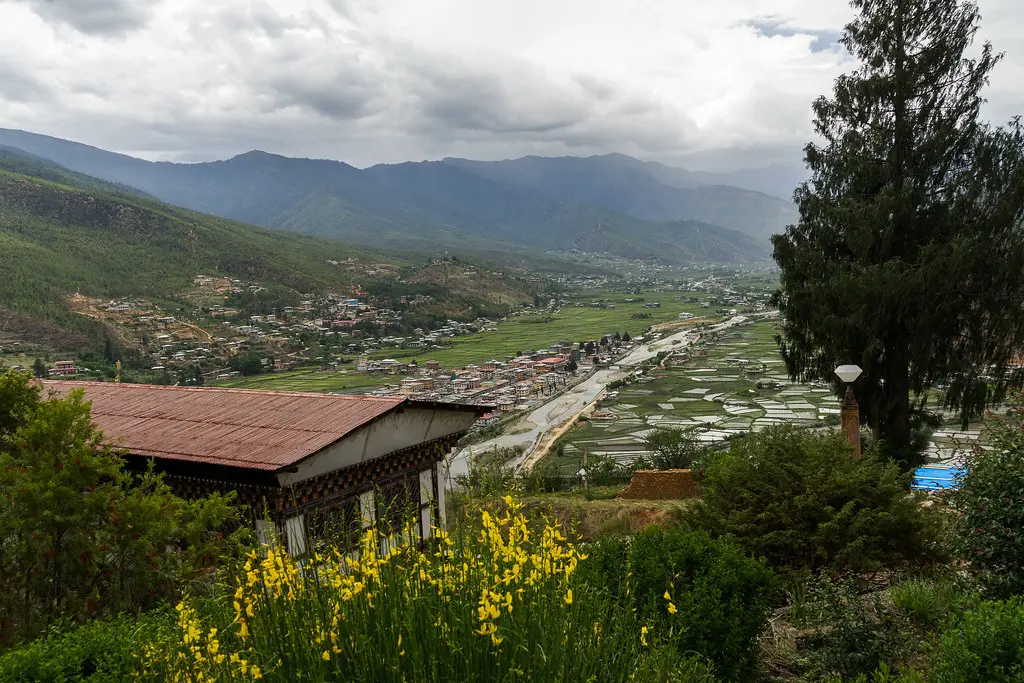
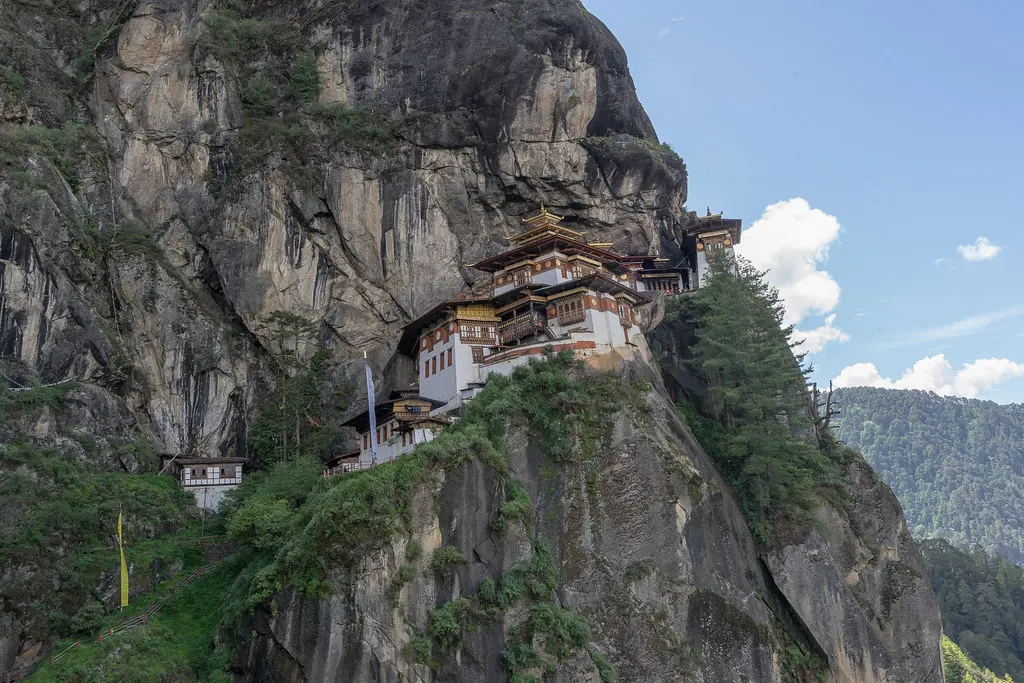
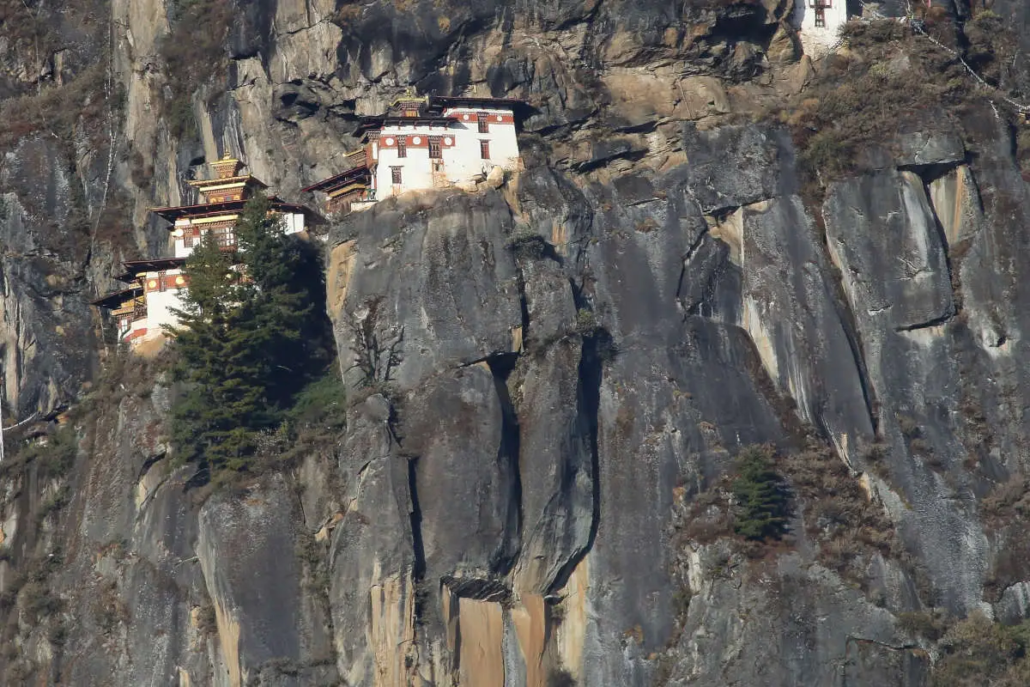
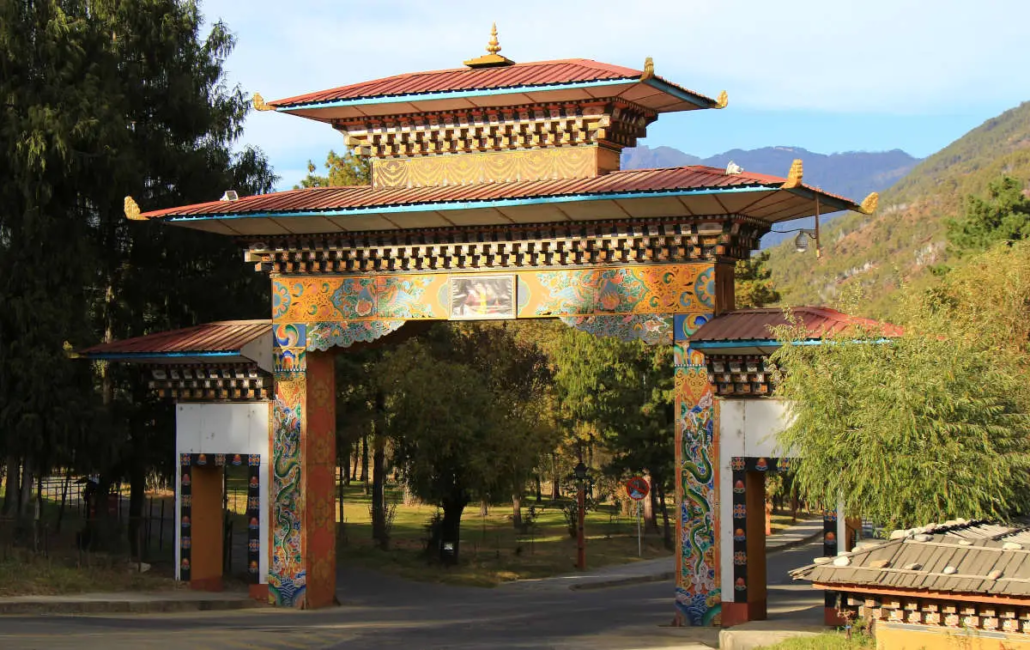
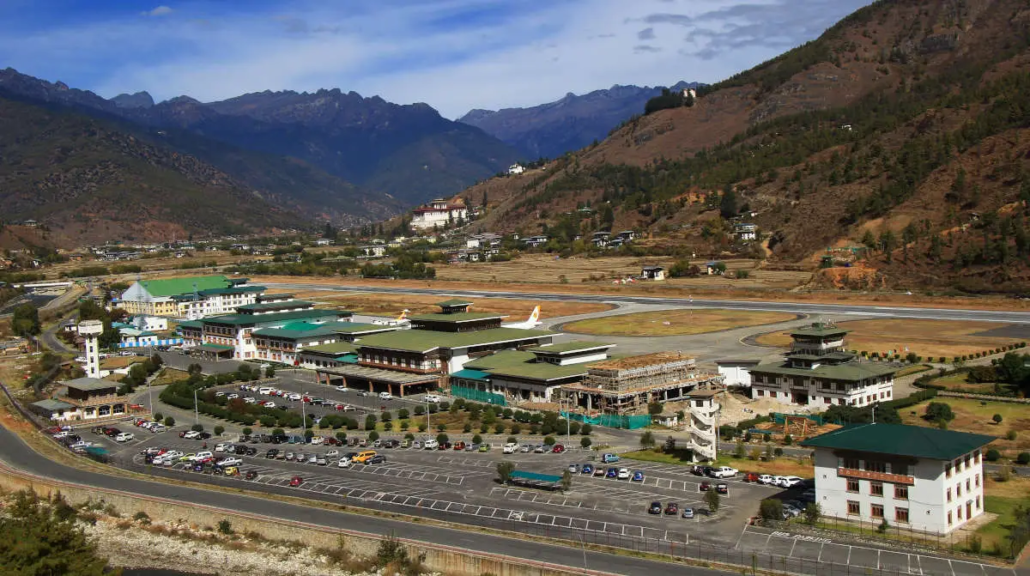
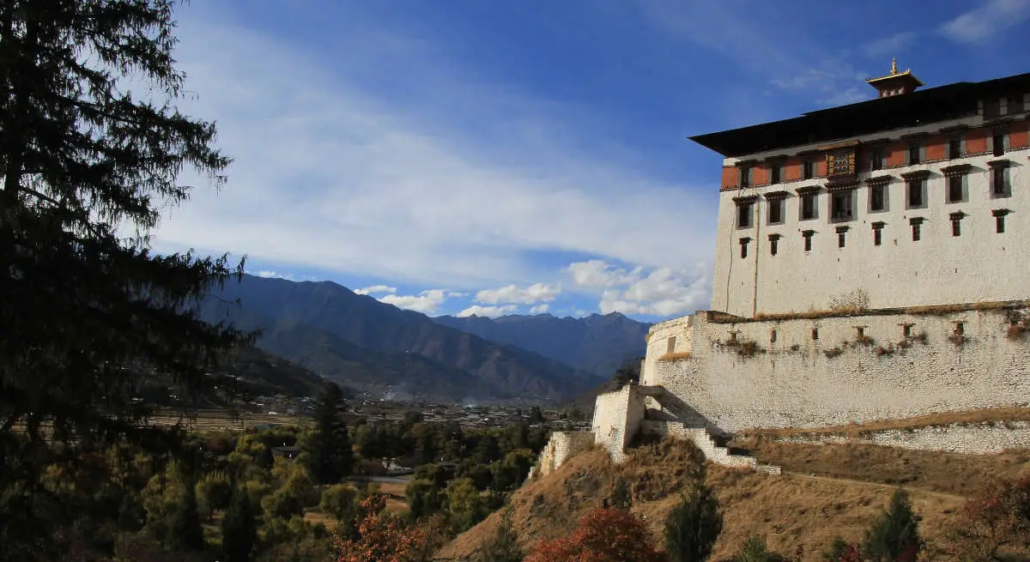
The itinerary opens with two nights in Paro — the first for arrival and orientation, the second for the legendary hike to Tiger’s Nest Monastery (Taktsang, ~3,000m), perched on a sheer cliff face above the Paro Valley. This acclimatisation day doubles as one of the most iconic single experiences in Bhutan travel. From Day 3, the route heads into the high country above Paro through increasingly remote terrain: the campsite at Jele Dzong, the ridge walk through rhododendron above Jangchulakha, the first of several glacial lakes at Jimilang Tsho, the high camp at Simkota Tsho (4,100m), and the final approach over Phume La Pass (~4,210m) before descending through Phajoding to the road and a drive into Thimphu. A full day of city sightseeing in the capital follows before the return to Paro for departure.
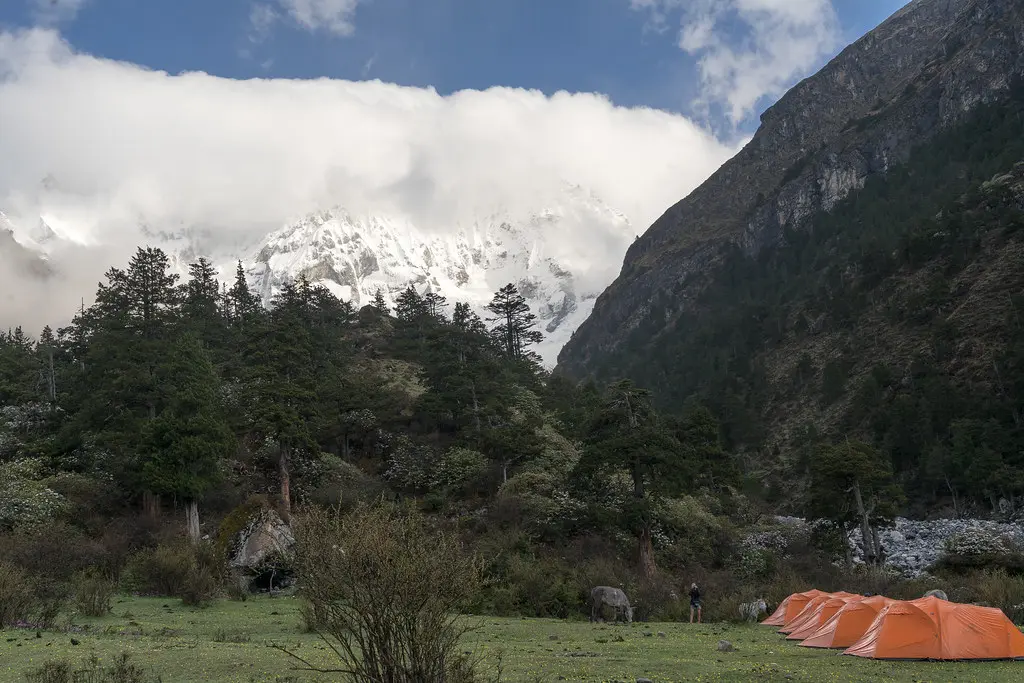
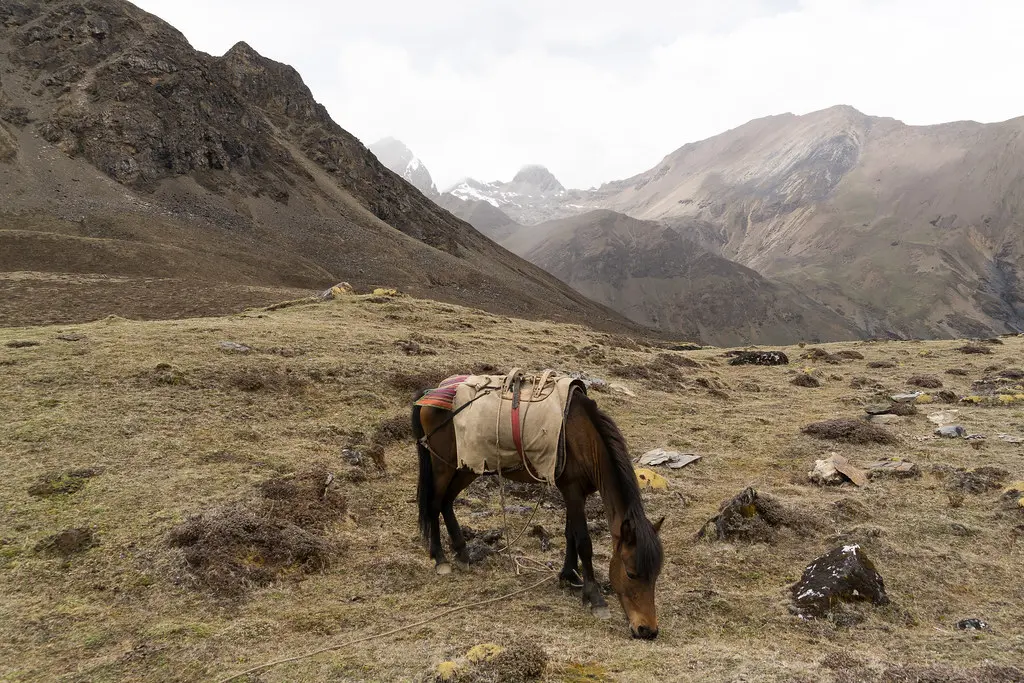
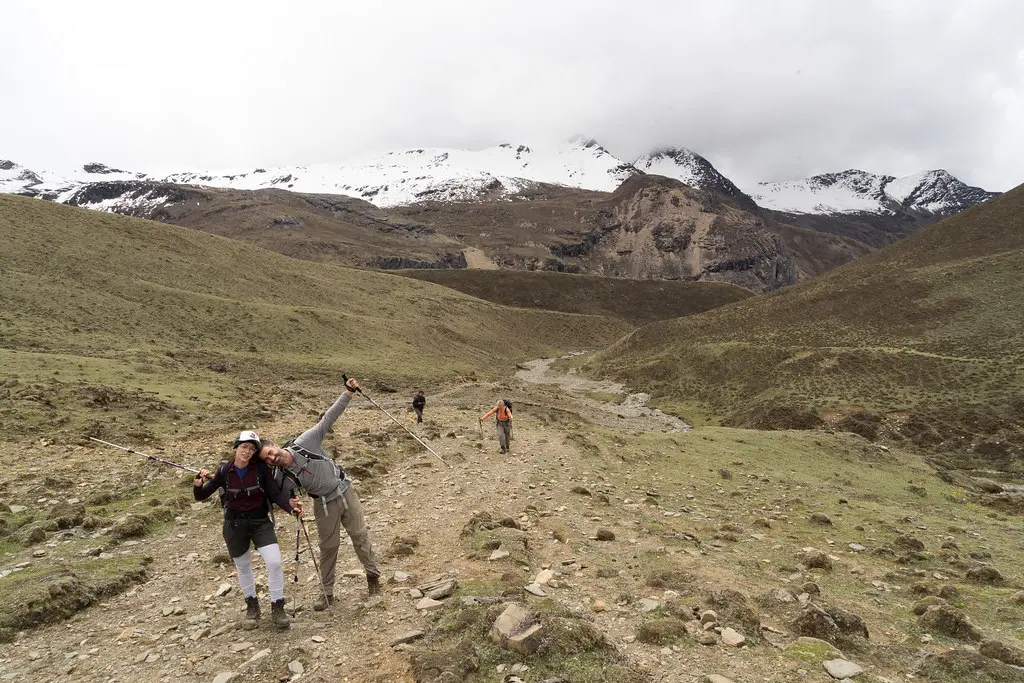
This is a camping trek throughout the mountain section — five nights in expedition tents erected and managed by the support team, with pack horses carrying all camp infrastructure between sites. No prior trekking experience in Bhutan is required, but some multi-day trekking experience above 3,000m is genuinely helpful given the sustained altitude, the cold nights at high camp, and the physical demands of consecutive 10–14 km days on uneven mountain terrain.
The Druk Path is the ideal first Bhutan trek for trekkers who want a meaningful high-altitude wilderness experience without the duration or logistical complexity of the Jomolhari Circuit — and for many who complete it, it serves as the appetiser that leads them back for more.
Important Notes
- Best Seasons: March–May (spring) and September–November (autumn). Spring brings rhododendron in full bloom along the ridge between Jele Dzong and Jangchulakha — the trail becomes a corridor of red and pink flowers, particularly striking in April. Autumn offers the sharpest Himalayan visibility and the most settled weather for the high camps above 4,000m.
- Trek Grade: Moderate — the daily distances (10–15 km) and altitudes (up to 4,210m at Phume La) are manageable for motivated trekkers without specialist mountaineering background. No technical terrain is involved. The combination of altitude and cold nights at Simkota Tsho means reasonable physical preparation and proper gear are important.
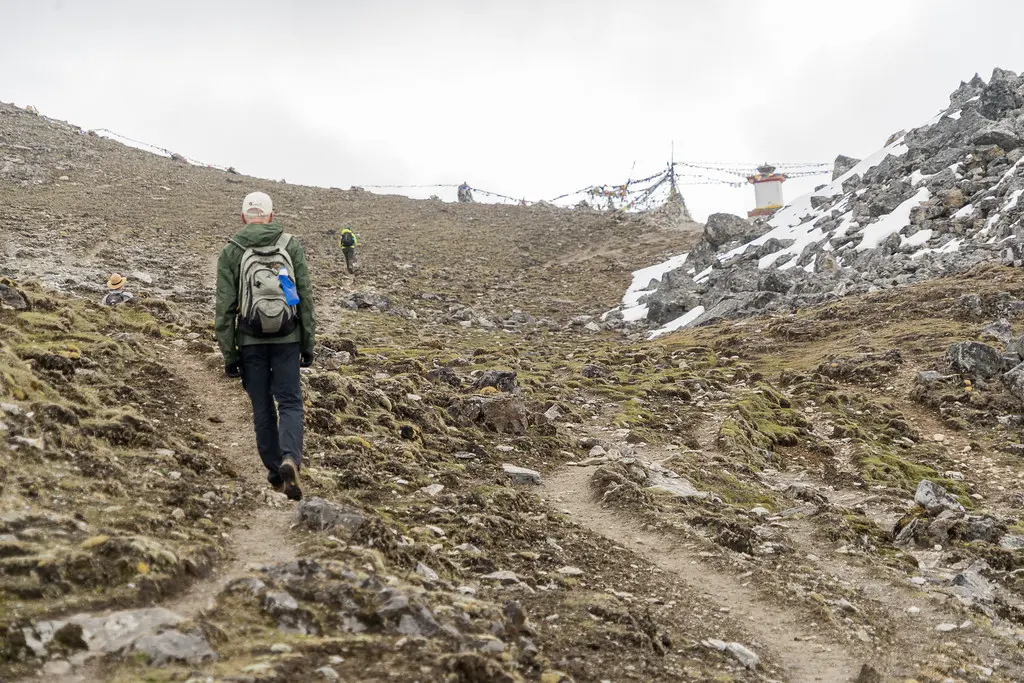
- Highest Point: Phume La Pass (~4,210m) on Day 7 — also the highest camp on the route is Simkota Tsho at 4,100m on Day 6.
- Bhutan Entry Requirements: All visitors to Bhutan require a visa and must pay the Sustainable Development Fee (SDF). Summit Routes handles the full visa application, SDF payment, and all trekking permits on your behalf. See our permits and visa guide for full details.
- Camping: Five nights (Days 3–7) are spent in expedition tented camps. Summit Routes provides all camping infrastructure — sleeping tents, dining tent, kitchen tent, toilet tent — along with a cook and pack horses. You need only bring a sleeping bag and personal kit.
- Fitness Standard: Must be comfortable trekking 10–15 km daily for multiple consecutive days with a daypack and moderate elevation gain. No mountaineering skills or technical experience required. Prior multi-day trekking experience is helpful but not mandatory — this is the most accessible camping trek in Bhutan’s catalogue.
- Altitude: The route spends four nights above 3,700m and two nights above 4,000m. Trekkers coming from sea level should be aware that even moderate altitude above 3,500m can affect sleep, appetite, and energy levels. If you have concerns about altitude, read our guide to altitude sickness in the Himalaya before departure.
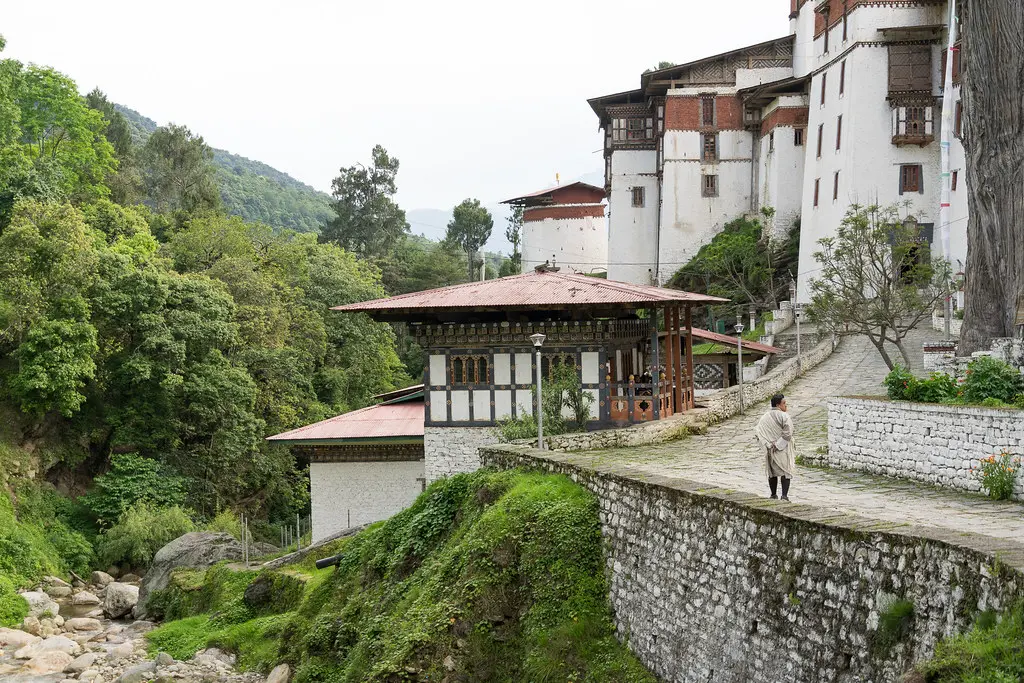
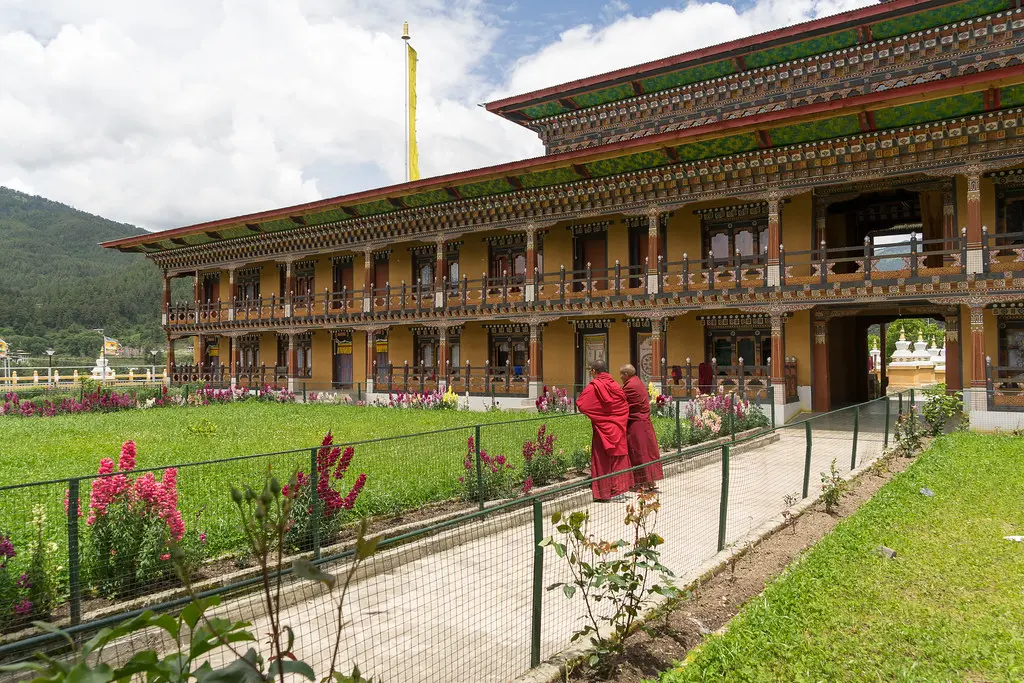
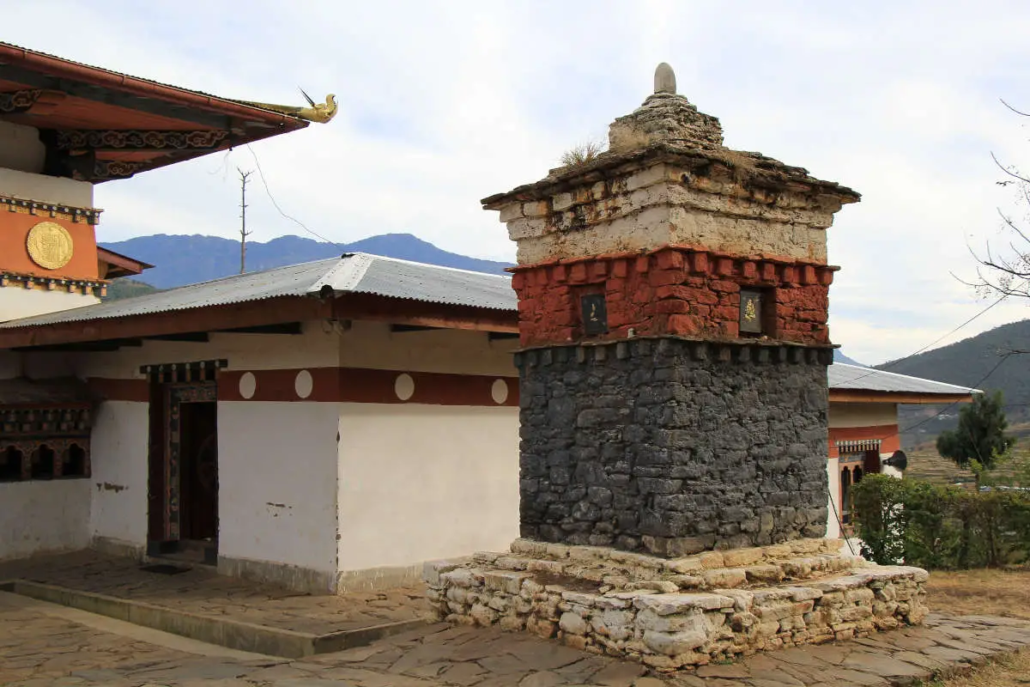
- Cultural Note: The Druk Path passes through some of Bhutan’s most sacred landscapes — Taktsang Monastery, the Jele Dzong ruins, and the Phajoding Monastery complex. Trekkers are welcome at these sites but expected to dress respectfully, behave quietly in religious spaces, and follow guide instructions. The trail is itself a pilgrimage route for Bhutanese Buddhists.
Brief Itinerary
| Day 1 | Arrive Paro (2,200m) — Orientation & Permit Preparation |
| Day 2 | Hike to Tiger’s Nest Monastery (Taktsang, ~3,000m) — Acclimatisation |
| Day 3 | Trek Paro to Jele Dzong Camp (3,400m) |
| Day 4 | Trek Jele Dzong to Jangchulakha (3,770m) |
| Day 5 | Trek Jangchulakha to Jimilang Tsho Lake (3,880m) |
| Day 6 | Trek Jimilang Tsho to Simkota Tsho (4,100m) |
| Day 7 | Cross Phume La (~4,210m) — Descend via Phajoding to Thimphu (2,300m) |
| Day 8 | Thimphu Sightseeing |
| Day 9 | Drive Thimphu to Paro — Departure |
Altitude Profile


📅 2026 Departures — Druk Path Trek (9 Days)
Click a season to enquire instantly on WhatsApp

