
Poon Hill Trek Nepal | 8 Days | Beginner-Friendly
Poon Hill Trek — Overview
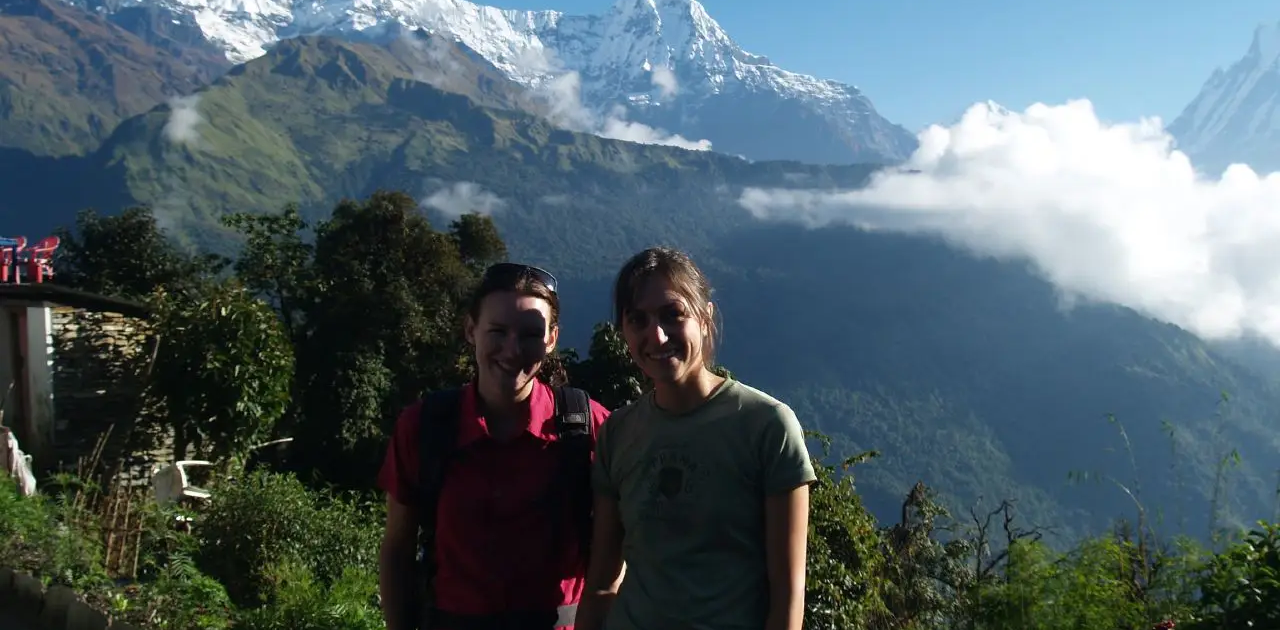
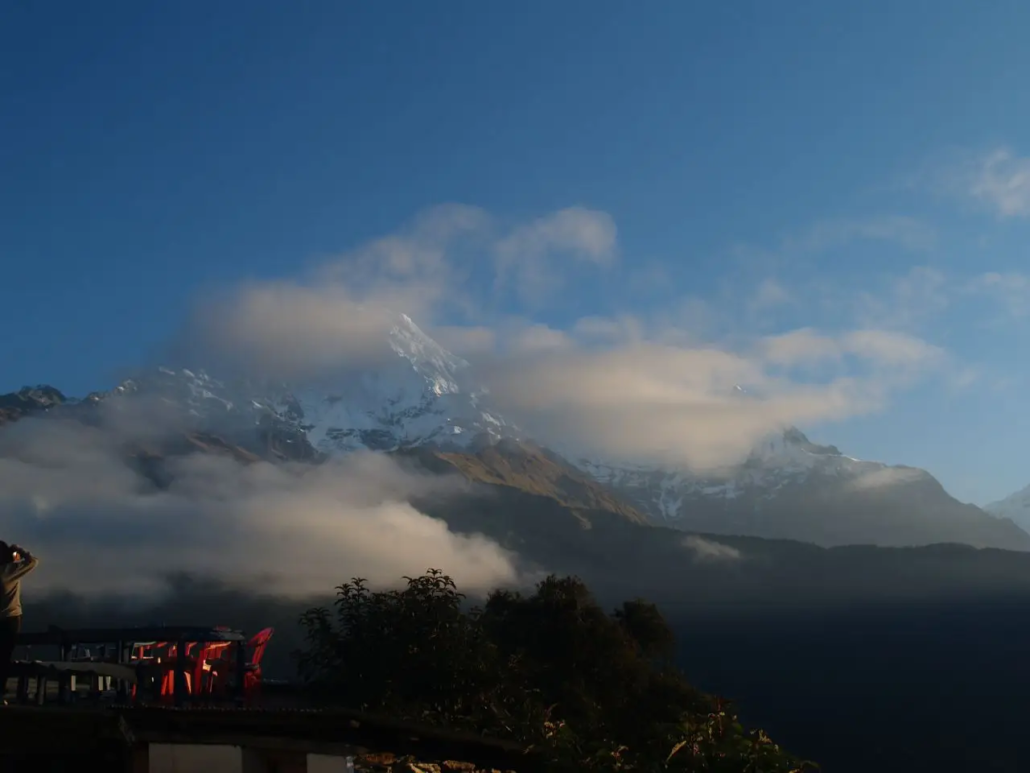
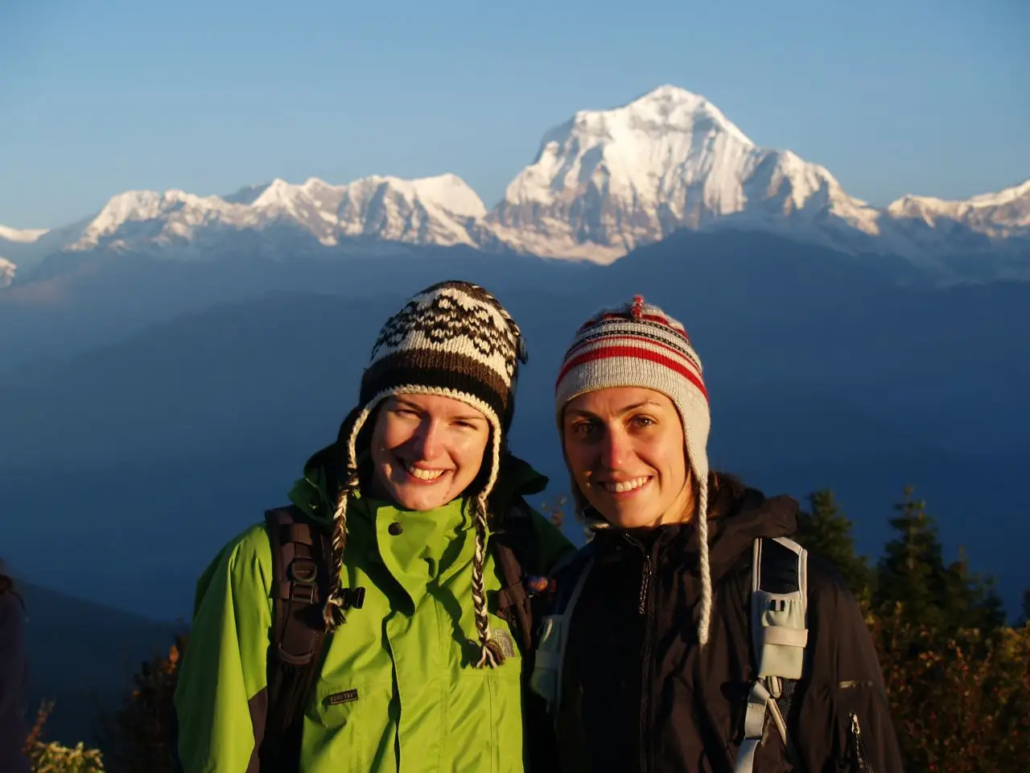
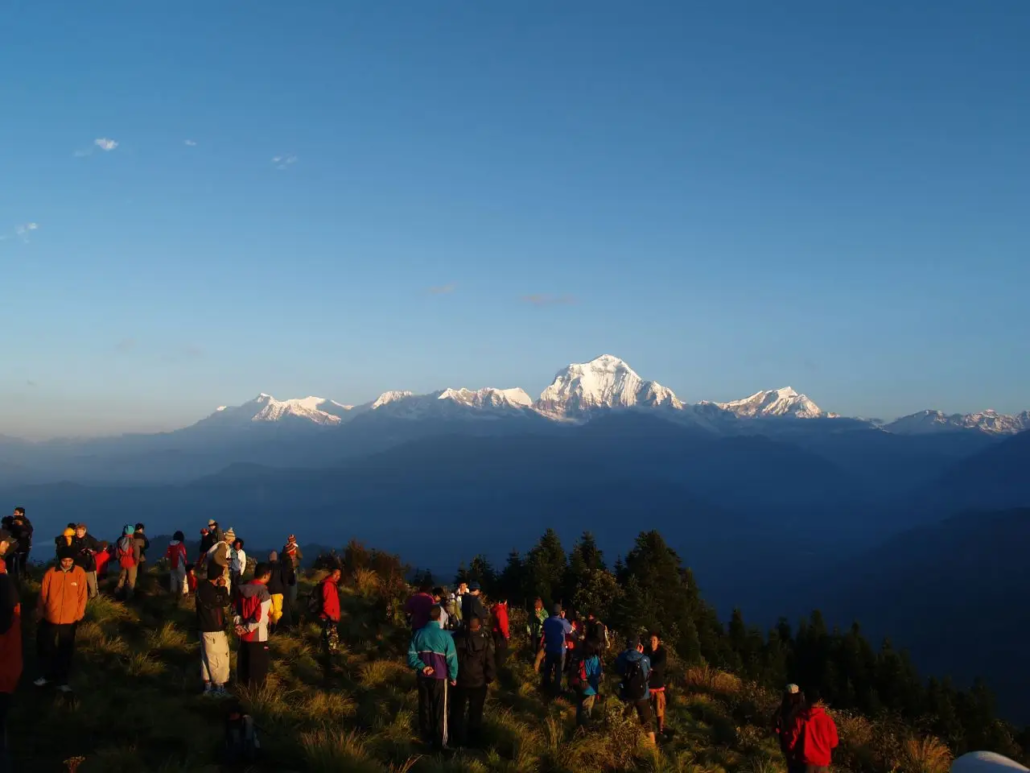
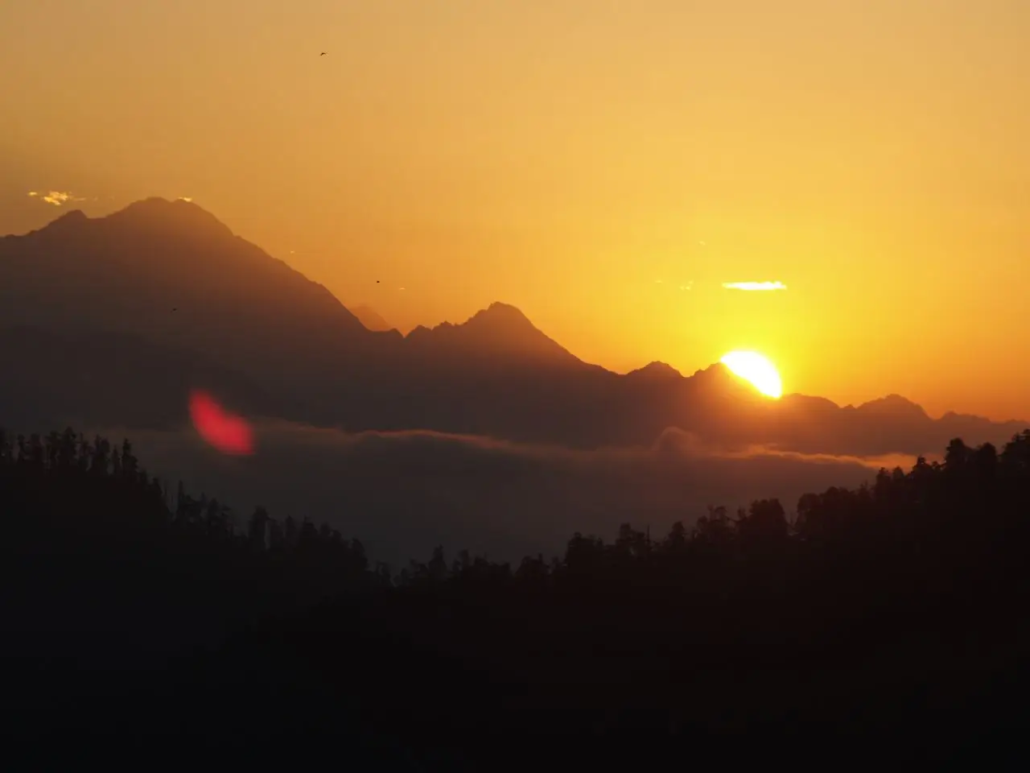
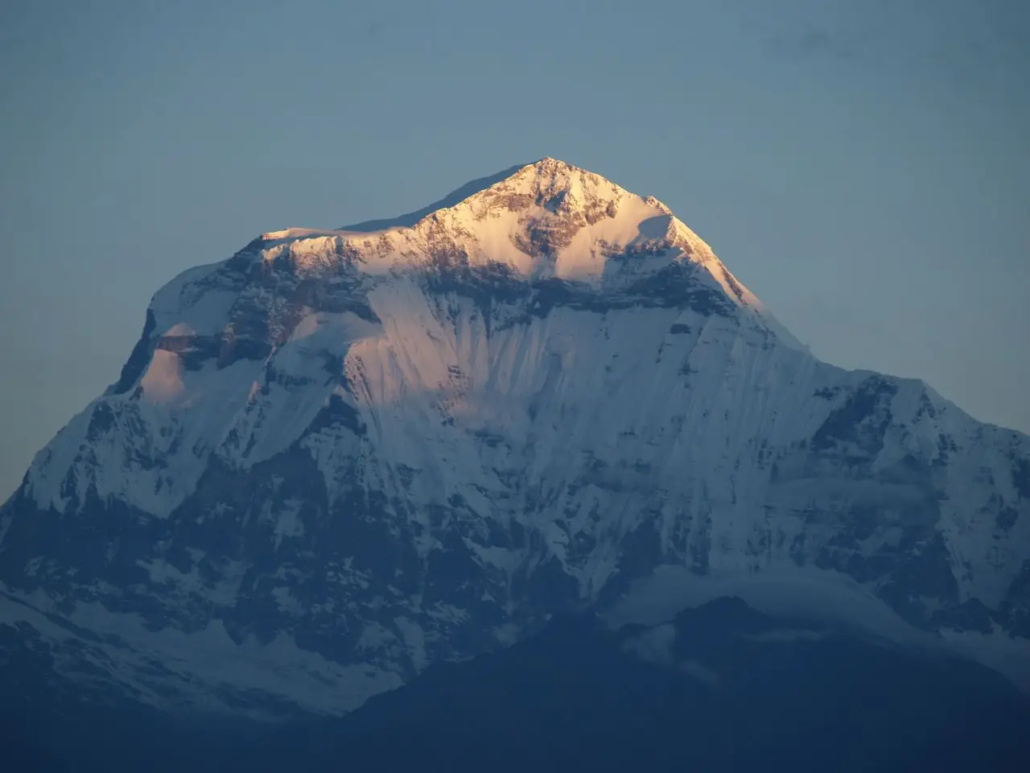
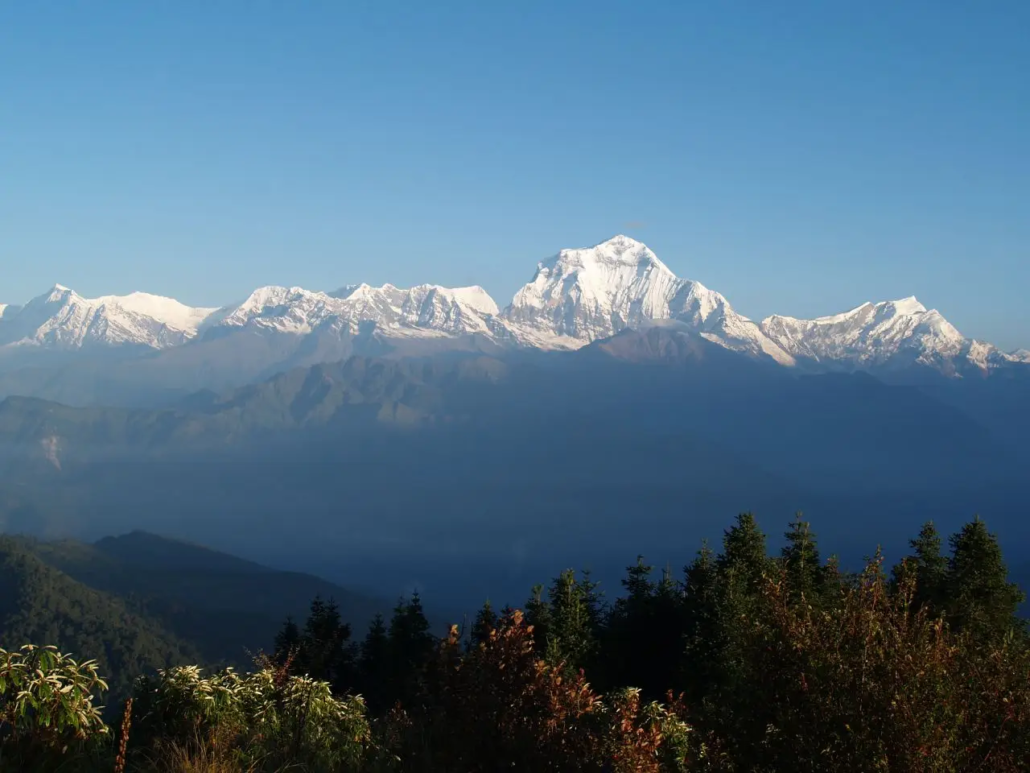
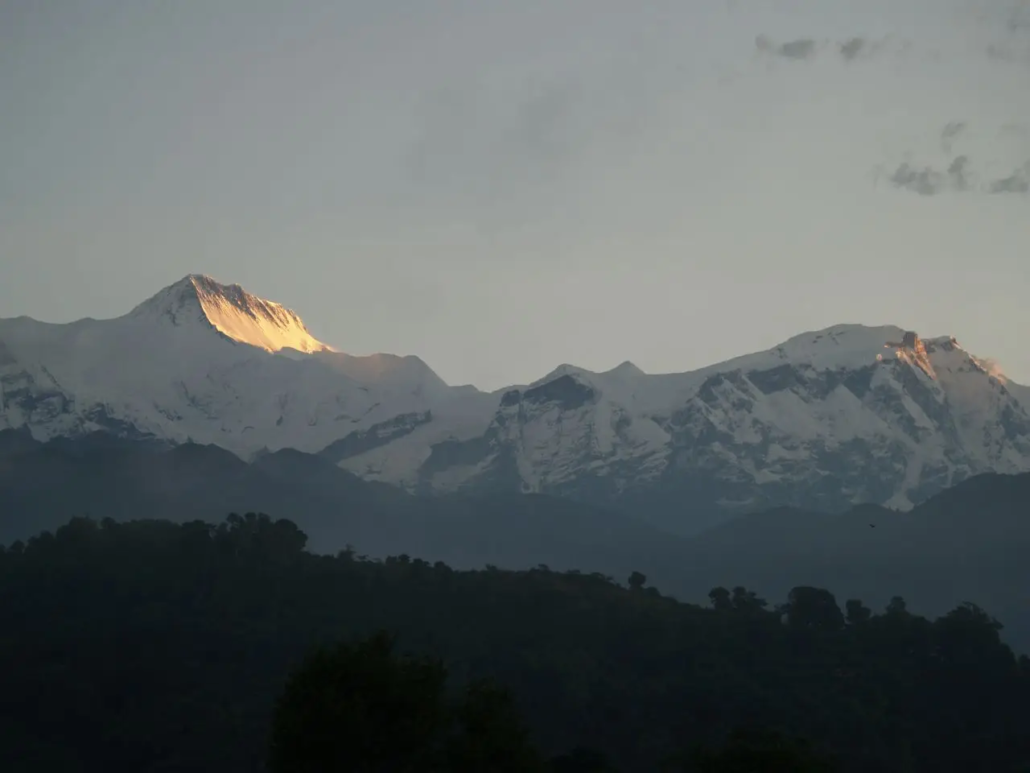
One sunrise. An unbroken arc of Himalayan giants from Dhaulagiri to Annapurna South to the perfect pyramid of Machhapuchhre, spread across the horizon 180 degrees wide from a small hilltop at 3,210 metres. The Poon Hill Trek is the trek that converts people — the one that brings first-timers to Nepal and sends them home planning a return for something harder. It is not the most demanding route in the Annapurna region, nor the highest. What it is, without qualification, is one of the finest mountain panoramas accessible to a beginner trekker anywhere on earth, delivered in eight days through some of the most culturally alive villages in Nepal.
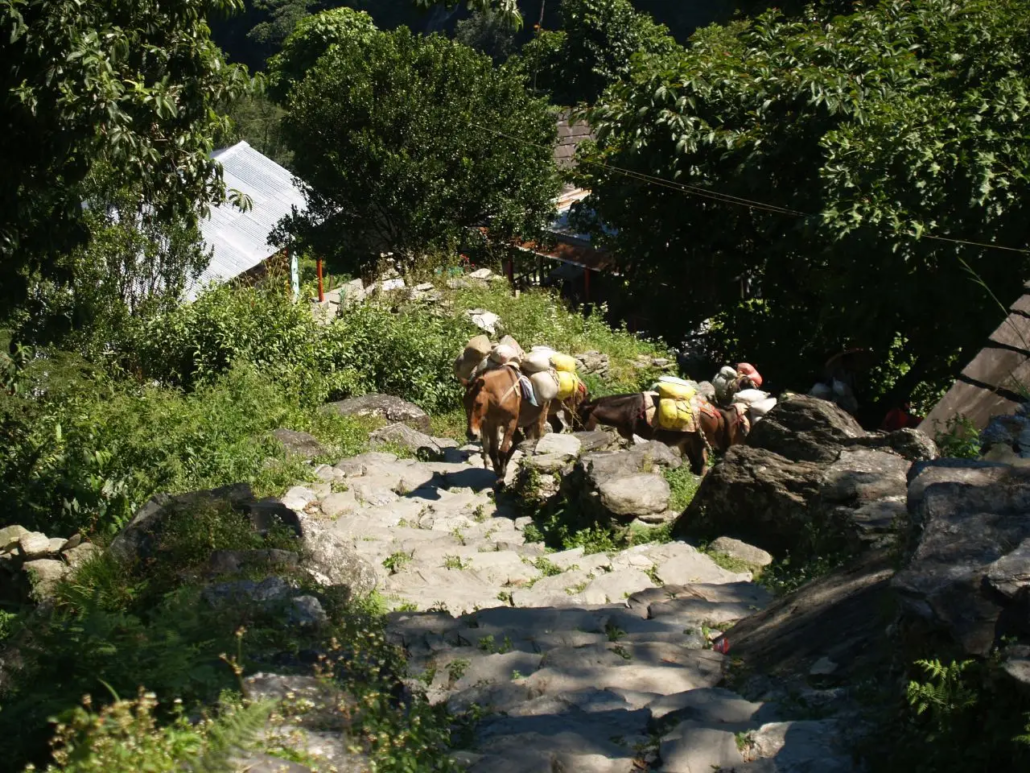
The route runs from Nayapul (1,070m) through the ancient stone staircases of Ulleri, ascending through rhododendron forest to Ghorepani (2,870m) — a ridge-top village perched directly above the Himalayan skyline — with an early-morning pre-dawn push to the Poon Hill viewpoint (3,210m) for sunrise. The return leg traverses via Tadapani into the famous Gurung village of Ghandruk (1,940m), one of the largest and best-preserved traditional villages in the Annapurna foothills, before descending back to Nayapul. The trek begins and ends with a short domestic flight between Kathmandu and Pokhara, which is itself worth the trip.
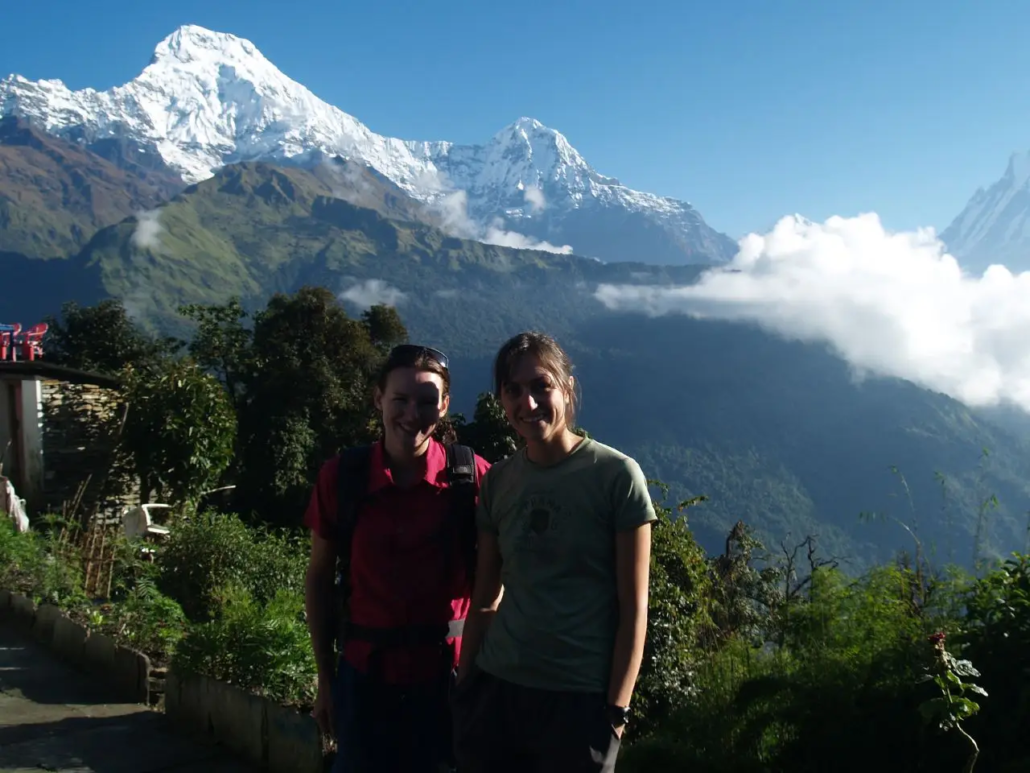
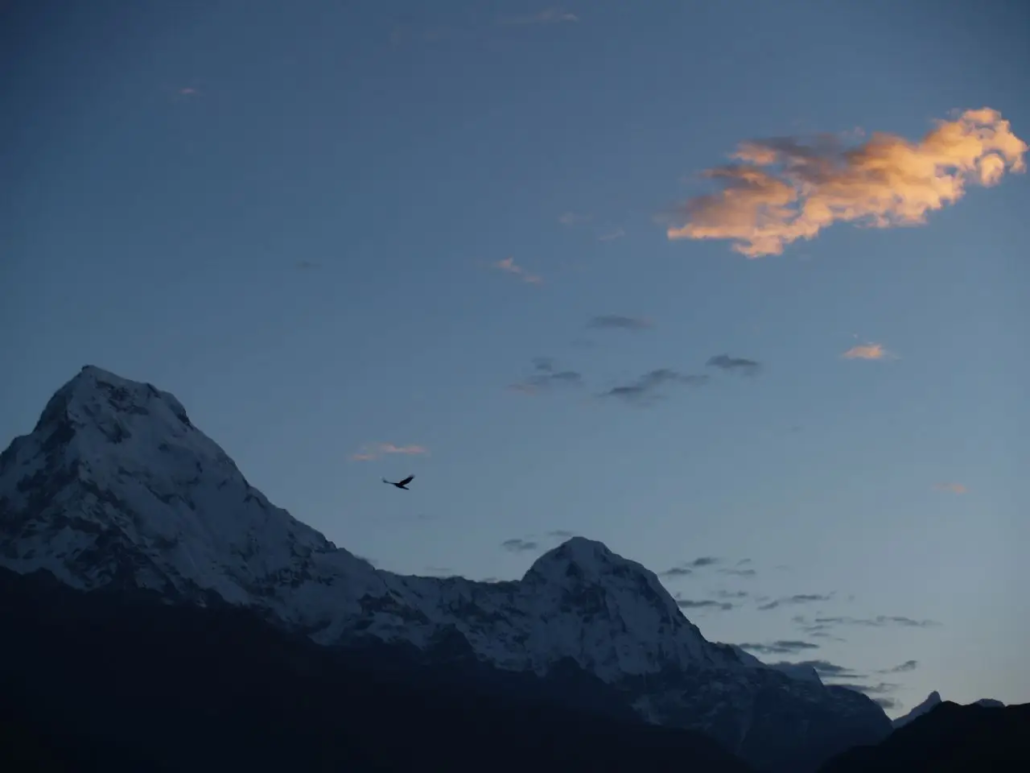
What makes the Poon Hill Trek the right starting point for many people is its structure: the daily distances are short to moderate, the tea house network is Nepal’s most established outside the Khumbu, the highest point does not require acclimatisation, and the Gurung and Magar villages along the route are genuinely thriving communities — not tourist facades. The trail through Ghandruk in particular, with its slate-roofed houses, carved wooden architecture, and clear views of Annapurna South rising directly above the village, is the kind of place that earns its own return visit. Summit Routes runs this trek fully supported with licensed Gurung-region guides, private transport, domestic flights, and quality tea house accommodation throughout.
Important Notes
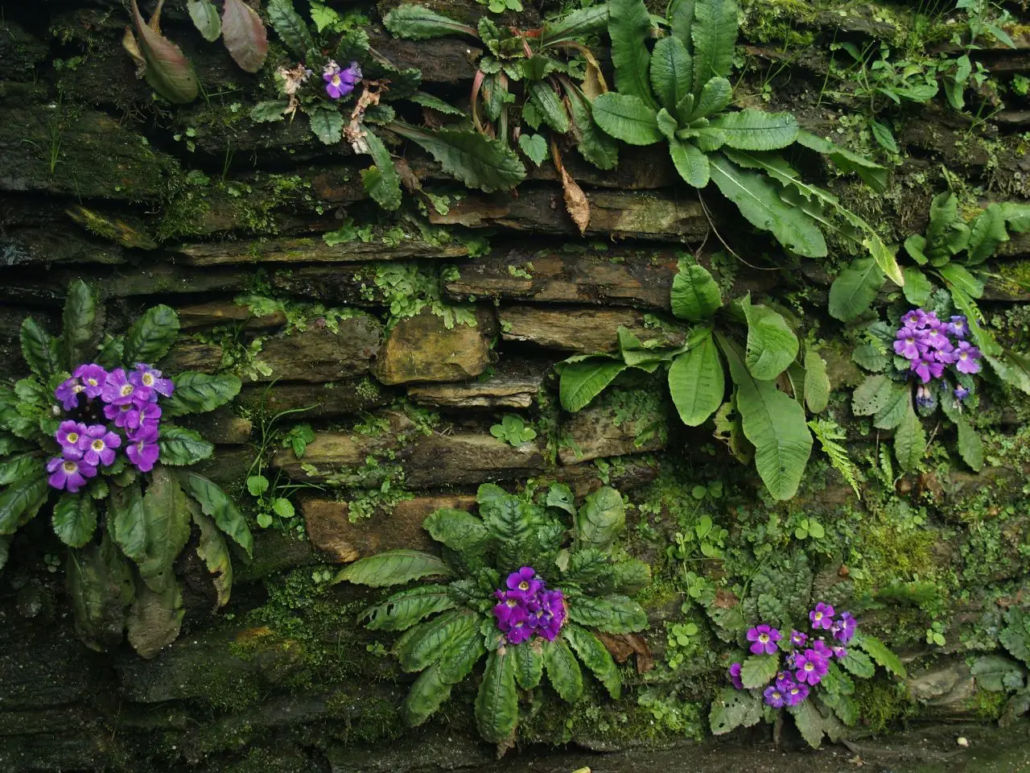
- Best Season: March to May and September to November. Spring brings rhododendron forests in full bloom — the hillsides between Tikhedhunga and Ghorepani turn vivid red and pink along the trail, and views are excellent on most mornings. Autumn brings crisp, clear skies and the finest mountain visibility of the year. The Poon Hill Trek can be done in winter (December–February) with the right layering; Ghorepani and the Poon Hill summit can see snow. Avoid peak monsoon (July–August) for the lower trail — leeches are abundant and cloud cover renders Poon Hill largely pointless.
- Difficulty Level: Easy to Moderate — the Poon Hill Trek is Nepal’s most popular beginner route, and rightly so. Daily distances run from 5 to 16 km, with the longest sustained ascent being the 1,300m gain on Day 3 (Tikhedhunga to Ghorepani), which includes the famous Ulleri stone staircase — approximately 3,200 steps. This section tests cardiovascular fitness and knee strength but is achievable by any motivated first-time trekker moving at a reasonable pace. No technical terrain, glacier crossings, or high-altitude acclimatisation is required. Read our guide to altitude sickness in the Himalaya for general awareness before departure.
- Highest Point: Poon Hill viewpoint at 3,210m — a non-technical summit reached in approximately 45 minutes from Ghorepani. The altitude at the highest campsite (Ghorepani, 2,870m) is within the safe acclimatisation range for virtually all fit trekkers. Altitude sickness at this level is uncommon but possible in individuals with low acclimatisation tolerance.
- Permits: An Annapurna Conservation Area Permit (ACAP) and a TIMS card are required for this route and are arranged in full by Summit Routes before departure. Permit checks occur at the ACAP entry gate at Birethanti. See our permits guide for full details.
- Domestic Flight: The programme includes a 25-minute domestic flight between Kathmandu and Pokhara (both ways), operated by airlines including Yeti Air, Shree Airlines, or equivalent. Flights are included in the programme price. This replaces the 6–7 hour overland journey and is the standard approach for quality departures on this route. Flight schedules are subject to weather and operational conditions.
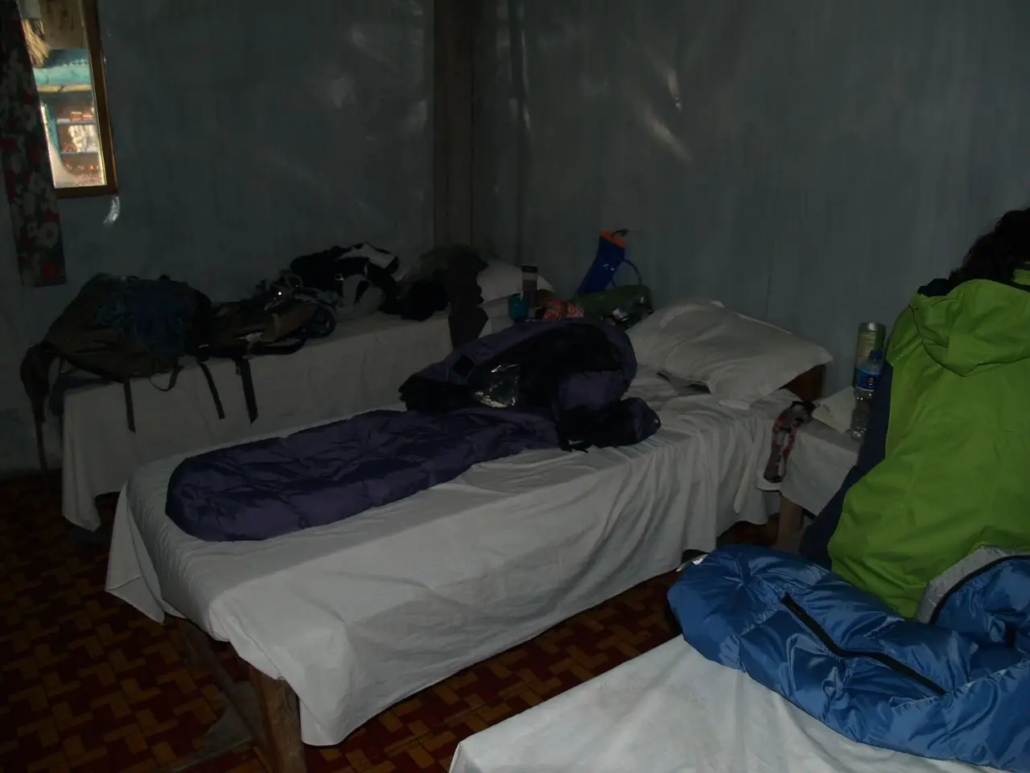
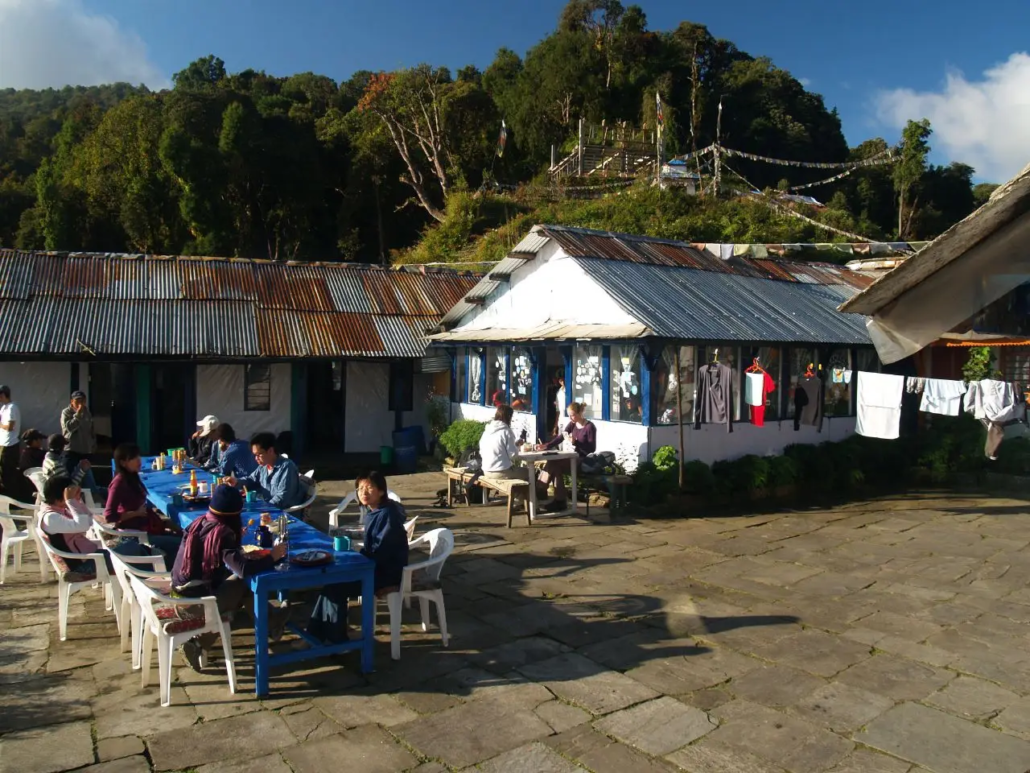
- Accommodation: Two nights hotel in Kathmandu, one night hotel in Pokhara (return), and five nights in local tea houses on the trail (Tikhedhunga, Ghorepani, Tadapani, Ghandruk, and one additional night as per itinerary). Tea house rooms are twin sharing with basic furnishings. Attached bathrooms and hot showers are available at most tea houses on the Annapurna circuit for a small additional fee. Blankets are provided throughout; a light sleeping bag liner is comfortable for October and later departures.
- Porter Support: Porter support (one porter per two trekkers, maximum 20 kg per porter) is included. You carry only a personal daypack on trail each day — the porter carries your main bag between tea houses.
- Fitness Standard: Must be comfortable walking 5–16 km daily on mountain terrain with significant elevation change. The Tikhedhunga to Ghorepani ascent on Day 3 is the hardest single day — approximately 1,300m of gain over 6–7 hours including the Ulleri staircase. Good general fitness before arrival is strongly recommended. No prior trekking experience is required, but regular walking and cardiovascular fitness will significantly improve the experience.
- Cultural Note: The Annapurna foothills are the ancestral homeland of the Gurung and Magar peoples — Tibeto-Burman communities whose warrior tradition, distinctive round-house architecture, and warm hospitality set this region apart from the Sherpa and Tamang areas further east. Ghandruk is the cultural heart of the trek — one of the finest Gurung villages in Nepal, with a community museum, active gompa, and direct views of Annapurna South above the village. Treat local shrines, animals, and sacred spaces with respect.
Brief Itinerary
| Day 1 | Arrive Kathmandu (1,400m) — Hotel |
| Day 2 | Fly Kathmandu–Pokhara (820m) | Drive to Nayapul | Trek to Tikhedhunga (1,570m) |
| Day 3 | Trek Tikhedhunga to Ghorepani (2,870m) | ~10 km | via Ulleri |
| Day 4 | Sunrise at Poon Hill (3,210m) | Trek to Tadapani (2,630m) |
| Day 5 | Trek Tadapani to Ghandruk (1,940m) | ~5 km |
| Day 6 | Trek Ghandruk to Nayapul (1,070m) | Drive to Pokhara (820m) |
| Day 7 | Fly Pokhara–Kathmandu | Hotel |
| Day 8 | Departure from Kathmandu |
Altitude Profile




Similar Treks

EVEREST BASE CAMP
Level: Challenging | Duration: 14 Days | Best Time: Mar–May & Sep–Nov | Price: From $1695
ANNAPURNA BASE CAMP
Level: Moderate | Duration: 12 Days | Best Time: Mar–May & Sep–Nov | Price: From $995
LANGTANG TREK
Level: Moderate | Duration: 10 Days | Best Time: Mar–May & Sep–Nov | Price: From $815
GOKYO LAKES & RI TREK
Level: Moderate | Duration: 14 Days | Best Time: Mar–May & Sep–Nov | Price: From $1495
KANCHENJUNGA BASE CAMP
Level: Moderate | Duration: 18 Days | Best Time: Mar–May & Sep–Nov | Price: From $2195