
Everest Base Camp Trek
Everest Base Camp Trek — Overview
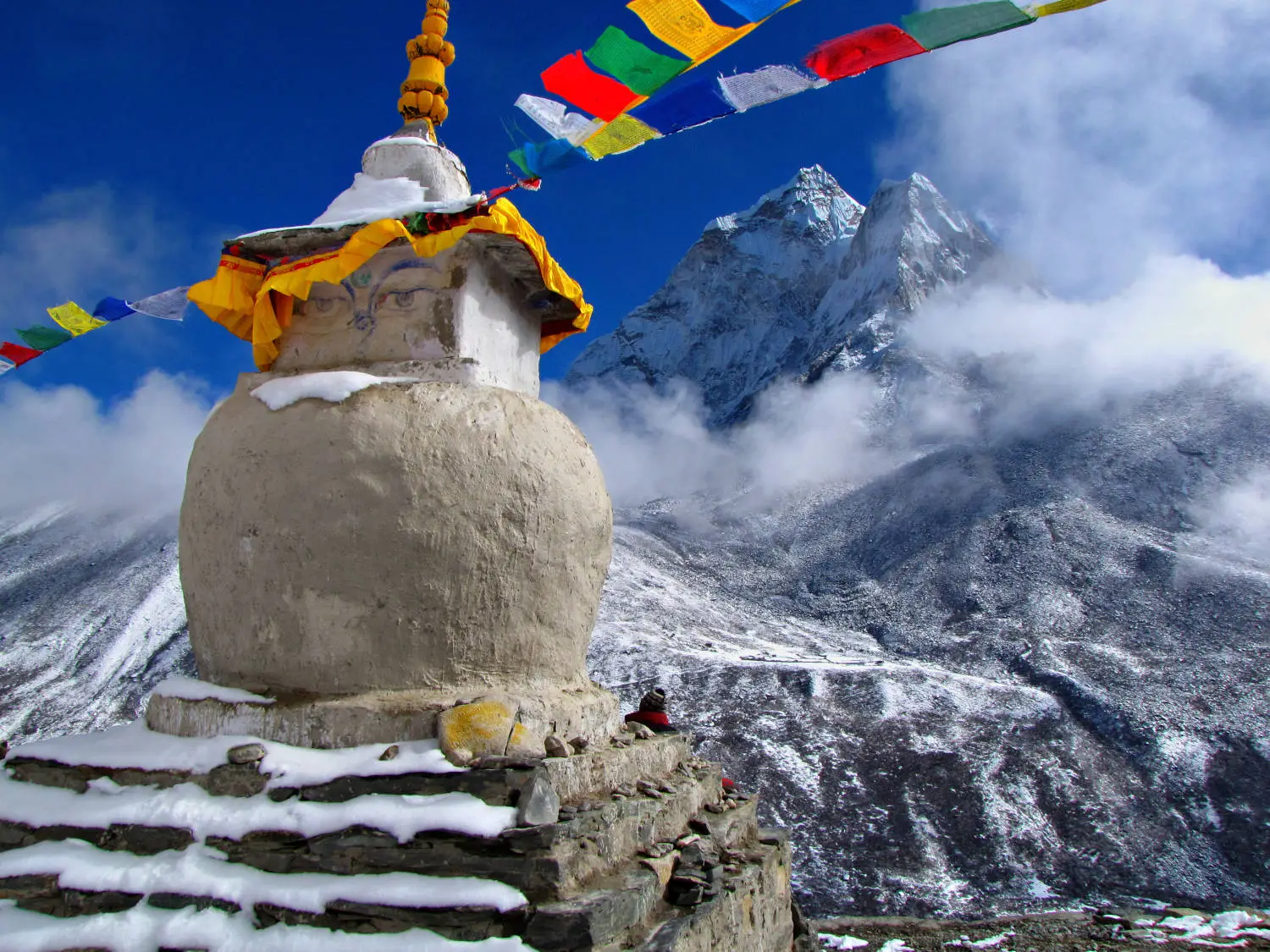
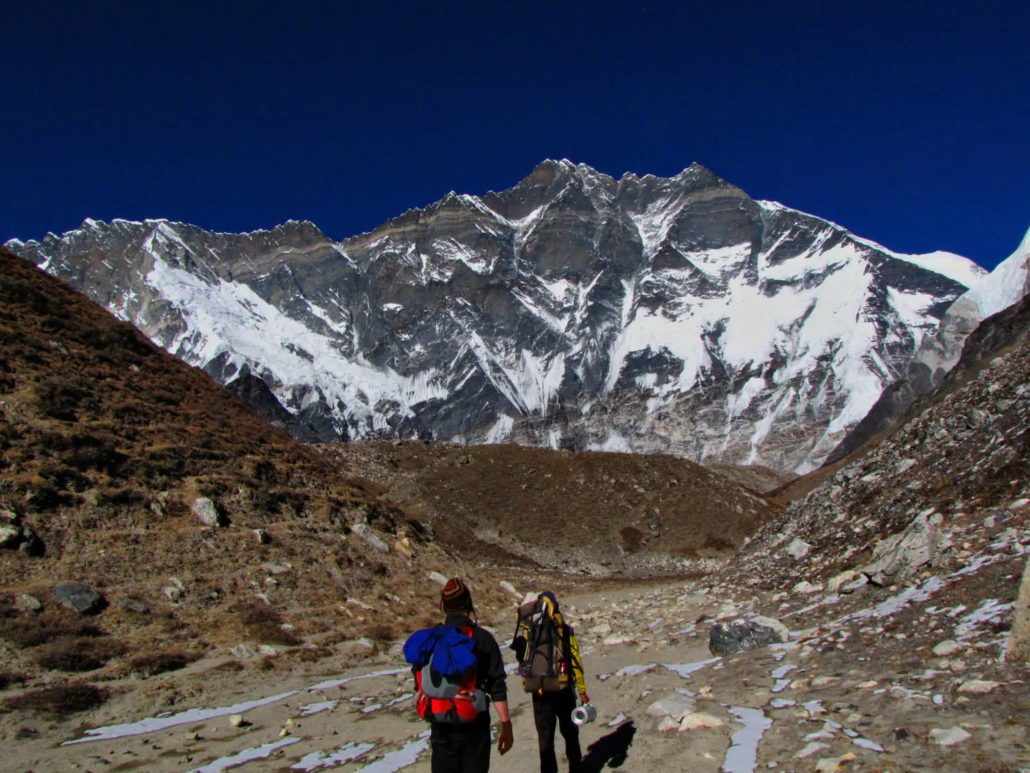
The Everest Base Camp Trek is the most iconic Himalayan journey in the world — a 14-day route through the heart of the Khumbu region of Nepal that takes you from the legendary airstrip at Lukla (2,860m) to the foot of the highest mountain on earth at 5,364 metres. This is not a technical climb — no ropes, ice axes, or glacier experience are required. It is a demanding high-altitude trek on well-maintained trails through one of the most spectacularly beautiful and culturally distinct mountain landscapes on the planet.
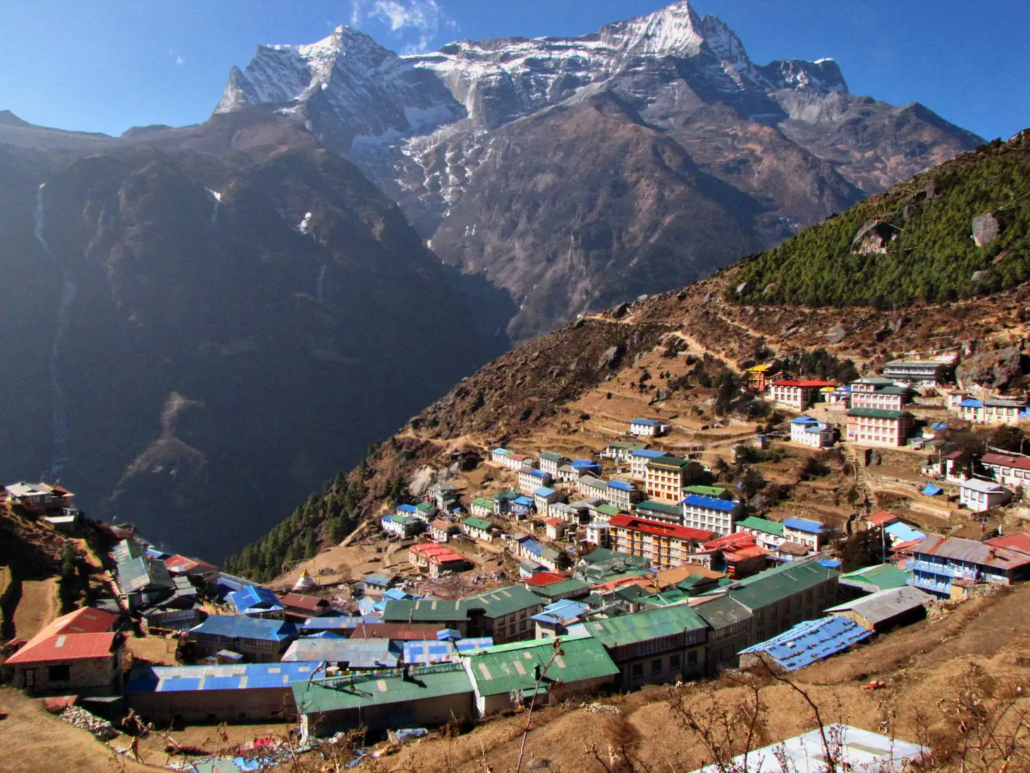
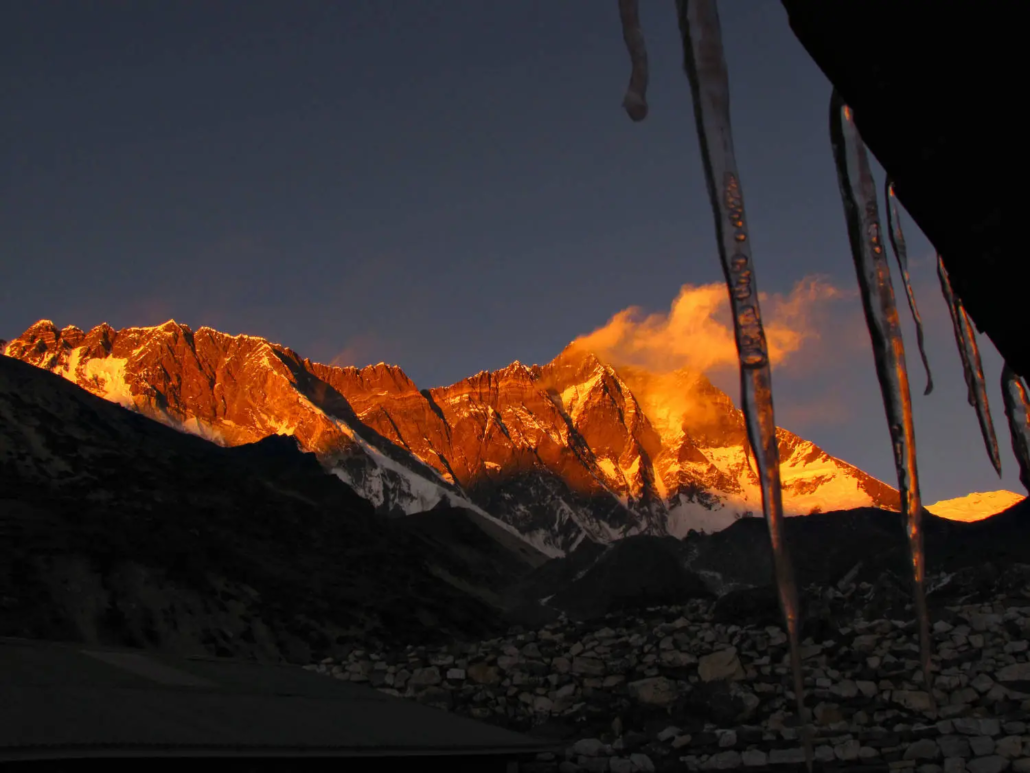
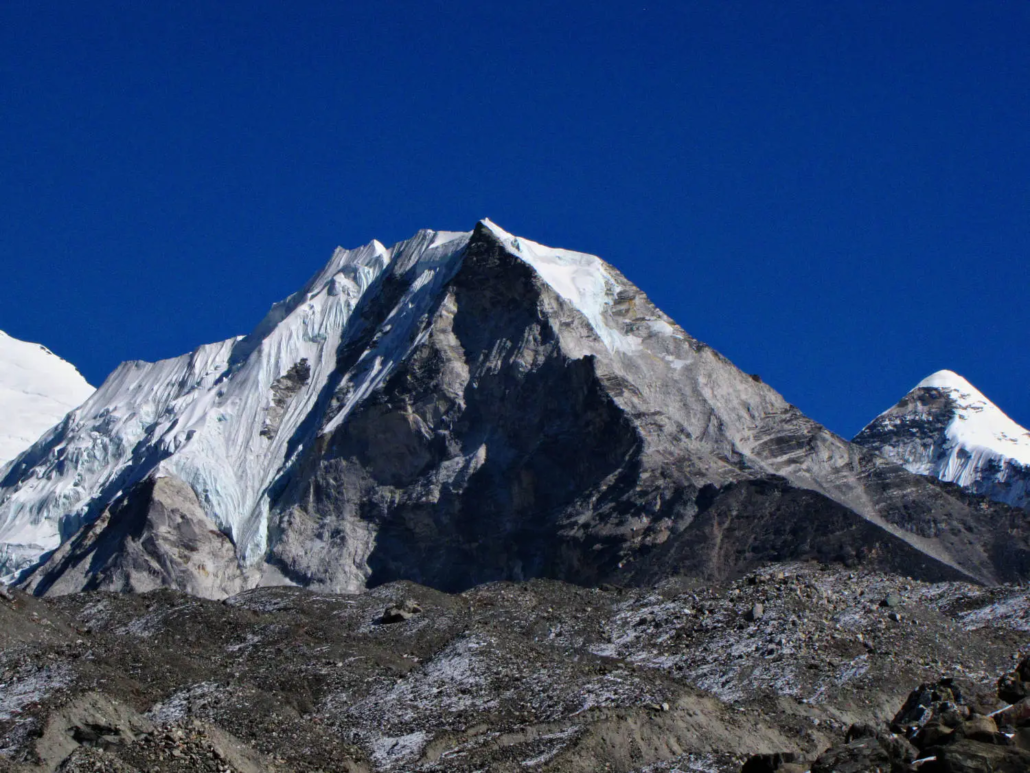
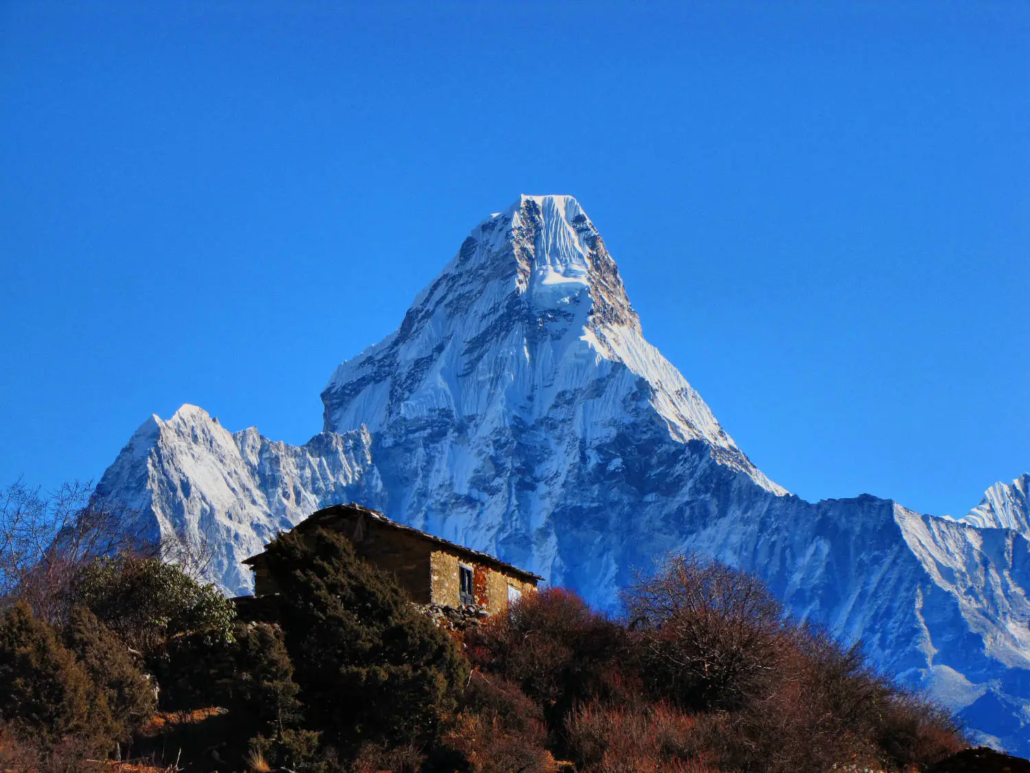
The route follows the Dudh Koshi River upstream through a series of Sherpa villages — Phakding, Namche Bazaar, Tengboche, Dingboche — each sitting higher and more exposed than the last, with the peaks of Everest (8,849m), Lhotse (8,516m), Nuptse (7,861m), Ama Dablam (6,812m), and dozens of other summits appearing and growing in scale with every passing day. The acclimatisation structure of the itinerary is carefully designed — a rest day at Namche Bazaar (3,440m) and another at Dingboche (4,410m) are both mandatory, not optional, before the high-altitude push to Gorakshep and base camp.
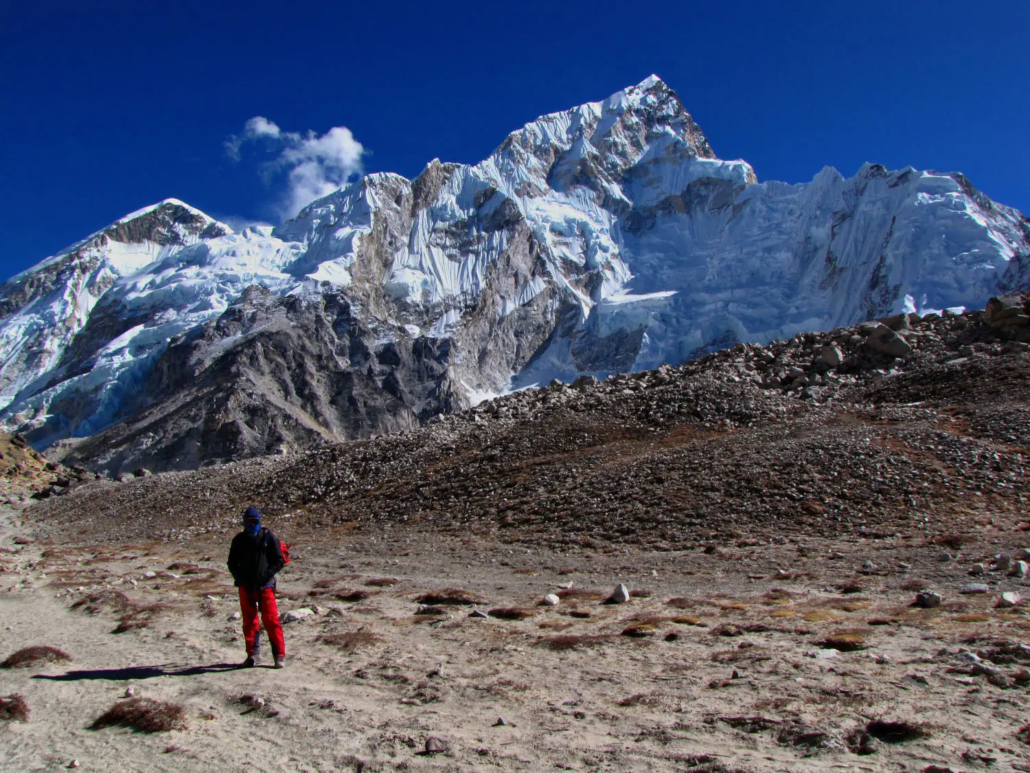
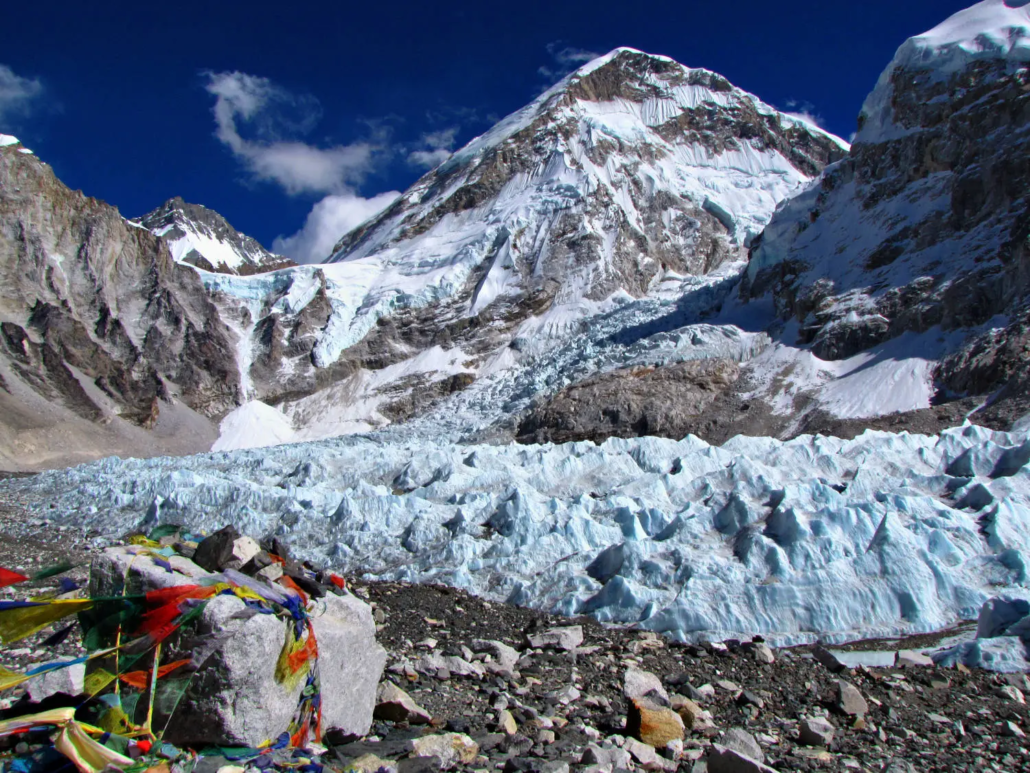
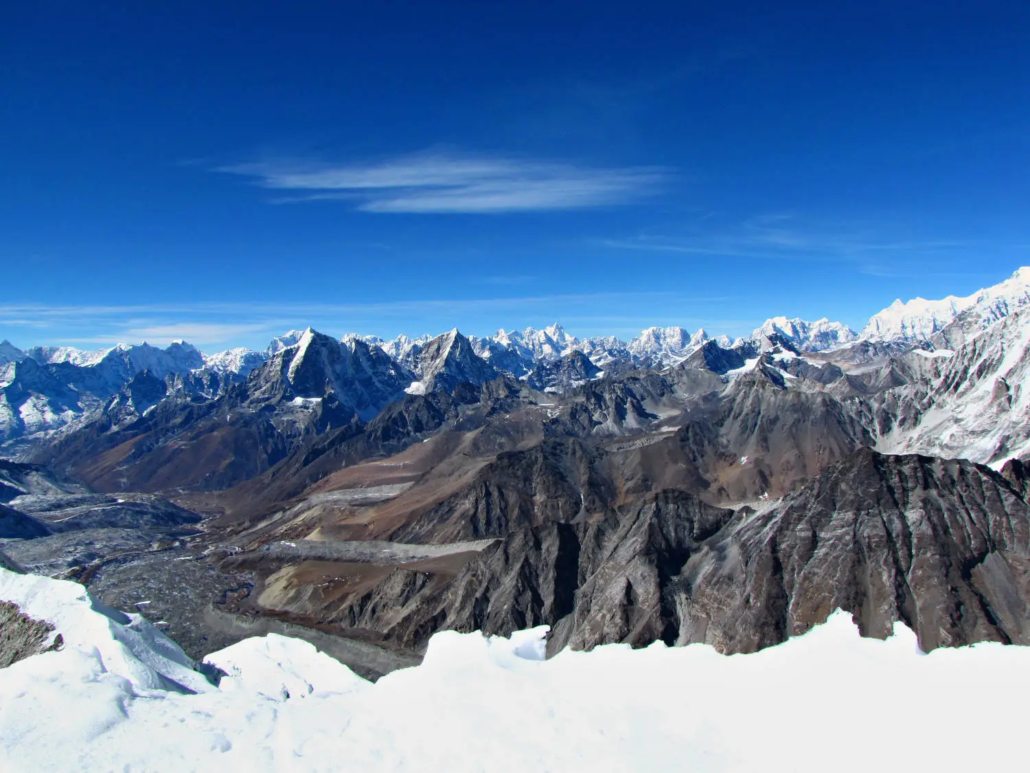
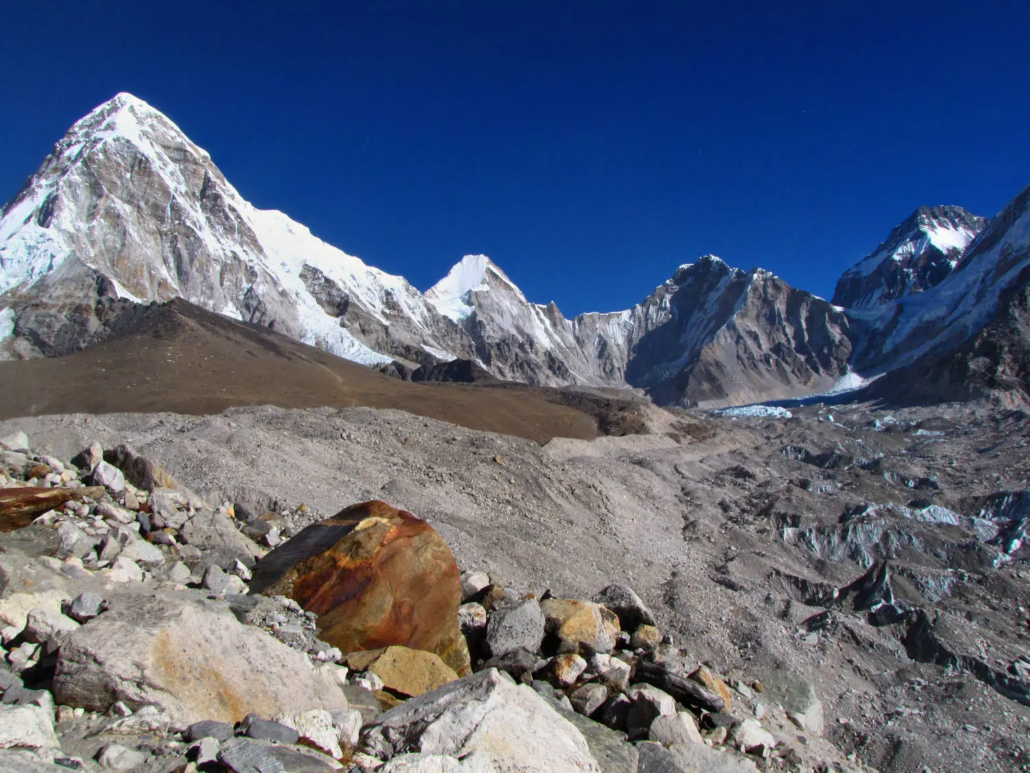
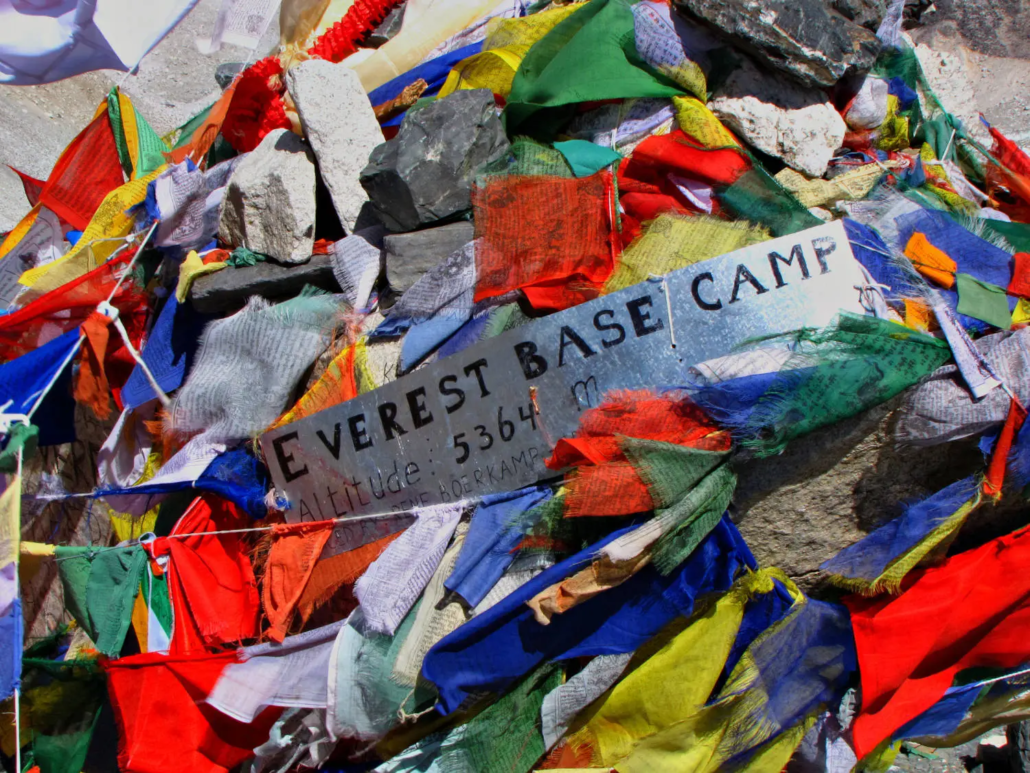
The trek’s two defining high points are Everest Base Camp (5,364m) on Day 9 — the glacier-hemmed plateau from which Everest expeditions launch their summit bids, marked by a city of coloured tents in expedition season — and Kala Patthar (5,545m) on the morning of Day 10, which is in fact the highest point of the entire trek and the finest accessible viewpoint of Everest’s south-west face on earth. The sunrise panorama from Kala Patthar — Everest, Lhotse, Nuptse, and the Khumbu Icefall all visible simultaneously — is among the most photographed mountain views in existence, and rightly so.
This is a tea-house trek throughout. No tents, sleeping bags, or camping gear are required. Accommodation in local guest-houses along the trail is well-established and progressively more basic as altitude increases — Namche has excellent facilities; Gorakshep at 5,180m has the essentials and little more. The trail is never technically demanding, but the altitude and cumulative daily effort are real. Fitness, patience with the acclimatisation schedule, and honest communication with your guide about symptoms are the qualities that determine success on Everest Base Camp.
Deciding between Everest Base Camp and the Annapurna Circuit? Read our detailed comparison to find which trek suits your goals.
Important Notes
- Best Seasons: March–May (spring) and September–November (autumn). Spring offers rhododendron bloom on the lower approaches and the spectacle of expedition teams preparing for Everest summit attempts at base camp. Autumn delivers the sharpest mountain visibility and the most stable trekking weather. Avoid the monsoon months (June–August) when trails are wet and views are obscured, and winter (December–February) when temperatures above Namche drop severely.
- Difficulty Level: Moderate to Challenging. The trail itself is never technically difficult, but sustained altitude above 3,400m for 10 consecutive days, long daily distances, and cumulative physical effort make this a genuine challenge requiring proper preparation. Read our guide to altitude sickness in the Himalaya before departure.
- Highest Point: Kala Patthar, 5,545m (Day 10 morning) — not Everest Base Camp. EBC at 5,364m is the symbolic destination; Kala Patthar is the highest altitude reached and the superior viewpoint for Everest itself.
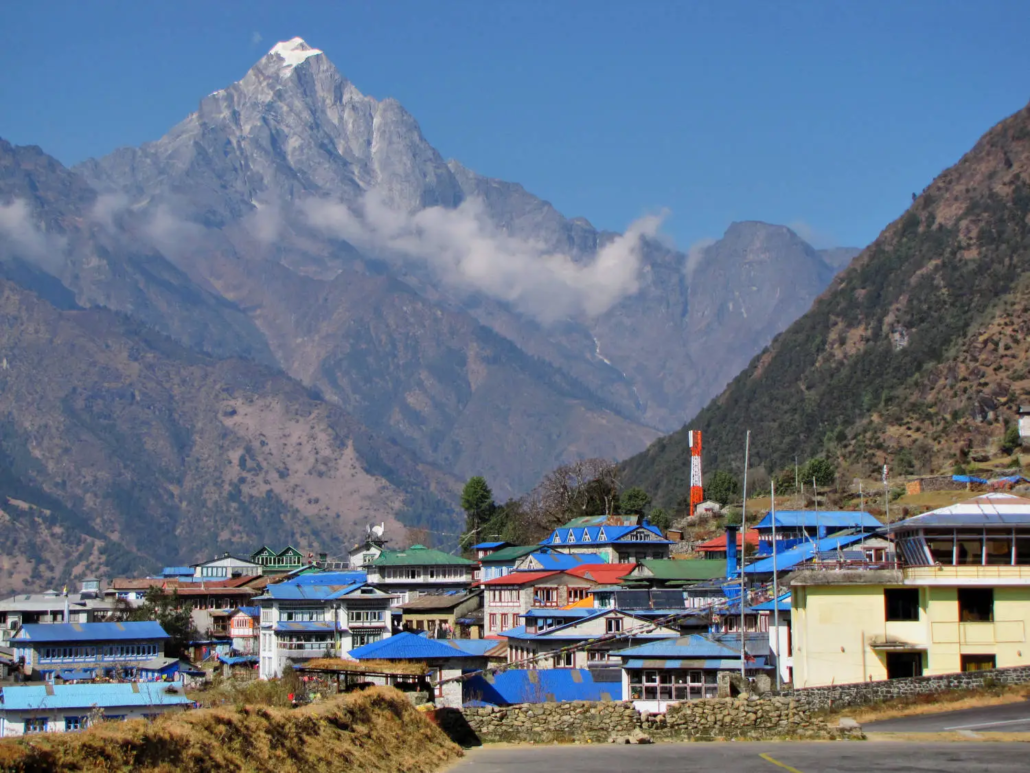
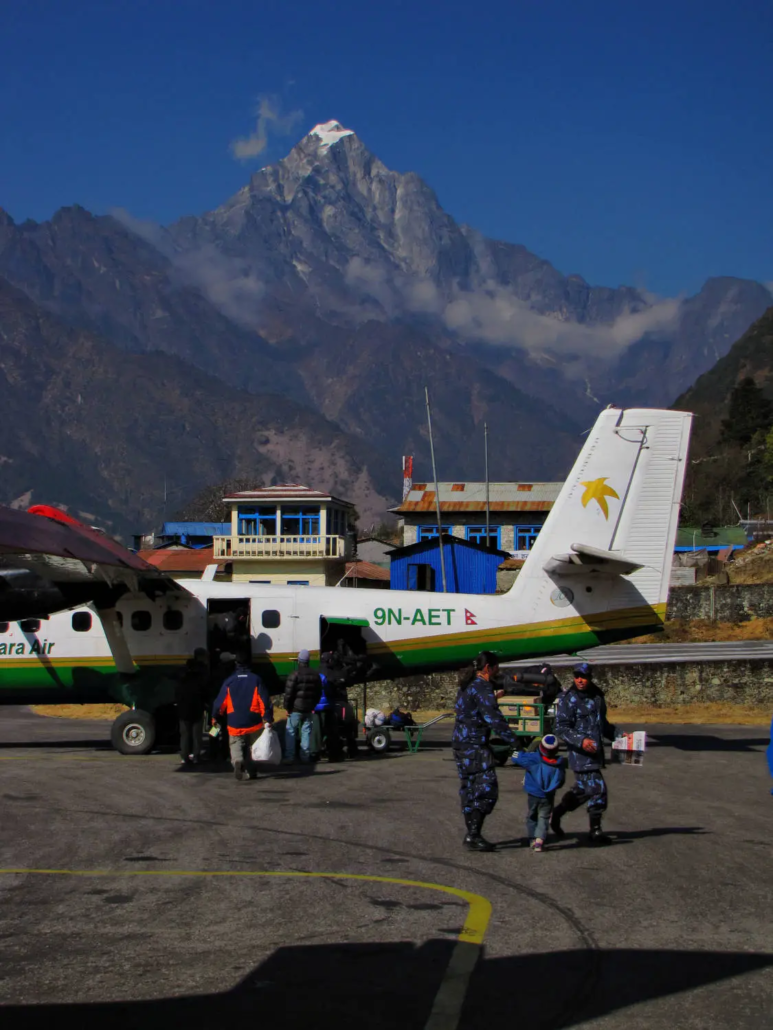
- Lukla Flight: The trek begins and ends with a 35-minute flight to/from Lukla Airport (IATA: LUA) — one of the most dramatic short flights in the world, landing on a steeply inclined runway cut into the hillside at 2,860m. Weather cancellations are the most common disruption on the entire EBC itinerary. Do not book non-refundable onward international flights within 48 hours of your scheduled Lukla–Kathmandu return (Day 13). Build in buffer time in Kathmandu.
- Permits: Two permits are required: the Sagarmatha National Park entry permit and the Khumbu Pasang Lhamu Rural Municipality permit. Summit Routes arranges both permits on your behalf. See our permits and visa guide for full details.
- Acclimatisation Days: The itinerary includes two mandatory acclimatisation days — at Namche Bazaar (Day 4) and Dingboche (Day 7). Both are non-negotiable. Skipping either significantly increases AMS risk on the upper route. The Himalayan Rescue Association operates a staffed clinic at both Namche and Pheriche — both are visited on this itinerary and provide altitude awareness briefings.
- Fitness Standard: Must be comfortable trekking 8–20 km per day for up to 7–8 hours on consecutive days. The longest day (Day 11, Pheriche to Namche) covers 20 km. Good cardiovascular fitness from regular hiking, running, or cycling before departure makes a meaningful difference above 4,000m.
- Tea-house Trekking: All accommodation is in local tea-houses and guest-houses. Wi-Fi and charging facilities are available up to Namche reliably; above Namche, Wi-Fi is available at extra charge and becomes increasingly slow and intermittent. Hot showers (solar-heated) are available for a small fee at most tea-houses up to Dingboche; above that, hot water is limited.
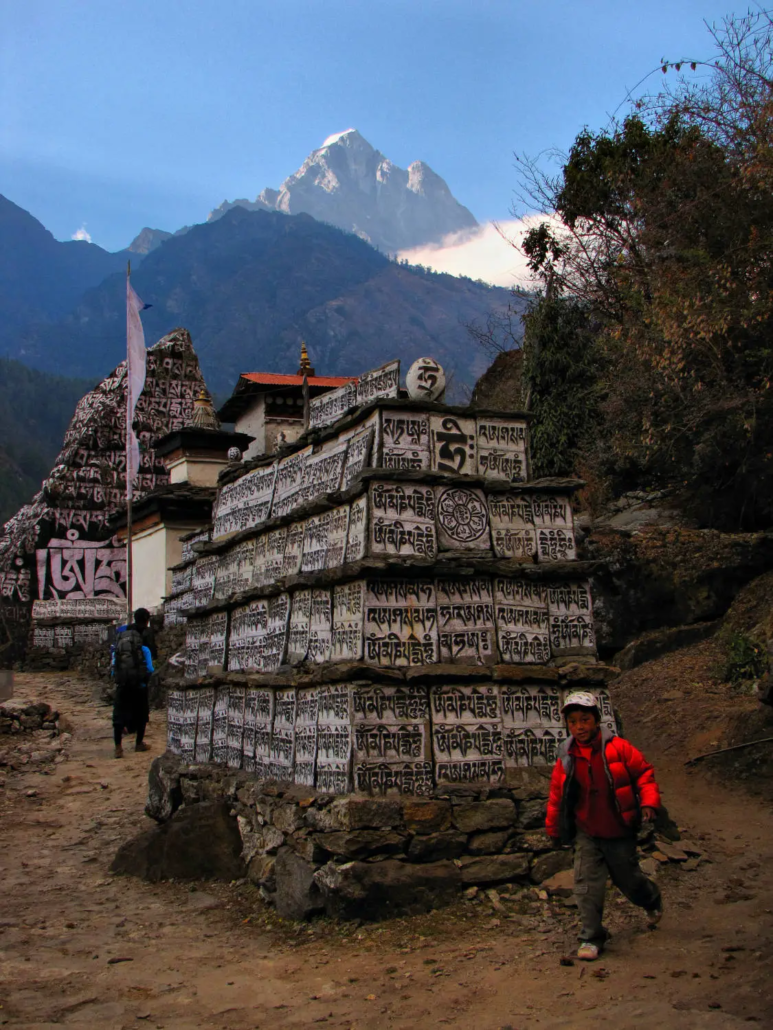
- Cultural Note: The Khumbu region is the homeland of the Sherpa people, whose mountaineering tradition and Buddhist culture are central to what makes this trek unique. Tengboche Monastery — the largest in the Khumbu — is an active religious institution. Trekkers are welcomed but expected to behave with respect at all monasteries, chortens, and mani walls on the route.
Brief Itinerary
| Day 1 | Arrive Kathmandu (1,400m) — Trek Briefing |
| Day 2 | Fly Kathmandu to Lukla (2,860m) — Trek to Phakding (2,610m) |
| Day 3 | Trek Phakding to Namche Bazaar (3,440m) |
| Day 4 | Acclimatisation Day — Namche Bazaar (3,440m) |
| Day 5 | Trek Namche Bazaar to Tengboche (3,860m) |
| Day 6 | Trek Tengboche to Dingboche (4,410m) |
| Day 7 | Acclimatisation Day — Dingboche — Hike to Nagarjun Hill (5,100m) |
| Day 8 | Trek Dingboche to Lobuche (4,940m) |
| Day 9 | Trek Lobuche to Everest Base Camp (5,364m) via Gorakshep (5,180m) |
| Day 10 | Hike Kala Patthar (5,545m) — Trek to Pheriche (4,280m) |
| Day 11 | Trek Pheriche to Namche Bazaar (3,440m) |
| Day 12 | Trek Namche Bazaar to Lukla (2,860m) |
| Day 13 | Fly Lukla to Kathmandu — Sightseeing |
| Day 14 | Departure from Kathmandu |
Altitude Profile
📅 Everest Base Camp Trek 2026 — Fixed Departure (14 Days)
Click a departure to enquire instantly on WhatsApp
Arrive & Depart: Kathmandu (KTM), Nepal
Similar Trips

ANNAPURNA CIRCUIT TREK
Level: Challenging | Duration: 18 Days | Best Time: Mar–May & Sep–Nov | Price: From $1895
MERA PEAK
Level: Challenging | Duration: 14 Days | Best Time: Mar–May & Sep–Nov | Price: From $2595