
Annapurna Circuit with Tilicho Lake

Annapurna Circuit with Tilicho Lake Trek — Overview
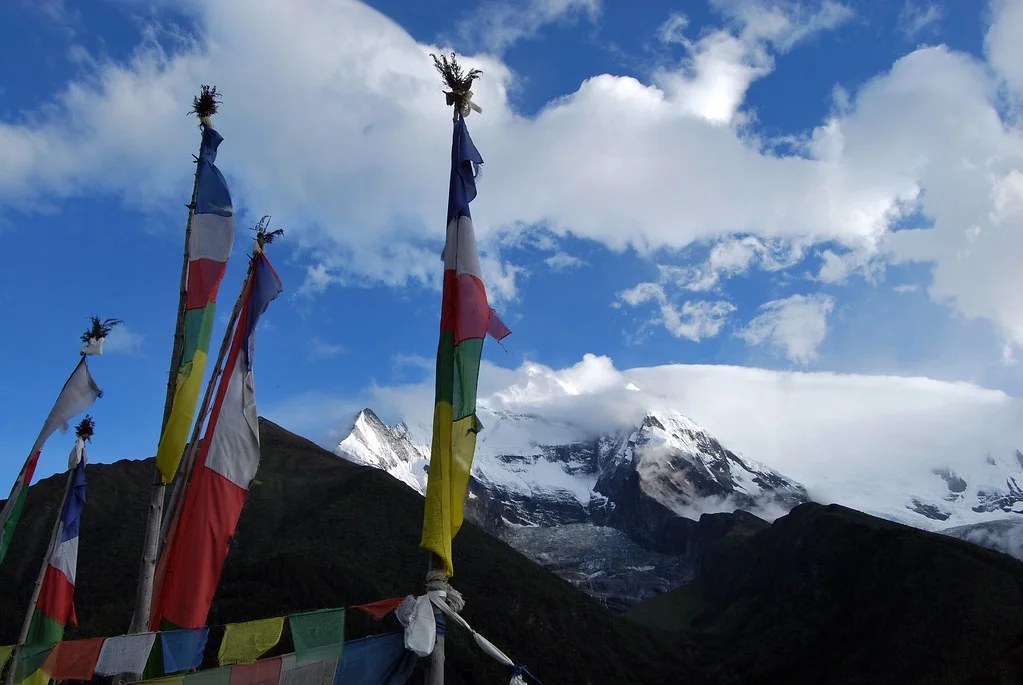
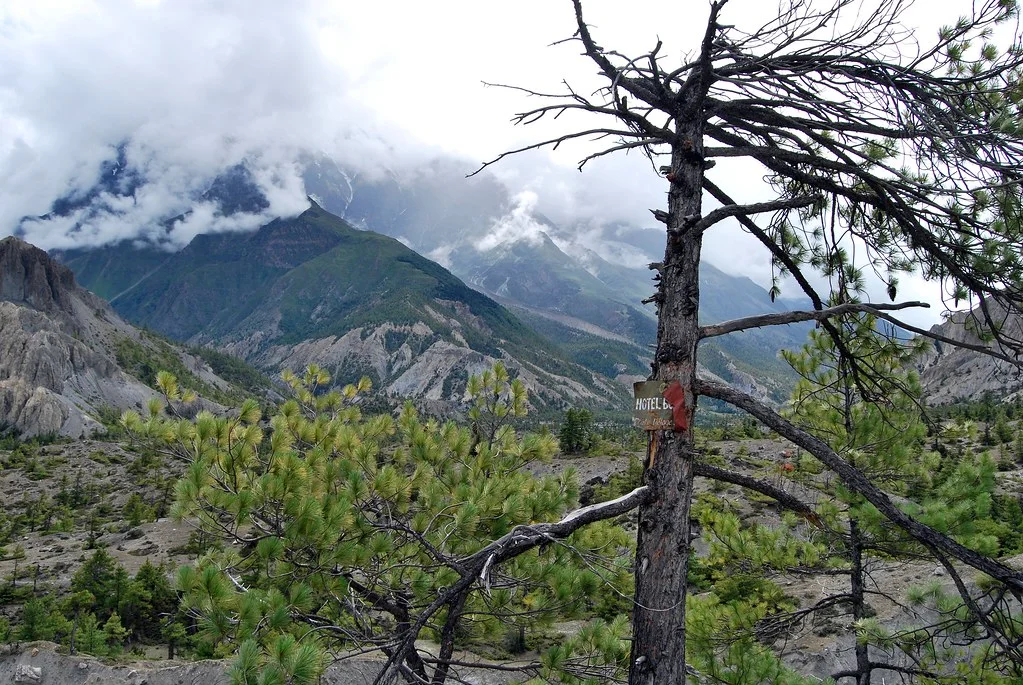
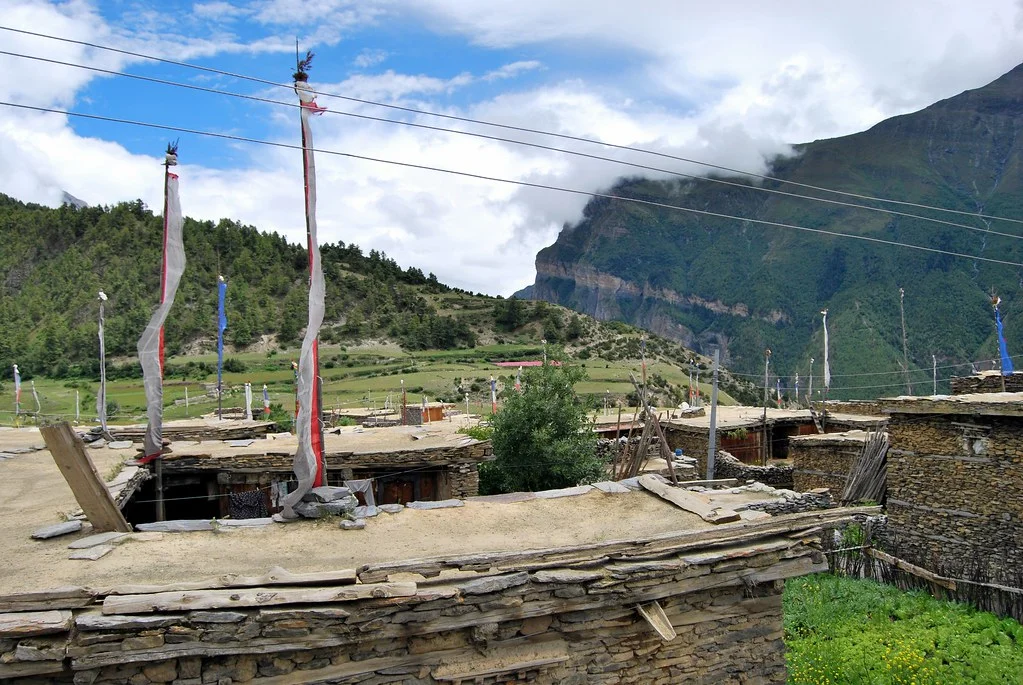
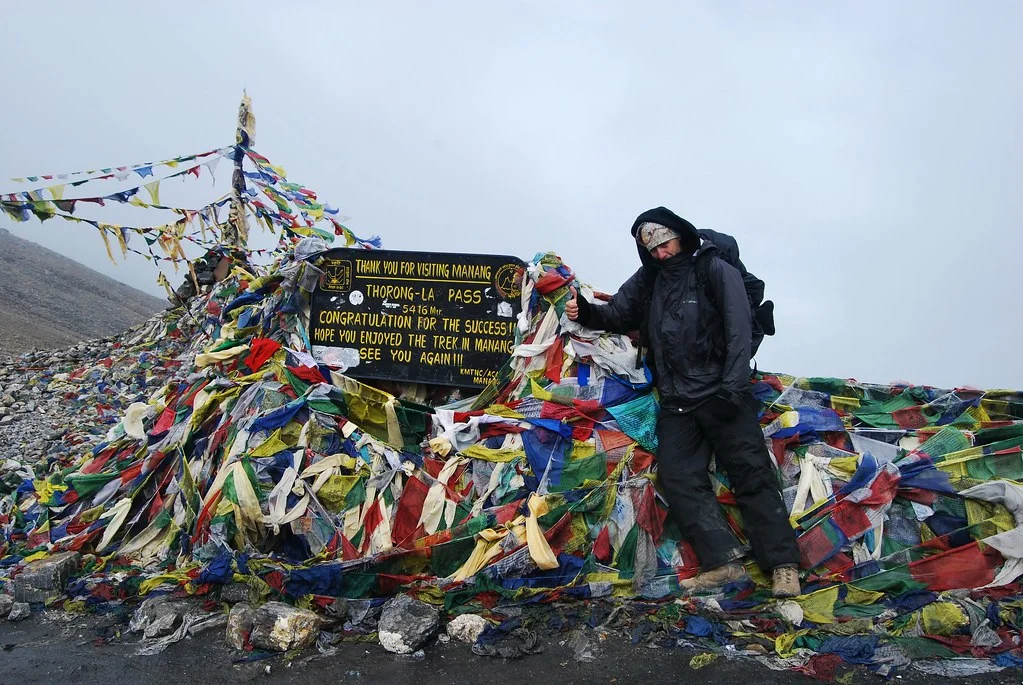
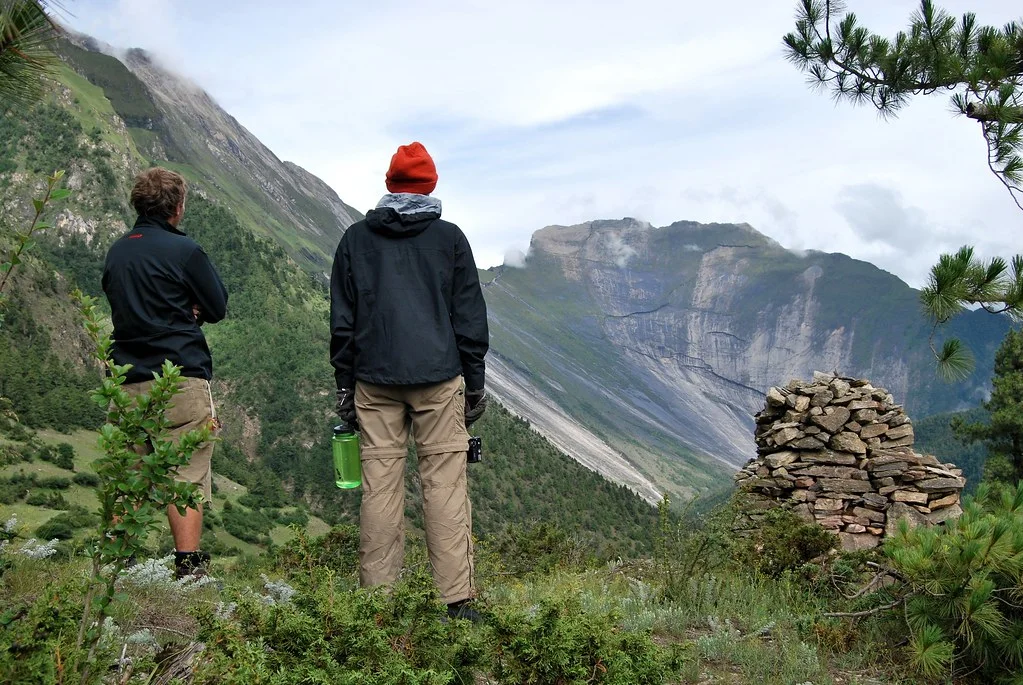
The Annapurna Circuit with Tilicho Lake is one of the finest long-distance treks in the world — an 18-day loop around the entire Annapurna massif that passes through a greater diversity of landscape, climate, and culture than almost any other walk on earth. The route begins in the subtropical lowlands of the Marsyangdi River valley, climbs through temperate pine forests and apple orchards past the extraordinary viewpoints of Ghyaru and Ngawal, into the high-altitude plateau world of Manang (3,500m), and ultimately over the Thorong La Pass (5,416m) — one of the world’s highest regularly crossed trekking passes — before descending into the rain-shadowed desert of the Mustang Valley and the sacred pilgrimage site of Muktinath.
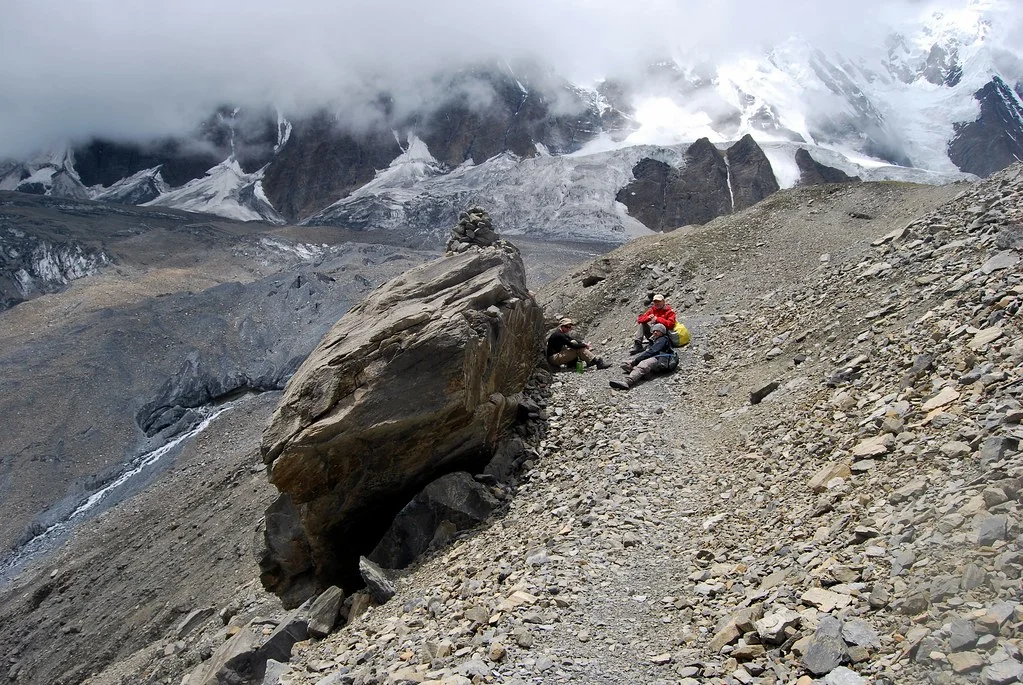
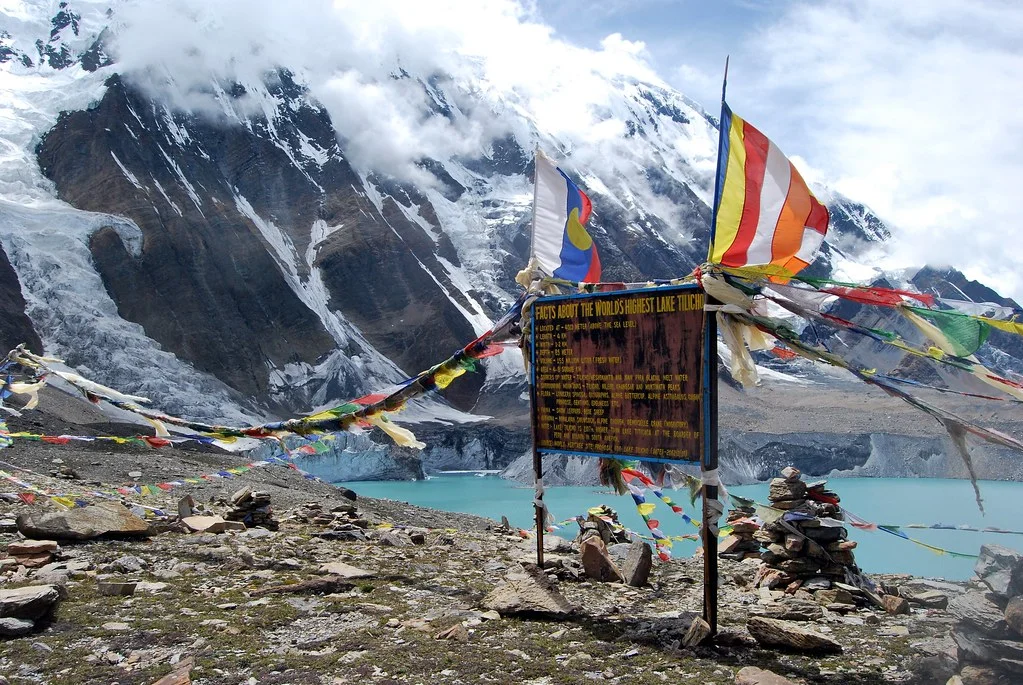
The inclusion of Tilicho Lake (4,919m) — the highest lake of its size on earth — adds a full dedicated detour day and represents the trek’s single most spectacular reward. Sitting in a glacial bowl directly beneath the immense walls of Tilicho Peak (7,134m), the lake can only be reached by a pre-dawn start from Tilicho Base Camp. The approach trail traverses a steep and crumbling landslide section; the view on arrival is worth every step.
This itinerary concludes with the Poon Hill extension — a three-day addition via Ghorepani that brings trekkers to the finest panoramic sunrise viewpoint in Nepal, with Dhaulagiri and the full Annapurna range rising above the clouds at dawn — before the return to Pokhara and onward to Kathmandu.
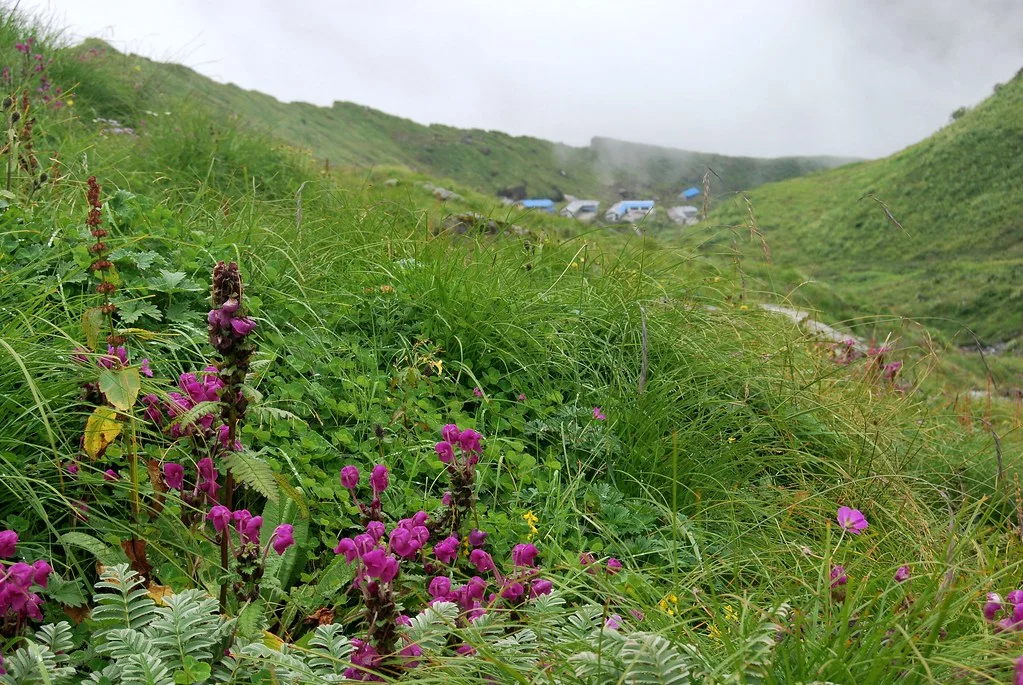
This is a tea-house trek throughout: no camping, no tents, no expedition infrastructure required. Each night is spent in a local guesthouse along the trail, which are well-established and comfortable by Himalayan standards. This makes the Annapurna Circuit genuinely accessible to motivated trekkers who are physically prepared but not experienced expedition travellers — provided they understand that Thorong La at 5,416m is a genuine high-altitude challenge requiring proper acclimatisation, an early start, and respect for mountain weather.
Deciding between the Annapurna Circuit and Everest Base Camp? Read our detailed comparison to find which trek suits your fitness, timeline, and goals.
Important Notes
- Best Seasons: March–May (spring) and September–November (autumn). Spring brings rhododendron in bloom on the lower trails and clear skies before the monsoon. Autumn is the most popular season — stable weather, sharp mountain visibility, and Thorong La at its most manageable. Avoid the monsoon months (June–August) and deep winter (December–February) when Thorong La is dangerous or closed.
- Difficulty Level: Moderate to Challenging. The daily distances and altitude gain are manageable for well-prepared trekkers with no prior high-altitude experience, but Thorong La Pass at 5,416m and the approach night at High Camp (4,925m) demand genuine physical readiness and a healthy respect for altitude. Read our guide to altitude sickness in the Himalaya before departure.
- Highest Point: Thorong La Pass, 5,416m (Day 10). Thorong High Camp at 4,925m is the overnight high point (Day 9). Tilicho Lake at 4,919m is the detour high point (Day 7).
- Tilicho Lake: At 4,919m, Tilicho is the world’s highest lake of its size. The detour adds one night at Tilicho Base Camp (Day 6) and a full day of hiking (Day 7, approximately 22 km with an early start). It is not technically difficult but is long and strenuous. It is the defining highlight of this itinerary and should not be skipped.
- Jomsom Flight: The route exits via a short flight from Jomsom to Pokhara — a 20-minute flight that must depart before 9:00 AM as afternoon winds make flying impossible. Weather cancellations are common, particularly in spring. Day 17 is a dedicated buffer day to absorb any flight delay without affecting international connections.
- Permits: Two permits are required: the ACAP (Annapurna Conservation Area Permit) and the TIMS card (Trekkers’ Information Management System). Summit Routes arranges both permits on your behalf. See our permits and visa guide for full details.
- Fitness Standard: Must be comfortable trekking 10–18 km daily for up to 8–9 hours with sustained elevation gain. The pass day (Day 10) is 16 km and 7–8 hours including 1,600m of ascent from High Camp to Thorong La. Prior multi-day hiking experience is strongly recommended. If this is your first high-altitude experience, consider a shorter acclimatisation trek beforehand.
- Tea-house Trekking: Accommodation throughout the trail is in local tea-houses and guest-houses — simple but adequate. Hot showers (sometimes solar-heated), Wi-Fi (intermittent above Manang), and charging facilities are generally available. Tilicho Base Camp has very limited beds — arriving by 2:00 PM on Day 6 is essential during peak season.
- Acclimatisation: The itinerary includes a mandatory rest day at Manang (Day 5) with a recommended acclimatisation hike to Ice Lake (4,600m), and an afternoon session at the Himalayan Rescue Association clinic in Manang — the only staffed altitude medical facility on the circuit. Do not skip either of these.
Brief Itinerary
| Day 1 | Arrive Kathmandu (1,400m) — Trek Briefing |
| Day 2 | Drive Kathmandu to Chame (2,670m) |
| Day 3 | Trek Chame to Upper Pisang (3,300m) |
| Day 4 | Trek Upper Pisang to Manang (3,500m) via Ghyaru & Ngawal |
| Day 5 | Acclimatisation Day — Manang — Hike to Ice Lake (4,600m) |
| Day 6 | Trek Manang to Tilicho Base Camp (4,150m) |
| Day 7 | Hike to Tilicho Lake (4,919m) — Return to Manang |
| Day 8 | Trek Manang to Yak Kharka (4,020m) |
| Day 9 | Trek Yak Kharka to Thorong High Camp (4,925m) |
| Day 10 | Cross Thorong La Pass (5,416m) — Trek to Muktinath (3,760m) |
| Day 11 | Trek Muktinath to Jomsom (2,720m) via Kagbeni |
| Day 12 | Fly Jomsom to Pokhara (820m) |
| Day 13 | Drive Pokhara to Nayapul — Trek to Ulleri (1,960m) |
| Day 14 | Trek Ulleri to Ghorepani (2,860m) |
| Day 15 | Poon Hill Sunrise (3,210m) — Trek to Nayapul — Drive to Pokhara |
| Day 16 | Pokhara Sightseeing — Drive to Kathmandu |
| Day 17 | Buffer Day / Free Day in Kathmandu |
| Day 18 | Departure from Kathmandu |
Altitude Profile

Arrive & Depart: Kathmandu (KTM), Nepal
Similar Trips

EVEREST BASE CAMP
Level: Challenging | Duration: 14 Days | Best Time: Mar–May & Sep–Nov | Price: From $1795
MERA PEAK
Level: Challenging | Duration: 14 Days | Best Time: Mar–May & Sep–Nov | Price: From $2595