Kanchenjunga Base Camp Trek (18 Days) — Kathmandu to Kathmandu, Nepal
Kanchenjunga Base Camp Trek — Overview
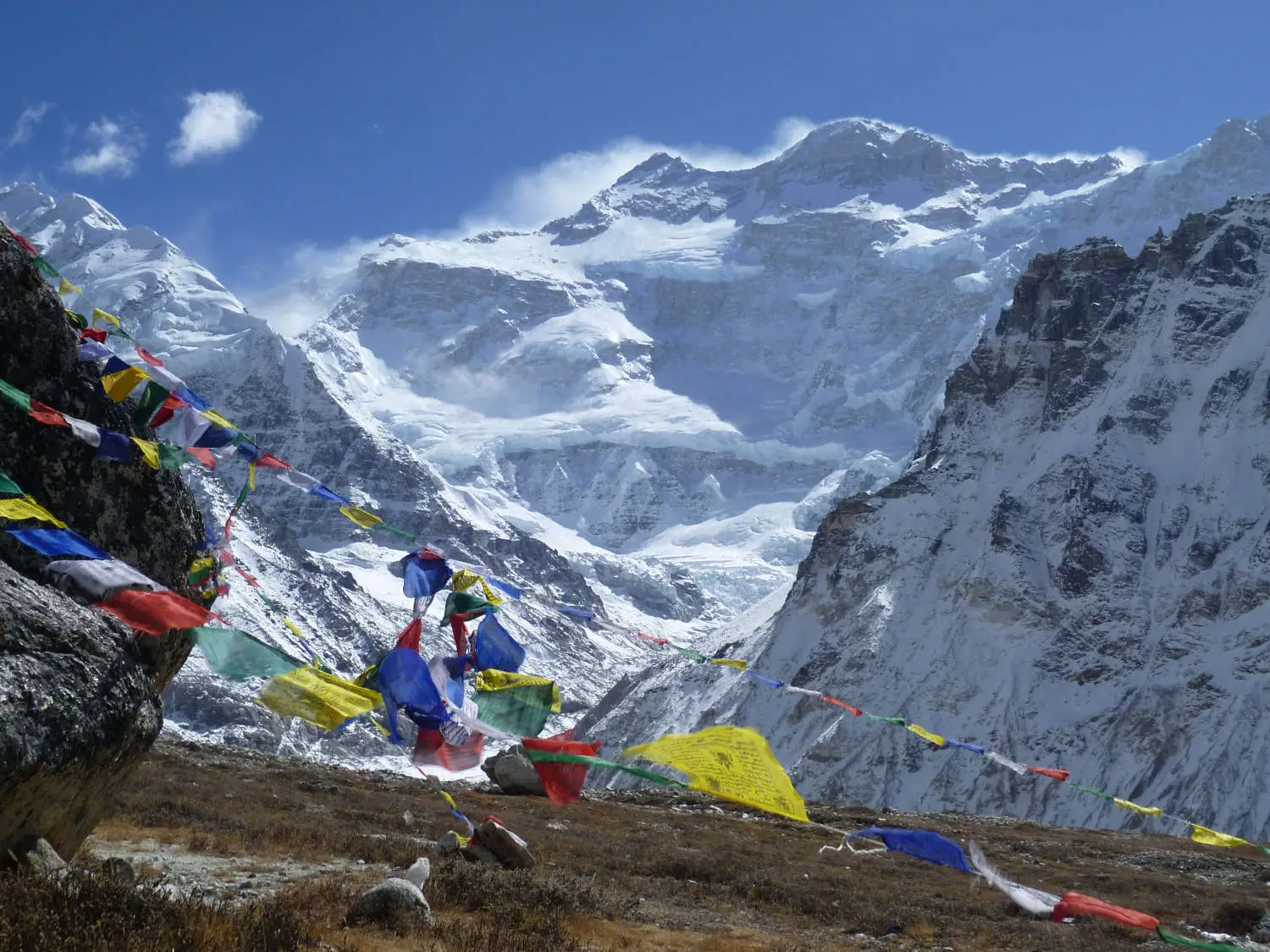
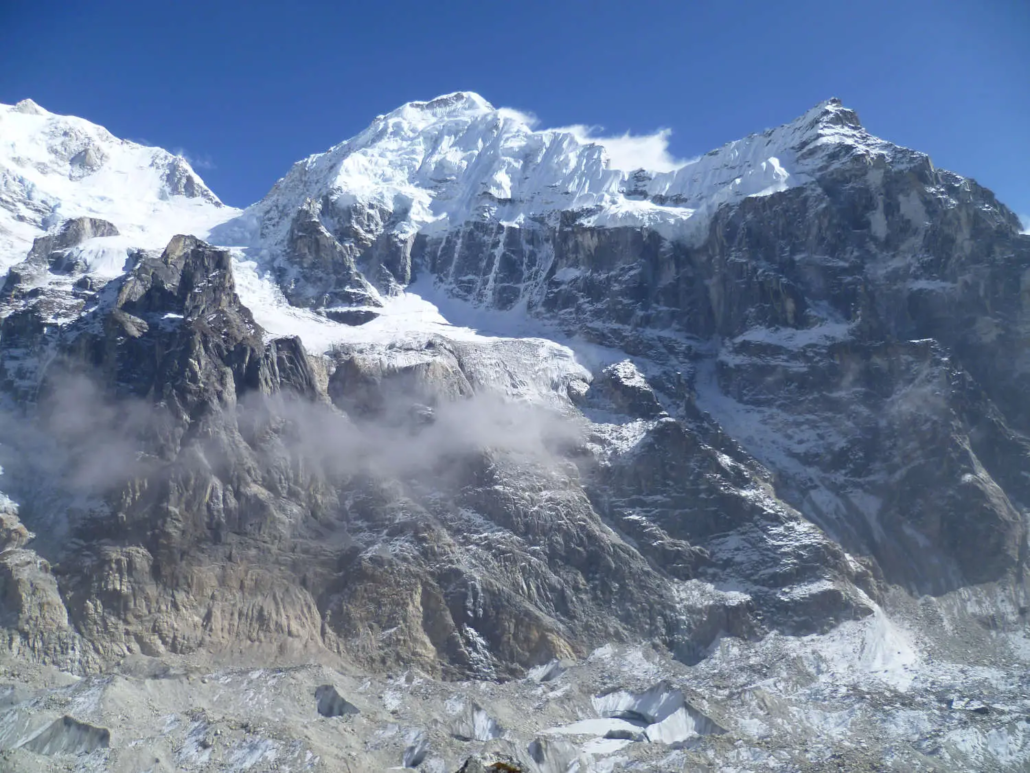
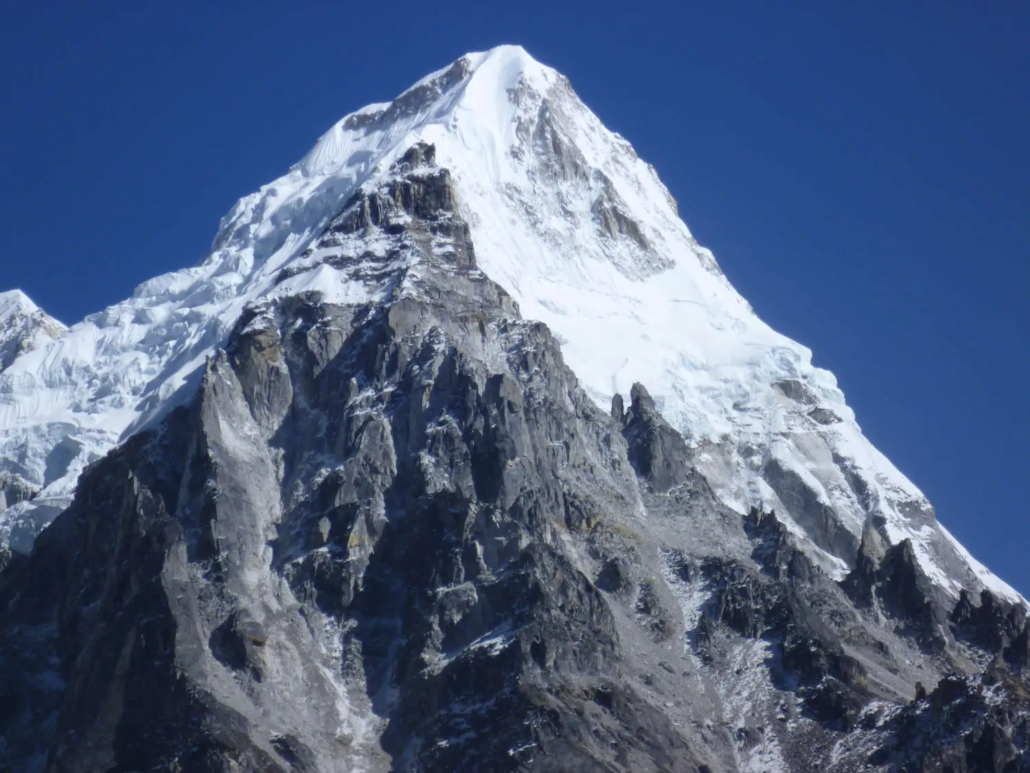
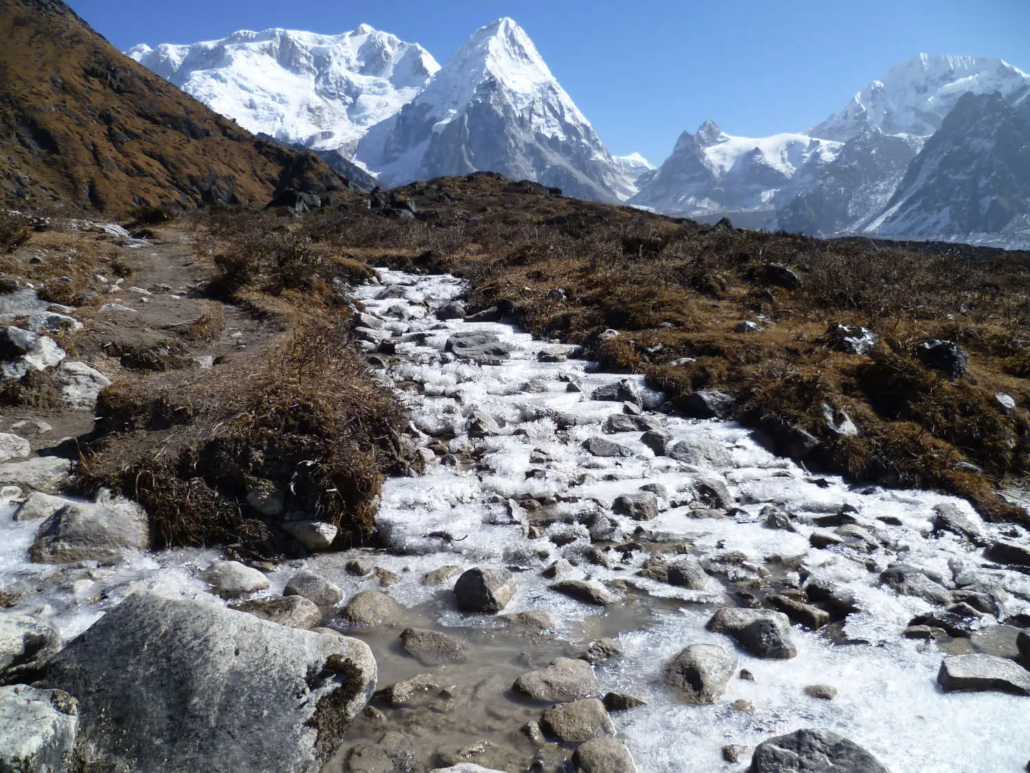
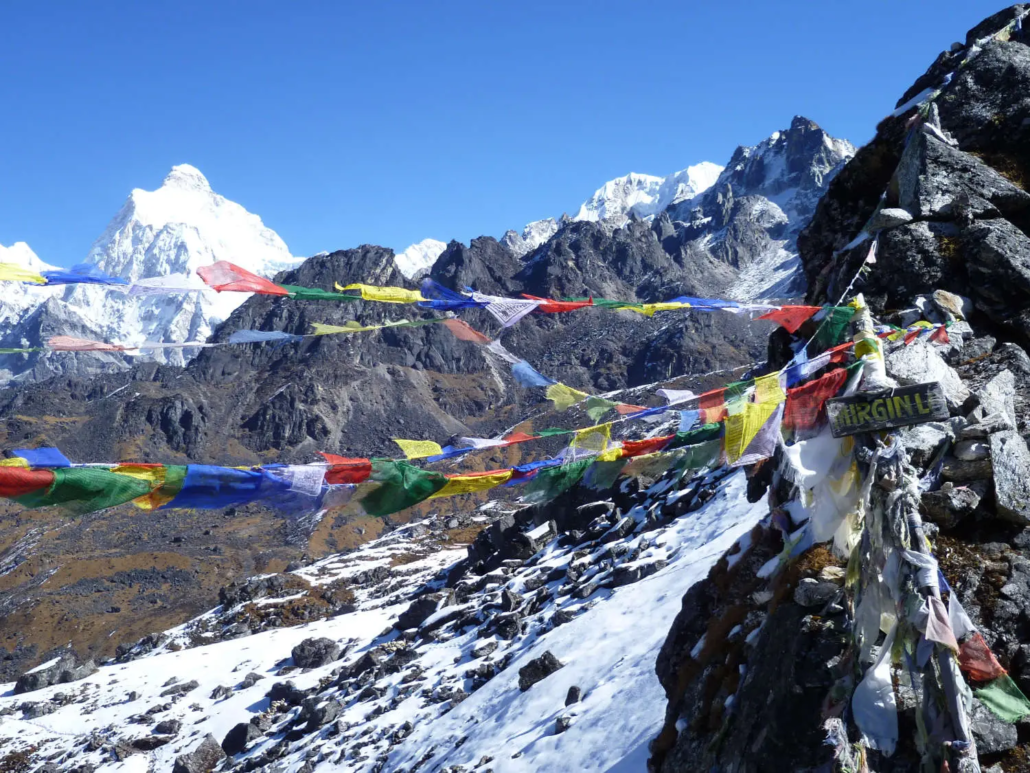
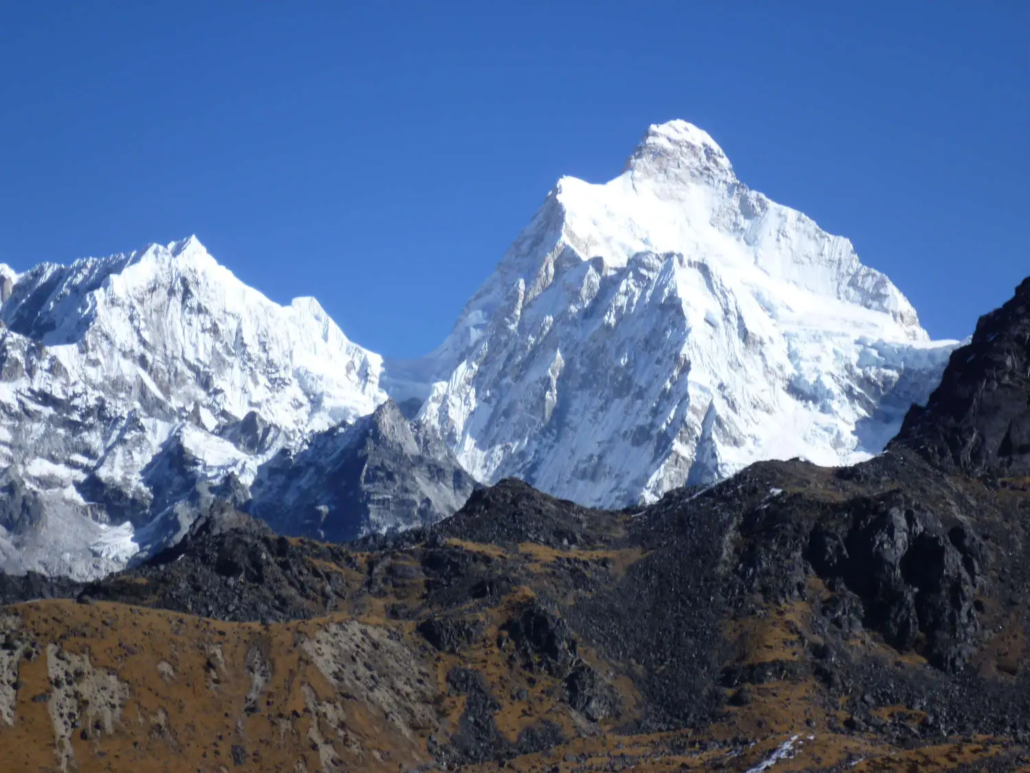
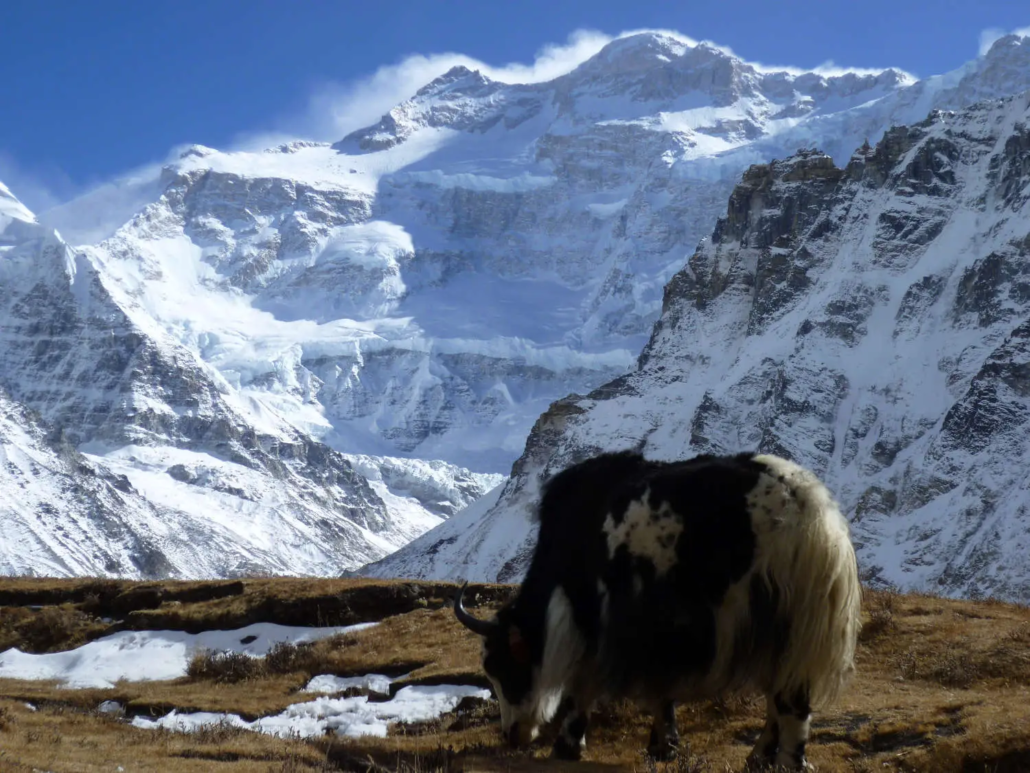
Kanchenjunga (8,586m) is the third-highest mountain on earth, and it is the least visited of the Himalayan giants. The 18-day trek to its North Base Camp at Pangpema (5,143m) is one of the most rewarding long-distance routes in Nepal — a genuine wilderness journey through the restricted eastern Himalaya where yak trains outnumber trekkers, rhododendron forests give way to moraine-studded glaciers, and the Kanchenjunga massif fills the sky with five summits above 8,400m visible simultaneously from a single viewpoint. From Pangpema, the panorama of Kanchenjunga Main (8,586m), Kanchenjunga West (8,505m), Kanchenjunga Central (8,482m), Kanchenjunga South (8,476m), and Yalung Kang (8,505m) across the Yamatari Glacier is unlike anything available from any other non-technical trekking route in Nepal.
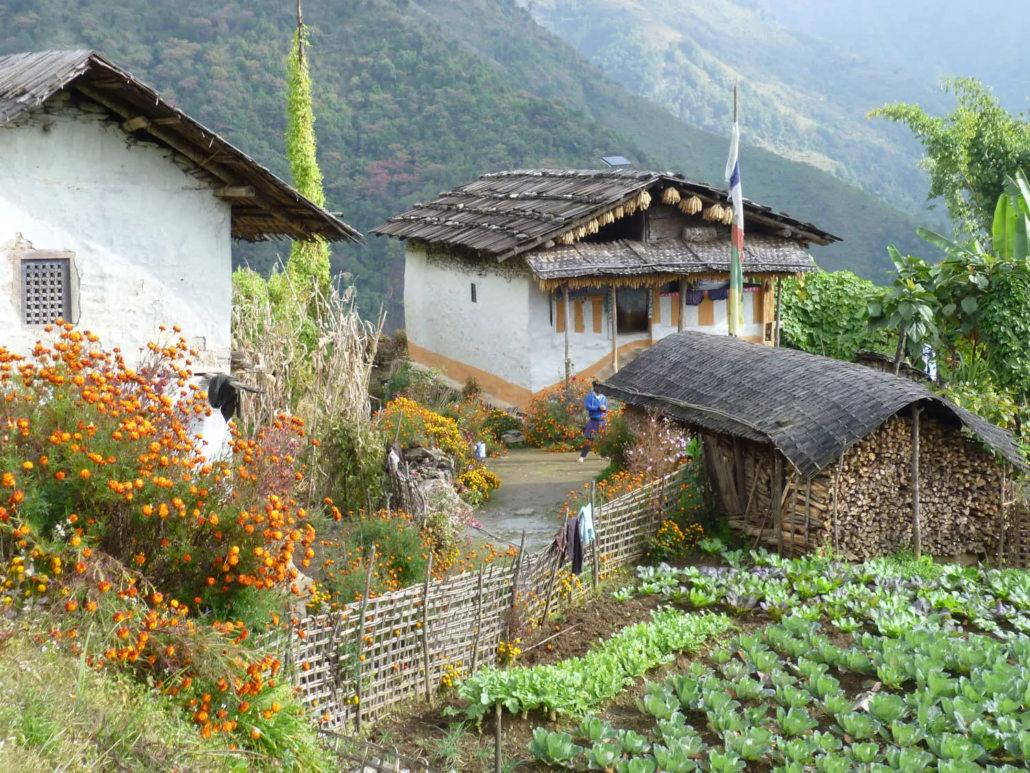
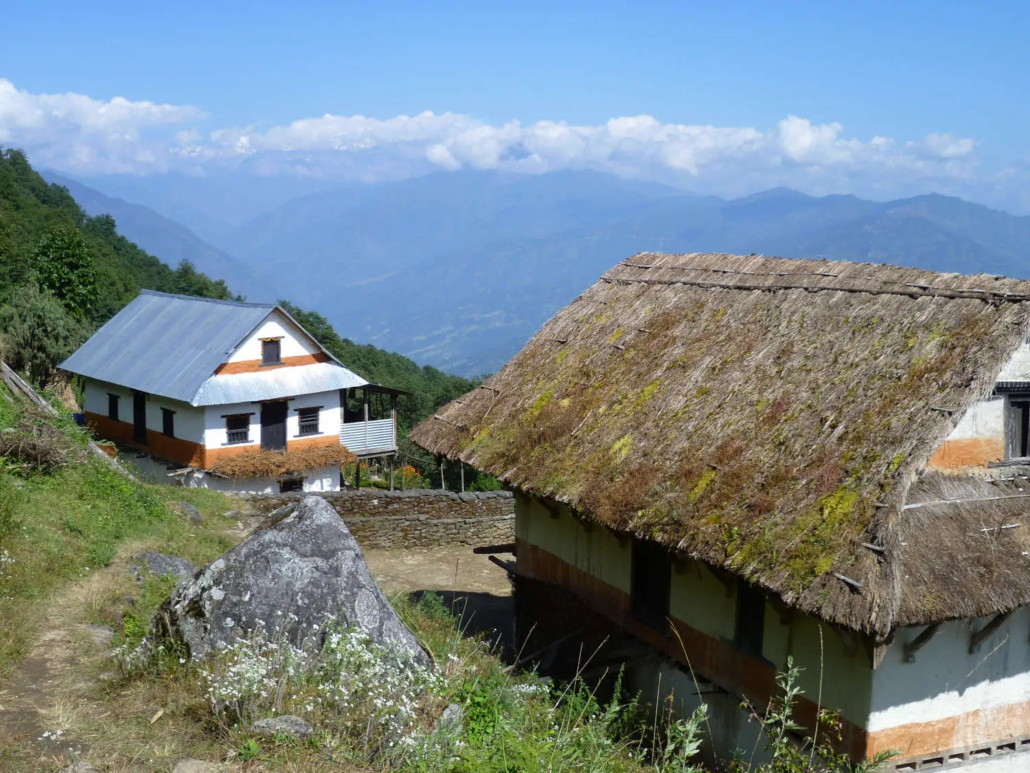
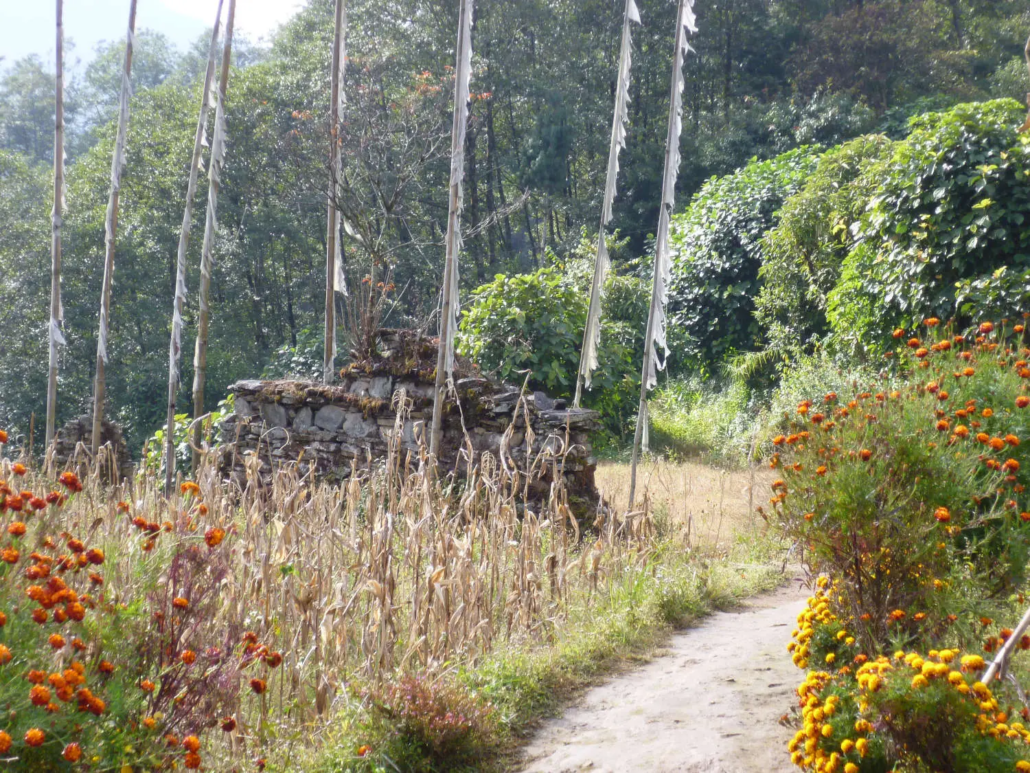
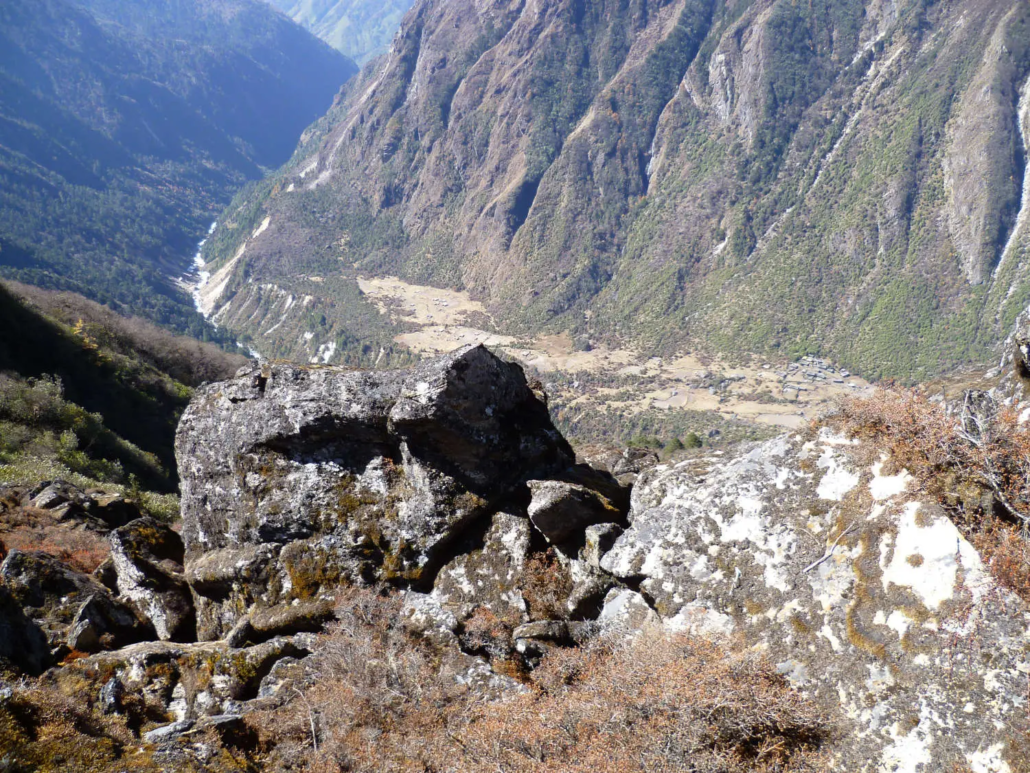
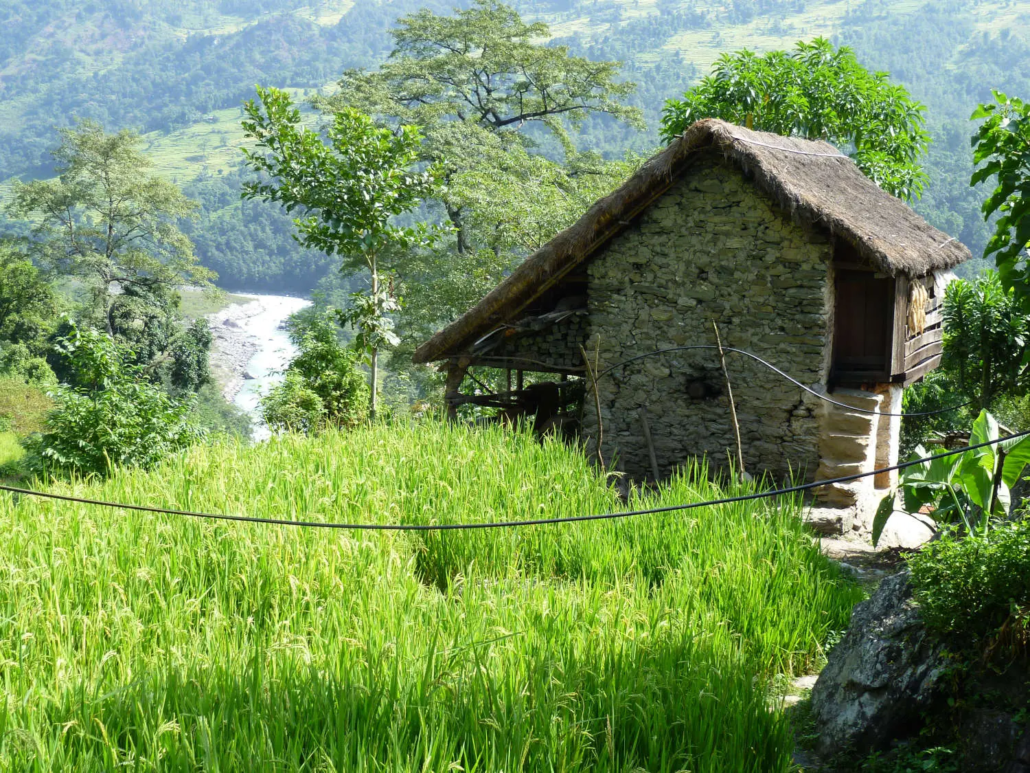
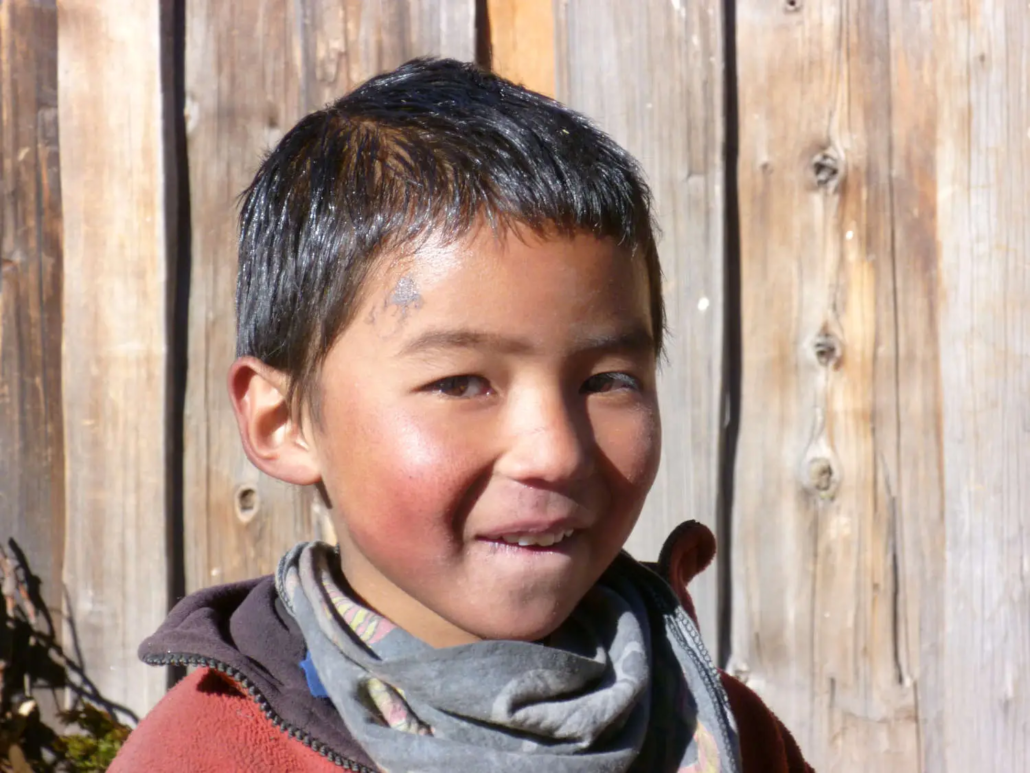
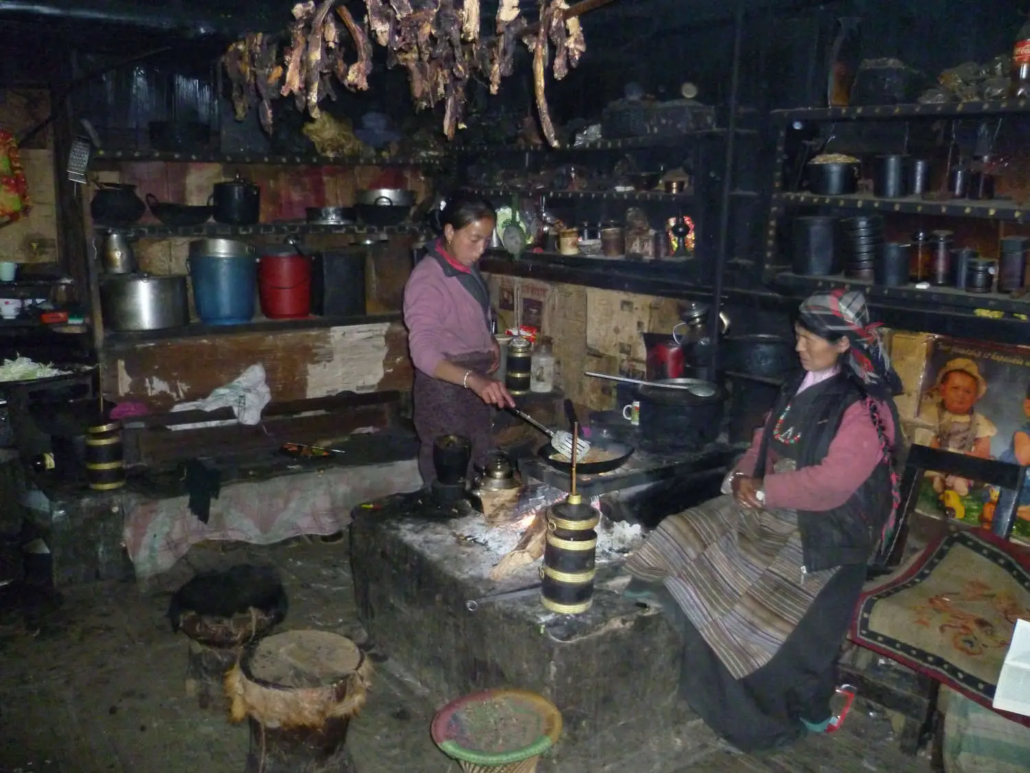
This is not a teahouse highway. Kanchenjunga receives fewer trekkers in a full season than Everest Base Camp receives in a single week. The route from Taplejung (2,420m) through the deep Limbu and Rai river valleys of eastern Nepal to the Tibetan Buddhist settlement of Ghunsa (3,595m) and on to Pangpema is culturally, geographically, and experientially unlike anything on the Khumbu or Annapurna circuits. The lower valleys are the ancestral homeland of the Limbu people — one of Nepal’s oldest ethnic groups, with a distinct language, animist-Buddhist tradition, and deeply rooted mountain culture that predates trekking tourism by centuries. The cultural immersion on this trek is as significant as the mountain scenery.
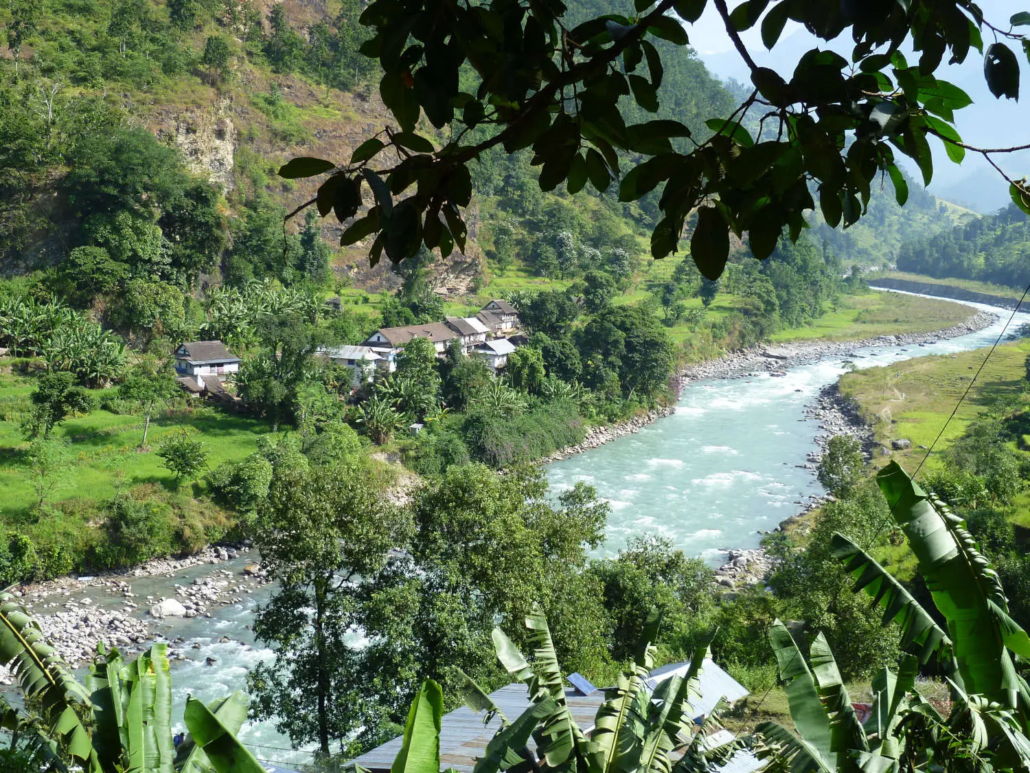
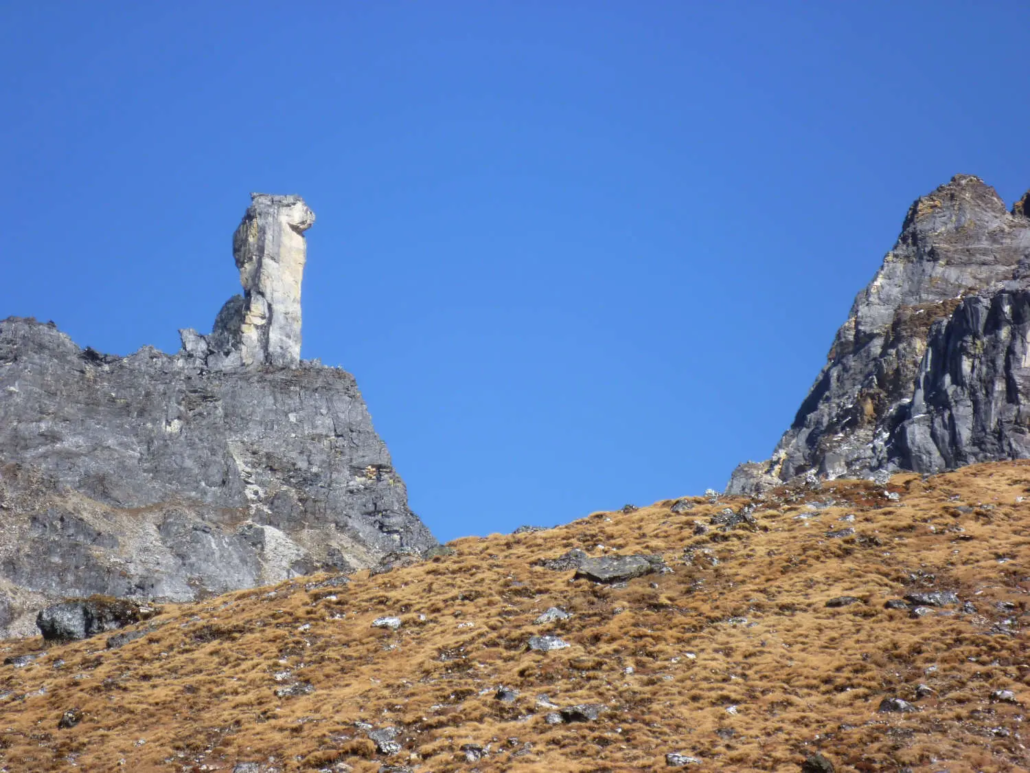
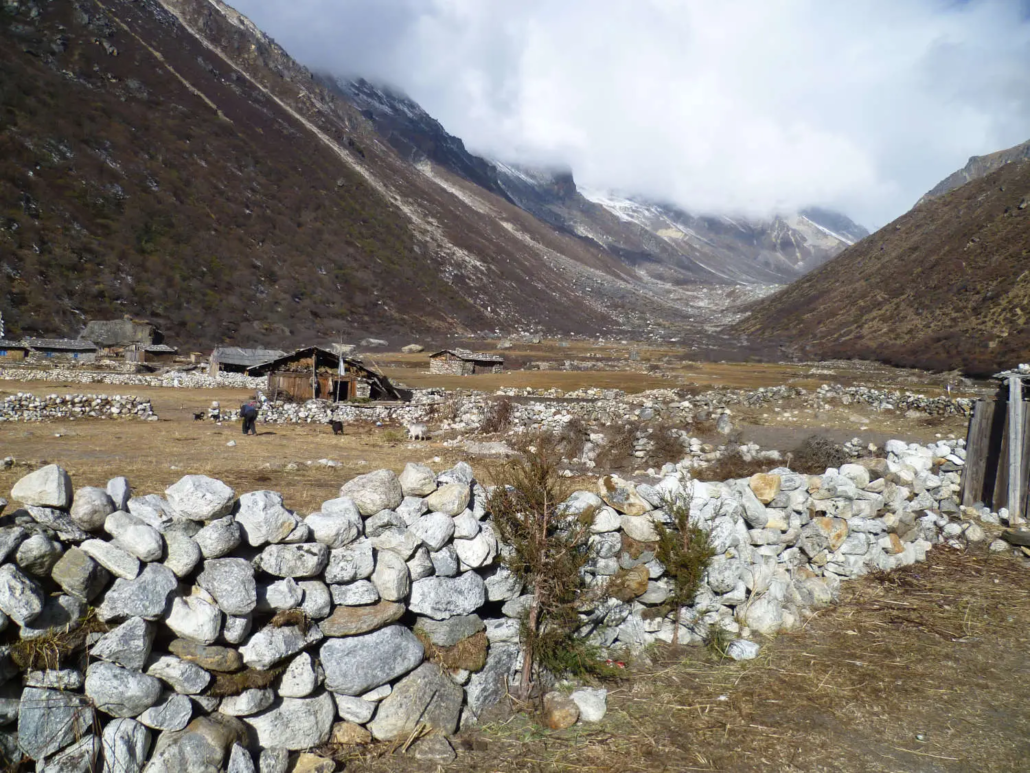
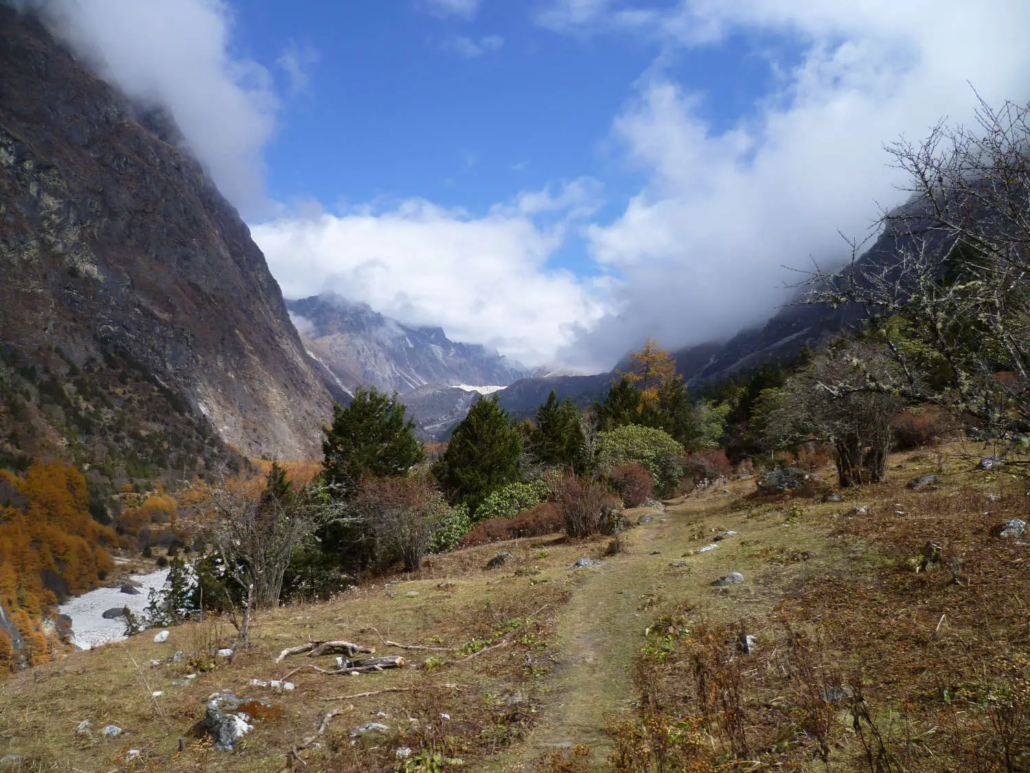
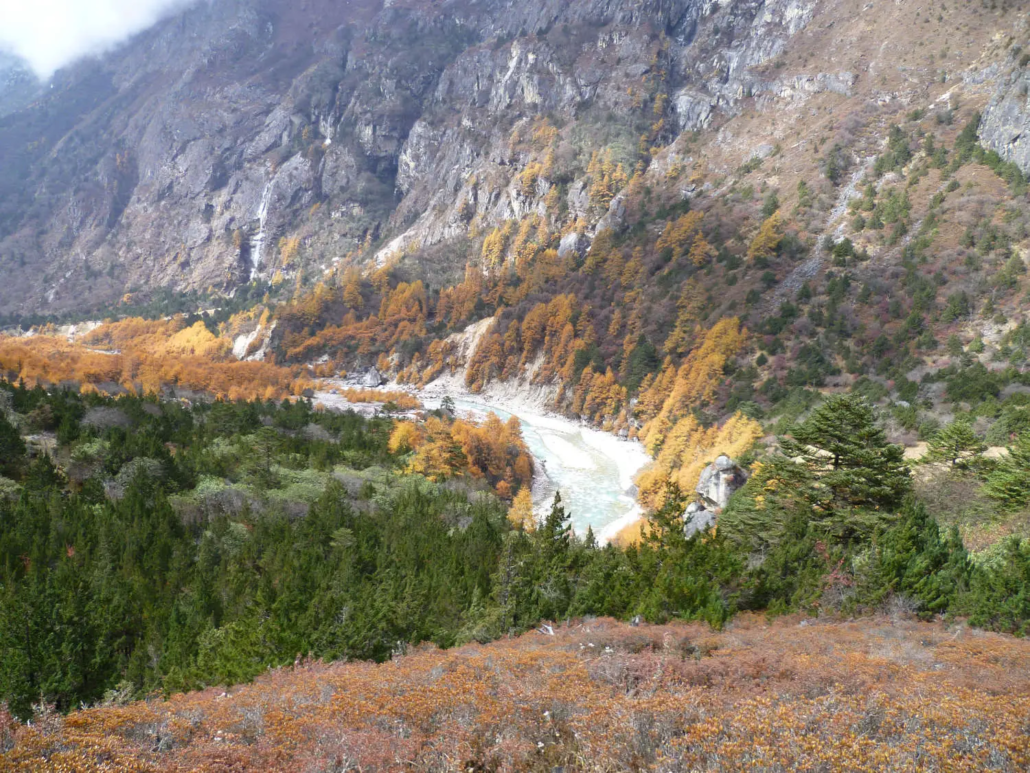
The route flies from Kathmandu to Suketar Airport (2,420m), above the market town of Taplejung in the far east of Nepal, then descends into the Tamor River valley before turning north up the Ghunsa Khola through Limbu villages, dense rhododendron forest, and increasingly remote terrain to Ghunsa — the last permanent settlement before the high glacier zone. Above Ghunsa, the valley transforms into a world of glacial moraine, yak pasture, and towering granite walls, culminating in the North Base Camp at Pangpema. A full rest day at base camp is built into the itinerary before the long return descent and the flight back to Kathmandu.
The route requires a Restricted Area Permit in addition to the Kanchenjunga Conservation Area Permit. Independent trekking is not permitted — a licensed guide is mandatory. Summit Routes provides a Limbu-speaking licensed guide and full porter team, and arranges all permits before departure. For trekkers who have completed EBC or Annapurna and are looking for something rawer, more remote, and genuinely less travelled, Kanchenjunga is the answer.
Important Notes
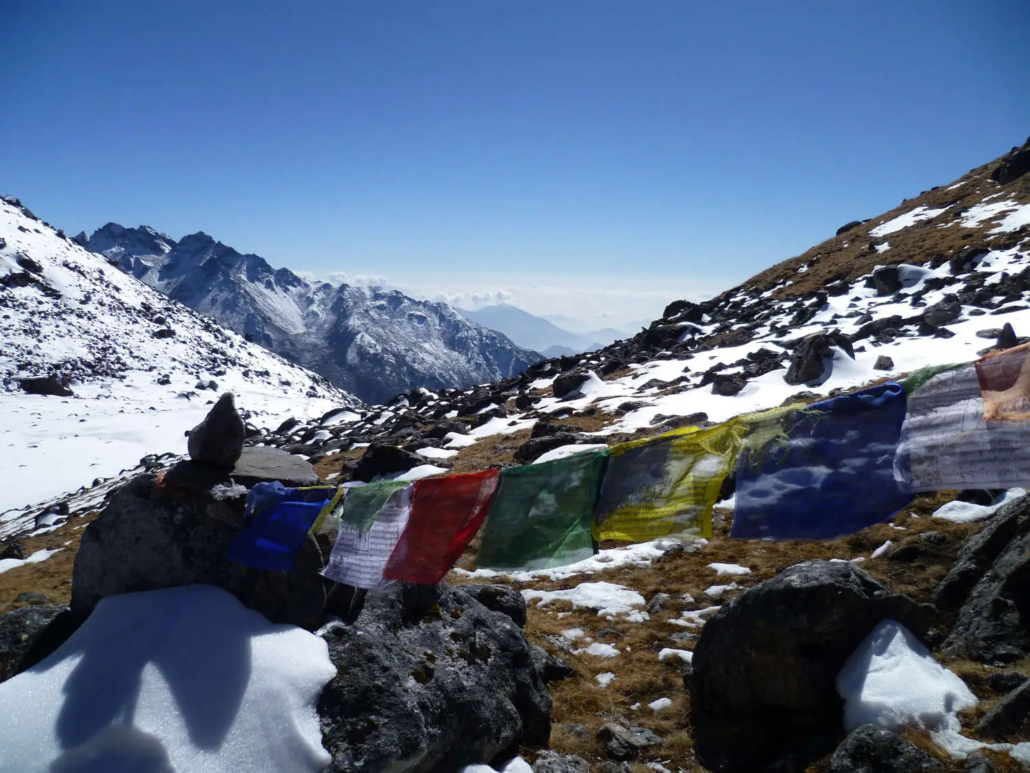
- Best Seasons: March–May (spring) and September–November (autumn). Spring brings rhododendron in extraordinary bloom across the mid-altitude forest sections between Gyabla and Ghunsa — the ridgelines between 2,500m and 3,600m are among the finest rhododendron environments in Nepal, with multiple species flowering simultaneously in April. Autumn offers the clearest mountain visibility and the most settled conditions for the high glacier sections above Kambachen, with October providing the sharpest views of the full Kanchenjunga massif from Pangpema.
- Trek Grade: Challenging — the combination of daily distances (up to 22 km on the return descent), sustained altitude above 4,000m for four consecutive nights, very remote terrain with limited evacuation options above Ghunsa, and genuinely basic accommodation conditions above Kambachen makes this the most demanding trek in the Summit Routes Nepal portfolio. No technical climbing is involved. Trekkers should have prior multi-day trekking experience above 4,000m before considering this route.
- Highest Point: Pangpema — Kanchenjunga North Base Camp (5,143m) on Day 11. Optional ridge hike above Pangpema to approximately 5,400m on Day 12 for fit trekkers at the guide’s assessment.
- Highest Night: Pangpema (5,143m) — two consecutive nights (Days 11 and 12).
- Restricted Area Permit: Kanchenjunga requires both a Restricted Area Permit (RAP) and a Kanchenjunga Conservation Area Permit (KCAP). Independent trekking without a licensed guide is not permitted under any circumstances. Summit Routes arranges both permits before departure. See our permits and visa guide for full details.
- Suketar Flight Note: Suketar Airport serves Taplejung and is weather-dependent — more so than Lukla. Morning flights only; afternoon winds regularly cause cancellations. A Day 17 overnight in Kathmandu is built in as a buffer before the international departure on Day 18. Trekkers with tight onward connections should discuss this with Summit Routes before booking.
- Accommodation: Mixed — hotels in Kathmandu and a local lodge in Taplejung; tea houses along the lower and mid-valley sections; basic tea house shelters or expedition tents at Lhonak and Pangpema. The gap between the best tea house on this route (Ghunsa) and the accommodation at Pangpema is significant. This is remote Nepal; conditions above Kambachen are wilderness standard.
- Fitness Standard: Must be comfortable trekking 10–22 km daily across multiple consecutive days with significant elevation gain and loss. The Day 15 return from Ghunsa to Sekathum (22 km, sustained descent) is the longest single day. Prior high-altitude trekking experience above 4,000m — ideally including nights above 4,500m — is strongly recommended before attempting this route.
- Altitude: The route spends four consecutive nights above 4,000m, including two nights at 5,143m. Altitude sickness is a serious and less manageable risk on this route than on Khumbu or Annapurna circuits, primarily because helicopter evacuation above Ghunsa is significantly more difficult and weather-dependent. Read our guide to altitude sickness in the Himalaya before booking.
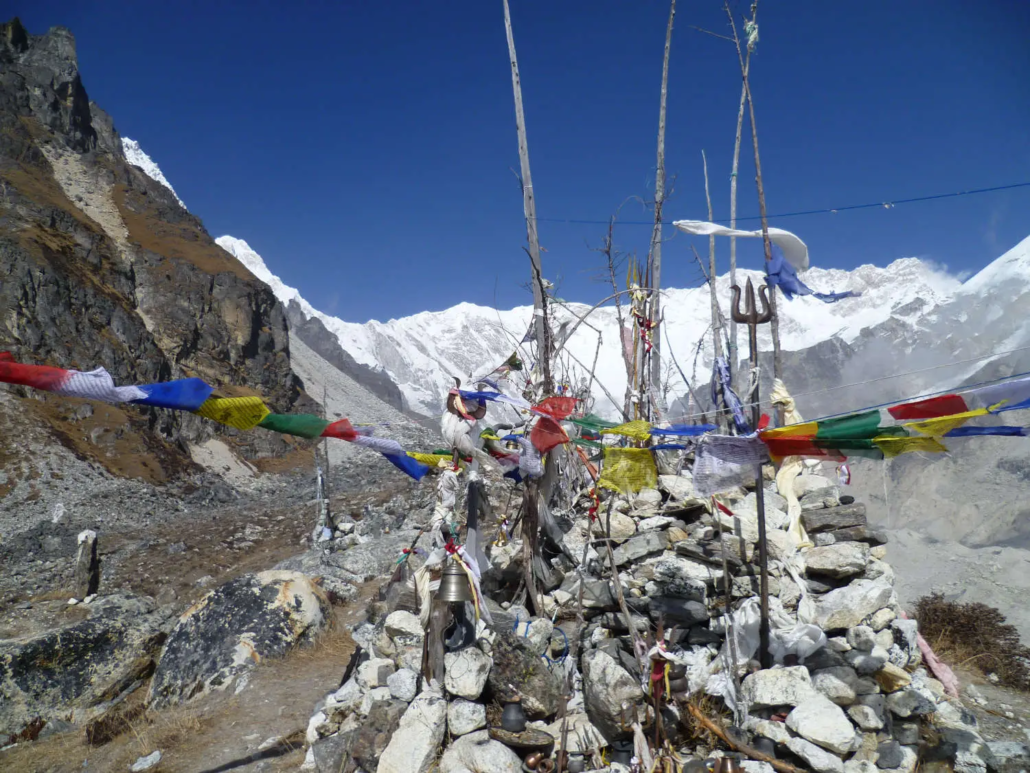
- Cultural Note: The lower Kanchenjunga valleys are the ancestral homeland of the Limbu and Rai peoples. Upper valley settlements above Ghunsa are Tibetan Buddhist communities with active monasteries. Trekkers are expected to dress respectfully, walk clockwise around all mani walls and chortens, ask before photographing people and religious sites, and behave with particular restraint within the Ghunsa gompa complex. This is a restricted area that has been protected from mass tourism; the responsibility that comes with that access is real.
Brief Itinerary
| Day 1 | Arrive Kathmandu (1,400m) — Orientation & Permit Preparation |
| Day 2 | Fly Kathmandu to Suketar / Taplejung (2,420m) |
| Day 3 | Trek Taplejung to Chirwa (1,270m) |
| Day 4 | Trek Chirwa to Sekathum (1,660m) |
| Day 5 | Trek Sekathum to Amjilassa (2,490m) |
| Day 6 | Trek Amjilassa to Gyabla (2,730m) |
| Day 7 | Trek Gyabla to Ghunsa (3,595m) |
| Day 8 | Acclimatisation Day at Ghunsa — Hike to Rampuk Kharka (4,200m) |
| Day 9 | Trek Ghunsa to Kambachen (4,050m) |
| Day 10 | Trek Kambachen to Lhonak (4,780m) |
| Day 11 | Trek to Pangpema — North Base Camp (5,143m) |
| Day 12 | Rest & Exploration at Pangpema — Yamatari Glacier |
| Day 13 | Trek Pangpema to Kambachen (4,050m) |
| Day 14 | Trek Kambachen to Ghunsa (3,595m) |
| Day 15 | Trek Ghunsa to Sekathum (1,660m) |
| Day 16 | Trek Sekathum to Taplejung / Suketar (2,420m) |
| Day 17 | Fly Suketar to Kathmandu — Overnight Kathmandu |
| Day 18 | Departure from Kathmandu |
Altitude Profile
Similar Treks

POON HILL TREK
Level: Easy | Duration: 8 Days | Best Time: Mar–May & Sep–Nov | Price: From $950
ANNAPURNA BASE CAMP
Level: Moderate | Duration: 12 Days | Best Time: Mar–May & Sep–Nov | Price: From $1350
LANGTANG TREK
Level: Moderate | Duration: 10 Days | Best Time: Mar–May & Sep–Nov | Price: From $995
GOKYO LAKES & RI TREK
Level: Moderate | Duration: 14 Days | Best Time: Mar–May & Sep–Nov | Price: From $1395