Gokyo Lakes & Ri Trek (14 Days) — Kathmandu to Kathmandu, Nepal
Gokyo Lakes & Ri Trek — Overview
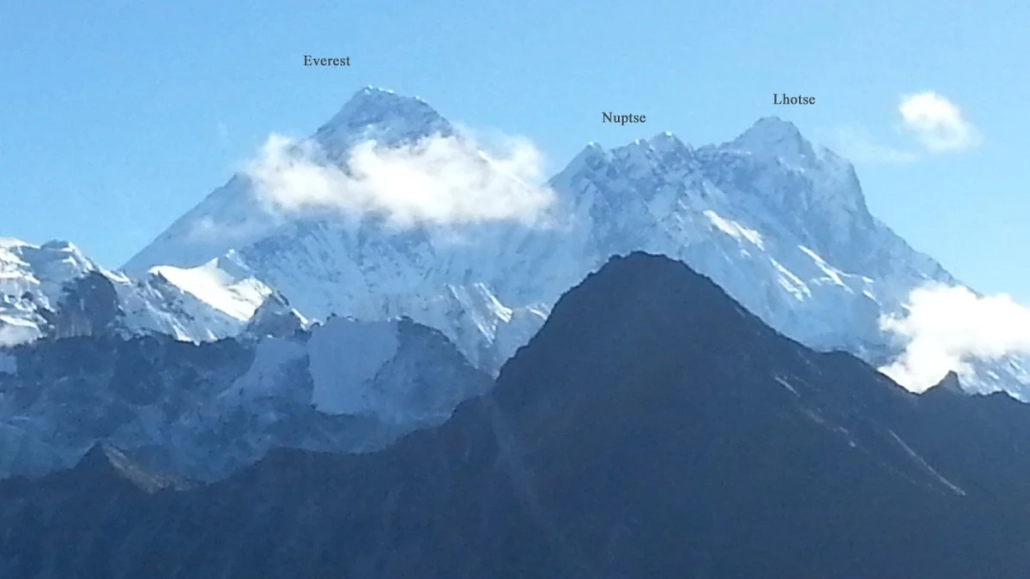
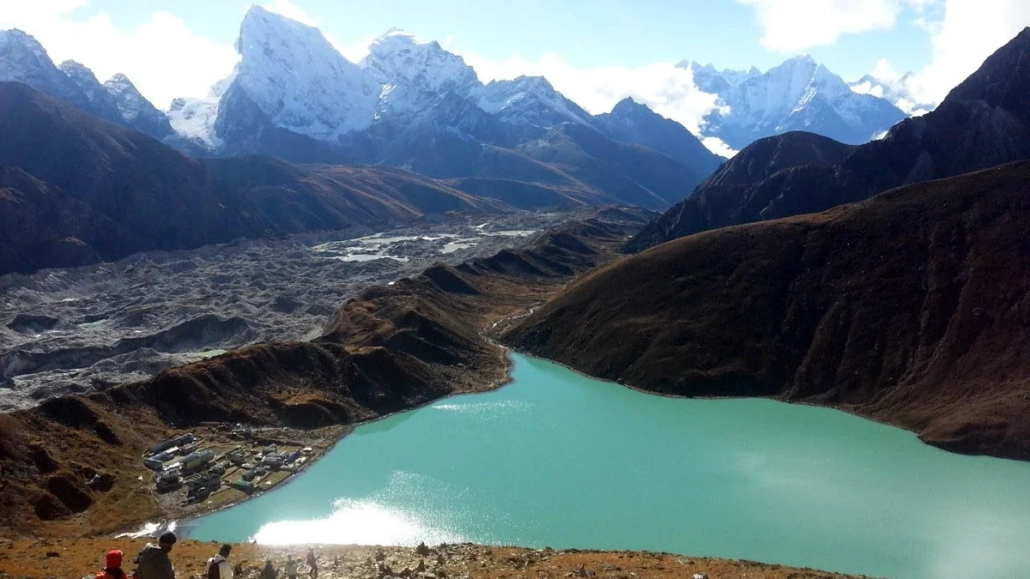
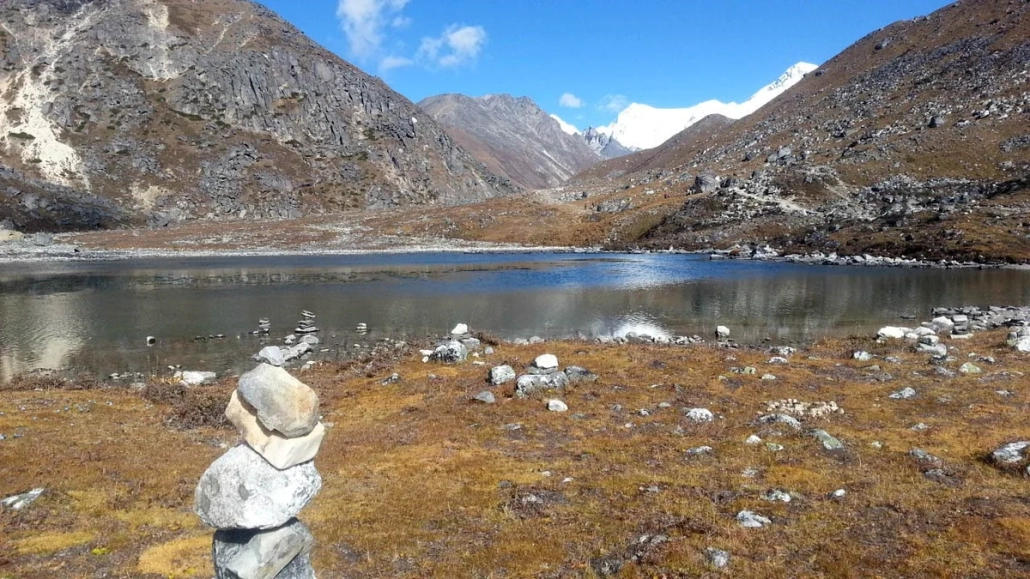
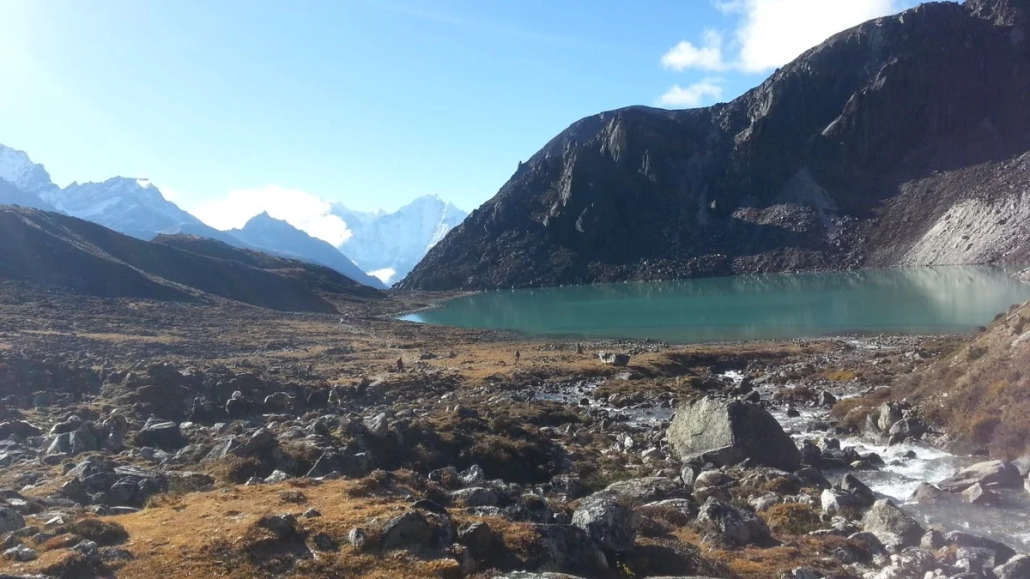
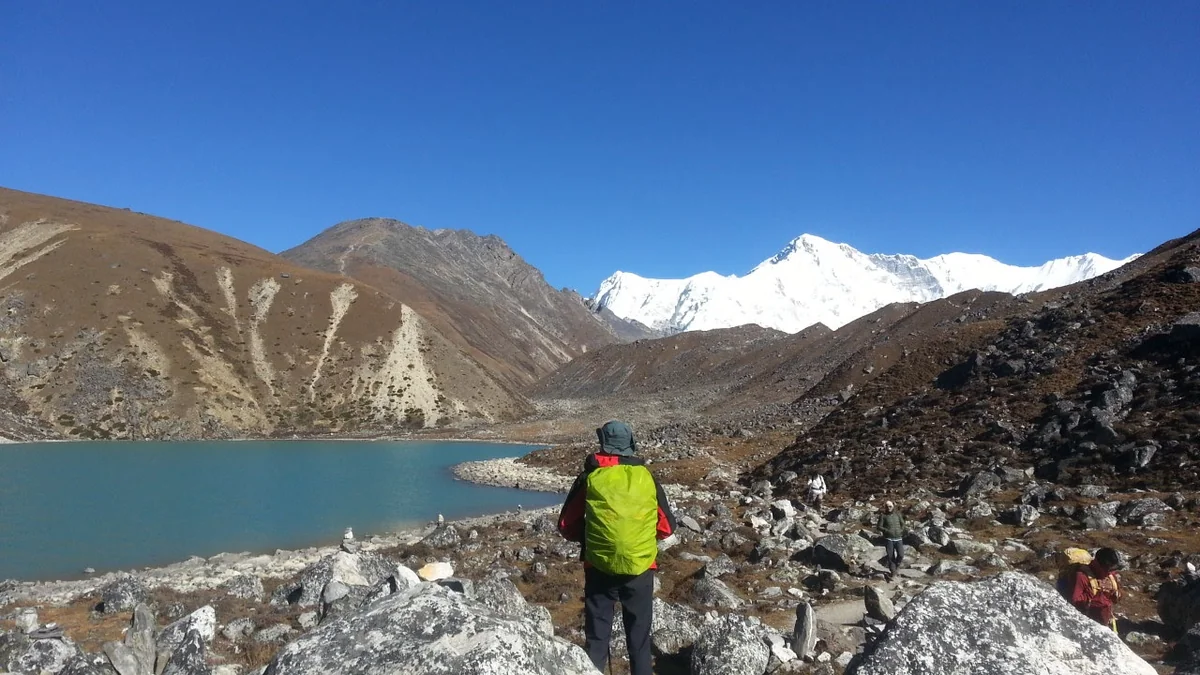
The Gokyo Lakes & Ri Trek is the finest alternative to Everest Base Camp in the Khumbu region — quieter on the trail, more dramatic at the viewpoint, and built around one of the most beautiful high-altitude lake landscapes anywhere in the Himalayan world. The route leads deep into the Gokyo Valley past a sacred chain of six turquoise glacial lakes between 4,700m and 5,000m, alongside the Ngozumpa Glacier — Nepal’s longest at over 36 kilometres — to the summit of Gokyo Ri (5,357m): a viewpoint that delivers a simultaneous panorama of four 8,000-metre peaks — Everest (8,848m), Lhotse (8,516m), Makalu (8,485m), and Cho Oyu (8,188m) — the 1st, 4th, 5th, and 6th highest mountains on earth in a single sunrise sweep.
Unlike Kala Patthar on the classic EBC route, Gokyo Ri delivers Everest unobstructed — a full profile of the mountain’s western shoulder rather than the restricted glimpse visible between Nuptse and Lhotse from the standard viewpoint. Many experienced Khumbu trekkers rate the Gokyo Ri sunrise as the single finest mountain view available on foot anywhere in Nepal. The lakes beneath the summit — their colour a deep, otherworldly turquoise produced by glacial flour in suspension — are equally arresting: sacred to local Sherpa communities, fished by yak herders, and visited on pilgrimage circuits that predate trekking tourism by centuries.
The 14-day itinerary flies from Kathmandu to Lukla (2,840m), then follows the classic Dudh Koshi approach through Phakding and the horseshoe Sherpa town of Namche Bazaar (3,446m) before diverging west from the EBC corridor at Sanasa. From there the route enters the progressively quieter Gokyo Valley through Dole (4,200m), Machhermo (4,470m), and the chain of glacial lakes to Gokyo village (4,790m), where two nights allow full acclimatisation before the pre-dawn summit push to Gokyo Ri (5,357m). The return descends the same valley to Namche and Lukla, with a dedicated buffer day in Kathmandu to absorb any weather-related Lukla delays.
This is a tea-house trek throughout — established lodge guesthouses at each overnight point, with meals provided on site. No camping equipment is required. The Gokyo Valley sees meaningfully fewer trekkers than the Everest Base Camp corridor, and the landscape above Dole — open glacial terrain, yak pastures, and the otherworldly blue of the lakes — is among the most pristine in Sagarmatha National Park.
Weighing up Gokyo against Everest Base Camp? Read our detailed trek comparison guide. Want the full cost breakdown before enquiring? See our Himalaya trekking cost guide.
Important Notes
- Best Seasons: March–May (spring) and September–November (autumn). Autumn delivers the sharpest Himalayan visibility — October is the peak month for the Gokyo Ri sunrise, with the clearest post-monsoon air and settled weather windows above 5,000m. Spring brings rhododendron bloom on the lower approach and softer light for photography, though late-season snowfall above Machhermo is more common in April than in October.
- Trek Grade: Moderate to Challenging — the route is longer and reaches greater altitude than Annapurna Base Camp. Daily distances are manageable but the sustained altitude above 4,200m across five consecutive nights, combined with the 600m pre-dawn ascent of Gokyo Ri on Day 9, places this a step above a standard moderate trek. No technical climbing is involved at any point. Good aerobic fitness and prior multi-day trekking experience are strongly recommended.
- Highest Point: Gokyo Ri summit (5,357m) on Day 9 — a non-technical but steep ascent above the highest overnight camp on the route.
- Highest Night: Gokyo village (4,790m) — two consecutive nights, which is the built-in acclimatisation strategy before the Ri summit attempt.
- Lukla Flight Note: During peak spring and autumn seasons (roughly March–May and September–November), Lukla flights depart from Manthali Airport (Ramechhap) — approximately 4 hours’ drive from Kathmandu. An early-morning departure from Kathmandu (typically 2:00–3:00am) is required on flight days. This is industry-standard practice and will be briefed in full on arrival in Kathmandu. A Day 13 weather buffer is built into this itinerary specifically for Lukla flight delays — international onward flights should not be booked before Day 14.
- Nepal Entry Requirements: All trekkers in the Khumbu require a Sagarmatha National Park Entry Permit, a Pasang Lhamu Rural Municipality Entrance Permit, and a TIMS Card. Summit Routes arranges all three permits on your behalf before the trek departs from Kathmandu. See our permits and visa guide for full details.
- Accommodation: Entirely tea-house based — established lodge guesthouses from Phakding through to Lukla, with meals, basic shower facilities, and electricity available at most stops. Above Machhermo, conditions become more basic. No personal camping equipment is required; a sleeping bag rated to at least -10°C is essential from Gokyo onward.
- Fitness Standard: Must be comfortable trekking 10–19 km daily across multiple consecutive days with moderate to significant elevation gain. The Day 9 summit push (600m gain at altitude before dawn) and the long return day from Gokyo to Namche (Day 10, ~17 km) are the most demanding sections. Prior high-altitude trekking experience above 3,500m is a significant advantage on this route.
- Altitude: The route spends five consecutive nights above 4,200m and reaches 5,357m at Gokyo Ri. Two structured acclimatisation days — at Namche (Day 4) and at Gokyo (Day 8) — are built into the itinerary. Read our guide to altitude sickness in the Himalaya before departure.
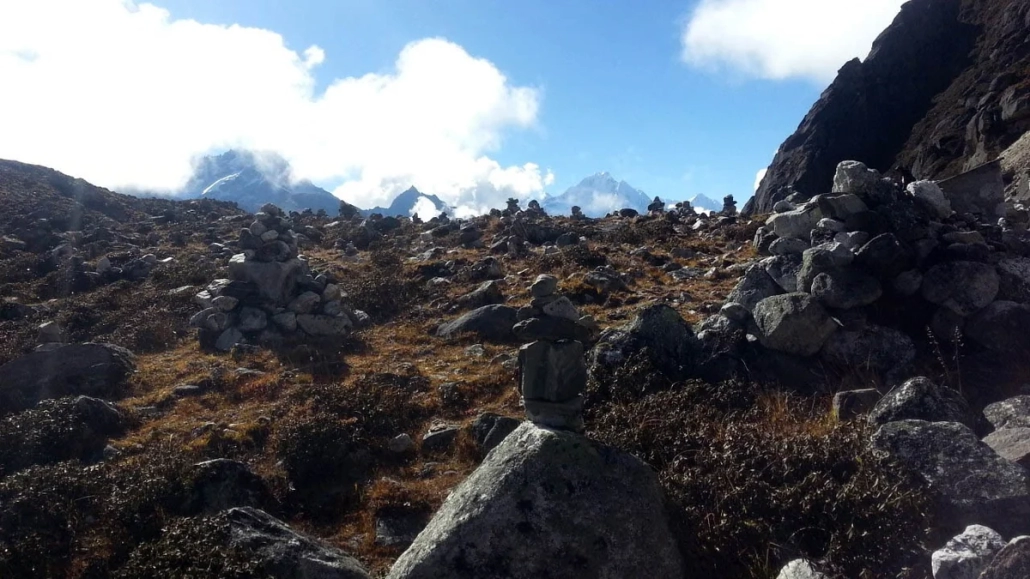
- Cultural Note: The Gokyo Valley lies within the homeland of the Sherpa people, whose culture, Buddhism, and intimate knowledge of the Himalayan environment define every aspect of the trekking experience here. The lakes themselves are sacred — offerings are made at their shores on auspicious dates. Trekkers are welcome but expected to behave respectfully at monasteries and chortens, to walk clockwise around all mani walls and stupas, and to follow guide instructions at religious sites.
Brief Itinerary
| Day 1 | Arrive Kathmandu (1,400m) — Orientation & Permit Preparation |
| Day 2 | Fly to Lukla (2,840m) — Trek to Phakding (2,610m) |
| Day 3 | Trek Phakding to Namche Bazaar (3,446m) |
| Day 4 | Acclimatisation Day — Namche / Everest View Hotel (3,880m) |
| Day 5 | Trek Namche to Dole (4,200m) via Mong La Ridge |
| Day 6 | Trek Dole to Machhermo (4,470m) |
| Day 7 | Trek Machhermo to Gokyo (4,790m) — 1st, 2nd & 3rd Lakes |
| Day 8 | Acclimatisation Day — Hike to 4th & 5th Lakes (4,990m) |
| Day 9 | Summit Gokyo Ri (5,357m) — Return to Gokyo |
| Day 10 | Trek Gokyo to Namche Bazaar (3,446m) |
| Day 11 | Trek Namche Bazaar to Lukla (2,840m) |
| Day 12 | Fly Lukla to Kathmandu — Transfer to Hotel |
| Day 13 | Buffer Day / Kathmandu Sightseeing |
| Day 14 | Departure from Kathmandu |
Altitude Profile
Gokyo Lakes & Ri Trek — 14-Day Itinerary (Kathmandu to Kathmandu)
Route: Kathmandu — Lukla — Phakding — Namche Bazaar — Dole — Machhermo — Gokyo — Gokyo Ri — Namche — Lukla — Kathmandu
Day 1: Arrive Kathmandu (1,400m) — Orientation & Permit Preparation
- Arrive at Tribhuvan International Airport (KTM) and private transfer to hotel in Thamel.
- Afternoon reserved for permit processing — your guide will coordinate the Sagarmatha National Park Entry Permit, Pasang Lhamu Rural Municipality Entrance Permit, and TIMS Card. All three are required before the trek departs Lukla.
- Lukla flight logistics briefed in full — if your departure falls in peak season (October in particular), the early-morning Manthali transfer is confirmed here. A 2:00–3:00am departure from your hotel is not unusual; this will be planned and arranged in advance.
- Evening trek briefing: 14-day route overview, altitude profile, acclimatisation strategy, tea-house logistics, Gokyo Ri summit protocol, and what to expect above 4,500m on Days 8–9.
- Optional evening walk around Thamel for last-minute gear, currency exchange, or a meal.
- Overnight: Hotel Amaryllis or similar, Kathmandu
- Meals: Dinner
Day 2: Fly to Lukla (2,840m) — Trek to Phakding (2,610m)
Flight: ~30–35 minutes | Trek: ~8 km | 3–4 hours
- Morning departure for Lukla (2,840m) — the Tenzing-Hillary Airport approach, on a 527m runway with a 12% gradient cut into a cliff face at altitude, is one of the world's most dramatic landings. Composure returns quickly once boots hit the trail.
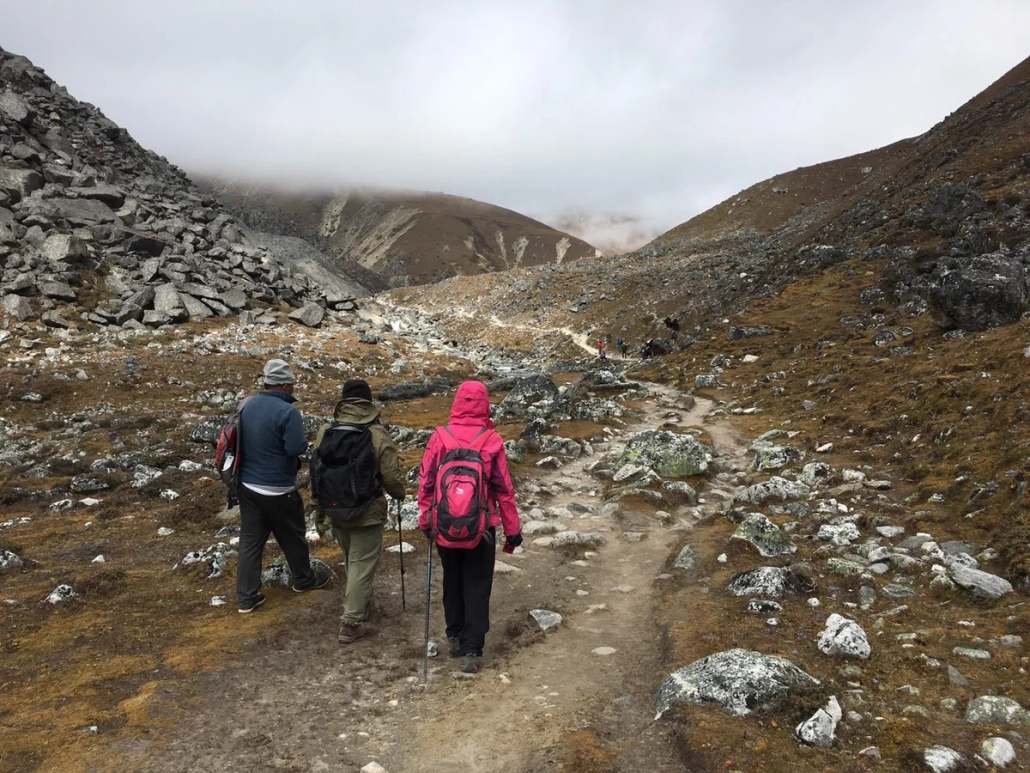
- The trek from Lukla descends gently along the Dudh Koshi River through blue pine and rhododendron forest, crossing the first of the Khumbu's many suspension bridges draped with prayer flags. The pace is deliberately easy — the first day in the Khumbu is about settling in, not covering ground.
- Phakding (2,610m) is a pleasant riverside village with well-established teahouses, a consistent hot meal, and the particular atmosphere that comes from knowing the mountains are now genuinely close. The sound of the Dudh Koshi running below the lodges is the background for the first night.
- Overnight: Tea house, Phakding (2,610m)
- Meals: Breakfast, Lunch, Dinner
Day 3: Trek Phakding to Namche Bazaar (3,446m)
Trek: ~11 km | 5–6 hours | Altitude gain: ~836m
- The classic Khumbu approach — climbing through Monjo and the national park gate at Jorsalle, crossing the dramatic Hillary Suspension Bridge (3,420m) high above the Dudh Koshi gorge, and grinding up the long, steep final climb to Namche. The climb from the bridge to Namche gains 400m in under an hour — the first real test of how the body handles Khumbu altitude.
- The Hillary Bridge crossing delivers the first view of Everest — a triangular white peak appearing in a gap above the Lhotse-Nuptse wall. Every trekker stops here without exception.
- Namche Bazaar (3,446m) — the Khumbu's commercial and cultural heart — is a horseshoe-shaped Sherpa town of bakeries, gear shops, wifi cafés, and teahouses stepping up a steep amphitheatre hillside below the police checkpoint. Arrive, eat well, and sleep early: tomorrow is a mandatory rest day.
- Overnight: Tea house, Namche Bazaar (3,446m)
- Meals: Breakfast, Lunch, Dinner
Day 4: Acclimatisation Day in Namche — Hike to Everest View Hotel (3,880m)
Acclimatisation hike: ~4 km return | 2–3 hours
- A mandatory rest day — the body needs a full 24 hours at 3,446m before ascending further into the Khumbu. The standard recommendation is to sleep at your current altitude, hike higher during the day, and return to sleep lower: today achieves exactly this.
- Morning acclimatisation hike to the Everest View Hotel (3,880m) — the world's highest-altitude hotel, with a wide terrace and unobstructed views of Everest, Lhotse, Ama Dablam (6,812m), and Thamserku (6,608m). One of the finest viewpoints reachable in a two-hour walk from anywhere in Nepal. The Everest sight-line from the hotel terrace remains one of the clearest available without climbing above 5,000m.
- Optional extension to Khumjung village — home of the Hillary-built school, one of the Khumbu's most authentic Sherpa communities, and a monastery that houses what is locally claimed to be a yeti skull. The village is a short traverse from the hotel and well worth the additional hour.
- Afternoon free in Namche — browse the Saturday market if timing allows, visit the Sherpa Culture Museum, or use the best wifi connection available on the entire route to catch up with home before the upper valley.
- Overnight: Tea house, Namche Bazaar (3,446m)
- Meals: Breakfast, Lunch, Dinner
Day 5: Trek Namche to Dole (4,200m) via Mong La Ridge
Trek: ~10 km | 5–6 hours | Altitude gain: ~754m
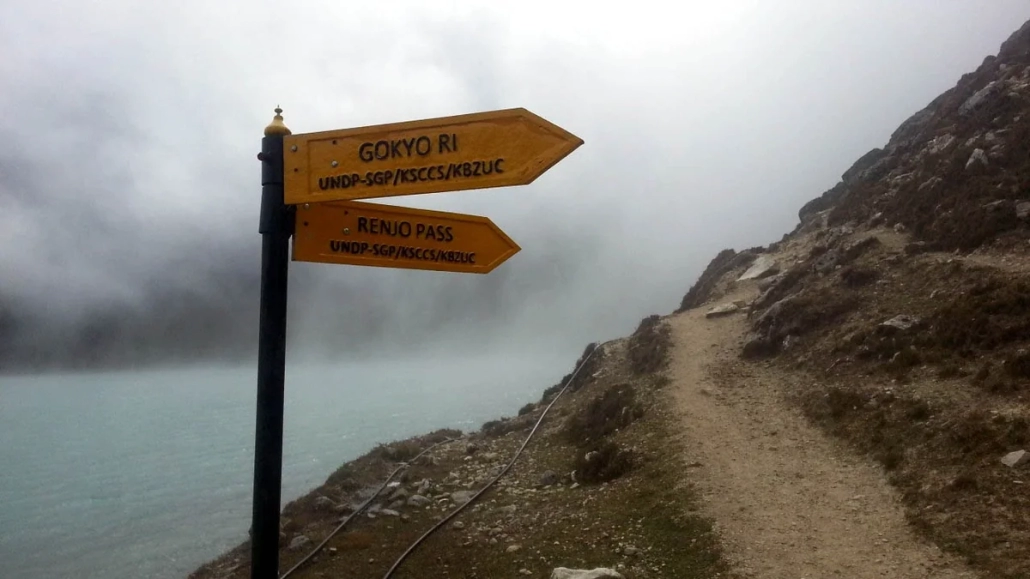
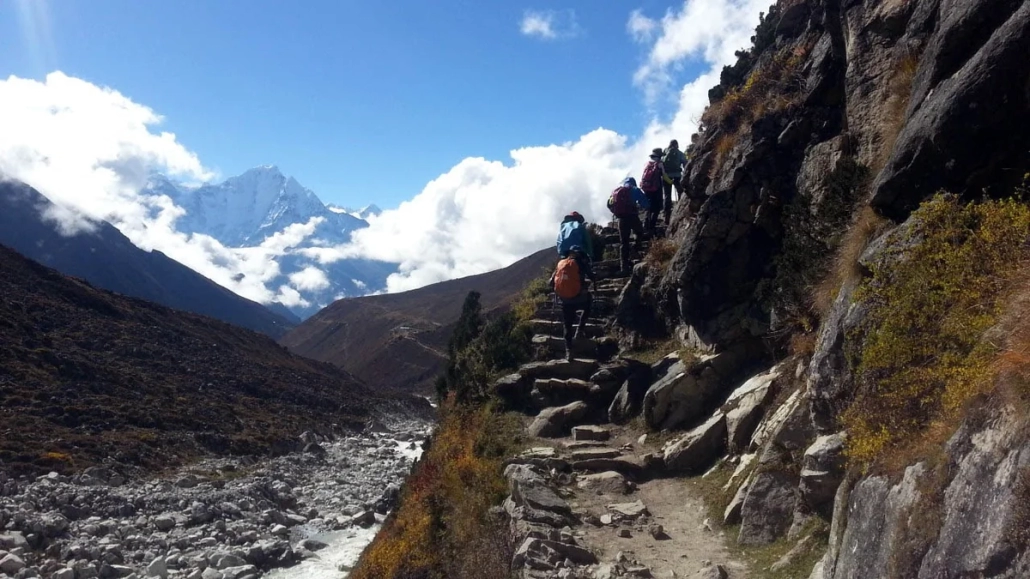
- Here the Gokyo route diverges from the Everest Base Camp trail. From the junction at Sanasa, the path climbs steeply to the Mong La ridge (3,973m) — the first sustained test of acclimatisation — then drops to Phortse Thanga before the long climb through the upper valley to Dole.
- The divergence from the EBC corridor is immediately felt: the Gokyo Valley is quieter, greener, and more open. Yaks outnumber other trekkers on most days between here and Gokyo; the trail has the character of a genuine mountain wilderness rather than a managed trekking highway. Cho Oyu (8,188m) appears on the northern horizon for the first time from the upper sections of the Mong La climb.
- Dole (4,200m) is a small cluster of teahouses at the treeline — the last point at which rhododendron and juniper provide meaningful shelter. Above here the valley opens into high alpine terrain. The atmosphere changes noticeably at Dole: colder, quieter, and more remote.
- Overnight: Tea house, Dole (4,200m)
- Meals: Breakfast, Lunch, Dinner
Day 6: Trek Dole to Machhermo (4,470m)
Trek: ~7 km | 4–5 hours | Altitude gain: ~270m
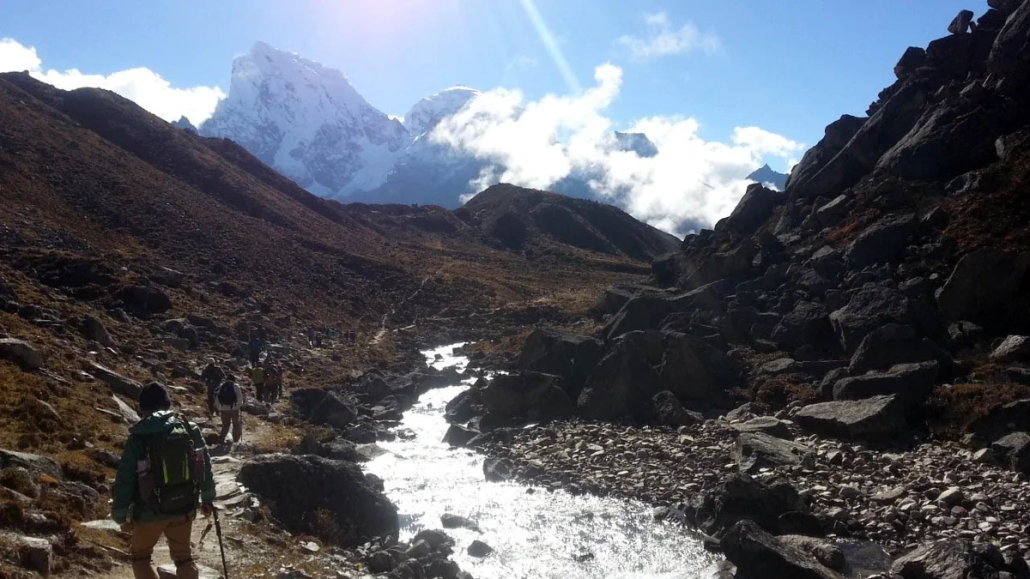
- A deliberately short and gentle day — the altitude gain is modest but the body is working significantly harder above 4,000m than the distances suggest. The trail passes through the small settlement of Lhabarma and the hamlet of Luza through open alpine meadow, with the valley walls rising steeply on both sides and yak herds grazing on the wide grass slopes above the trail.
- The treeline is now well below. The landscape is vast, open, and increasingly austere — short-cropped grass, rocky moraine, and the first permanent snowfields visible on the high ridges above. Cho Oyu's western flank fills the head of the valley with impressive scale.
- Machhermo (4,470m) is the designated acclimatisation checkpoint on the Gokyo route and the gateway to the glacial lake terrain above. Stay well hydrated on arrival, avoid exertion after reaching camp, and eat a full dinner. A mild headache on arrival at Machhermo is common and generally resolves with rest and hydration; anything beyond mild should be reported to your guide immediately.
- Overnight: Tea house, Machhermo (4,470m)
- Meals: Breakfast, Lunch, Dinner
Day 7: Trek Machhermo to Gokyo (4,790m) — 1st, 2nd & 3rd Lakes
Trek: ~10 km | 4–5 hours | Altitude gain: ~320m
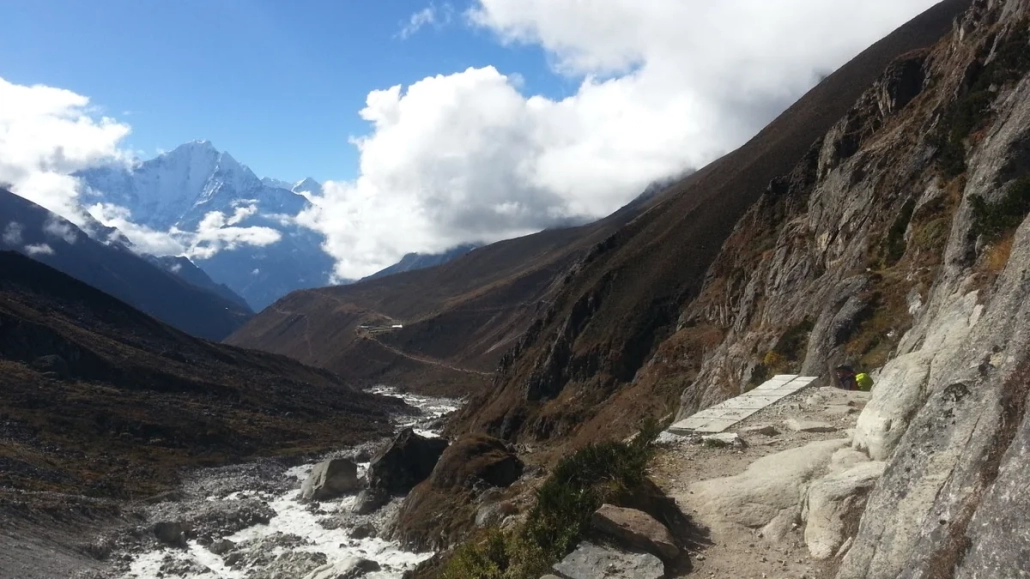
- The valley narrows above Machhermo and the Ngozumpa Glacier — Nepal's longest at over 36 kilometres — fills the eastern horizon, a vast grey-and-white river of ice stretching toward Cho Oyu's base camps. The glacier's lateral moraine defines the eastern wall of the trail for the rest of the route; the ice is close enough to examine in detail from the path.
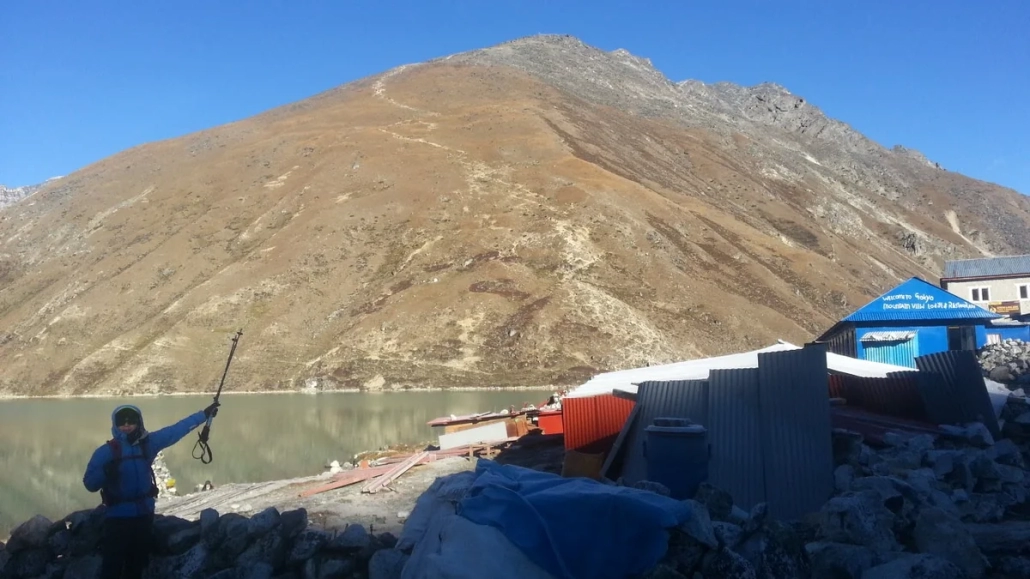
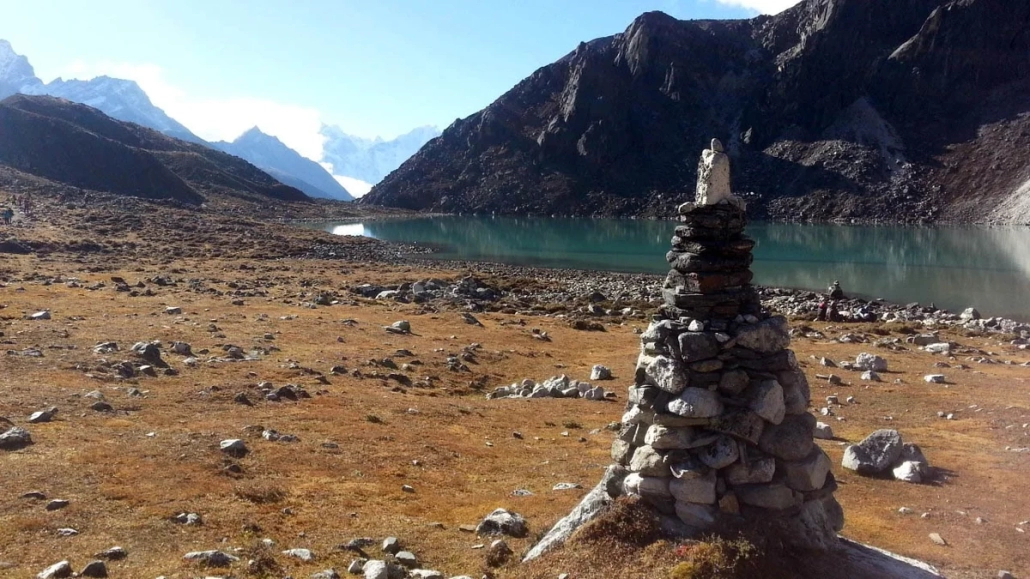
- Cross a small bridge over the outlet stream of the first lake (Longponga Tsho, 4,690m), then the second lake (Taboche Tsho), before arriving at Gokyo village beside the third and largest lake — Dudh Pokhari (4,790m). The colour of the water — a deep, opaque turquoise produced by glacial flour suspended in the melt — is unlike anything most trekkers will have encountered. Sacred to local Sherpa pilgrims, the lake has a quality of stillness that is hard to articulate and easy to feel.
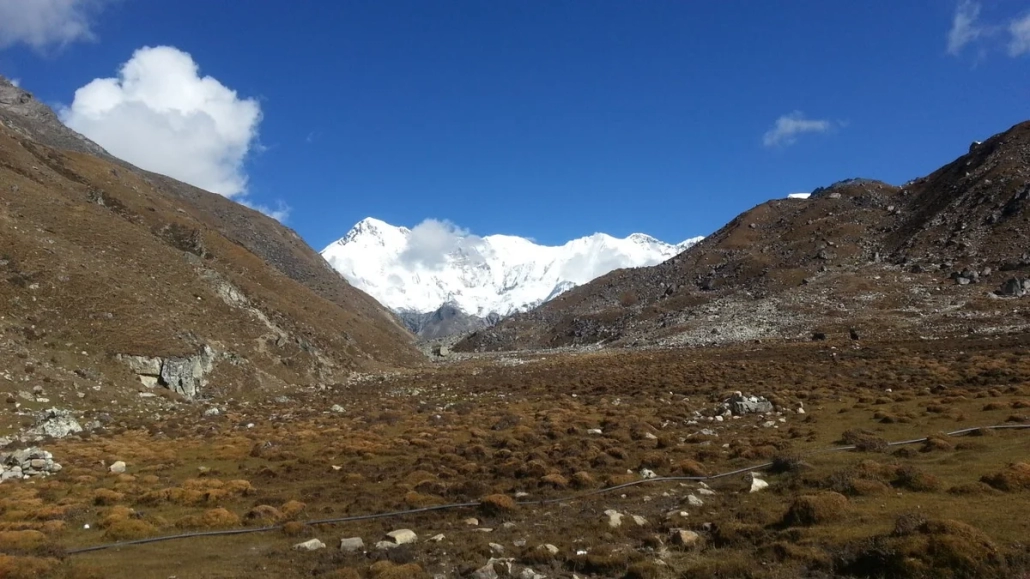
- Cho Oyu's full face dominates the head of the valley at close range. Gokyo Ri rises steeply to the west. The setting of Gokyo — glacial lake in the foreground, 8,000m peak at the back — is one of the great natural compositions in the Himalayan world.
- Afternoon free: explore the lakeshore, walk to the edge of the Ngozumpa Glacier moraine, or simply sit and allow the scale of the surroundings to land properly. Early dinner and an early night before tomorrow's acclimatisation hike.
- Overnight: Tea house, Gokyo (4,790m)
- Meals: Breakfast, Lunch, Dinner
Day 8: Acclimatisation Day — Hike to 4th & 5th Lakes (4,990m)
Acclimatisation hike: ~14 km return | 5–6 hours
- A full day at Gokyo before the Ri summit attempt. The body needs 24 hours at 4,790m before pushing to 5,357m the following morning — this is not a discretionary rest day. The acclimatisation hike north along the glacier moraine is simultaneously one of the most spectacular walks of the entire trek.
- The trail passes the 4th lake (Thonak Tsho, 4,830m) before reaching the 5th lake (Ngozumpa Tsho, 4,990m) — the highest in the chain. From the northern shore of the 5th lake, the view of Everest's west face is considered by many experienced Khumbu trekkers to surpass Kala Patthar for unobstructed sight-lines to the summit. Cho Oyu's full south face is visible at close range; the Ngozumpa Glacier stretches below in both directions.
- Fit trekkers can continue a further 1.5 hours to the 6th lake (Himalaya Tsho) — the most remote in the chain, rarely visited, and reached by a demanding route across the moraine. Cho Oyu looms at extreme close range from the 6th lake basin.
- Return to Gokyo. Early dinner at 6:00pm, strict 8:00pm lights out. Tomorrow's start is pre-dawn — the alarm is set for 4:30am.
- Overnight: Tea house, Gokyo (4,790m)
- Meals: Breakfast, Lunch, Dinner
Day 9: Summit Gokyo Ri (5,357m) — Return to Gokyo
Trek: ~6 km return | 4–6 hours total
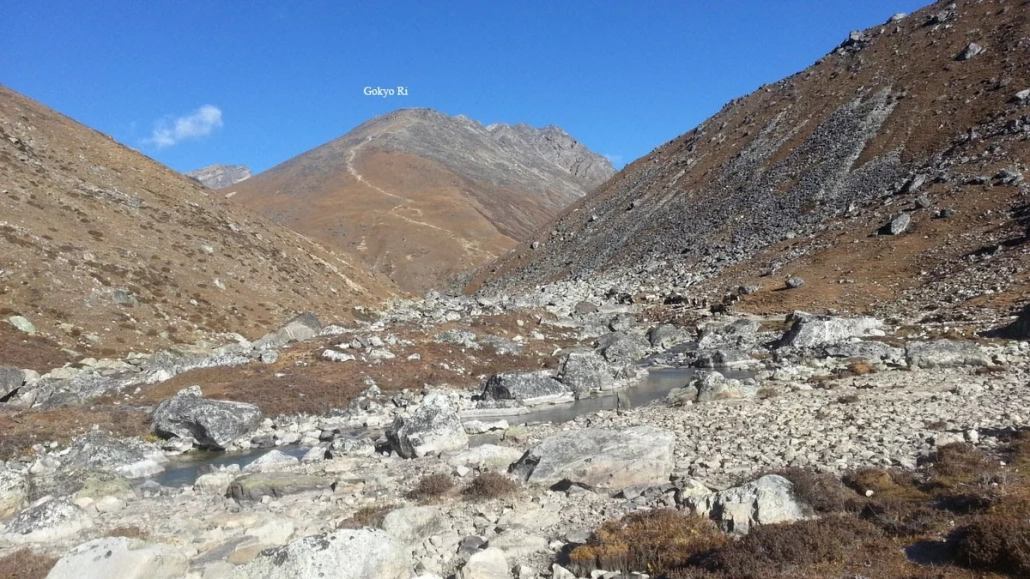
- Depart 5:00–5:30am by headlamp for the pre-dawn summit push. The ascent gains approximately 600m over 1.5–2 hours — steep, rocky, and demanding at altitude, but entirely non-technical throughout. The trail is a clear path up the western shoulder of the ridge; there are no exposed sections or scrambling required. Trekking poles are essential and the pace is slow and deliberate from the first step.
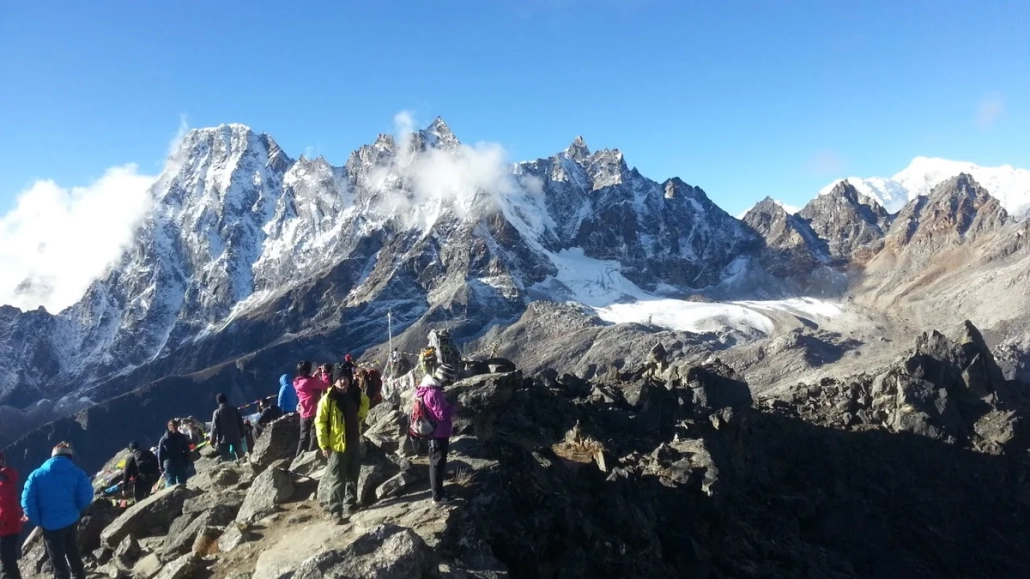
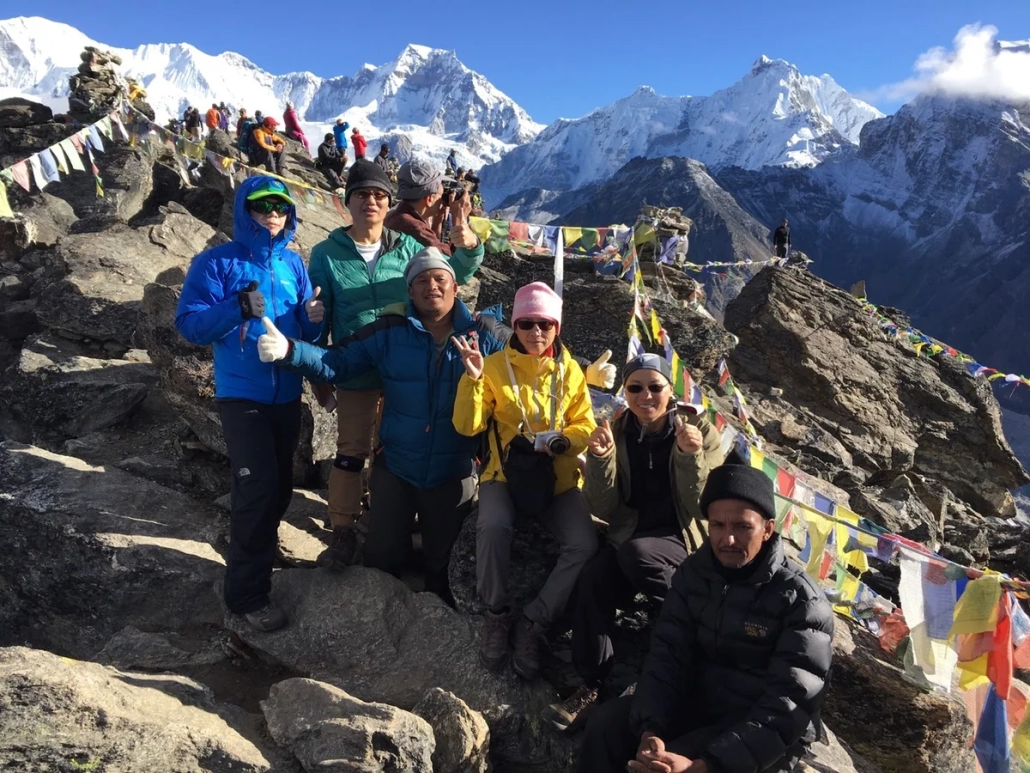
- The Gokyo Ri summit (5,357m) at first light delivers the defining moment of the trek. As the sun clears the horizon, four 8,000m peaks appear simultaneously in a single unrestricted sweep: Everest (8,848m) in the northeast, Lhotse (8,516m) beside it, Makalu (8,485m) to the east, and Cho Oyu (8,188m) to the northwest. Beneath the summit, the Ngozumpa Glacier stretches the full length of the valley in both directions. The three Gokyo lakes shimmer below in the early light. The scale and silence at this point are difficult to describe.
- Descend to Gokyo for a full breakfast. Afternoon is free — rest, revisit the lakeshore, or walk out to the glacier moraine for a final look at the ice. Many trekkers find the afternoon at Gokyo after the summit — the pressure lifted, no immediate departure — the most peaceful hours of the entire journey.
- Overnight: Tea house, Gokyo (4,790m)
- Meals: Breakfast, Lunch, Dinner
Day 10: Trek Gokyo to Namche Bazaar (3,446m) via Dole
Trek: ~17 km | 6–7 hours | Altitude loss: ~1,344m
- The descent from Gokyo is swift — altitude drops fast and the body responds with a noticeable surge of energy and clarity as oxygen thickens below 4,500m. The route retraces the ascent through Machhermo, Dole, and Phortse Thanga, the landscapes looking entirely different on the return — wider, lower, greener — as the valley opens below.
- This is the longest day by distance and involves sustained descent across multiple hours — trekking poles earn their keep on Day 10. Knees should be monitored on the lower Phortse Thanga section where the trail steepens over loose rock.
- The return to Namche Bazaar feels like re-entering civilisation: hot showers, bakeries, a choice of restaurants, and the satisfying sense of being back in the world after five days in the high valley. A proper dinner and a final night in the Khumbu's finest town.
- Overnight: Tea house, Namche Bazaar (3,446m)
- Meals: Breakfast, Lunch, Dinner
Day 11: Trek Namche Bazaar to Lukla (2,840m)
Trek: ~19 km | 6–7 hours
- The long final day on the trail — descending the full approach route from Namche through Monjo, Phakding, and the Dudh Koshi gorge back to Lukla (2,840m). The descent is steep in places on the same path that felt punishing on Day 3; going down it passes considerably faster.
- Arrive Lukla in the mid-afternoon. Final group dinner with guide and porter — the customary opportunity for tips (genuinely appreciated and culturally important) and for the guide to share their perspective on the trek. The Lukla dinner table on the last night is a consistent highlight of the Khumbu experience.
- Overnight: Tea house, Lukla (2,840m)
- Meals: Breakfast, Lunch, Dinner
Day 12: Fly Lukla to Kathmandu — Transfer to Hotel
Flight: ~30–35 minutes (morning departure)
- Morning flight from Lukla to Kathmandu (or Manthali in peak season). Lukla flights operate before 9:00am due to afternoon wind conditions in the Dudh Koshi valley — an early start at the airport is standard. Weather delays on this flight are common, particularly in spring: Day 13 is built into the itinerary as a buffer for exactly this reason. International flights should not be booked before Day 14.
- Transfer to hotel on arrival. Rest afternoon — shower, laundry, and the particular pleasure of being back at low altitude. The contrast between the last fourteen days and a Kathmandu hotel room is one of trekking's more satisfying experiences.
- Overnight: Hotel Amaryllis or similar, Kathmandu
- Meals: Breakfast, Dinner
Day 13: Buffer Day / Kathmandu Sightseeing
- Dedicated contingency day for weather-related Lukla flight delays — if Day 12's flight is cancelled or postponed, this day absorbs the disruption without affecting the international departure on Day 14.
- If the itinerary runs on schedule: a full day of Kathmandu sightseeing. Morning visit to Boudhanath Stupa — the largest stupa in Nepal and one of the great Buddhist monuments of Asia, with an active Tibetan community of monks and pilgrims circling its base throughout the day. Afternoon options: Pashupatinath Temple on the Bagmati River (Nepal's most sacred Hindu site), the medieval Newari squares of Patan or Bhaktapur, or the hilltop temple of Swayambhunath (Monkey Temple) for a final panoramic view over the Kathmandu Valley.
- Evening farewell dinner — a fitting close to two weeks in the Himalaya.
- Overnight: Hotel Amaryllis or similar, Kathmandu
- Meals: Breakfast, Dinner
Day 14: Departure from Kathmandu
- After breakfast, private transfer to Tribhuvan International Airport (KTM) for onward departure. International flights depart for Delhi, Dubai, Doha, Bangkok, Singapore, and beyond throughout the day.
- Meals: Breakfast
NP-41 – Gokyo Lakes & Ri Trek (14 Days)
Starting from USD 1,395 per person
(Based on 2 trekkers, private guide & porter support)
👉 Request Custom Itinerary & QuotePrice includes return Lukla flights, experienced local Sherpa guide, porter support, all permits (Sagarmatha NP, Pasang Lhamu, TIMS), meals on trek, and Kathmandu hotel — no hidden costs.
Thinking about booking through a platform? Read why it matters on a high-altitude Khumbu trek like this one.
Want the full cost breakdown before you commit? Our Himalaya trekking cost guide explains exactly what you're paying for.
INCLUDED
- All private transfers and transportation (airport transfers in Kathmandu; early-morning Manthali transfer if required in peak season)
- Return domestic flights: Kathmandu/Manthali–Lukla–Kathmandu/Manthali
- 13 nights accommodation:
- 2 nights hotel in Kathmandu (twin sharing, attached bathroom, hot shower, Wi-Fi) — Days 1 and 12–13
- 11 nights in best-available teahouses at trek camps (twin sharing) — Days 2 through 11
- All required trekking permits — Sagarmatha National Park Entry Permit, Pasang Lhamu Rural Municipality Entrance Permit, and TIMS Card
- Experienced English-speaking local Sherpa guide throughout the trek
- Porter support (1 porter per 2 trekkers; max 10 kg per porter load)
- Guide and porter insurance, equipment, and wages
- All meals on trek — breakfast, lunch, and dinner at teahouses (Days 2–11)
- Hotel breakfast and dinner in Kathmandu
- Altitude sickness awareness briefing and first-aid kit on trek
- Summit Routes branded duffel bag
- All government taxes and service charges
NOT INCLUDED
- International flights to/from Kathmandu
- Nepal visa fee (obtainable on arrival at KTM — currently USD 30/15 days or USD 50/30 days)
- Travel insurance — mandatory; must cover trekking to at least 5,500m and emergency helicopter evacuation
- Personal trekking equipment and gear (sleeping bag, trekking poles, boots, etc.)
- Beverages, hot drinks, snacks, and personal items on trek (extra bottled water, chocolate, beer, etc.)
- Hot shower and charging fees at teahouses above Namche (charged locally, small amounts)
- Manthali early-morning transfer cost if applicable in peak season (charged at cost — confirmed on enquiry)
- Tips for guide and porter (customary and appreciated)
- Anything not specified under "Included"
Group Pricing (indicative per person)
| Group Size | Price (USD) per Person |
|---|---|
| 2 persons | 1,395 |
| 3–4 persons | 1,250 |
| 5–8 persons | 1,150 |
| 9+ persons | On request |
Accommodation
Kathmandu (2 Nights)
Accommodation in Kathmandu is arranged at Hotel Amaryllis or a similar well-located property in the Thamel district. Twin sharing with attached bathroom, hot shower, electricity, and Wi-Fi. The first night (Day 1) is for arrival, briefing, and permit processing. The return nights (Days 12–13) are the welcome re-entry to comfort — use the first for rest and laundry, the second for Kathmandu sightseeing or simply a long sleep at low altitude after two weeks in the Khumbu.
Trekking Tea Houses (11 Nights)
Eleven nights in best-available teahouses at the following camps. Summit Routes selects lodges based on cleanliness, food quality, and availability at each stop.
Phakding (Day 2): Good-standard teahouses with hot water, consistent meals, and a pleasant riverside setting. A relaxed first night — conditions here are the most comfortable on the trek outside Namche.
Namche Bazaar (Days 3–4): The best facilities on the entire Khumbu circuit. Multiple lodge options with hot showers, Wi-Fi, charging points, and the broadest menu selection before the upper valley. Use Day 4 here to charge all devices fully — above Namche, electricity becomes unreliable and expensive. The Namche bakeries are also the last opportunity for fresh espresso and pastries until the return.
Dole (Day 5): Smaller selection of teahouses — arrive by 2:00pm in peak season to secure rooms. Basic but clean; the views from the lodge dining rooms are exceptional if the cloud clears in the evening. Limited electricity — do not rely on charging here.
Machhermo (Day 6): Two or three teahouses of basic but adequate quality. The altitude is significant — 4,470m — and some trekkers experience their first meaningful altitude symptoms here. The lodge dining rooms are warm gathering points; use the evening to eat well and hydrate. Solar electricity is available for charging, but supply is weather-dependent.
Gokyo (Days 7–9): Four to five teahouses at varying quality; the better lodges have attached bathroom options. Gokyo is the coldest camp on the route — nights drop well below zero in October even in the lodge rooms. A sleeping bag rated to at least -10°C is not optional here; teahouse blankets alone are insufficient above 4,500m in autumn or spring. The lodge dining rooms are heated by yak-dung stoves and become the social hub of the Gokyo camp in the evenings. Warming drinks and a hot dinner should be prioritised over any other activity on arriving here.
Namche Bazaar (Day 10 — return): Same standard as the outward nights — hot shower, proper meal, and the relief of being back below 3,500m after five nights above 4,200m. The contrast is notable.
Lukla (Day 11): Comfortable teahouses with the full range of facilities. The final-night group dinner with guide and porter is a Khumbu tradition — tips are customary, genuinely meaningful, and best given in Nepali Rupees in person.
What to Pack — Gokyo Lakes & Ri Trek
The Gokyo Lakes & Ri Trek spans 2,610m at Phakding to 5,357m at Gokyo Ri across 10 active days on the trail. The packing list must cover: warm humid forest sections on the lower approach, cold exposed nights at Gokyo (4,790m) where temperatures routinely drop below -5°C in October, and the demanding pre-dawn summit push to 5,357m. This is a tea-house trek — lodges provide beds — but above Machhermo, the quality of your personal gear directly affects your safety and comfort. Pack seriously for this route.
Clothing & Layers
- Insulated down jacket rated to -10°C — for evenings at Gokyo (4,790m) and the pre-dawn Gokyo Ri summit push. October nights at Gokyo can reach -10°C or below even inside the lodge room. This is not a compromise item — bring a genuinely warm jacket, not a fashion piece.
- Waterproof hardshell jacket — the Khumbu weather changes fast in both spring and autumn. Snow flurries above Namche are possible even in October; the Gokyo Ri summit is fully exposed to wind. Waterproofing is non-negotiable.
- Fleece mid-layer × 2 — one for active trekking on cool days, one for lodge evenings above Dole.
- Moisture-wicking base layers (top and bottom) × 3 — merino wool manages the full temperature range of this route better than synthetic and handles odour over 11 consecutive tea-house nights.
- Trekking trousers × 2 — lightweight and fast-drying. Not jeans.
- Waterproof over-trousers — for snow and wind on the Gokyo Ri summit and wet trail days above Namche.
- Thermal leggings × 2 — for nights at Gokyo and the summit day. Wear inside your sleeping bag at Gokyo; wear under trousers on the pre-dawn summit push.
- Warm hat (fleece or wool) and wide-brimmed sun hat — both are essential. UV intensity at 5,000m+ on the open ridgeline above Gokyo is extreme, particularly in October when the air is clear and the reflection off snow is significant.
- Balaclava or heavyweight neck gaiter — for the Gokyo Ri pre-dawn push in wind and cold. A buff is not sufficient at 5,000m in October before sunrise.
- Warm trekking gloves and a spare liner pair — gloves are essential for the Gokyo Ri summit regardless of season. If one pair gets wet, a dry liner pair makes a significant difference.
- Trekking socks × 5–6 pairs — heavyweight wool. The long descent days (Day 10 and Day 11) place the most blister pressure; good socks matter more than most trekkers anticipate.
- Camp shoes or sandals — for evenings at the teahouses. Cold stone floors above Dole make flip-flops less comfortable; a closed camp shoe or lightweight boot is preferable.
Footwear
- Waterproof trekking boots — fully broken in before arrival. The trail above Namche involves rocky uneven terrain, possible snow above Machhermo, and the steep rocky ascent of Gokyo Ri. Waterproofing and ankle support are both important. Unbroken boots on an 11-day trekking section are a significant blister and injury risk at altitude.
- Trekking poles × 2 — strongly recommended and practically mandatory for this route. The Hillary Bridge approach, the Mong La descent, and especially the Day 10 return from Gokyo to Namche (~17 km, ~1,344m of descent) all place sustained impact on knees. Two poles reduce this considerably over a 14-day itinerary. They are also useful for balance on the rocky Gokyo Ri ascent in the dark.
- Gaiters — useful for snow crossings above Machhermo in late autumn and early spring, and for the Gokyo Ri approach if fresh snow has fallen overnight.
Personal Health & Safety
- Altitude medication — the route reaches 5,357m at Gokyo Ri and spends five nights above 4,200m. Trekkers without prior experience above 4,000m should consult their doctor about Diamox before departure. Read our complete altitude sickness guide before booking.
- Personal first aid kit — blister plasters, ibuprofen, paracetamol, antihistamines, rehydration sachets, antiseptic wipes, throat lozenges. Pharmacies in Namche exist but are expensive; stock up in Kathmandu.
- UV-protective sunglasses — Category 4 (glacier glasses) — the open terrain above Machhermo and the Gokyo Ri summit involve severe UV exposure and snow glare. Category 3 glasses are insufficient above 5,000m. Wraparound glacier-rated glasses are the correct choice for Days 7–9.
- High-SPF sunscreen (50+) — carry enough for the full 14 days. No meaningful resupply above Namche. Apply generously at altitude, including on ears and the underside of the chin (snow reflection).
- Lip balm with SPF — cold, dry air at altitude and UV reflection off snow damage lips quickly and painfully. Start applying from Day 3.
- Insect repellent — relevant only on the lower approach (Days 2–3); above Namche insects are not a concern.
- Water purification tablets or a filter — tap and stream water at teahouses should be purified or boiled. Tablets are a lightweight backup and reduce plastic bottle use on the trail. Carry enough purification capacity for 11 trail days.
- Personal prescription medicines — carry double your required quantity. Kathmandu pharmacies can source many medications; nothing above Namche.
Gear & Equipment
- Sleeping bag rated to -10°C or below — this is the single most important piece of personal gear for the Gokyo Lakes trek. October nights at Gokyo (4,790m) regularly reach -10°C or colder in the lodge room. A 3-season bag rated to -5°C provides inadequate margin at this altitude; -10°C is the minimum and -15°C is comfortable. This is not a suggestion — it is a safety requirement. Sleeping bags can be rented in Kathmandu if you prefer not to travel with one.
- Sleeping bag liner — adds warmth, keeps your bag clean over 11 nights, and provides a hygiene layer over teahouse bedding.
- Trekking daypack (20–30L) — carries your personal items on trail each day. The porter carries your main bag between teahouses; you carry water, layers, snacks, camera, and first aid.
- Main duffel bag or trekking bag (40–60L, soft-sided) — for porter loading. Hard-framed luggage cannot be safely carried by a porter on the Khumbu trail. Maximum 10 kg per porter load.
- Headlamp + spare batteries and backup headlamp — the Gokyo Ri summit push begins in complete darkness at 5:00am. A reliable headlamp is critical; cold temperatures at altitude drain batteries faster than at sea level. Carry spares inside a warm pocket or sleeping bag overnight.
- Insulated water bottle (1L) — standard plastic bottles freeze overnight at Gokyo. An insulated bottle keeps water liquid and drinkable on the pre-dawn Gokyo Ri ascent.
- Thermos flask — fill with hot tea at the teahouse before the Gokyo Ri departure. Hot liquid at 5,300m at 6:00am is not a luxury.
- Power bank (20,000 mAh minimum) — electricity is unreliable from Dole onward and limited or expensive above Machhermo. Charge all devices fully in Namche on Day 4 and rely on a power bank for Days 5–10. A high-capacity bank covers phone, camera, and headlamp batteries for the full upper section.
- Dry bag or waterproof pack cover — rain above Namche arrives without notice and snow is possible above 4,000m in both seasons.
Documents & Money
- Passport — valid 6+ months beyond travel date.
- Nepal visa — available on arrival at Kathmandu Airport (USD 30/15 days or USD 50/30 days; bring passport photos and cash).
- Trekking permit documentation — Summit Routes arranges Sagarmatha NP Permit, Pasang Lhamu Permit, and TIMS Card; carry all three in a waterproof document pouch as multiple permit checkpoints operate between Lukla and Gokyo.
- Travel insurance documents — must cover trekking to at least 5,500m and emergency helicopter evacuation. Verify coverage with your insurer before travel; this is a mandatory requirement. Carry a paper copy on the trail.
- Cash in Nepali Rupees — ATMs in Kathmandu and Namche. There are no ATMs beyond Namche. Withdraw sufficient cash in Namche for all personal teahouse expenses (hot showers, charging fees, snacks, drinks) over the 7 days above Namche. Cash only above Dole — no card facilities.
Optional but Useful
- Camera with spare batteries — keep a spare battery warm overnight in your sleeping bag at Gokyo to ensure full charge for the Gokyo Ri summit.
- High-energy trail snacks — energy bars, nuts, dried fruit, chocolate. Bring a personal supply from Kathmandu; snacks above Namche are expensive and limited above Machhermo.
- Lightweight travel towel — hot showers above Machhermo are unreliable; a quick-dry towel is a compact and useful fallback.
- Hand warmers — chemical heat packs are worth their weight on the Gokyo Ri pre-dawn push at wind chill temperatures below -15°C.
- Small padlock for your room door at Kathmandu hotel and lower teahouses.
For a complete Himalayan packing guide with brand recommendations and a printable checklist, see our Himalayan Trekking Gear List →
Not sure what to prioritise? Ask us when you book — we'll advise based on the season of your departure.
Safety & Emergency Protocols — Gokyo Lakes & Ri Trek
Your safety is the absolute priority on every Summit Routes trek. The Gokyo Lakes & Ri Trek reaches 5,357m at Gokyo Ri and involves five consecutive nights above 4,200m — including two nights at 4,790m and a pre-dawn summit push to 5,357m on Day 9. This places the Gokyo trek at the upper end of the non-technical trekking spectrum in Nepal. Proper preparation, two structured acclimatisation days, and clear emergency protocols are not precautions for edge cases — they are the standard operating framework for every Summit Routes Khumbu departure.
First Aid & Medical Equipment
- Comprehensive first aid kit carried by the lead guide at all times throughout the 14-day route
- Pulse oximeter for blood-oxygen monitoring from Namche (Day 3) onward — readings taken each morning and compared against the previous day's baseline. A meaningful drop in SpO₂ between camps is a serious indicator requiring assessment before further ascent.
- Basic medications including Diamox, Dexamethasone, analgesics, rehydration salts, blister and wound care supplies, antihistamines, and throat treatments
- Daily health check-ins at every camp above 3,446m — appetite, sleep quality, headache severity, and blood-oxygen levels all assessed and recorded each morning
- The guide has sole authority to make ascent/descent decisions based on health assessments — this authority cannot be overridden by the trekker
Acclimatisation Strategy
The itinerary builds in two mandatory acclimatisation days, both critical to the safe completion of the Gokyo Ri summit:
- Day 4 — Namche Bazaar (3,446m): The standard Khumbu acclimatisation day. The ascent hike to the Everest View Hotel (3,880m) follows the "climb high, sleep low" protocol. No ascent above Namche is permitted until 24 hours have been spent at this altitude.
- Day 8 — Gokyo (4,790m): A full acclimatisation day before the Gokyo Ri push. The hike to the 4th and 5th lakes (4,990m) follows the same protocol — ascend higher during the day, return to sleep at 4,790m. The body requires 24 hours at 4,790m before attempting 5,357m the following morning. This day is not optional and cannot be shortened for schedule reasons.
Evacuation Procedure
Days 2–4 (Phakding to Namche):
- Ground evacuation possible to Lukla within the same day from all camps below Namche. Helicopter access to Namche helipad (3,440m) is well-established and routinely used; response times from Kathmandu are typically 45–90 minutes in clear weather.
Days 5–6 (Dole and Machhermo):
- Helicopter landing zones are accessible in clear weather at both Dole and Machhermo. Assisted descent to Namche (3,446m) by foot is possible in 4–6 hours from either camp if helicopter evacuation is not available or necessary.
- Machhermo is a known AMS checkpoint on the Gokyo route — any trekker experiencing significant symptoms at Machhermo will be assessed before proceeding to Gokyo.
Days 7–9 (Gokyo and Gokyo Ri):
- Helicopter landing at Gokyo (4,790m) is possible in clear weather — this is the most critical evacuation scenario given the altitude and distance from road access. The guide will assess conditions and activate helicopter rescue if required. Response times from Lukla or Kathmandu vary by weather and season.
- Assisted descent from Gokyo to Machhermo (~3 hours) or Namche (~7–8 hours) by foot is the alternative if helicopter is unavailable.
- The Gokyo Ri summit push is cancelled if: weather is assessed as dangerous, any trekker's SpO₂ reading is below the safe threshold, or any member of the group has experienced moderate or severe AMS symptoms in the previous 24 hours. This decision is non-negotiable.
Medical Facilities:
- Primary hospital: Kathmandu hospitals — all serious Khumbu evacuations are directed to Kathmandu by air. The nearest functional medical facility on the trail is the Himalayan Rescue Association (HRA) clinic in Namche Bazaar, which operates during peak trekking season and is staffed by volunteer physicians experienced in altitude medicine.
- The HRA clinic in Pheriche is also accessible if evacuation proceeds via the EBC corridor rather than directly to Lukla.
Guide Training & Certifications
- All trekking leaders are licensed by the Nepal Tourism Board with valid annual guide permits
- Wilderness first aid training or equivalent certification; familiarity with altitude medicine protocols including AMS, HACE, and HAPE recognition and response
- Minimum of two prior Gokyo Valley route completions required for every Summit Routes lead guide — including experience of Gokyo Ri summit conditions in varying weather, knowledge of helicopter LZ locations, and familiarity with the HRA clinic Namche protocols
- Guides use pulse oximetry data alongside clinical assessment — SpO₂ readings are a tool, not the sole indicator. Symptoms, behaviour, and appearance are assessed alongside the numbers at every morning check-in.
Travel Insurance — Mandatory Requirement
Valid travel insurance is a non-negotiable condition of participation on this trek.
- Must cover high-altitude trekking to at least 5,500 metres
- Must include emergency helicopter evacuation with minimum coverage of USD 100,000
- Must cover medical hospitalisation, emergency repatriation, and trip cancellation
- Must cover Lukla flight cancellation costs if trip-interruption insurance is part of your policy
- The insurance policy must be shared with Summit Routes before departure
- Trekkers without valid insurance cannot join the trek — no exceptions
Unsure which policy covers Khumbu trekking above 5,000m? See our Insurance & Permits FAQ.
Emergency Contact Protocol During the Trek
For Family / Next of Kin
A dedicated emergency contact number is provided to all clients before departure. Our Kathmandu operations coordinator monitors every active Gokyo departure and will contact your nominated next-of-kin within 2 hours of any serious incident.
On the Trail
Mobile signal (Ncell and Nepal Telecom) is available in Kathmandu, Lukla, Phakding, Namche, and intermittently on exposed ridges up to Dole. Above Dole, connectivity is generally absent. Namche is the last reliable signal point on the outward route — use Day 4 to inform contacts of your planned schedule. Satellite Wi-Fi is available at some Gokyo teahouses for a fee, but reliability is weather-dependent.
Rescue Coordination
Summit Routes maintains coordination with the Nepal Tourism Board, registered Khumbu helicopter rescue services (Fishtail Air, Simrik Air, Summit Air), the Himalayan Rescue Association (HRA) clinic in Namche, and Kathmandu hospitals with experience in altitude-related medical emergencies.
Altitude Sickness (AMS) — Our Policy
AMS is a genuine concern on this route from Namche onward and must be understood before departure. If you are unfamiliar with high-altitude trekking above 4,000m, read our complete altitude sickness guide before booking.
Any trekker showing signs of High-Altitude Cerebral Oedema (HACE) or High-Altitude Pulmonary Oedema (HAPE) will be descended immediately. This decision is non-negotiable and cannot be overridden by the trekker under any circumstances.
The itinerary's altitude progression:
- Day 1: Kathmandu — 1,400m
- Day 2: Phakding — 2,610m
- Day 3: Namche Bazaar — 3,446m
- Day 4: Acclimatisation at Namche / Everest View Hotel — 3,880m (sleep 3,446m)
- Day 5: Dole — 4,200m
- Day 6: Machhermo — 4,470m
- Day 7: Gokyo — 4,790m
- Day 8: Acclimatisation at Gokyo / 5th Lake — 4,990m (sleep 4,790m)
- Day 9: Gokyo Ri — 5,357m (return to Gokyo — 4,790m)
Trekkers who experience significant headache, nausea, or sleep disturbance at Machhermo (4,470m) will be assessed before proceeding to Gokyo. If the guide is not satisfied with a trekker's condition at Gokyo after the acclimatisation hike on Day 8, that individual will not attempt Gokyo Ri on Day 9 regardless of their own preference. The summit of Gokyo Ri is the objective — reaching it safely is the only version worth pursuing.
Have a safety question before booking?
Contact our team on WhatsApp (+91 96222 44022) or email info@summitroutes.com.
The Gokyo Lakes & Ri Trek is considered moderate to challenging, with daily walks of around 5–7 hours on mountain trails and several days spent above 4,000 m. The trek includes an ascent of Gokyo Ri (5,357 m), a steep but rewarding viewpoint offering outstanding panoramas of Everest, Lhotse, Makalu, and Cho Oyu.
Previous trekking experience is helpful but not essential. Trekkers with good physical fitness, the ability to walk several hours a day, and proper preparation for high-altitude trekking can complete the trek comfortably with gradual acclimatization.
The best time to do the Gokyo Lakes & Ri Trek is during spring (March–May) and autumn (September–November). These seasons usually offer stable weather, moderate temperatures, and clear mountain views across the Everest region.
This trek requires the Sagarmatha National Park Permit and the Khumbu Pasang Lhamu Rural Municipality Permit. These are mandatory for trekking in the Everest region, and we arrange all required permits before the trek begins.
The trip price typically includes all required trekking permits, a licensed trekking guide, accommodation during the trek, meals on the trail, porter support, and domestic flights between Kathmandu and Lukla (or alternative transport if required). Full details are provided in the trip inclusions.
The trek normally begins with a scenic flight from Kathmandu to Lukla (2,860 m), the main gateway to the Everest region. From Lukla the trail follows the Dudh Koshi valley through Sherpa villages such as Phakding and Namche Bazaar before heading toward the Gokyo valley.
Accommodation during the trek is in local teahouses and mountain lodges, offering simple twin-share rooms with beds, mattresses, and blankets. While facilities are basic, the lodges are comfortable and provide warm hospitality in remote Himalayan villages.
Teahouses along the route serve Nepali, Tibetan, and simple international meals, including dal bhat, noodles, rice dishes, soups, potatoes, eggs, pancakes, and vegetables. Vegetarian meals are widely available and most dietary needs can be accommodated with advance notice.
You should pack layered trekking clothing for changing temperatures, sturdy trekking boots, a warm down jacket, sleeping bag, personal toiletries, sun protection, and basic medical items. Once your booking is confirmed, we will send you a complete and detailed packing list to help you prepare properly for the trek.
Yes, solo travellers are welcome. You may join one of our scheduled small-group departures or arrange a private guided trek, depending on your travel preferences.
Our trekking groups are usually small, typically between 4 and 10 trekkers, which allows for greater flexibility, personalized guiding, and a safer trekking experience in the mountains.
Yes, comprehensive travel insurance covering high-altitude trekking and emergency helicopter evacuation is required for all participants, as the trek takes place in remote mountainous terrain.
The highest point of the trek is Gokyo Ri (5,357 m / 17,575 ft). From the summit you can enjoy one of the finest panoramic viewpoints in the Everest region, overlooking the Gokyo Lakes and several of the world’s highest peaks.
Meals are served at teahouses along the trekking route. Breakfast and dinner are typically taken at the lodge where you stay overnight, while lunch is taken at villages or lodges along the trail during the day’s trek.
Our guides monitor trekkers carefully for symptoms of altitude sickness. The itinerary includes acclimatization days and gradual altitude gain, and if symptoms occur the guide will arrange rest, descent, or evacuation if required.
Mobile network and Wi-Fi are available in some villages such as Namche Bazaar and occasionally in Gokyo, but connectivity can be limited or unreliable in higher and more remote sections of the trail.
Most teahouses provide basic squat or Western-style toilets, though facilities become simpler at higher elevations. Carrying personal hygiene supplies such as toilet paper and hand sanitizer is recommended.
Yes, all our trekking guides are government-licensed, experienced in guiding in the Everest region, and trained in high-altitude safety and first aid, ensuring a safe and well-managed trekking experience.
No reviews yet.
📅 2026 Departures — Gokyo Lakes & Ri Trek (14 Days)
Click a window to enquire instantly on WhatsApp
⚡ Private tour · All permits & Lukla flights included · Local Sherpa guides
Similar Trips
POON HILL TREK
Level: Easy | Duration: 8 Days | Best Time: Mar–May & Sep–Nov | Price: From $950
ANNAPURNA BASE CAMP
Level: Moderate | Duration: 12 Days | Best Time: Mar–May & Sep–Nov | Price: From $1350
LANGTANG TREK
Level: Moderate | Duration: 10 Days | Best Time: Mar–May & Sep–Nov | Price: From $995
KANCHENJUNGA BASE CAMP
Level: Moderate | Duration: 18 Days | Best Time: Mar–May & Sep–Nov | Price: From $2195