
Annapurna Base Camp Trek (12 Days) — Kathmandu to Kathmandu, Nepal
Annapurna Base Camp Trek — Overview
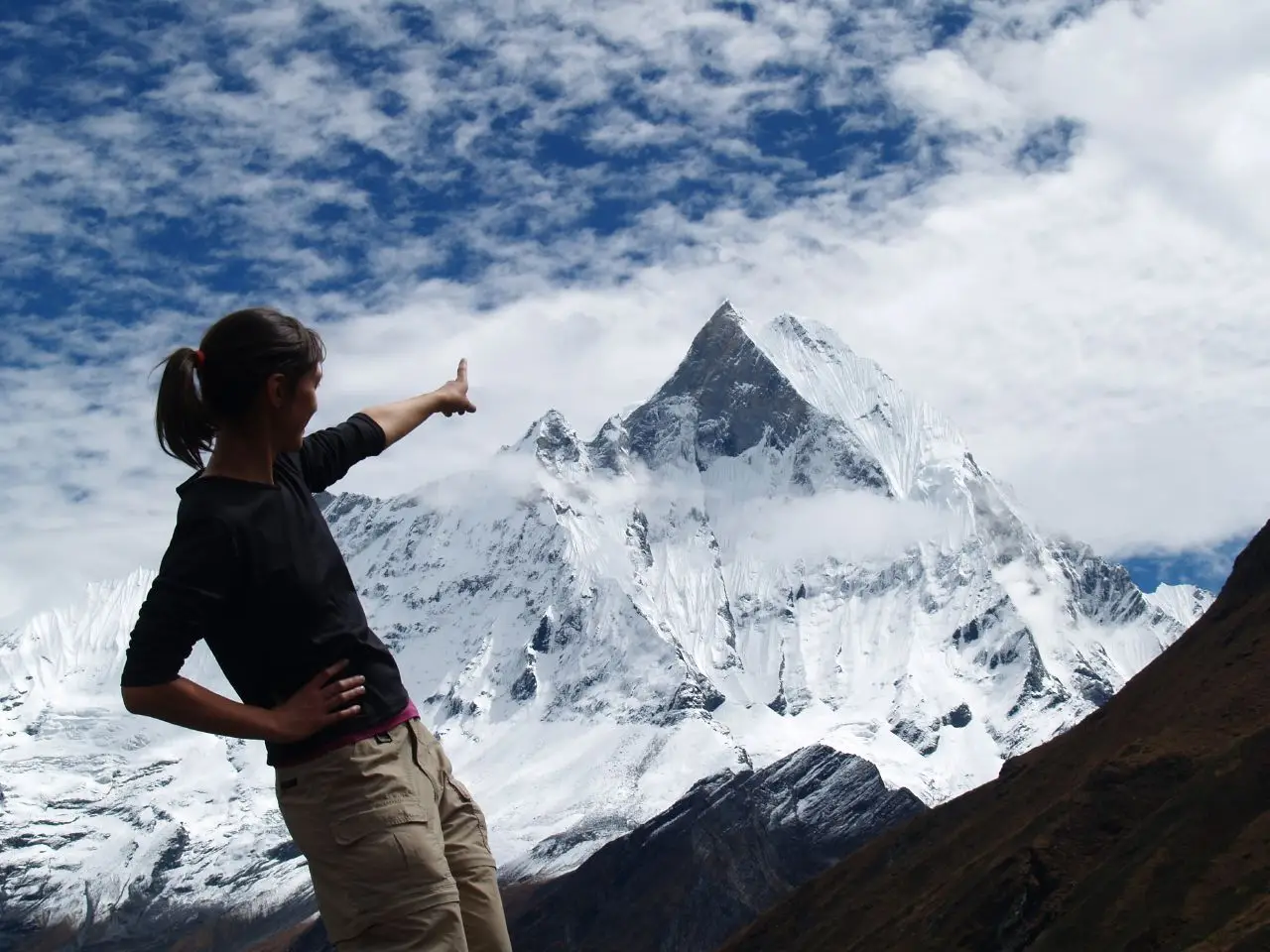
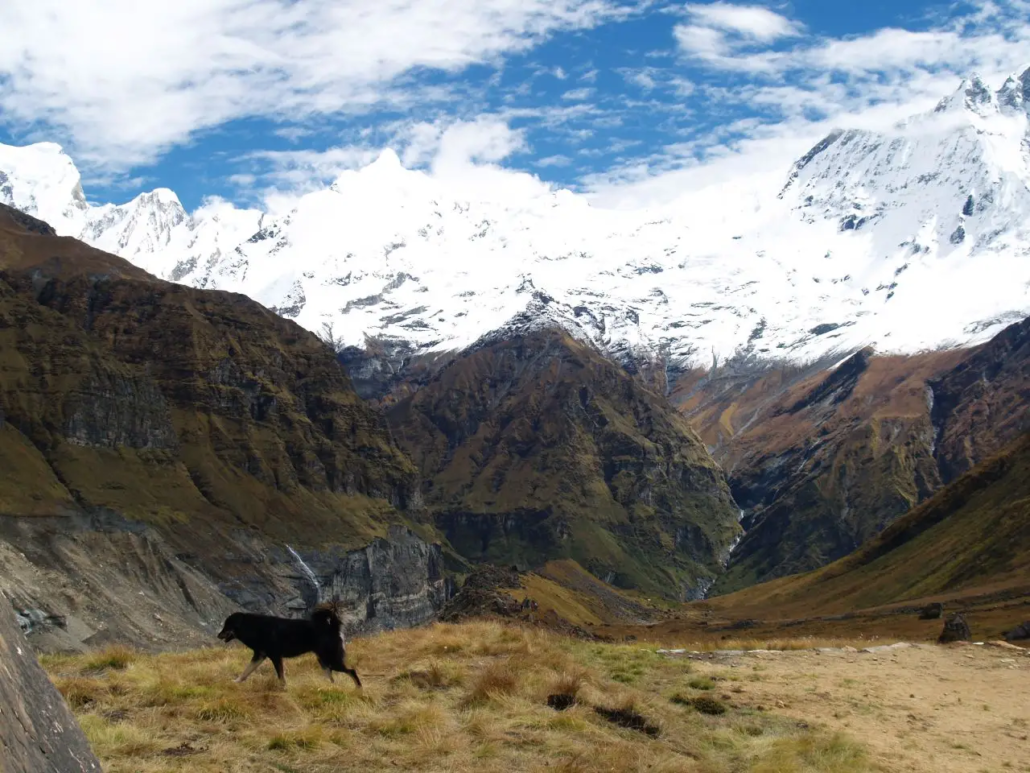
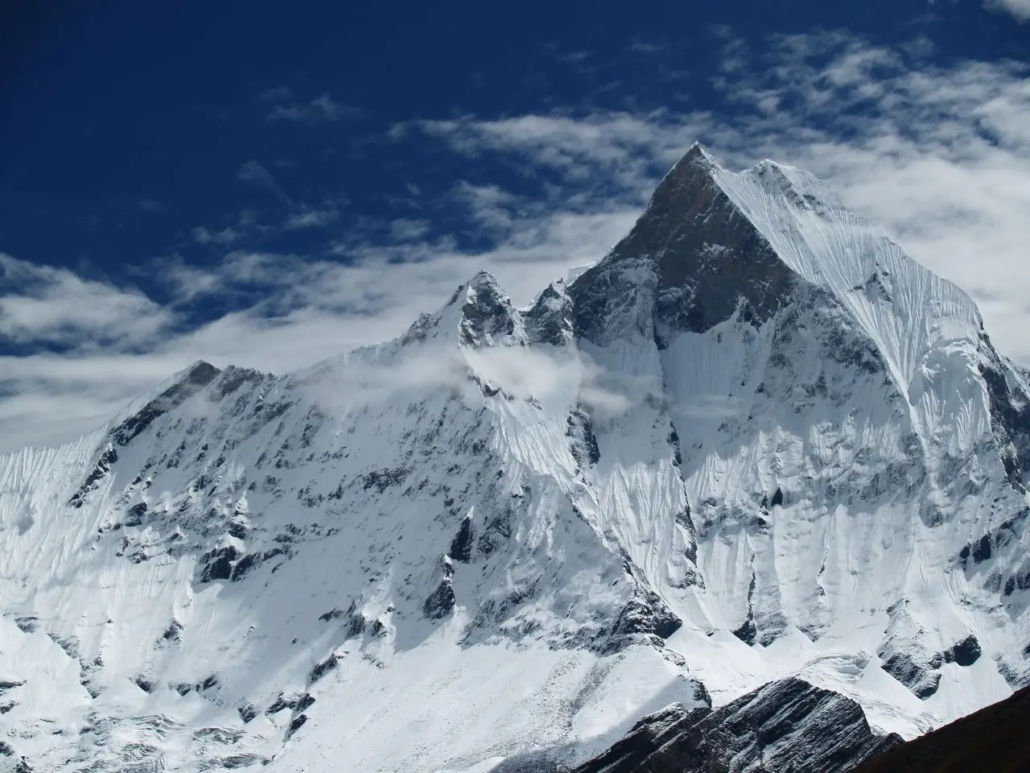
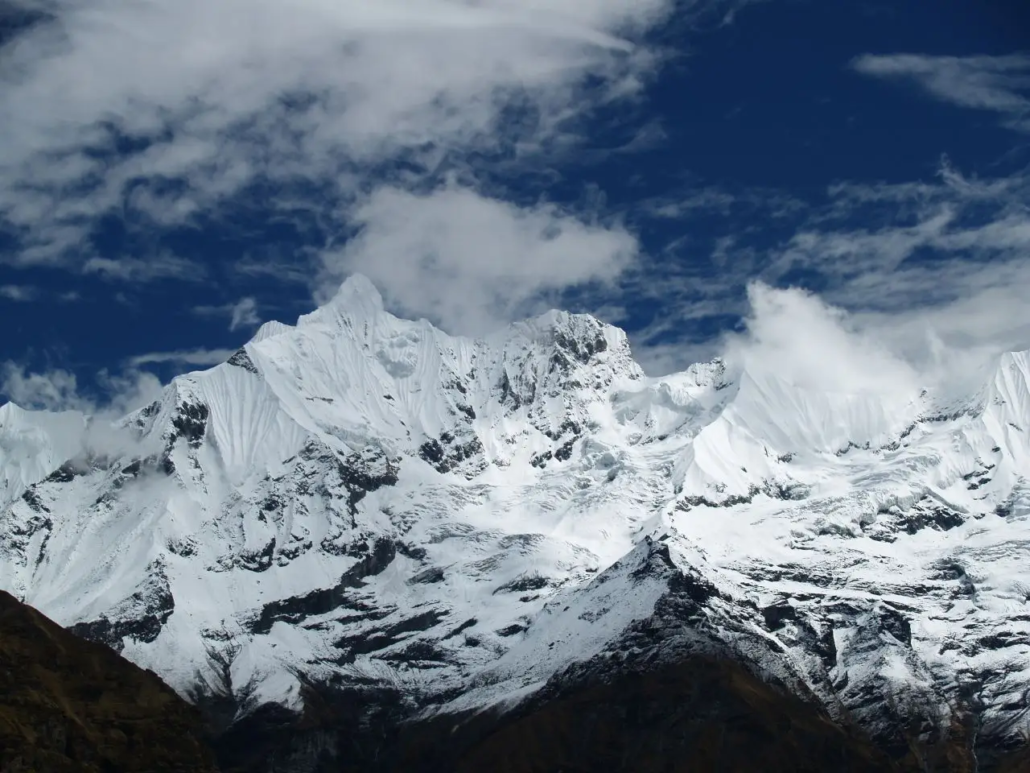
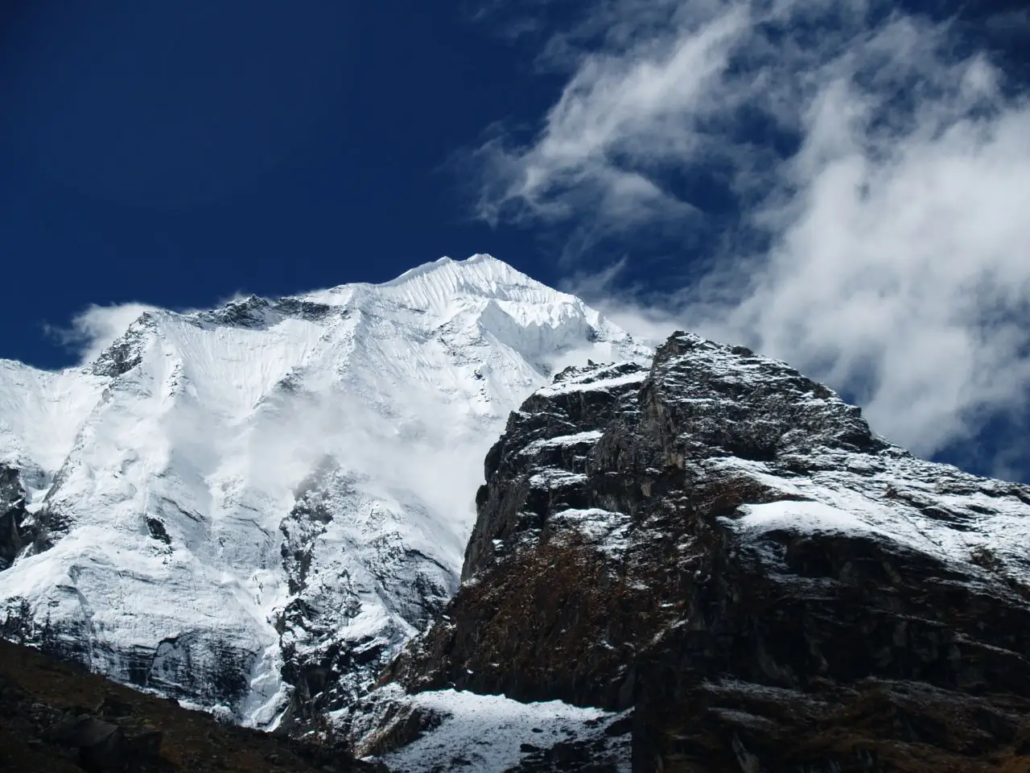
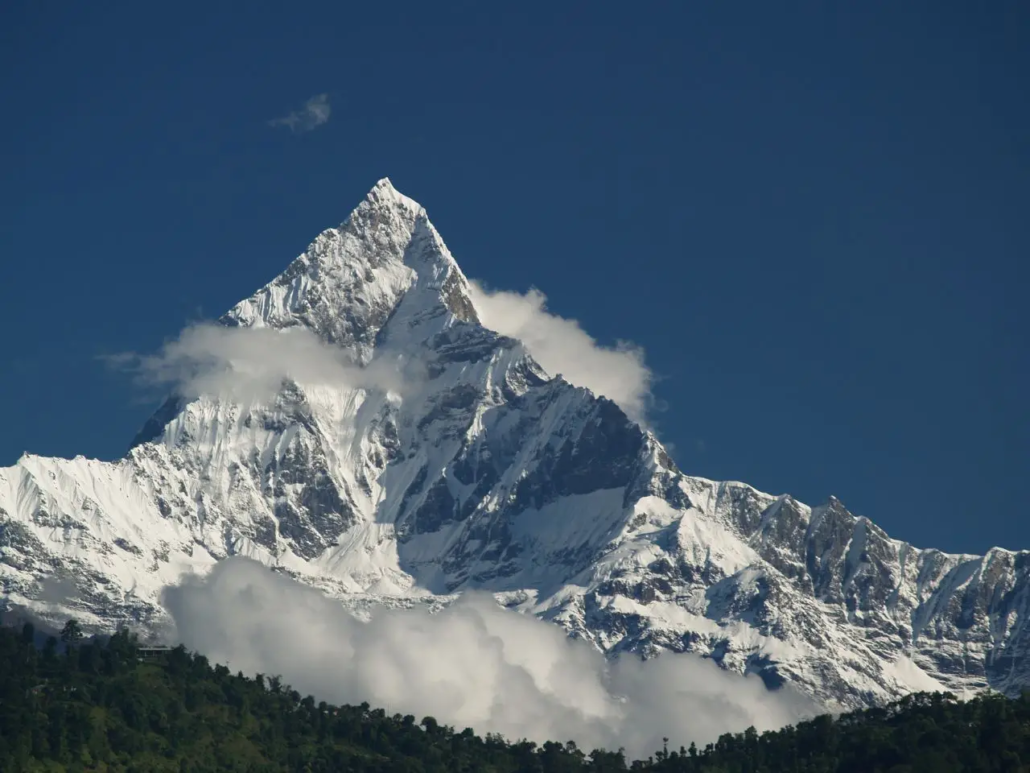
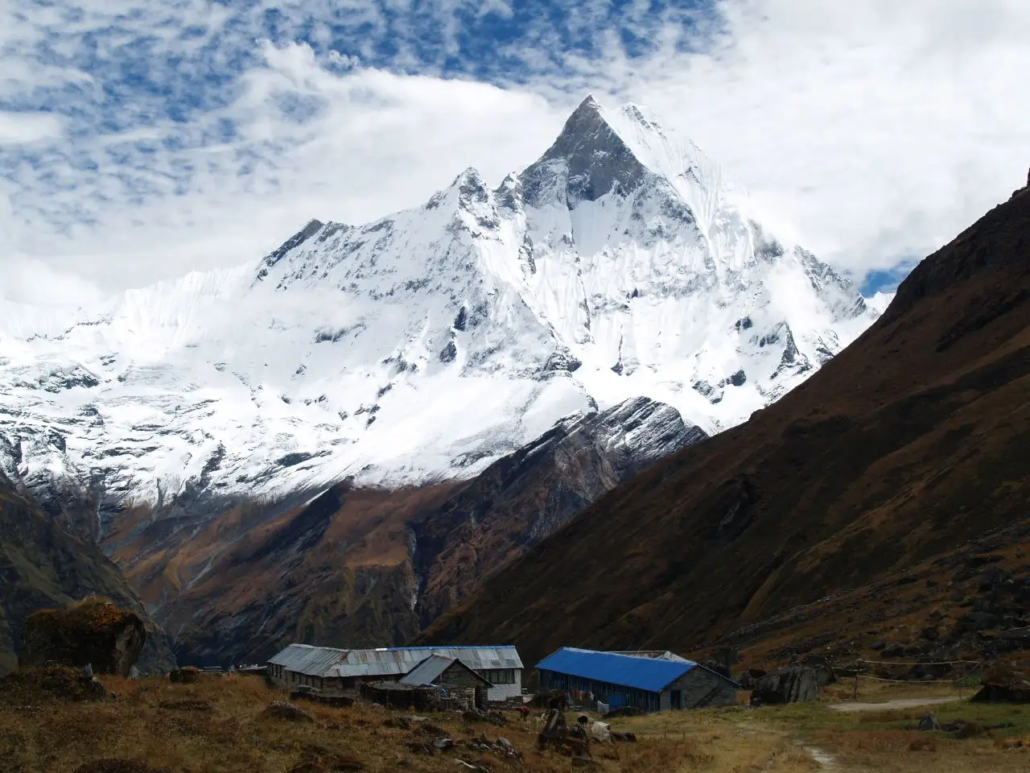
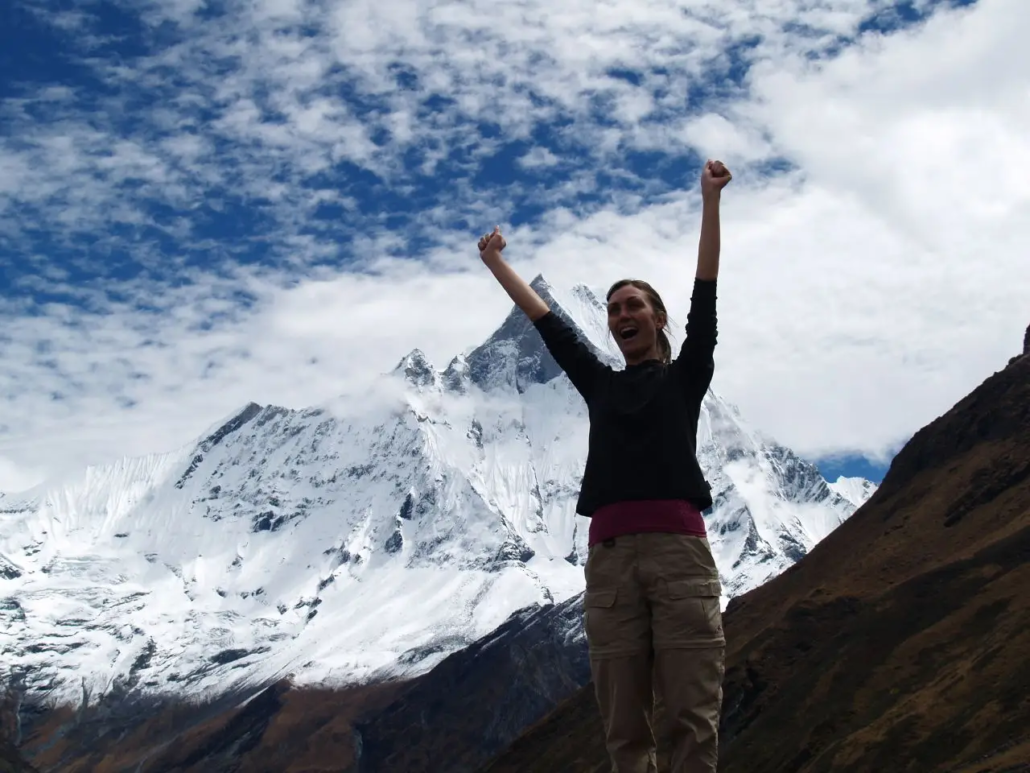
The Annapurna Base Camp Trek is Nepal’s most complete moderate-grade high-altitude experience — a 12-day journey that carries trekkers from the subtropical warmth of the Pokhara Valley deep into the heart of the Annapurna Sanctuary, a glacial amphitheatre ringed by some of the most dramatic peaks on earth. At 4,130m, the base camp itself sits inside a natural bowl of mountains — Annapurna I (8,091m), Annapurna South (7,219m), Machhapuchhre (6,993m), and Hiunchuli (6,441m) — close enough that the scale of the Himalaya becomes genuinely visceral rather than merely distant. It is one of the most rewarding 360-degree mountain panoramas available from any non-technical trekking route in Nepal.
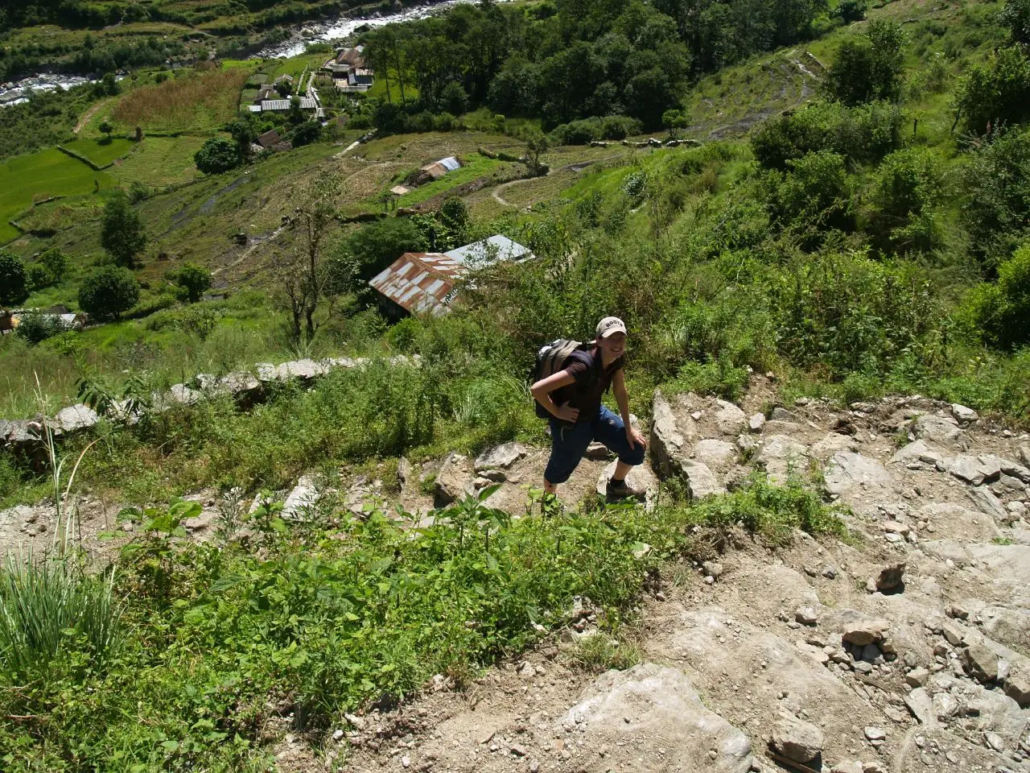
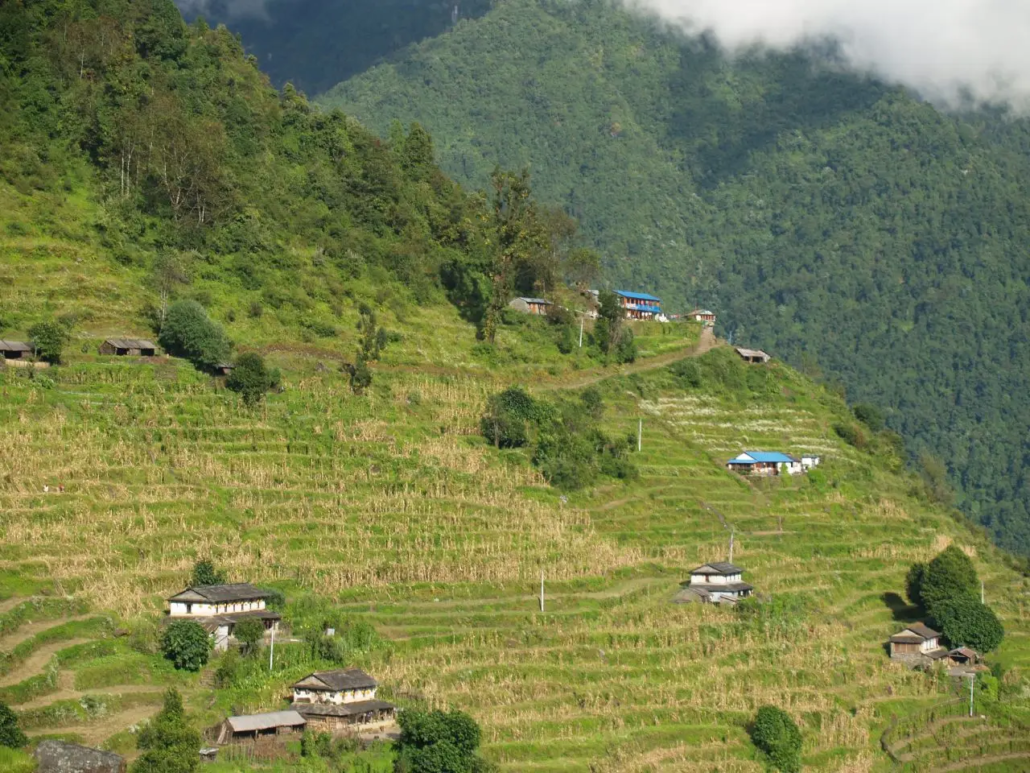
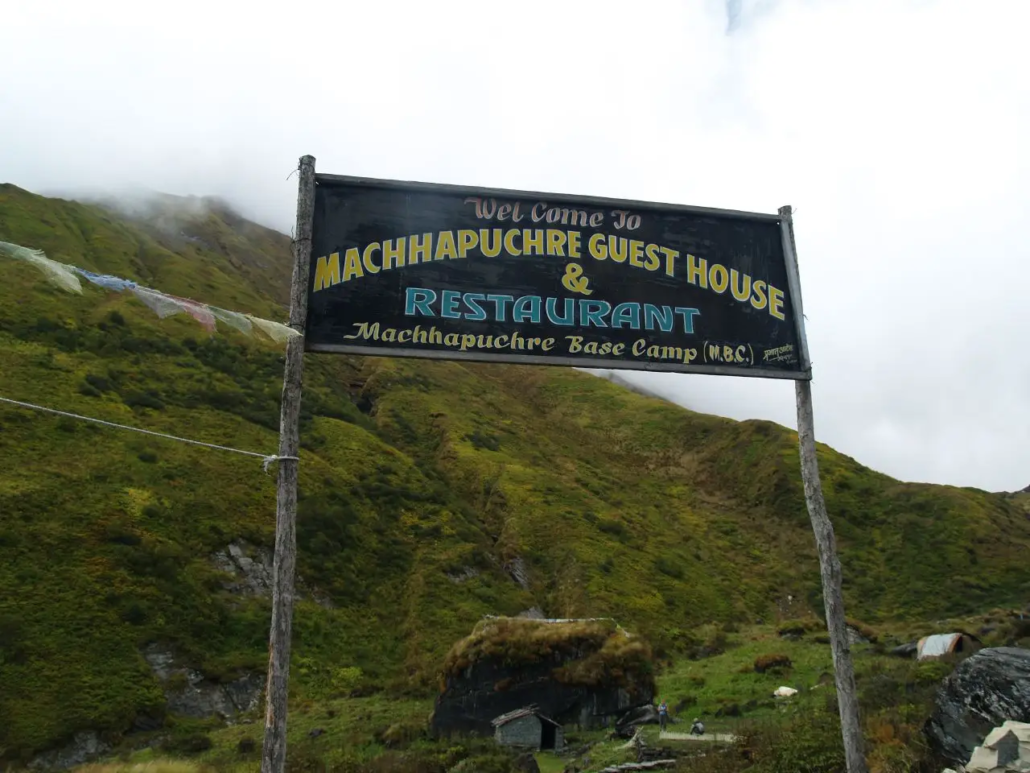
The itinerary follows the classic Ghandruk route, widely preferred over more direct approaches for its gradual altitude gain, richer cultural texture, and greater scenic variety. From Kathmandu (1,400m), the route moves by road to Pokhara (820m) before climbing through terraced rice fields and rhododendron forests to the Gurung village of Ghandruk (1,940m) — one of the best-preserved hill communities in the Annapurna region. From Ghandruk the trail ascends through Chhomrong (2,170m), into the deep gorge of the Modi Khola, and progressively higher through bamboo forest, open alpine terrain, and the snowfields of Machhapuchhre Base Camp (3,700m) before the final approach to Annapurna Base Camp (4,130m) on Day 7. The return descends a different line through Jhinu Danda (1,780m) — known for its natural riverside hot springs — before the road back to Pokhara and a short flight to Kathmandu.
This is a tea-house trek throughout — accommodation at established lodge guesthouses at each camp, with meals provided on site. No camping equipment is required, and no technical mountaineering experience is needed at any point on the route. The combination of cultural depth, forest and alpine diversity, and the overwhelming scale of the Sanctuary at journey’s end makes the Annapurna Base Camp Trek the benchmark against which most other Nepal treks are measured.
Important Notes
- Best Seasons: March–May (spring) and September–November (autumn). Spring brings rhododendron in full bloom on the lower forest sections between Nayapul and Chhomrong — the trail passes through corridors of red, pink, and white flowers at their peak in late March and April. Autumn offers the sharpest Himalayan visibility and the most settled skies above the Sanctuary, with clear mornings at base camp most reliable in October.
- Trek Grade: Moderate — the daily distances (10–15 km) and altitudes (up to 4,130m at ABC) are well within reach for motivated trekkers without specialist mountaineering background. The route involves significant cumulative elevation gain and loss, and the descent from ABC back to Bamboo on Day 8 is a long day with over 1,800m of altitude loss. Reasonable physical preparation is important.
- Highest Point: Annapurna Base Camp (4,130m) on Day 7 — the highest overnight on the route is also at ABC.
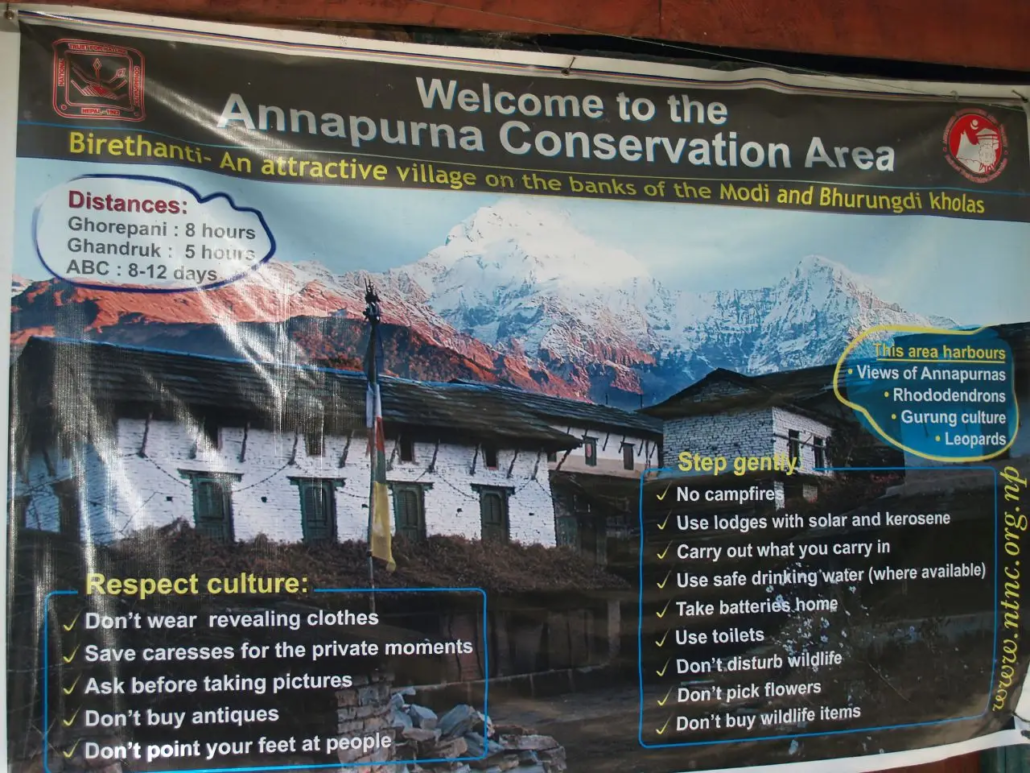
- Nepal Entry Requirements: All trekkers in the Annapurna Conservation Area require a TIMS Card and an ACAP (Annapurna Conservation Area Permit). Summit Routes arranges all permits on your behalf before the trek departs from Pokhara. See our permits and visa guide for full details.
- Accommodation: The trek is entirely tea-house based — established lodge guesthouses at each overnight point from Ghandruk to Jhinu Danda, with basic but comfortable rooms (twin sharing), hot meals, and basic shower facilities available at most stops. Summit Routes selects the best-available tea houses at each camp. No personal camping equipment is required.
- Fitness Standard: Must be comfortable trekking 10–15 km daily for multiple consecutive days with a daypack and moderate elevation gain. The long descent day (Day 8, ABC to Bamboo) and the sustained ascent from Chhomrong to Deurali are the most physically demanding sections. No mountaineering skills required. Beginners with solid general fitness successfully complete this trek; prior hiking or multi-day walking experience is an advantage.
- Altitude: The route spends two nights above 3,200m and reaches 4,130m at ABC. Trekkers coming directly from sea level or low-altitude cities should be aware that altitude can affect sleep, appetite, and energy at this height. The itinerary is structured to allow gradual acclimatisation. If you have concerns, read our guide to altitude sickness in the Himalaya before departure.
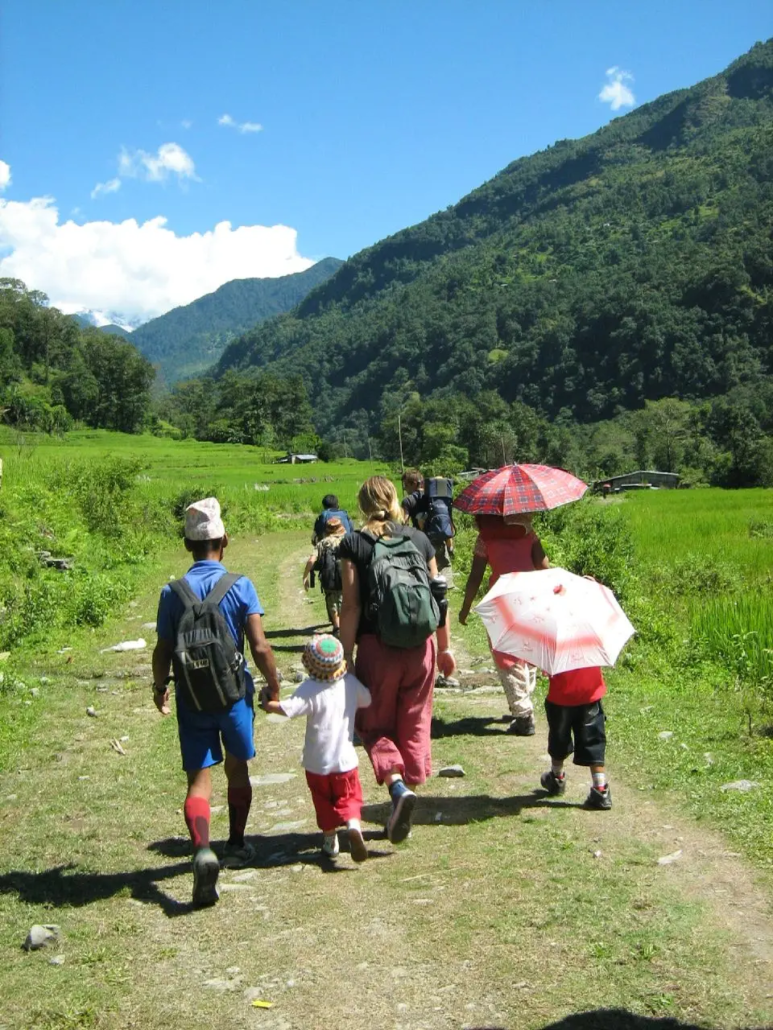
- Cultural Note: The Annapurna region is home to the Gurung and Magar communities whose villages line the lower sections of the route. Ghandruk and Chhomrong in particular have strong cultural identities — trekkers are welcome but expected to dress respectfully, ask before photographing people, and engage thoughtfully. The Annapurna Sanctuary itself is considered sacred by local Gurung communities; grazing animals and certain activities are traditionally restricted within the Sanctuary.
Brief Itinerary
| Day 1 | Arrive Kathmandu (1,400m) — Orientation & Permit Preparation |
| Day 2 | Drive to Pokhara (820m) |
| Day 3 | Drive to Nayapul — Trek to Ghandruk (1,940m) |
| Day 4 | Trek Ghandruk to Chhomrong (2,170m) |
| Day 5 | Trek Chhomrong to Bamboo (2,310m) |
| Day 6 | Trek Bamboo to Deurali (3,230m) |
| Day 7 | Trek Deurali to Annapurna Base Camp (4,130m) via Machhapuchhre Base Camp (3,700m) |
| Day 8 | Descend ABC to Bamboo (2,310m) |
| Day 9 | Trek Bamboo to Jhinu Danda (1,780m) |
| Day 10 | Trek to Nayapul — Drive to Pokhara |
| Day 11 | Fly Pokhara to Kathmandu — Sightseeing |
| Day 12 | Departure from Kathmandu |
Altitude Profile

📅 2026 Departures — Annapurna Base Camp Trek (12 Days)
Click a season to enquire instantly on WhatsApp
Similar Treks

POON HILL TREK
Level: Easy | Duration: 8 Days | Best Time: Mar–May & Sep–Nov | Price: From $950
LANGTANG TREK
Level: Moderate | Duration: 10 Days | Best Time: Mar–May & Sep–Nov | Price: From $995
GOKYO LAKES & RI TREK
Level: Moderate | Duration: 14 Days | Best Time: Mar–May & Sep–Nov | Price: From $1395
KANCHENJUNGA BASE CAMP
Level: Moderate | Duration: 18 Days | Best Time: Mar–May & Sep–Nov | Price: From $2195