
Warwan Valley Trek
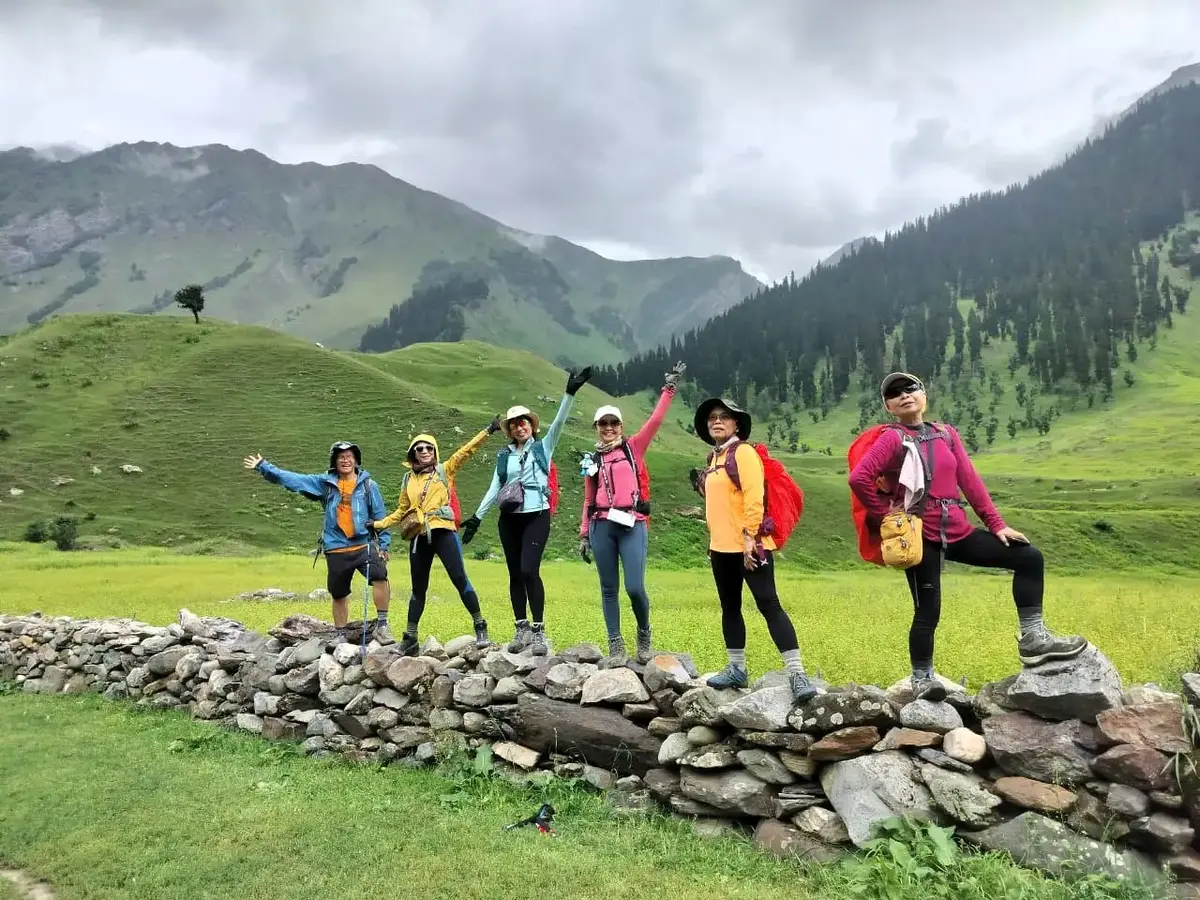
Warwan Valley Trek — Overview
The Warwan Valley Trek is one of the few remaining routes in the Indian Himalaya where you walk for days without seeing a road, a power line, or another trekking group. Starting in Panikhar under the shadow of the Nun-Kun massif and ending at a Srinagar houseboat on Dal Lake, this 11-day traverse crosses two entirely different worlds — the stark high-altitude desert of the Suru Valley in Ladakh and the lush green river valleys of Kashmir — connected by Lomvilad Pass at 4,400m.
The journey begins in Leh, with the two-day drive west through the extraordinary Ladakh landscape — past Lamayuru Monastery and along the Suru Valley beneath the ice faces of Nun (7,135m) and Kun (7,077m) — to the trailhead at Panikhar (3,300m). The trekking section climbs steadily through the high-altitude terrain of the upper Suru drainage over three days before the Lomvilad crossing on Day 6 — the single most demanding and most rewarding day of the route. The views from the pass take in the Nun-Kun massif in its entirety on one side and the Warwan Valley opening green and wide on the other. On the far side, the transition is immediate and total: from bare Ladakhi scree to a lush, inhabited Kashmiri valley with flowing rivers, terraced fields, and birch forests.
The lower Warwan — from the valley floor through Sukhnai to Inshan — is one of the most isolated inhabited sections of any trekking route in India. The villages here have minimal outside contact, the landscapes are extraordinary, and the cultural experience of walking through this community is unlike anything on the more popular Kashmir routes. The final day is a long drive from Inshan through the Chenab Valley and Kishtwar region to Srinagar, where the trip ends on a houseboat on Dal Lake.
Summit Routes runs this trek fully supported with experienced local guides from both Ladakh and Kashmir, horse offloading throughout, and quality A-type camping gear on all tented nights.
Important Notes
- Best Season: July to September. The Lomvilad Pass route is typically snowbound until late June. July and August offer the most reliable conditions for the pass crossing and the finest green conditions in the Warwan Valley. September brings the clearest skies and excellent trekking weather on both the Ladakh and Kashmir sections.
- Difficulty Level: Challenging. The combination of high daily distances (14–16 km on the demanding days), significant altitude gain to 4,400m on Day 6, remote terrain with no road access for seven days, and the length of the full traverse places this among the most demanding routes in the India trekking portfolio. Prior multi-day high-altitude trekking experience is strongly recommended. Read our guide to altitude sickness in the Himalaya before departure.
- Trek Type: Point-to-point traverse — Panikhar (Ladakh) to Inshan (Kashmir). Not a loop. You begin in Leh and end in Srinagar after the full traverse of two regions.
- Highest Point: Lomvilad Pass at 4,400m on Day 6 — one of the highest trekking passes accessible on any fully guided Kashmir-Ladakh route.
- Acclimatisation: Day 1 in Leh at 3,500m is a mandatory rest and acclimatisation day. The drive to Kargil (Day 2, 3,100m) and Panikhar (Day 3, 3,300m) provide further progressive adaptation before trekking begins. Do not skip or shorten Day 1. Read our altitude sickness guide before departure.
- Permits: This route crosses from Ladakh into Kashmir and requires Inner Line Permit documentation for both regions. Summit Routes arranges all permits on your behalf. See our permits guide.
- Camping and Accommodation Mix: The route combines hotel nights in Leh, Kargil, and Panikhar; tented camps on all five trail nights (Days 4–8); a guesthouse at Sukhnai and Inshan; and a houseboat in Srinagar. Full camping kit (A-type tents, Coleman 0°C sleeping bags, kitchen tent, dining tent) is provided for all tented nights. A personal sleeping bag rated to -10°C is recommended for the high camps.
- Fitness Standard: Must be comfortable walking 12–16 km daily on mixed mountain terrain for multiple consecutive days, including sustained steep ascents and descents. Days 5 (Sumdo to Kanital, 15 km / 7–8 hours) and Day 6 (Lomvilad Pass crossing, 16 km / 8–9 hours) are both physically very demanding.
Brief Itinerary
| Day 1 | Arrive Leh (3,500m) — Acclimatisation |
| Day 2 | Drive Leh to Kargil (3,100m) | ~230 km |
| Day 3 | Drive Kargil to Panikhar (3,300m) | ~65 km — Trek Prep |
| Day 4 | Trek Panikhar to Sumdo (3,500m) | ~14 km |
| Day 5 | Trek Sumdo to Kanital (3,800m) | ~15 km |
| Day 6 | Trek Kanital — Lomvilad Pass (4,400m) — Kalapari (3,700m) | ~16 km |
| Day 7 | Trek Kalapari to Warwan Valley Floor (3,300m) | ~15 km |
| Day 8 | Trek Warwan to Sukhnai Village (2,800m) | ~12 km |
| Day 9 | Trek Sukhnai to Inshan (2,200m) | ~14 km |
| Day 10 | Drive Inshan to Srinagar (1,600m) | ~250 km |
| Day 11 | Departure from Srinagar |
Altitude Profile
Warwan Valley Trek — 11-Day Itinerary (Leh to Srinagar)
Route: Leh — Kargil — Panikhar — Sumdo — Kanital — Lomvilad Pass (4,400m) — Kalapari — Warwan Valley — Sukhnai — Inshan — Srinagar
Day 1: Arrive Leh (3,500m) — Mandatory Acclimatisation
- Arrive at Kushok Bakula Rimpochhe Airport (IXL), Leh. Private transfer to hotel.
- Complete rest for the remainder of the day. Leh sits at 3,500m and the body requires at least 24 hours to begin meaningful adaptation — do not exert, do not sightsee, do not trek. Drink water, rest, and sleep early. AMS risk is highest in the first 24 hours at Leh altitude.
- Short walks around Leh town (staying below 3,600m) are acceptable in the late afternoon only.
- Trek briefing, permit verification, and equipment check with your Summit Routes guide in the evening.
- Overnight: Hotel The Sipa Ladakh, Leh
- Meals: Dinner
Day 2: Drive Leh to Kargil (3,100m)
Drive: ~230 km | 6–7 hours via Fotu La and Namika La
- Depart Leh early by private vehicle. The road descends from Leh along the Indus River before climbing over the two passes — Namika La (3,718m) and Fotu La (4,094m) — that define the Kargil corridor. A roadside stop at Lamayuru Monastery is worthwhile — one of the oldest and most dramatically positioned monasteries in Ladakh, perched above a moonscape of eroded cliffs.
- Kargil (3,100m) is the second-largest town in Ladakh — a market town in the Suru Valley with a distinctly different character from Leh. Hotel check-in and rest.
- Overnight: Royal Gasho, Kargil
- Meals: Breakfast, Dinner
Day 3: Drive Kargil to Panikhar (3,300m) — Trek Preparation
Drive: ~65 km | 2–3 hours via the Suru Valley
- A scenic drive south along the Suru Valley — the approach corridor dominated by the ice faces of Nun (7,135m) and Kun (7,077m). These two peaks form the Nun-Kun massif, the highest mountains outside the Greater Himalaya range accessible from the Kashmir-Ladakh corridor, and they are visible for much of the drive from Kargil onward.
- Panikhar (3,300m) is the last significant settlement before the trekking section begins — a village at the base of the Lomvilad approach corridor. The trekking crew, horses, and camp equipment are staged here. Finalize all logistics, confirm horse loading, and verify permits.
- Afternoon free for rest and preparation — the serious walking begins tomorrow.
- Overnight: Guesthouse in Panikhar
- Meals: Breakfast, Dinner
Day 4: Trek Panikhar to Sumdo (3,500m)
Trek: ~14 km | 6–7 hours
- The trek begins on a gradual ascent through open meadows and small settlements in the upper Suru drainage. Nun-Kun dominates the eastern skyline for the full day — the ice faces of both peaks are visible continuously as the trail climbs.
- Pass through several Suru Valley villages — interaction with local communities is part of what makes this route distinct. The culture here is a mix of Ladakhi Buddhist and Kashmiri Muslim, and the villages reflect both traditions.
- Camp at Sumdo (3,500m) — a riverside meadow campsite where the valley narrows and the high terrain ahead begins to define the route.
- Overnight: Tented camp at Sumdo
- Meals: Breakfast, Lunch, Dinner
Day 5: Sumdo to Kanital (3,800m)
Trek: ~15 km | 7–8 hours
- A demanding day of steeper ascents and river crossings as the route climbs deeper into the upper valley. The terrain becomes progressively more alpine — meadow giving way to boulder and scree as altitude increases.
- The trail follows the main tributary upstream, crossing it at several points on natural ford crossings. In July and August, these crossings can carry significant meltwater flow — the guide leads all river crossings.
- Camp at Kanital (3,800m) — the highest camp of the pre-pass section, and the staging ground for tomorrow's Lomvilad crossing. Early dinner and sleep; tomorrow is the longest and hardest day of the trek.
- Overnight: Tented camp at Kanital
- Meals: Breakfast, Lunch, Dinner
Day 6: Kanital — Lomvilad Pass (4,400m) — Kalapari (3,700m)
Trek: ~16 km | 8–9 hours — the hardest and most rewarding day of the trek
- Early start from Kanital. The ascent to Lomvilad Pass (4,400m) gains 600m from camp on a sustained climb through boulder, scree, and — in early season — snow. This is the most physically demanding section of the entire route; pace conservatively and follow the guide's lead.
- The pass is the defining moment of the Warwan Valley Trek. To the east: the Nun-Kun massif in full elevation, its glaciers and ice ridges visible with extraordinary clarity from the 4,400m vantage. To the west: the Warwan Valley opening below — green, wide, and lush in total contrast to the bare Ladakhi terrain behind you. This is the watershed between two worlds, and standing on it is worth every step of the days preceding it.
- Descend steeply to Kalapari (3,700m) on the Warwan side. The descent is rocky and demanding on the legs — trekking poles essential. Camp in the valley below the pass.
- Overnight: Tented camp at Kalapari
- Meals: Breakfast, Lunch, Dinner
Day 7: Kalapari to Warwan Valley Floor (3,300m)
Trek: ~15 km | 6–7 hours
- The descent continues into the heart of the Warwan Valley — the transformation from arid Ladakhi terrain to lush Kashmiri valley floor is rapid and complete. The first birch and fir trees appear above 3,000m; by the valley floor the landscape is fully forested and intensely green.
- Follow the Warwan River downstream through a succession of riverside meadows and past several remote valley settlements. The trail becomes wider and easier as the valley floor broadens. The population density in the upper Warwan is extremely low — many groups walk an entire day without seeing another person.
- Overnight: Tented camp on the Warwan Valley floor
- Meals: Breakfast, Lunch, Dinner
Day 8: Warwan Valley to Sukhnai Village (2,800m)
Trek: ~12 km | 5–6 hours
- An easier day following the river downstream on a well-defined trail through the valley floor. The scenery is among the most beautiful of the entire trek — broad meadows flanked by pine-covered ridges, the Warwan River running clear and fast beside the path.
- Sukhnai Village (2,800m) is one of the most remote inhabited settlements in Kashmir — a compact community with almost no outside contact and a way of life that has changed little in generations. Your guide introduces the group to local families; the cultural immersion here is one of the most distinctive experiences on the entire route.
- Overnight: Guesthouse in Sukhnai
- Meals: Breakfast, Lunch, Dinner
Day 9: Sukhnai to Inshan (2,200m)
Trek: ~14 km | 6–7 hours
- The final full day of trekking — a gradual descent through pine and fir forest along the Warwan River toward the first road access at Inshan. The forest becomes progressively denser and the terrain more characteristic of lowland Kashmir as altitude drops. Wildlife sightings are common in this lower section.
- This day represents the full completion of the Ladakh-to-Kashmir traverse — from the Leh plateau at 3,500m, over a 4,400m pass, through an isolated Himalayan valley, and down to the Kashmir forest. The sense of having genuinely crossed a mountain range from one culture to another is the defining feeling of the Warwan Valley Trek.
- Overnight: Guesthouse in Inshan
- Meals: Breakfast, Lunch, Dinner
Day 10: Drive Inshan to Srinagar (1,600m)
Drive: ~250 km | 8–9 hours via Kishtwar and Chenab Valley
- A long final drive from Inshan through the Kishtwar region and down the Chenab River valley — one of the more dramatic road sections in the western Himalaya, passing through deep river gorges and forested ridges as the road works its way from the inner mountains to the Kashmir Valley.
- Arrive Srinagar in the late afternoon or early evening. Check in to the Houseboat Monalisa or similar on Dal Lake. The combination of a hot shower, a proper dinner, and an evening on Dal Lake after nine days on the trail is one of the finest possible endings to any Kashmir-Ladakh trek.
- Overnight: Houseboat Monalisa or similar, Dal Lake, Srinagar
- Meals: Breakfast, Dinner
Day 11: Departure from Srinagar
- Transfer to Sheikh ul-Alam International Airport (SXR) for onward travel. Direct flights connect Srinagar to Delhi (1.5 hrs) and several other Indian cities.
- Optional morning: Dal Lake shikara ride, Shalimar Bagh, or the Lal Chowk bazaar if your departure time allows.
- Meals: Breakfast
IN-29 – Warwan Valley Trek (11 Days)
Starting from USD 1,550 per person
(Based on 2 trekkers, twin sharing)
👉 Request Custom Itinerary & QuoteA remote Himalayan traverse through one of Kashmir's most isolated valleys — with full logistical support, experienced local team, and accommodation mix from Leh hotel to Dal Lake houseboat.
INCLUDED
- All private transportation throughout the programme (Leh airport transfers, Leh–Kargil–Panikhar drive, Inshan–Srinagar return drive)
- 10 nights accommodation:
- 1 night hotel in Leh (twin sharing) — Hotel The Sipa Ladakh — Day 1
- 1 night hotel in Kargil (twin sharing) — Royal Gasho — Day 2
- 1 night guesthouse in Panikhar (twin sharing) — Day 3
- 5 nights tented camps on trek (twin sharing, A-type alpine tents with sleeping mats) — Days 4–8 (Sumdo, Kanital, Kalapari, Warwan Valley, Sukhnai)
- 1 night guesthouse in Inshan — Day 9
- 1 night houseboat in Srinagar — Houseboat Monalisa, Dal Lake, or similar — Day 10
- All trekking and camping gear: A-type alpine tents (twin sharing), Coleman Palmetto 0°C sleeping bags, inflatable mats and pillows, trekking poles (one per person), camping chairs and tables, dining tent, kitchen tent
- All cooking staff: cook, assistant, LPG stoves and cooking utensils
- English-speaking local mountain guide throughout the full 11 days (J&K Tourism Department licensed; Hindi/Urdu/Kashmiri-speaking guide available on request)
- Local assistant guide from 4 trekkers
- Horse/mule offloading — up to 20 kg main bag carried between all camp sections
- All trek permits (Ladakh Inner Line Permit and Kashmir entry documentation)
- Medical oxygen and first aid kit carried throughout
- All meals as specified in the day-to-day itinerary
- All government taxes and service charges
NOT INCLUDED
- International or domestic flights to/from Leh (IXL) or Srinagar (SXR)
- Travel insurance (mandatory — must cover trekking above 4,500m and helicopter evacuation)
- Personal trekking equipment (boots, clothing, personal sleeping bag liner)
- Personal expenses and optional snacks beyond standard meals
- Tips for guide, cook, and horse handlers
- Anything not mentioned under "Included"
Group Pricing (indicative per person)
| Group Size | Price (USD) per Person |
|---|---|
| 2 persons | 1,550 |
| 3–4 persons | 1,350 |
| 5–8 persons | 1,200 |
| 9+ persons | On request |
Accommodation
Leh (Day 1 — 1 Night)
The arrival night in Leh is at Hotel The Sipa Ladakh (twin sharing, attached bathroom, hot shower, Wi-Fi). This night is entirely for rest and acclimatisation — the most important single night of the trip. No sightseeing, no exertion, early sleep. The hotel is well positioned in Leh for the early morning departure to Kargil the following day.
Kargil (Day 2 — 1 Night)
Royal Gasho, Kargil (twin sharing, attached bathroom). One of the better-appointed hotels in Kargil, centrally located with a good dining room. The night here gives the body a second day of gradual adaptation — the altitude at Kargil (3,100m) is actually slightly lower than Leh, which helps recovery before the drive to Panikhar and the start of trekking.
Panikhar (Day 3 — 1 Night)
Basic guesthouse in Panikhar (3,300m) — the last village before the trekking section begins. Simple rooms, attached or shared facilities, and home-cooked food. This is a preparation night — loads are packed, horses are staged, and the trekking crew is fully assembled before departure the following morning.
Tented Camps — Days 4–8 (5 Nights)
Five consecutive nights in A-type alpine tents at Sumdo (3,500m), Kanital (3,800m), Kalapari (3,700m), Warwan Valley floor (3,300m), and Sukhnai (2,800m). Summit Routes provides Coleman 0°C sleeping bags, inflatable mats, pillows, a dining tent, kitchen tent, and a cook team for all camp nights. Horse offloading carries the camp infrastructure between sites.
The camp at Kanital (3,800m) is the coldest of the route — the night before the Lomvilad Pass crossing. A personal sleeping bag liner is recommended for this night and for Kalapari. The camps at Warwan Valley floor and Sukhnai are significantly warmer as the route descends into the lower Kashmir valley system.
Inshan (Day 9 — 1 Night)
Basic guesthouse in Inshan (2,200m) — the trek's final overnight before the long road drive to Srinagar. Simple facilities; the emphasis is on rest after nine days of high-altitude trekking before the drive day.
Srinagar (Day 10 — 1 Night)
Houseboat Monalisa, Dal Lake, or a similar traditional houseboat on Dal Lake. After nine days in the mountains — four of them at altitude over 3,500m and one crossing a 4,400m pass — the combination of a Dal Lake houseboat, a hot shower, a proper dinner, and the gentle sound of water below the cedar hull is one of the finest possible ways to close any Kashmir or Ladakh trek.
What to Pack — Warwan Valley Trek
The Warwan Valley Trek spans 3,500m in Leh to 4,400m at Lomvilad Pass, then descends all the way to 2,200m at Inshan — the greatest altitude range of any route in the Summit Routes India portfolio, across two completely different climate zones. Pack for Ladakhi high-desert conditions on the approach (dry, cold, intense UV) and for the lush, occasionally wet lower Warwan Valley on the descent. Summit Routes provides all camping gear — A-type tents, Coleman 0°C sleeping bags, mats, and pillows — and the horse team carries your main duffel between campsites. You carry only a personal daypack on trail.
Clothing & Layers
- Heavy down jacket rated to -10°C — for the Kanital camp night (3,800m) before the pass, the Kalapari camp (3,700m), and the early-morning Lomvilad Pass departure. The high camps on this route are among the coldest in the India portfolio.
- Waterproof hardshell jacket — essential for the pass crossing (wind at 4,400m can be severe) and for the lower Warwan Valley where afternoon rain is possible in July–August.
- Fleece mid-layer × 2
- Moisture-wicking base layers (top and bottom) × 3–4 — the route spans 10 days without laundry access above Panikhar. Merino wool manages the temperature range and multi-day odour better than synthetic.
- Trekking trousers × 2 — lightweight and fast-drying.
- Waterproof over-trousers — for the Lomvilad Pass crossing and for wet conditions in the lower Warwan.
- Thermal leggings × 2 — for Kanital and Kalapari nights at 3,700–3,800m.
- Balaclava — for the early-morning Lomvilad Pass departure from Kanital. Wind at 4,400m in the Suru-Warwan corridor can be severe even in August.
- Wide-brimmed sun hat and warm hat — both. UV on the Ladakh approach (Days 3–6) is extreme at altitude in a dry, high-altitude sky.
- Trekking gloves — lightweight pair for the approach days and a heavier insulated pair for the Lomvilad Pass crossing.
- Trekking socks × 5–6 pairs — heavyweight wool preferred for 7 consecutive trail days.
- Camp shoes or sandals — for guesthouse and camp evenings throughout the route.
Footwear
- Waterproof trekking boots — fully broken in before arrival. The route includes significant river crossings on Days 5 and 6, rocky scree terrain on the Lomvilad approach, and forested trail with wet sections in the lower Warwan. This is arguably the most demanding boot test of any route in the India portfolio — waterproofing, ankle support, and full break-in are all essential.
- Trekking poles × 2 — mandatory for this route. The river crossings on Days 5–6, the Lomvilad ascent, and the steep rocky descent from the pass to Kalapari all require pole support. Two poles are significantly safer on this terrain.
Personal Health & Safety
- Altitude medication — the route reaches 4,400m at Lomvilad Pass, starting from Leh at 3,500m. Consult your doctor about Diamox well before departure. Read our guide to altitude sickness in the Himalaya. The Leh arrival acclimatisation day (Day 1) is non-negotiable.
- Personal first aid kit — blister plasters, ibuprofen, paracetamol, antihistamines, rehydration sachets. Leh has good pharmacies; Kargil has basic supplies; Panikhar onward has nothing.
- UV-protective sunglasses — Category 3 or 4 — UV at 3,500–4,400m on the Ladakh approach and the open pass terrain is extreme, particularly with snow/scree reflection near the pass. Category 4 is strongly recommended for Day 6.
- High-SPF sunscreen (50+) — the Suru Valley and pass terrain is exposed and dry. Apply to all skin including neck and ears. Carry enough for 11 days.
- Lip balm with SPF — wind and UV at 4,400m combine to cause severe lip damage.
- Insect repellent — useful in the lower Warwan Valley on Days 8–9 when the trail passes through pine forest at lower altitude.
- Hand sanitiser and wet wipes — important for hygiene across 7 camp/guesthouse nights without reliable washing facilities.
- Personal prescription medicines — carry double your required quantity. No pharmacy above Panikhar.
Gear & Equipment
- Sleeping bag liner rated to -5°C or warmer — Summit Routes provides Coleman 0°C sleeping bags; a personal liner adds a critical margin of warmth at the Kanital (3,800m) and Kalapari (3,700m) camps. This is the most important personal gear addition for this route.
- Trekking daypack (25–35L) — carries personal items on trail. The horse team carries your main duffel.
- Main duffel bag (60–70L, soft-sided) — for horse loading. Maximum 20 kg. No hard-framed luggage.
- Headlamp + spare lithium batteries — for the early Lomvilad Pass start and for navigating guesthouses and camps after dark. Cold at 3,800m drains alkaline batteries; use lithium for the high camp nights.
- Insulated water bottle (1L) — standard bottles may freeze at the Kanital camp overnight before the pass. Keep your bottle inside your sleeping bag the night before the pass crossing.
- Water purification tablets — as backup for river and stream water on the trail, particularly in the lower Warwan where water quality is variable.
- Power bank — no electricity from Panikhar (Day 3) through Inshan (Day 9). Charge devices fully in Leh before departure. A bank covering 8 days of camera and phone use is needed.
- Dry bag or waterproof pack cover — both for the river crossings on Days 5–6 and for rain in the lower Warwan on Days 8–9.
Documents & Money
- Original ID / Passport — required for Ladakh Inner Line Permit and Kashmir entry documentation. Carry throughout. Army and police checkposts on this route require ID.
- Travel insurance documents — must cover trekking above 4,500m and helicopter evacuation. Mandatory for participation.
- Cash in Indian Rupees — ATMs available in Leh and Kargil. There are no ATMs in Panikhar, the Warwan Valley, or Inshan. Withdraw sufficient cash in Leh or Kargil for all personal expenses through Day 10, including tips (guide, cook, horse handlers).
Optional but Useful
- Camera with multiple spare batteries — the Lomvilad Pass panorama (Nun-Kun behind, Warwan below) and the remote Warwan Valley villages are among the finest photographic opportunities on any India trek. Cold at 3,800m drains batteries rapidly.
- Lightweight down trousers — for cold evenings at Kanital and Kalapari.
- Hand warmers — for the Lomvilad Pass morning and the cold Kanital camp night.
- High-energy trail snacks — energy bars, nuts, chocolate, electrolytes. Bring a full 7-day supply from Leh or Kargil; nothing is available above Panikhar.
For a complete Himalayan packing guide with brand recommendations and a printable checklist, see our Himalayan Trekking Gear List →
Safety & Emergency Protocols — Warwan Valley Trek
Your safety is the absolute priority on every Summit Routes trek. The Warwan Valley Trek is the most logistically complex route in the India portfolio — it crosses from Ladakh to Kashmir via a 4,400m pass, involves 7 days without road access, spans two administrative regions with different emergency response systems, and includes terrain that ranges from Ladakhi high desert to dense Kashmiri forest. Below is a full account of the safety protocols and emergency procedures maintained on every departure.
Acclimatisation — Leh Arrival
The trek begins in Leh at 3,500m — one of the highest airports in commercial aviation. The mandatory Day 1 rest in Leh is the single most important safety investment of the entire journey. The drive from Leh to Kargil (Day 2) reduces altitude slightly to 3,100m, providing additional passive acclimatisation before the trek ascent begins. The guide conducts pulse oximeter assessments on Days 1–2 in Leh and Kargil; any trekker showing concerning symptoms will not proceed to Panikhar until cleared.
First Aid & Medical Equipment
- Comprehensive expedition first aid kit carried by the lead guide throughout all 11 days
- Medical oxygen carried on all departures — available at all camp nights above 3,500m and for the Lomvilad Pass crossing
- Pulse oximeter for blood-oxygen monitoring from Panikhar onward — readings taken each morning and compared against baseline
- Basic medications including Diamox, Dexamethasone, Nifedipine, analgesics, rehydration salts, and wound and blister care supplies
Evacuation Procedure
Panikhar and lower Suru Valley (Days 3–4):
- Vehicle access at Panikhar — direct drive to Kargil (~65 km, 2–3 hours) for hospital care. Government Hospital, Kargil is the nearest medical facility for the Suru Valley approach section.
Sumdo and Kanital (Days 4–5):
- Assisted descent to Panikhar road access: approximately 6–10 hours on foot from Kanital, followed by vehicle transfer to Kargil.
- Helicopter landing may be possible in the broader meadow sections above Sumdo in clear weather.
Lomvilad Pass and Kalapari (Day 6):
- If the pass crossing is partially completed, the guide determines whether to descend back to Kanital (Ladakh side) or continue to Kalapari (Kashmir side) based on conditions and medical situation.
- From Kalapari (Kashmir side), helicopter access into the upper Warwan Valley is possible in good weather — this is the primary emergency route from the post-pass section.
Warwan Valley, Sukhnai, and Inshan (Days 7–9):
- The lower Warwan Valley section is the most remote on the entire route — no road access until Inshan on Day 9. Helicopter landing in the open meadows of the Warwan Valley floor is the primary evacuation route for serious cases from Days 7–8.
- Ground evacuation from Sukhnai to Inshan road access: approximately 6–8 hours on foot, followed by vehicle transfer toward Kishtwar or Srinagar.
Medical Facilities:
- Government Hospital, Kargil — primary facility for the Ladakh approach section (Days 3–6)
- District Hospital, Kishtwar — nearest facility accessible from the lower Warwan / Inshan section (Days 7–9)
- SKIMS Medical College Hospital (Soura), Srinagar — main referral centre for the full route
Guide Training & Certifications
- All trekking guides are licensed by the J&K Tourism Department / Ladakh Union Territory Tourism as appropriate to their operating region
- Wilderness first aid training and high-altitude awareness certification
- The Warwan Valley Trek uses guides with direct experience of both the Ladakh approach section and the Kashmir descent — guides familiar only with one region are not deployed on this route
- Minimum of two prior Warwan Valley Trek completions required for every lead guide
Travel Insurance — Mandatory Requirement
Valid travel insurance is a non-negotiable condition of participation on this trek.
- Must cover trekking above 4,500 metres
- Must include emergency helicopter evacuation — the Warwan Valley section (Days 7–8) has no road access and helicopter rescue is the only viable option for serious cases
- Must cover medical hospitalisation and emergency repatriation in both Ladakh and Kashmir
- The insurance policy must be shared with Summit Routes before departure
- Trekkers without valid insurance cannot join this trek — no exceptions
See our Insurance & Permits FAQ for guidance.
Emergency Contact Protocol During the Trek
For Family / Next of Kin
A dedicated emergency contact number is provided before departure. Our Srinagar/Leh operations coordinators monitor every active Warwan Valley departure and will contact your nominated next-of-kin within 2 hours of any serious incident.
On the Trail
Mobile signal is available in Leh (Day 1), Kargil (Day 2), Panikhar (Day 3), and Srinagar (Days 10–11). Signal is absent from Sumdo onward (Days 4–9) through to Inshan. Emergency communications from the Warwan Valley section are managed through the guide's pre-arranged protocol with the Srinagar and Kargil operations bases.
Rescue Coordination
Summit Routes maintains coordination with the J&K Emergency Services, Ladakh UT Tourism and Administration, Kishtwar District Administration, and SKIMS Medical College Hospital, Srinagar.
Altitude Sickness (AMS) — Our Policy
AMS is a significant risk on this route, with the base at 3,500m in Leh and the highest point at 4,400m on Day 6. The acclimatisation profile:
- Day 1: Leh — 3,500m (mandatory full rest)
- Day 2: Kargil — 3,100m (slight descent aids adaptation)
- Day 3: Panikhar — 3,300m
- Day 4: Sumdo — 3,500m
- Day 5: Kanital — 3,800m
- Day 6: Lomvilad Pass — 4,400m (then down to Kalapari 3,700m same day)
Any trekker showing signs of HACE or HAPE will be descended immediately. This decision is non-negotiable and cannot be overridden by the trekker.
The guide's assessment at Kanital (Day 5 evening) is the final fitness gate before the Lomvilad Pass commitment on Day 6. Any trekker not cleared will remain at Kanital for a rest day or begin descent to Panikhar, as the guide determines. Read our complete altitude sickness guide before departure.
Have a safety question before booking?
Contact our team on WhatsApp (+91 96222 44022) or email info@summitroutes.com.
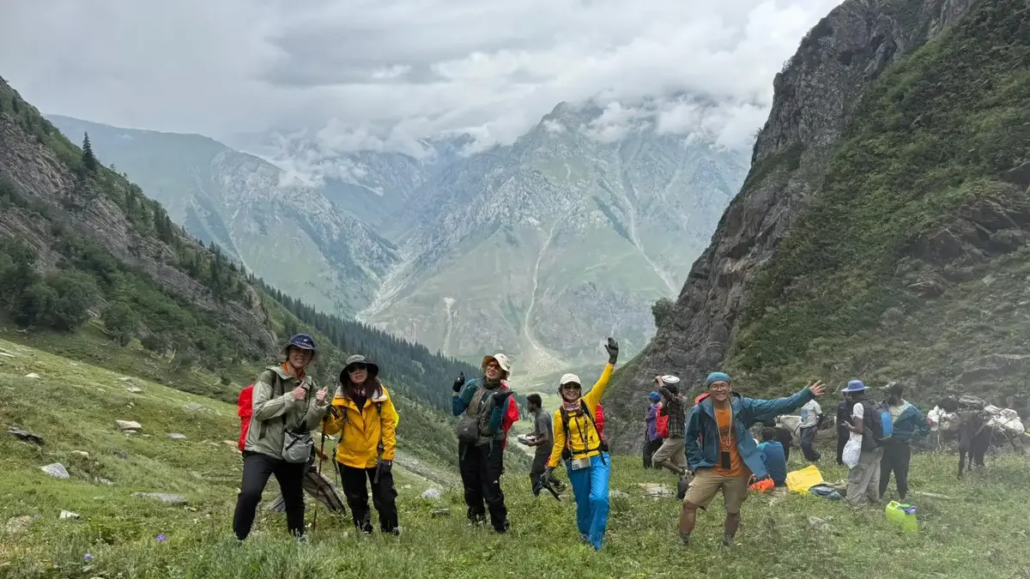
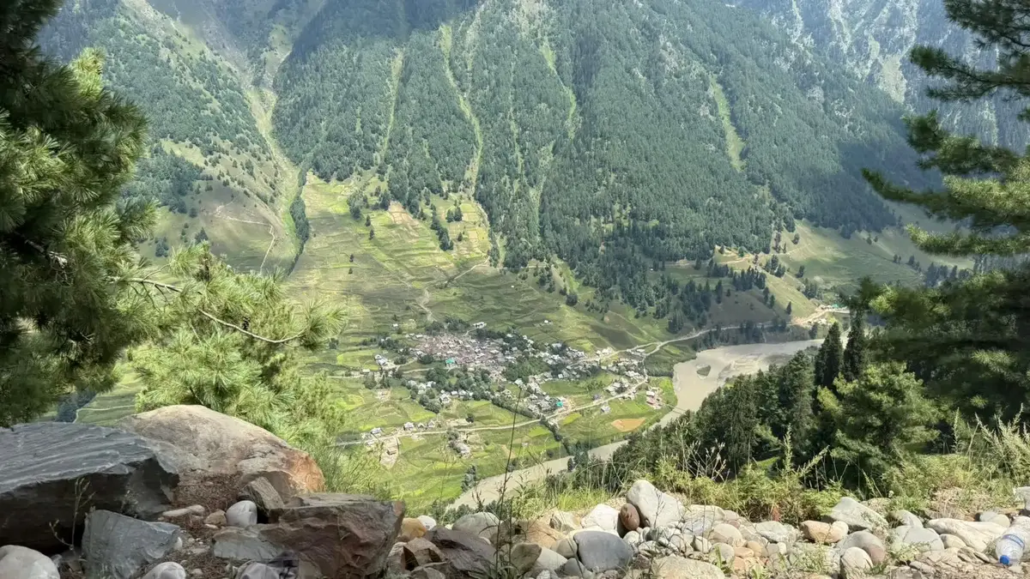
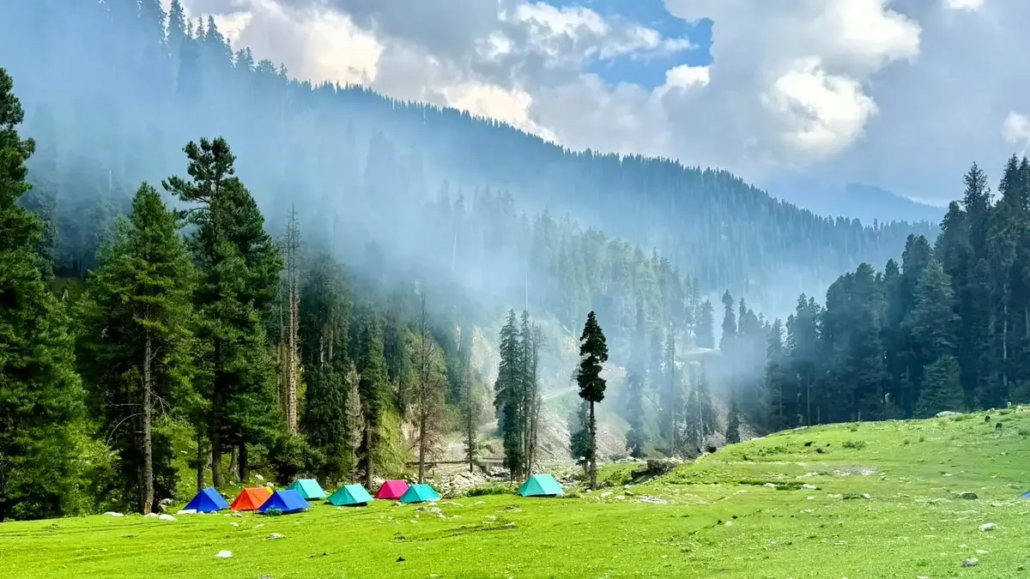
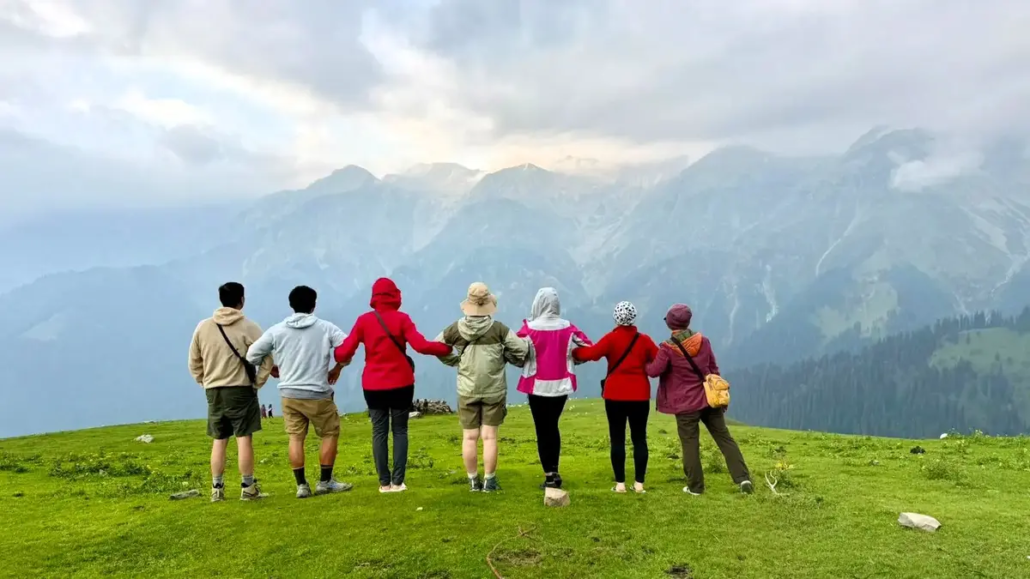
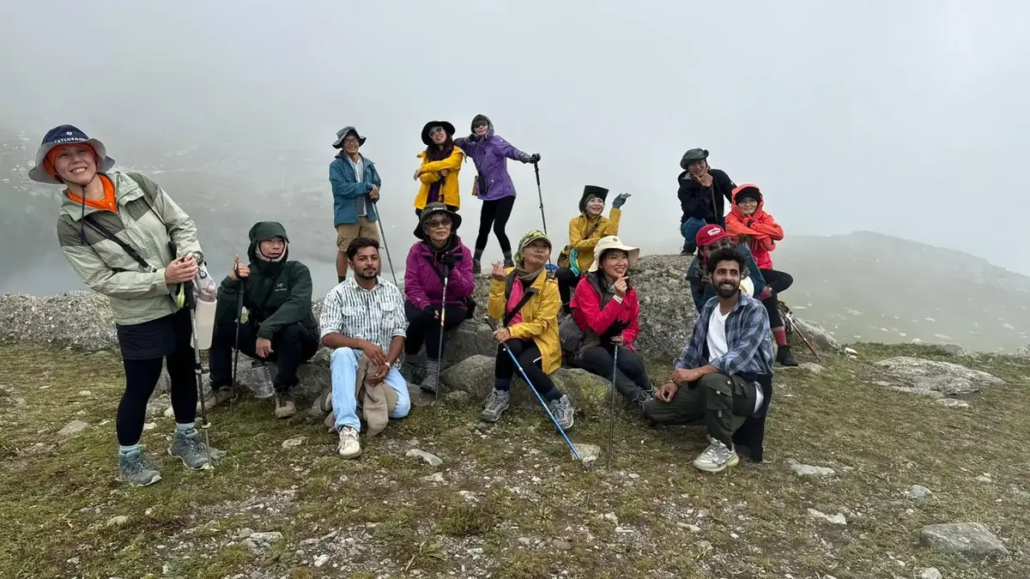
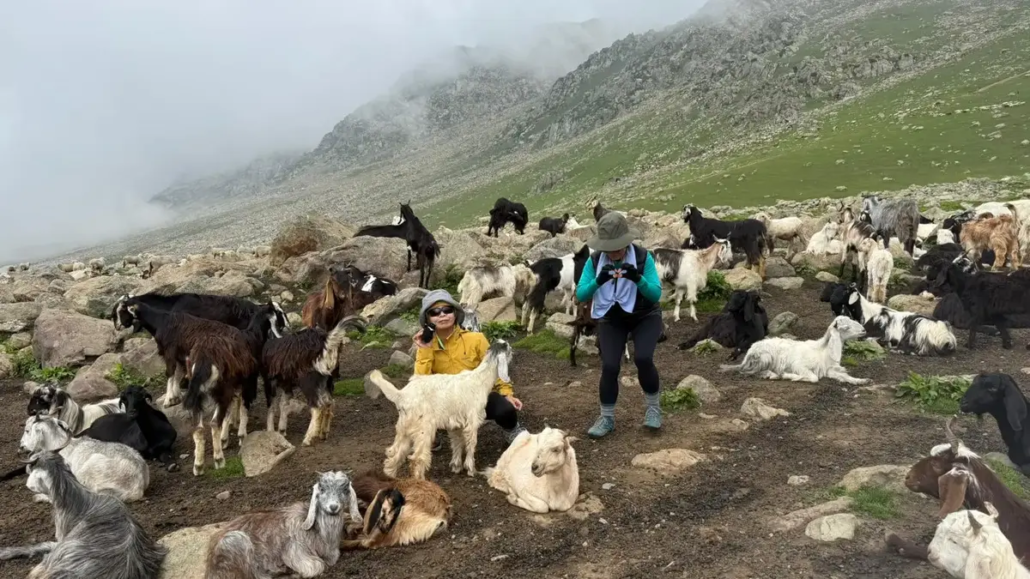
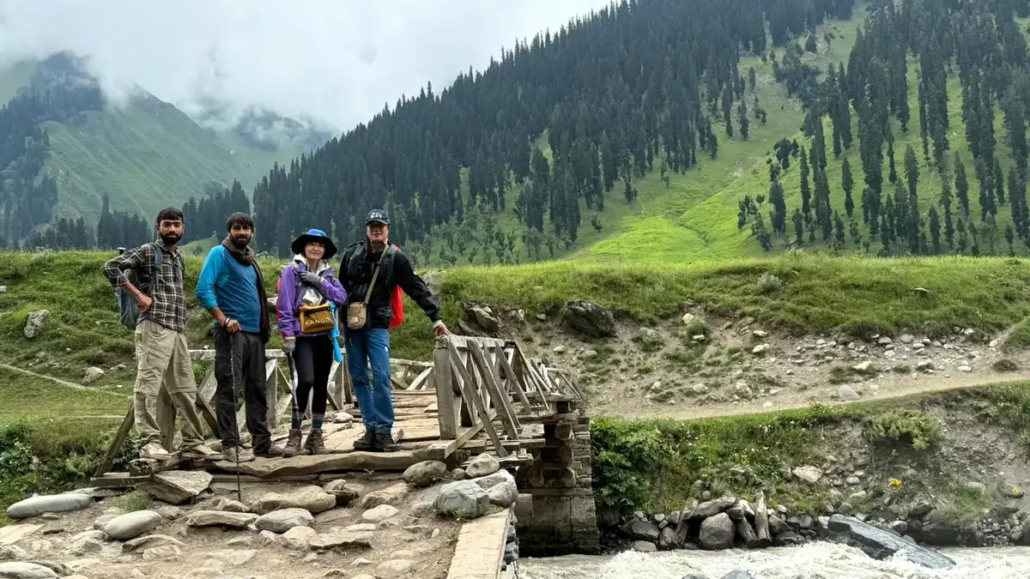
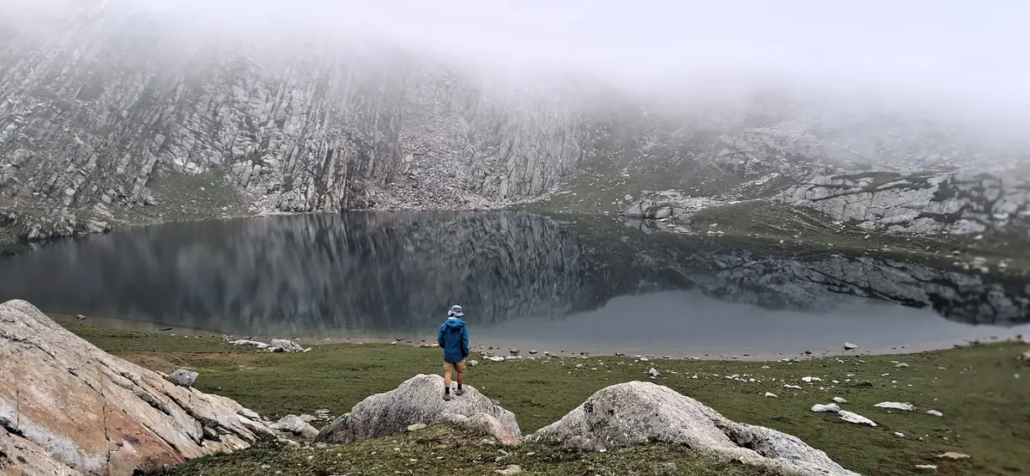
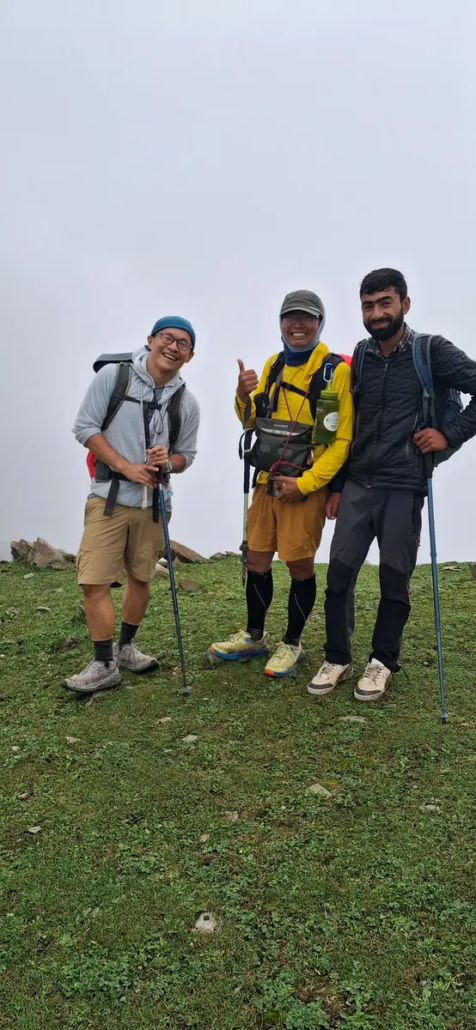
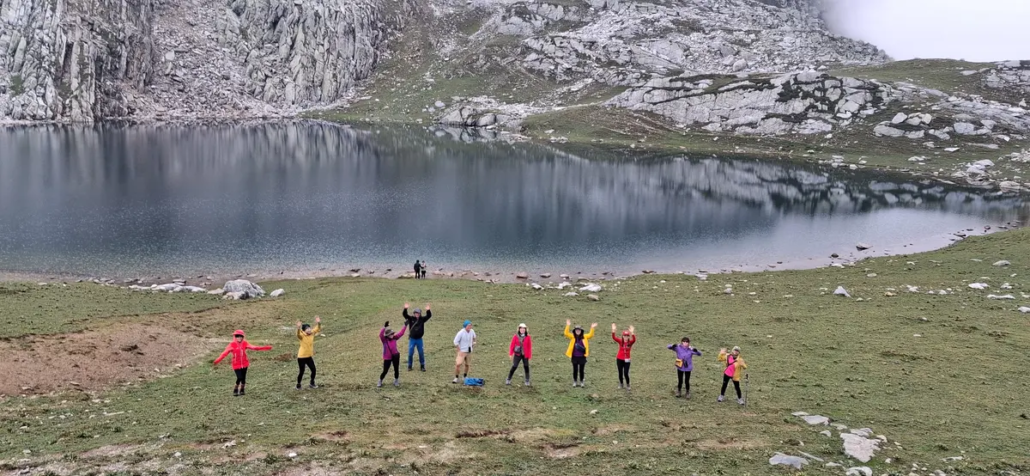
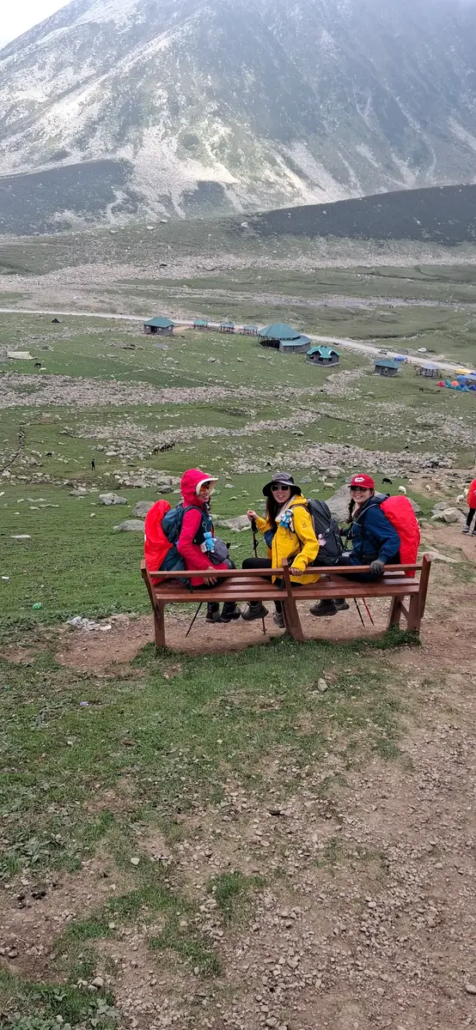
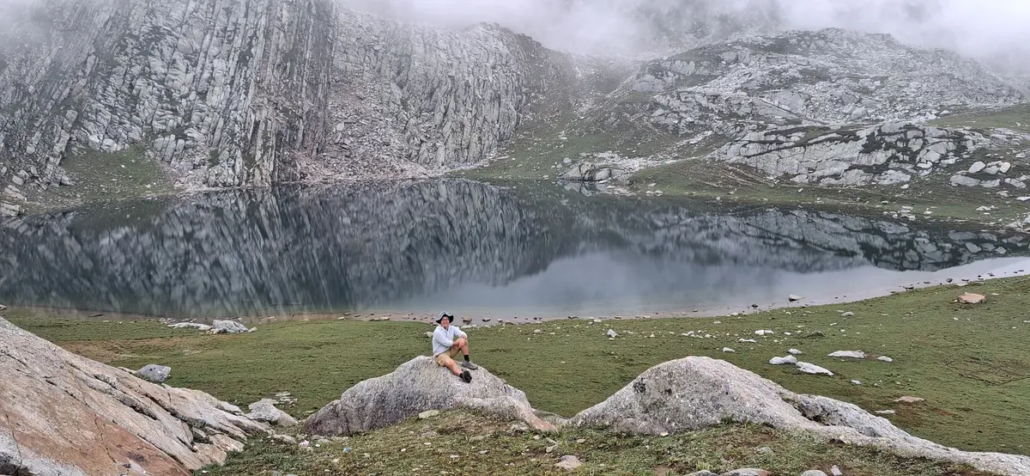
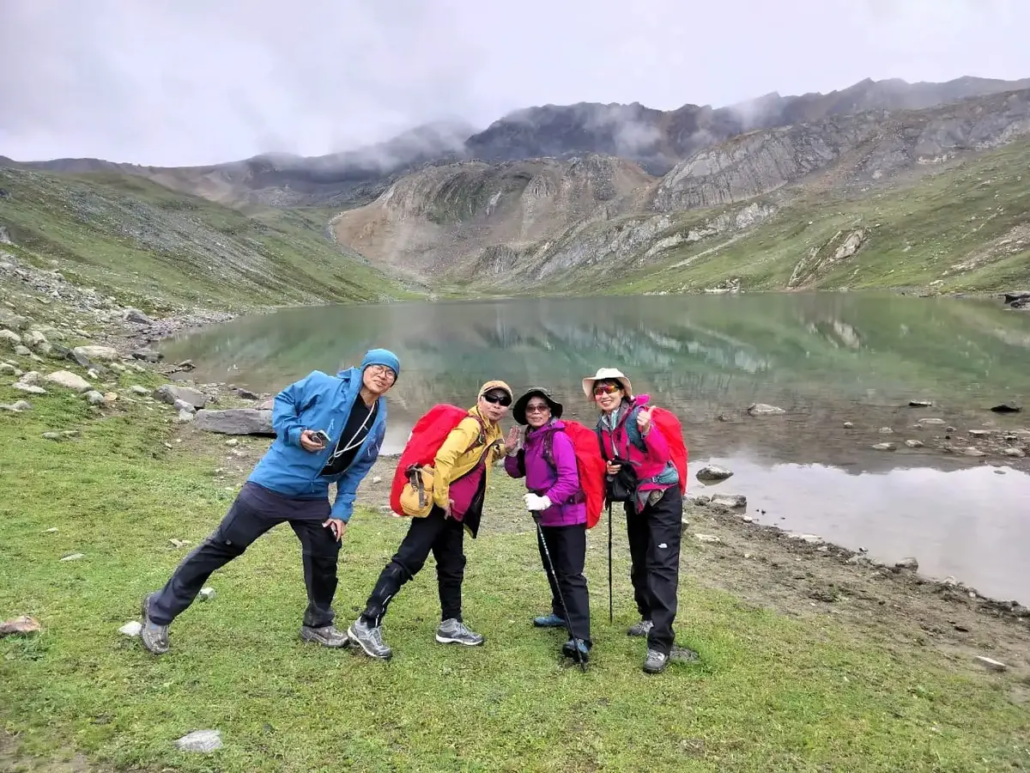
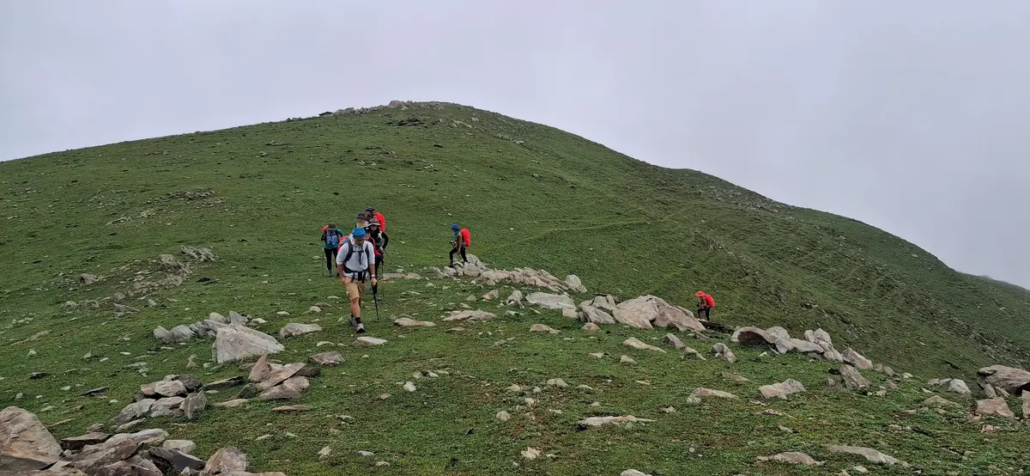
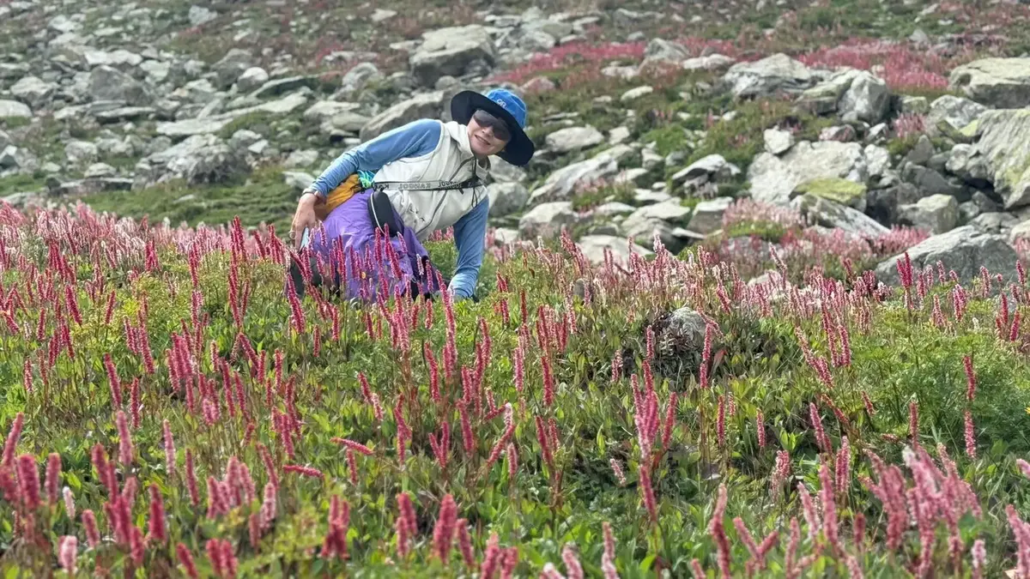
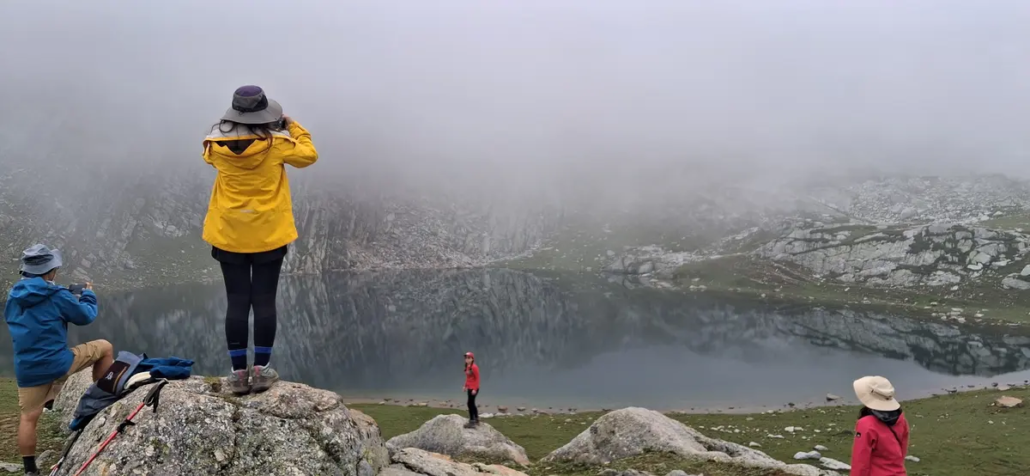
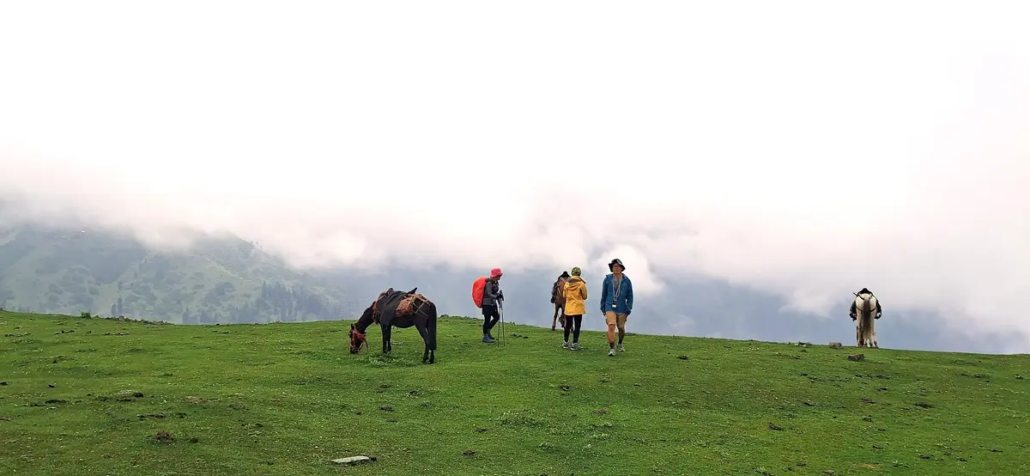
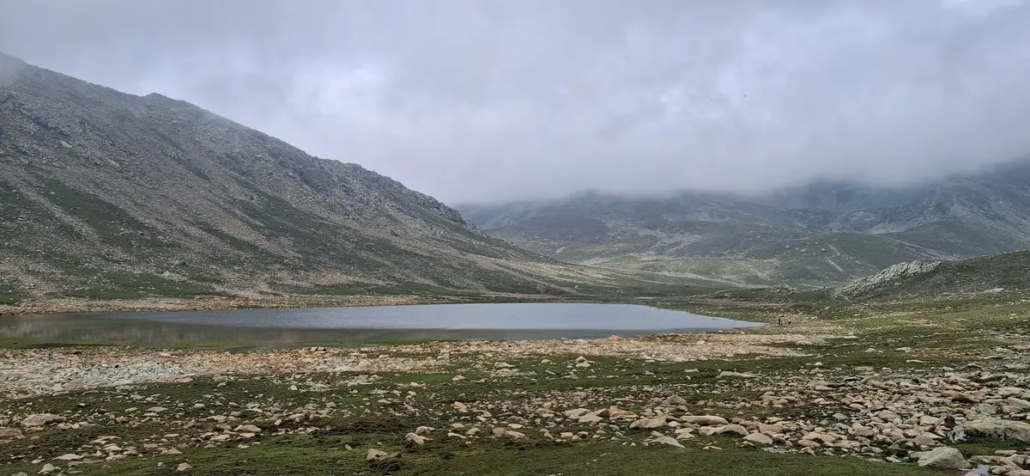
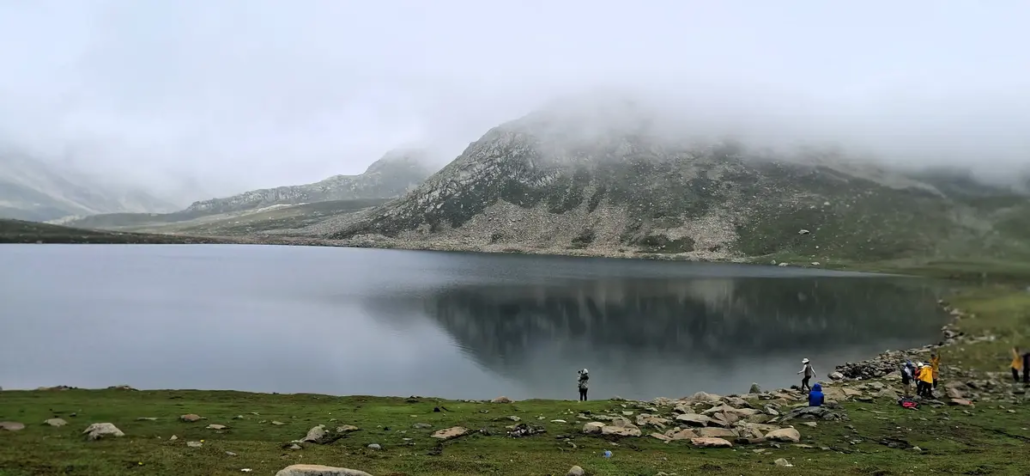
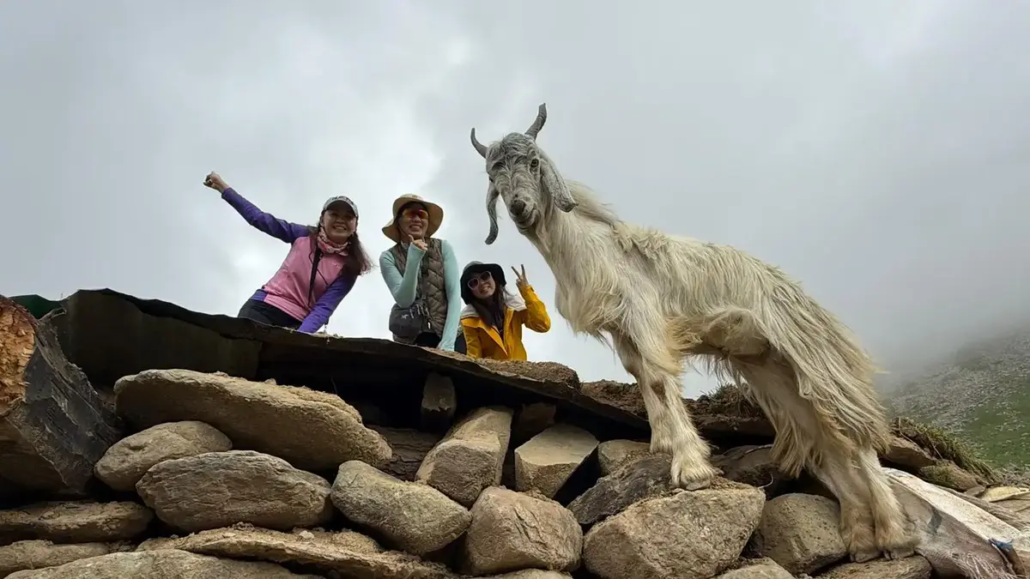
The Warwan Valley Trek is a demanding, remote, and largely uncharted route by mainstream trekking standards. Daily walking is 6–8 hours across high passes, river crossings, and trail-less terrain where the route itself requires local knowledge to navigate. There are no crowds, no trail infrastructure, and no margin for unpreparedness. For experienced trekkers who want something genuinely off the beaten path in Kashmir, it is one of the most rewarding routes we operate. For everyone else, we will suggest building up to it first.
Prior high-altitude multi-day trekking experience is essential. The Warwan Valley is not a route where you learn as you go — the remoteness, the river crossings, and the absence of any established trail infrastructure demand that you arrive already knowing what you are doing in the mountains. If you have done the Kashmir Great Lakes or a comparable route and want to go further, this is the natural next step. Get in touch and we will assess together whether you are ready.
The viable window is late June through mid-September. July and August are the most accessible months, though river levels from snowmelt can make crossings demanding earlier in the season. September is our preferred timing — water levels drop, the skies clear, the valley is at its most vivid, and you will likely encounter almost no other trekkers. We schedule departures carefully around conditions and will advise on timing when you enquire.
The Warwan Valley falls within a restricted and ecologically sensitive zone requiring forest department clearances and inner line permissions for certain sections. We arrange all permits on your behalf before departure. Given how rarely this valley sees organised trekking groups, permit arrangements require lead time — early booking is strongly advised.
Our packages include all camping equipment, meals throughout, a licensed local guide, full support crew, pack animals, all required permits, and transfers from Srinagar to the trailhead and back from the exit point. We will provide a clear, itemised cost breakdown when you book so there are no surprises on the ground.
The trek typically starts from Inshan near Sonamarg or from the Pahalgam side, depending on the route variation and season. Both entry points are accessible from Srinagar by road and we handle all transfers from arrival. The exit point varies — some variations finish at Panikhar in Zanskar, others loop back — and we plan all logistics around whichever route we are running. Nothing is left for you to figure out on the ground.
The entire route is fully camping throughout. There are no villages with guesthouses, no teahouses, and no permanent infrastructure of any kind on the trail sections. Our crew manages everything — tents, kitchen, equipment. The campsites in the Warwan Valley are among the most isolated you will find anywhere in the western Himalayas, and on clear nights the sky above them is extraordinary.
All meals are prepared by our camp cook and served at the campsite. Expect hearty, high-energy camp food — rice, dal, sabzi, roti, eggs, and soup. Kashmiri tea is a constant. Vegetarian diets are easily accommodated; other dietary requirements should be flagged well in advance given the remoteness and limited resupply options on this route.
Pack for serious mountain conditions: a sleeping bag rated to at least -10°C, insulated down jacket, waterproof shell, trekking poles, sturdy waterproof boots suitable for river crossings, gaiters, thermals, gloves, balaclava, and comprehensive sun protection. The Warwan Valley is not a route where you make do with inadequate kit — come properly equipped. We provide a detailed list after booking and will flag anything we think needs upgrading before you arrive.
Solo travellers are welcome on our group departures for this route. Given the remoteness and the logistics involved, joining a small group is strongly recommended over a private departure unless you have a specific reason for going alone. The Warwan Valley is the kind of trek where having experienced people around you is a practical asset, not just a social one.
We keep groups small, typically 4–10 trekkers. On a route this remote, a small group is not a preference but a necessity — logistics, safety management, and emergency response all become significantly more complex with larger numbers in a valley with no infrastructure and no external support nearby.
Travel insurance is mandatory for all our treks and for the Warwan Valley it must cover high-altitude trekking to at least 5,000m, emergency helicopter evacuation, and trip cancellation. Helicopter evacuation from this valley is weather-dependent and operationally complex — comprehensive coverage is non-negotiable and we will confirm all requirements when you book.
The highest points on the trek are the pass crossings that bracket the valley, with the main passes sitting between 4,200m and 4,500m depending on the route variation. The valley floor itself runs at approximately 2,800m to 3,500m, giving the trek a dramatic rhythm of deep valley walking and high exposed crossings that few routes in Kashmir can match.
All meals are prepared by our camp cook. Breakfast and dinner are served at camp; lunch is a packed meal or a hot stop depending on the terrain and timing of the day. On crossing days our cook is up before everyone else — a hot meal before a high pass in the cold early morning is not a luxury on this route, it is preparation.
The itinerary is paced to allow gradual acclimatization through the valley before the higher pass crossings. Our guides monitor every trekker throughout and know the route well enough to read the signs before symptoms become serious. In the Warwan Valley, prevention and early response are everything — evacuation is possible but it is not a quick or simple process and we plan accordingly.
There is effectively no mobile coverage for the majority of the Warwan Valley route. Some signal may exist at the very start or end points but plan to be fully off-grid once you are inside the valley. Our guides carry satellite communication equipment for emergencies and our Srinagar ground team is always reachable from our end. The disconnect is total and, for most trekkers who come here, entirely the point.
Our crew sets up a dedicated toilet tent at every campsite. On the trail, strict wilderness practices apply. The Warwan Valley sees very few trekkers and virtually no commercial traffic — it is one of the last truly pristine corridors in Kashmir and we treat every entry into it as a responsibility. Leave No Trace is not a slogan on this route, it is how we operate.
Our guides are local Kashmiri, licensed, trained in wilderness first aid and altitude emergency response, and — critically on a route like this — genuinely familiar with the Warwan Valley in a way that only comes from years of operating here. They know the river crossing points, the pass conditions across seasons, and the Gujjar and Warwani communities in the valley. In terrain this remote, the quality of your guide is not a comfort factor — it is a safety factor.
We have been operating in Kashmir since 2011 and the Warwan Valley is known to us across multiple seasons. Our guides and ground team are local, which means we have real-time awareness of conditions — on the trail and in the region — that no travel advisory or external operator can replicate. We carry satellite communication equipment throughout, maintain daily contact with our Srinagar base, and build contingency plans into every itinerary. We do not operate departures when we have any concern about conditions, and we will always tell you that honestly — even when it is not what someone wants to hear. The Warwan Valley is remote, and that remoteness is precisely why people come here. Our job is to make sure that remoteness is an experience, not a risk.
No reviews yet.
📅 2026 Departures — Warwan Valley Trek (11 Days)
Click a departure to enquire instantly on WhatsApp
⚡ Small groups · Licensed Ladakh & Kashmir guides · All permits & camping included
Arrive: Leh (IXL) · Depart: Srinagar (SXR)
Similar Treks

KASHMIR GREAT LAKES TREK
Level: Moderate | Duration: 8 Days | Best Time: Jul–Sep | Price: From $620
TARSAR MARSAR TREK
Level: Moderate | Duration: 7 Days | Best Time: Jul–Sep | Price: From $580
HAMPTA PASS & CHANDRATAL
Level: Moderate | Duration: 6 Days | Best Time: Jul–Sep | Price: From $650