
Valley of Flowers Trek (Uttarakhand)
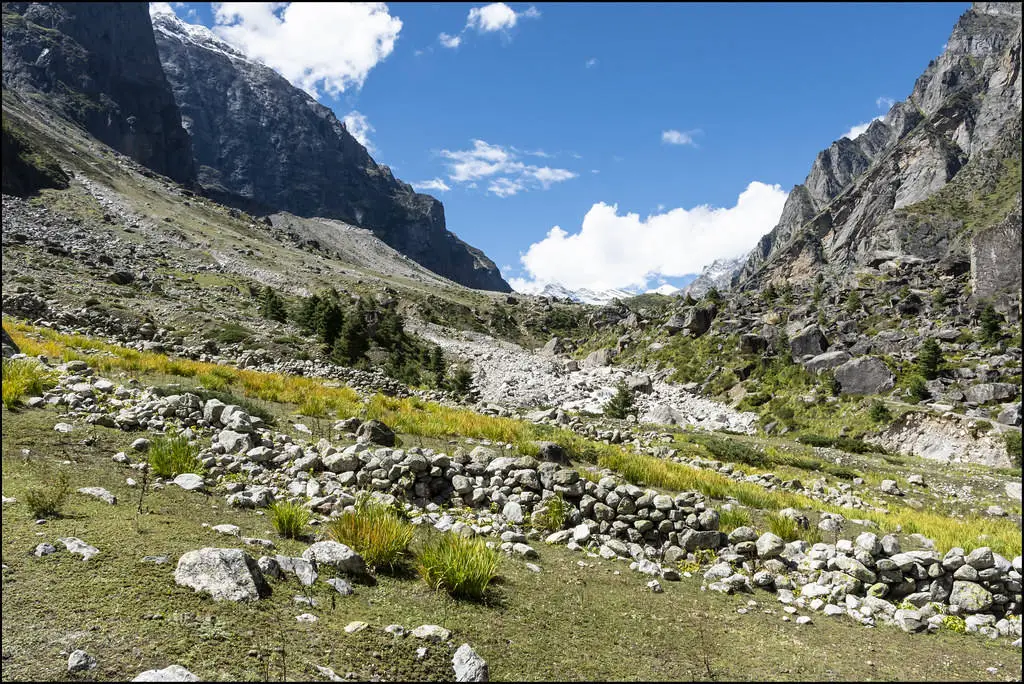
Valley of Flowers Trek — Overview
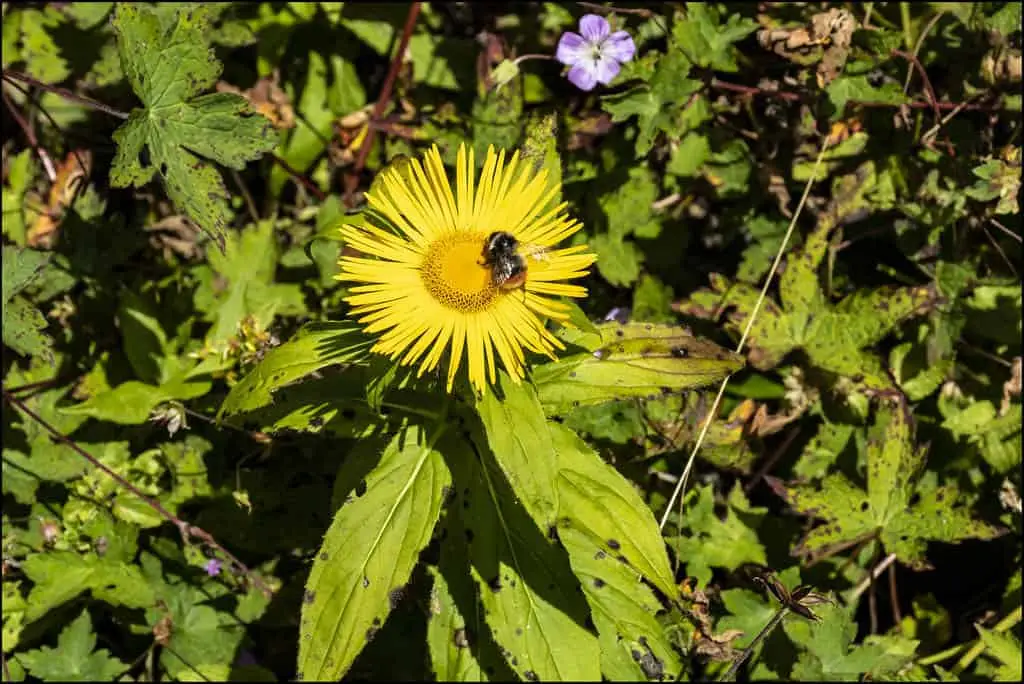
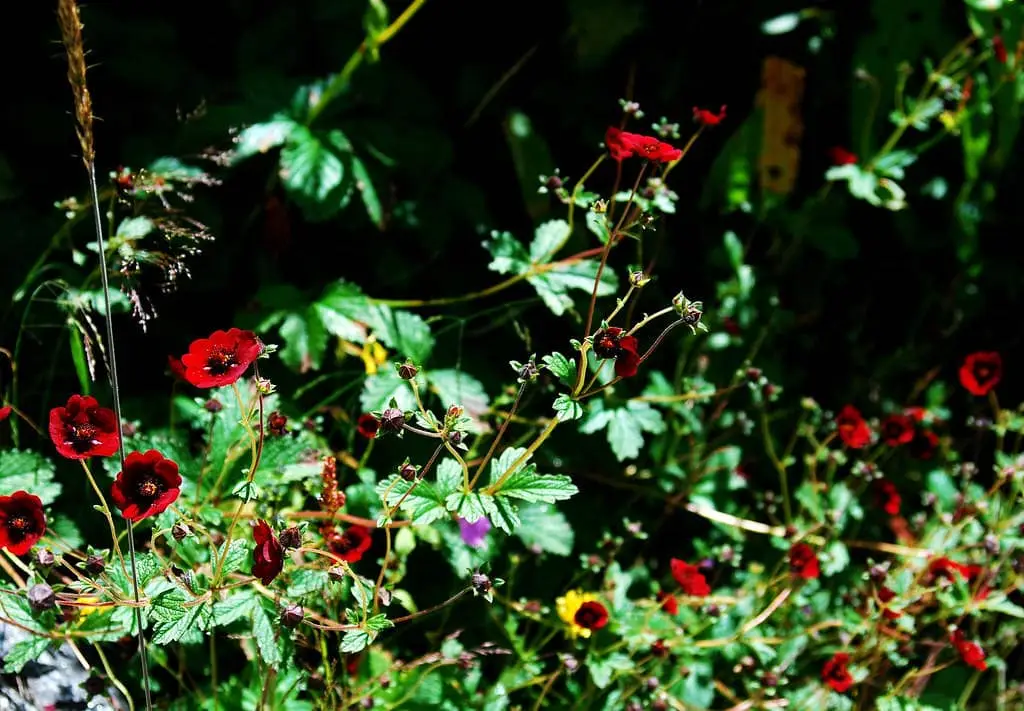
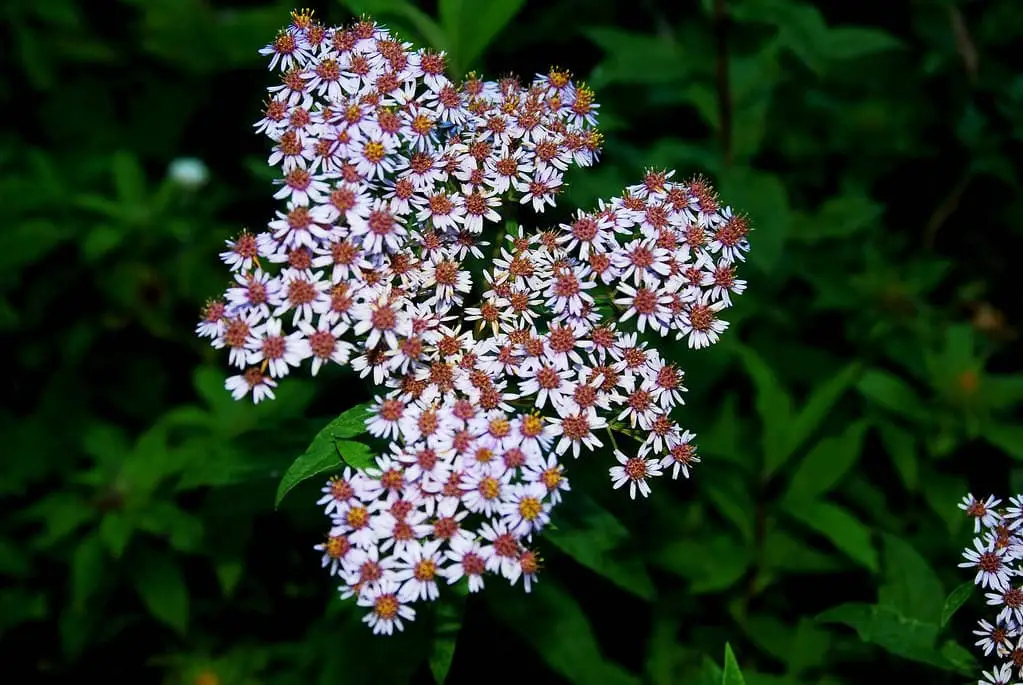
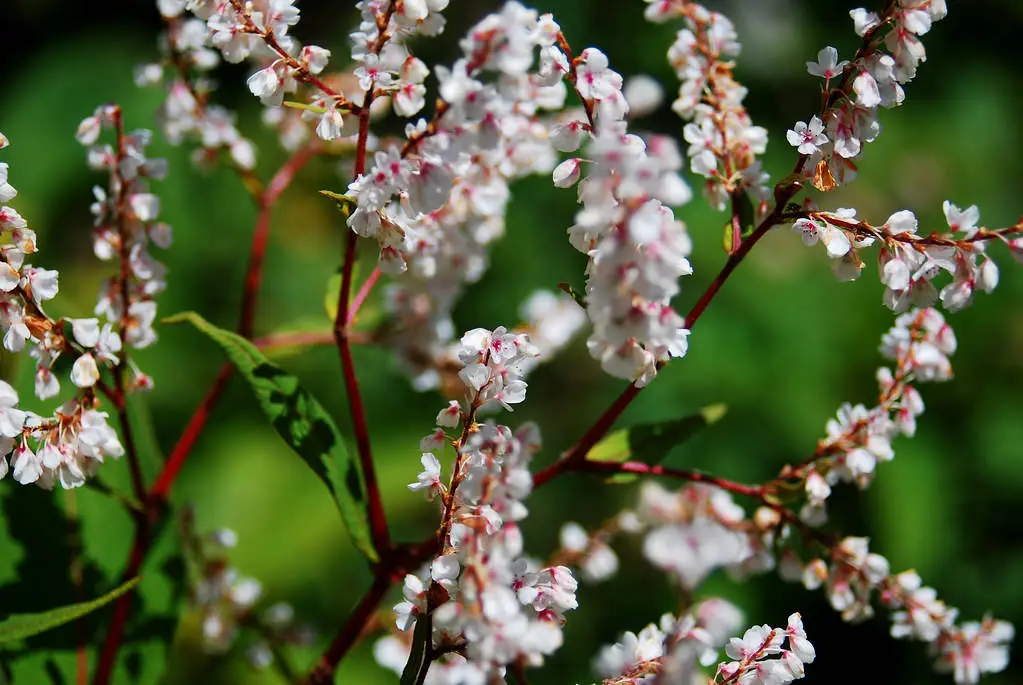
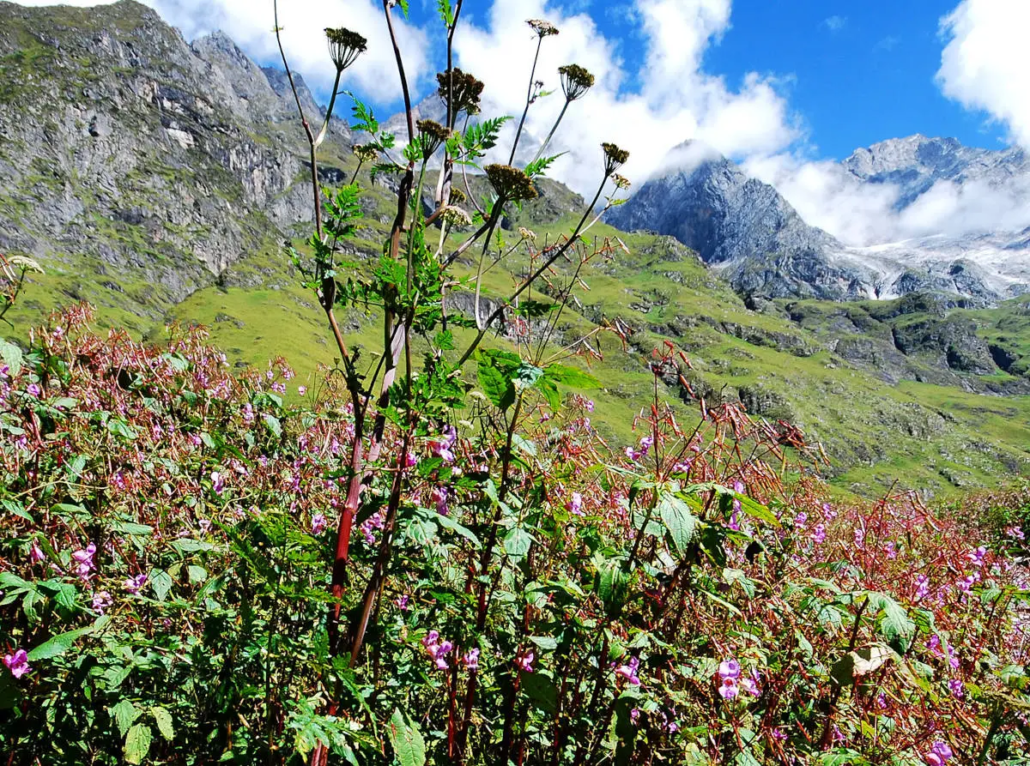
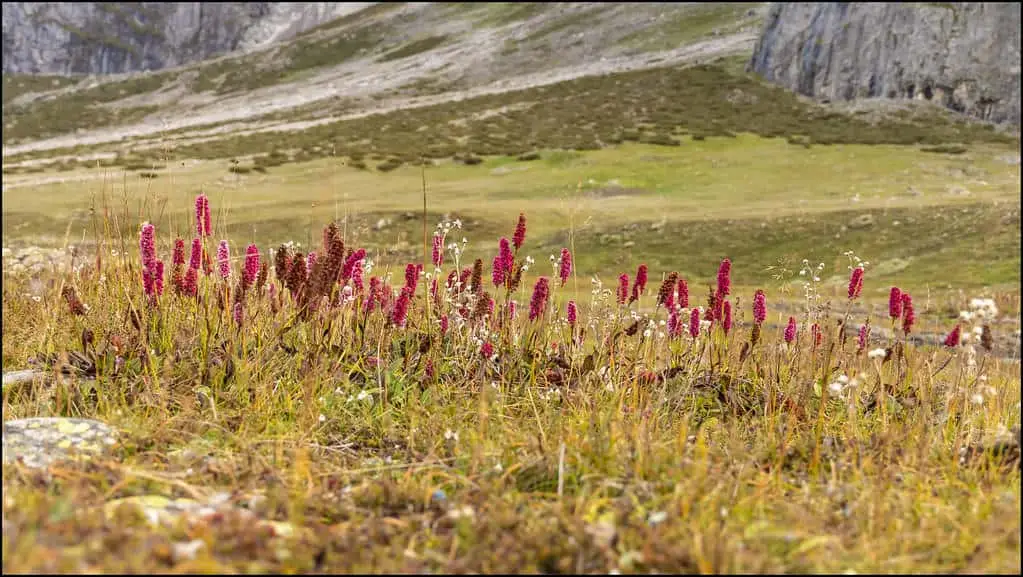
The Valley of Flowers Trek is one of the most celebrated short Himalayan treks in India — a journey into the heart of the Nanda Devi Biosphere Reserve, a UNESCO World Heritage Site, at the head of the Pushpawati River valley in Uttarakhand’s Chamoli district. The valley itself is a glacier-fed alpine basin at 3,500m that transforms completely between July and September, when over 500 species of wildflowers bloom simultaneously across its floor — Brahma Kamal, Blue Poppy, Cobra Lily, Himalayan Anemone, and dozens of species rare or endemic to the high Garhwal Himalaya. No photograph fully prepares a first-time visitor for the scale of the bloom. It is one of those places that simply has to be walked into.
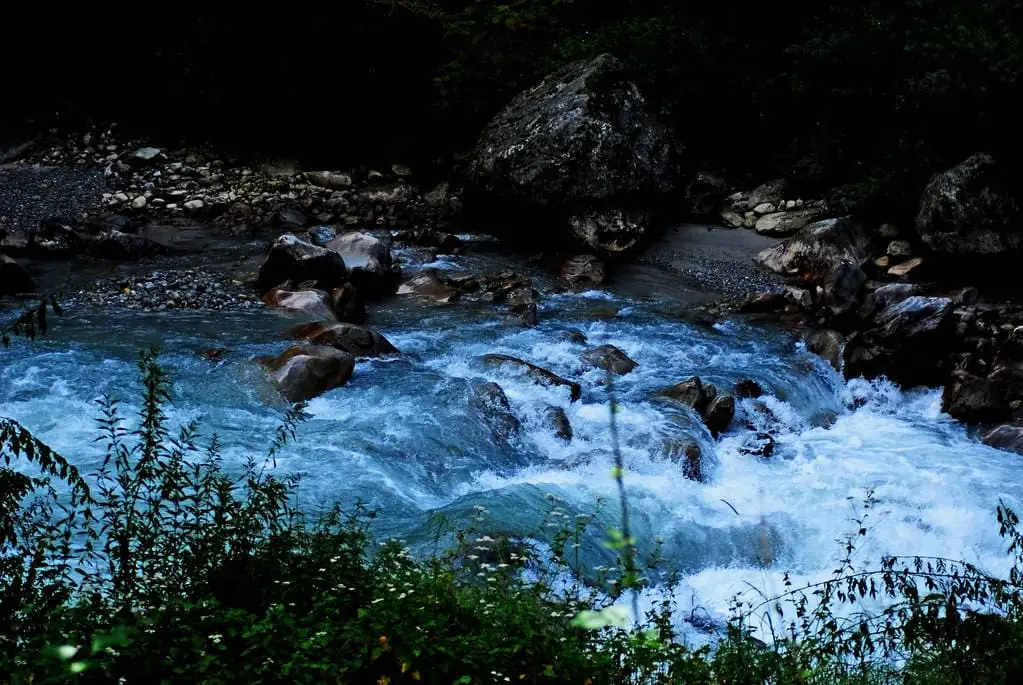
The route from Rishikesh combines two of Uttarakhand’s finest destinations in a single 8-day programme. After the long drive up the Alaknanda Valley through the Panch Prayag confluence towns, the trek begins at Govindghat (1,828m) and climbs the Pushpawati gorge to Ghangaria (3,050m) — the base village for both objectives. Day 4 explores the Valley of Flowers itself; Day 5 makes the steep morning ascent to Hemkund Sahib (4,329m), one of Sikhism’s holiest shrines, where a glacial lake at altitude is ringed by seven snow peaks and the prayer hall sits directly on the water’s edge. The return via Auli (2,519m) — a high meadow with one of the finest Nanda Devi panoramas in the Garhwal — completes a circuit that covers three entirely different Himalayan environments in eight days.
Summit Routes runs this programme with licensed Uttarakhand guides, private Innova transport throughout, and hotel accommodation at all overnight points. Medical oxygen is carried on all days above 3,500m.
Important Notes
- Best Season: July to September. The Valley of Flowers is at its peak bloom from mid-July through mid-August, when the maximum number of species flower simultaneously. September offers less floral density but dramatically clearer skies and better mountain views from Hemkund Sahib and Auli. The valley and the Hemkund trail are closed outside this season by the national park authority.
- Difficulty Level: Moderate — suitable for beginners and first-time Himalayan trekkers with reasonable general fitness. The two key days are Day 3 (Govindghat to Ghangaria, 9 km / 4–5 hours, 1,200m ascent) and Day 5 (Hemkund Sahib, 6 km / 4–5 hours, 1,200m+ ascent from Ghangaria). Both are manageable with regular walking fitness. Read our guide to altitude sickness in the Himalaya before departure.
- Highest Points: Hemkund Sahib at 4,329m (Day 5) and the Valley of Flowers at approximately 3,500m (Day 4). The Hemkund ascent is the most physically demanding section of the trek — an 1,100m climb over 6 km from Ghangaria.
- UNESCO World Heritage Site: The Valley of Flowers National Park is a UNESCO-designated site and forms part of the Nanda Devi Biosphere Reserve. Entry is regulated — a National Park entry ticket is required daily for the valley. Summit Routes arranges all permits. See our permits guide.
- Accommodation: All nights are in hotels or guesthouses — there is no camping on this route. Ghangaria (the base for Days 3–5) has a small selection of guesthouses and basic hotels. Accommodation at Ghangaria is basic by valley standards but perfectly adequate for the purpose. Joshimath and Auli have better-appointed options.
- Fitness Standard: Must be comfortable walking 9–12 km daily on mountain trail with sustained ascent. No technical terrain, no altitude experience required. The Day 5 Hemkund Sahib ascent is steep but on a well-defined trail with a large volume of pilgrimage traffic.
- Long Drive Days: Days 2 and 7 each involve 8–10 hours of mountain road driving. Plan accordingly — these are long but scenic. Carry motion sickness medication if needed.
- Cultural Note: Hemkund Sahib is one of Sikhism’s most sacred pilgrimage sites. Dress modestly, cover your head inside the Gurudwara, and remove shoes at the entrance. The trail to Hemkund is shared with large numbers of Sikh pilgrims — your guide will help navigate the pace and culture of the pilgrimage traffic.
Brief Itinerary
| Day 1 | Arrive Dehradun — Drive to Rishikesh (356m) | ~1 hour |
| Day 2 | Drive Rishikesh to Joshimath (1,890m) | ~256 km |
| Day 3 | Drive Joshimath to Govindghat — Trek to Ghangaria (3,050m) | 9 km |
| Day 4 | Trek to Valley of Flowers (~3,500m) | 10 km round trip |
| Day 5 | Trek to Hemkund Sahib (4,329m) | 12 km round trip |
| Day 6 | Trek Down to Govindghat — Drive to Auli (2,519m) |
| Day 7 | Drive Auli to Rishikesh | ~280 km |
| Day 8 | Drive Rishikesh to Dehradun — Departure |
Altitude Profile
📅 2026 Departures — Valley of Flowers Trek (8 Days)
Click a departure to enquire instantly on WhatsApp
Arrive & Depart: Dehradun (DED), Uttarakhand, India
Similar Treks

GOECHA LA & DZONGRI TREK
Level: Moderate | Duration: 12 Days | Best Time: Mar–May & Sep–Nov | Price: From $1380
KASHMIR GREAT LAKES TREK
Level: Moderate | Duration: 8 Days | Best Time: Jul–Sep | Price: From $620
TARSAR MARSAR TREK
Level: Moderate | Duration: 7 Days | Best Time: Jul–Sep | Price: From $580
HAMPTA PASS & CHANDRATAL
Level: Moderate | Duration: 6 Days | Best Time: Jul–Sep | Price: From $650