Snowman Trek Bhutan (24 Days Paro to Paro)
Snowman Trek — Overview
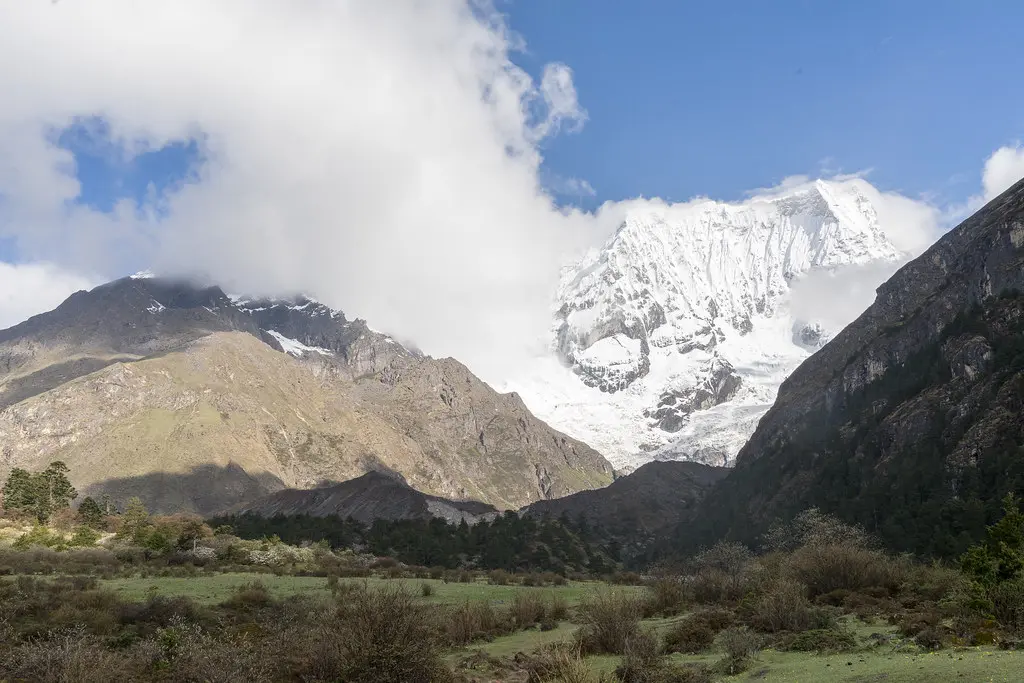
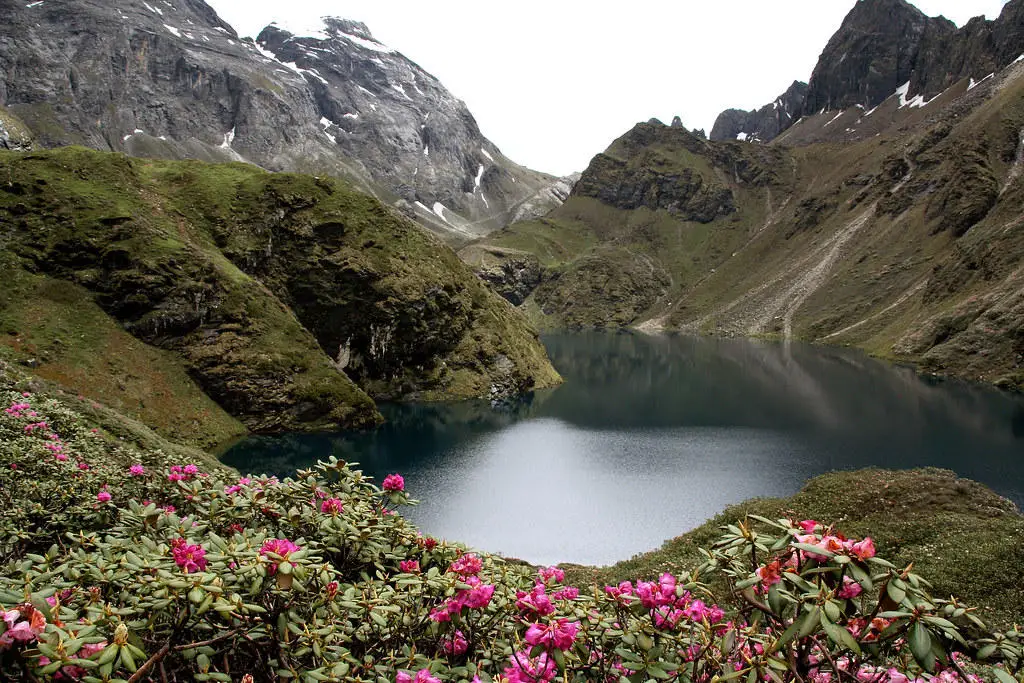
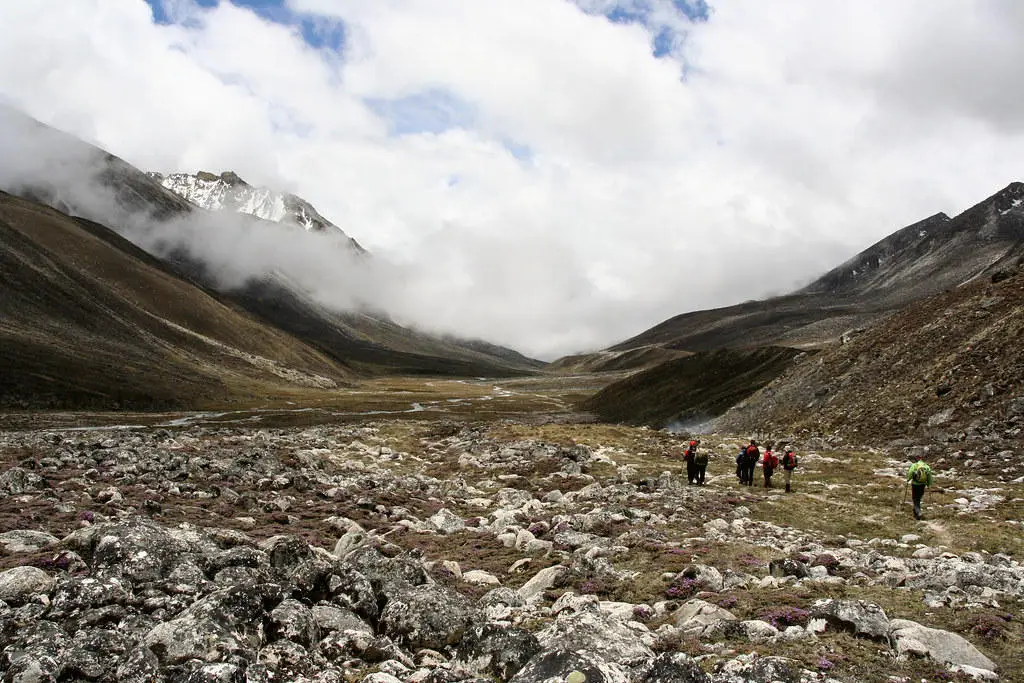
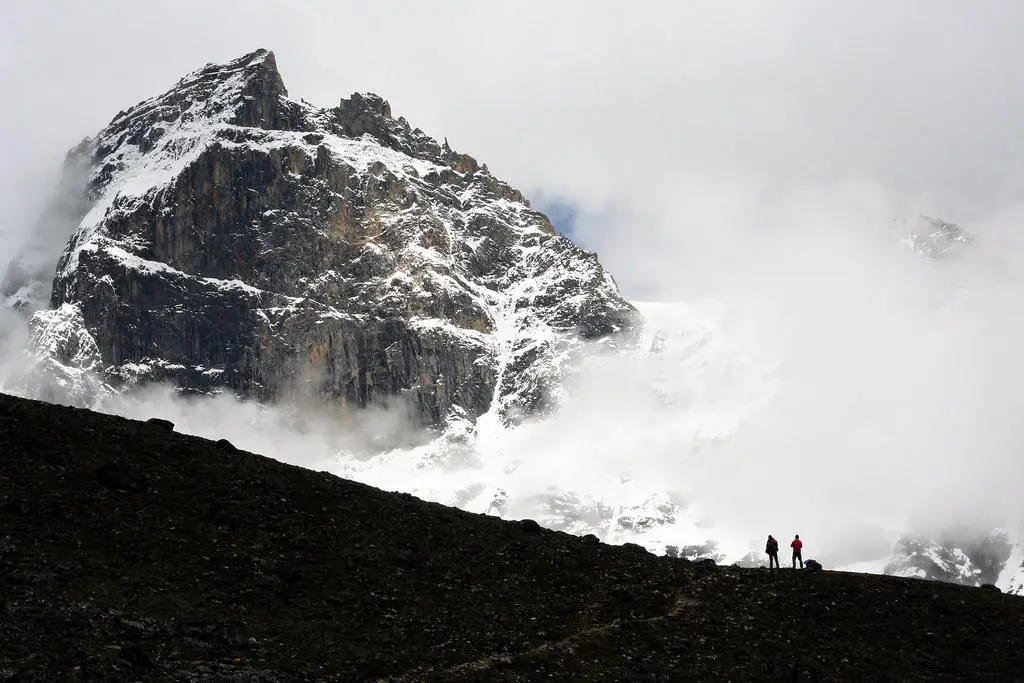
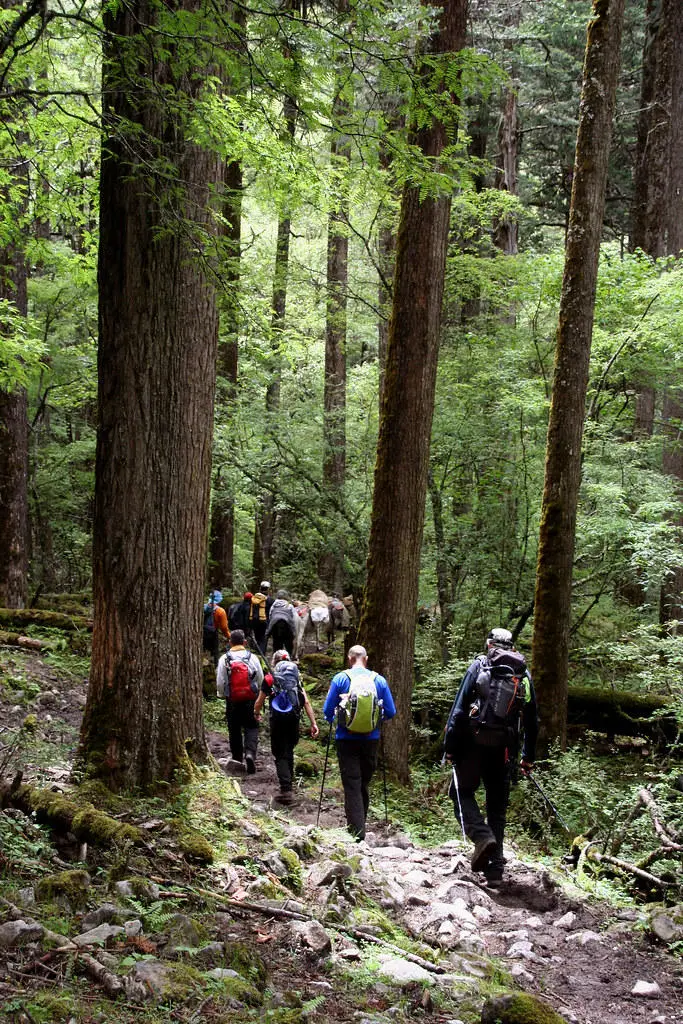
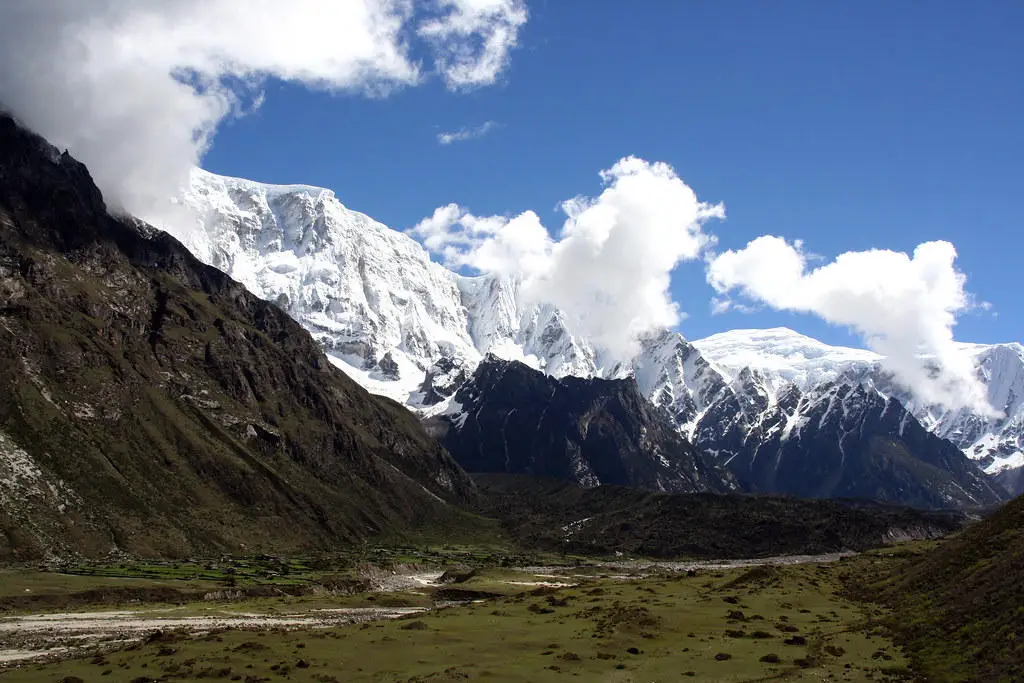
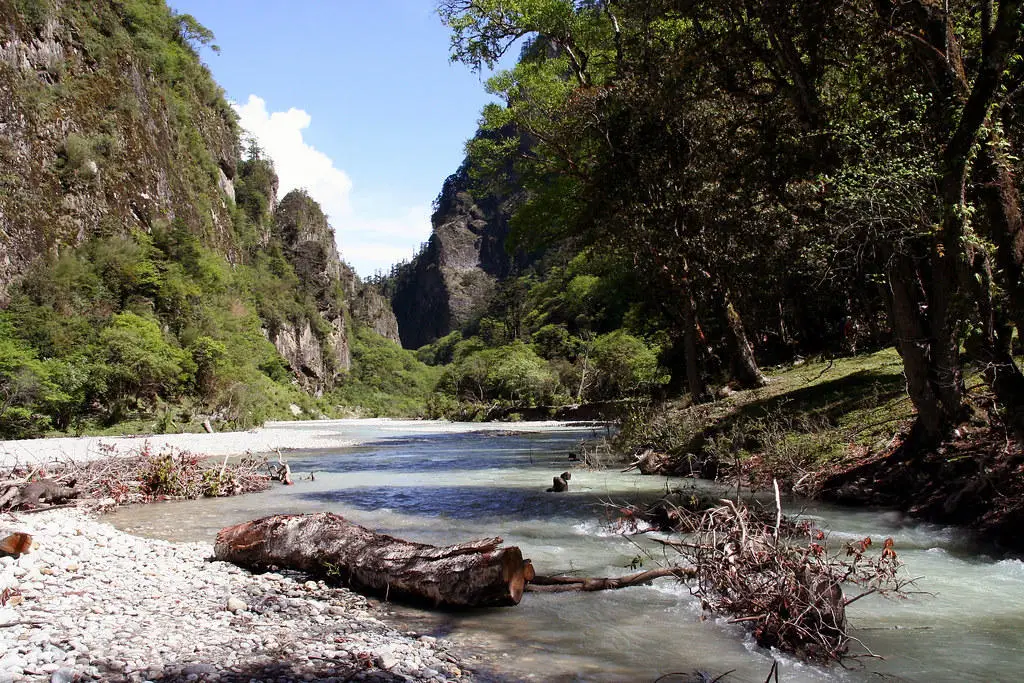
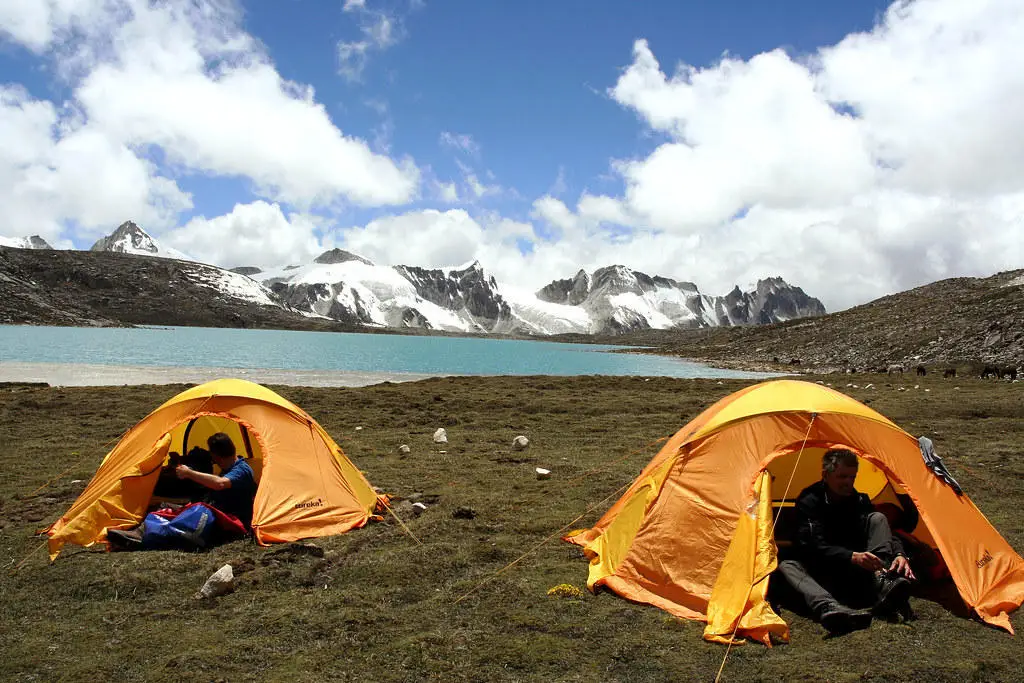
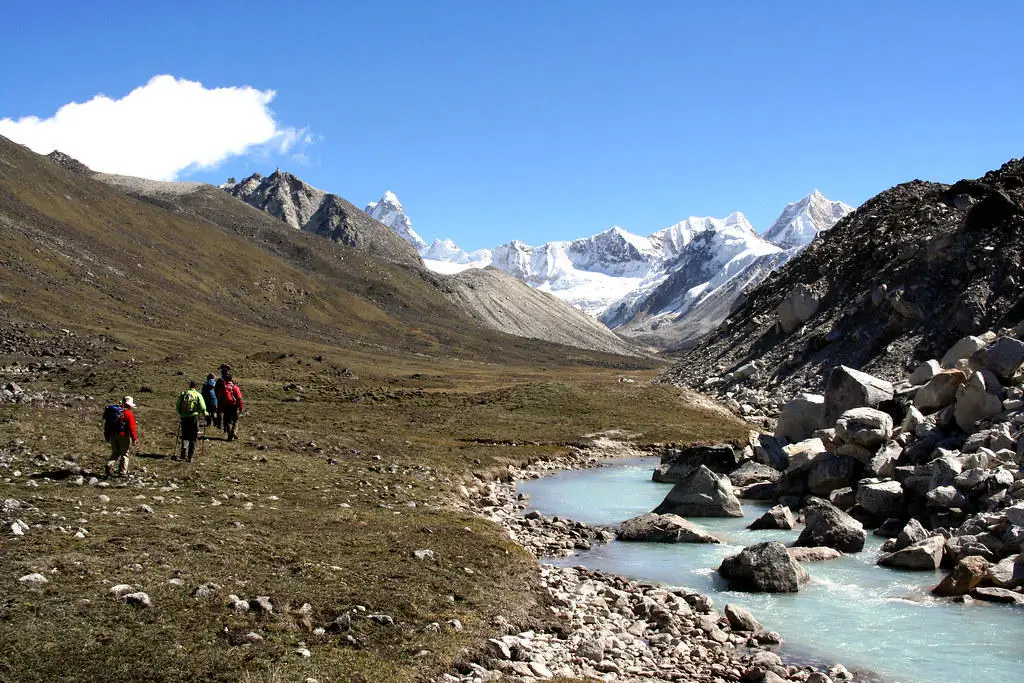
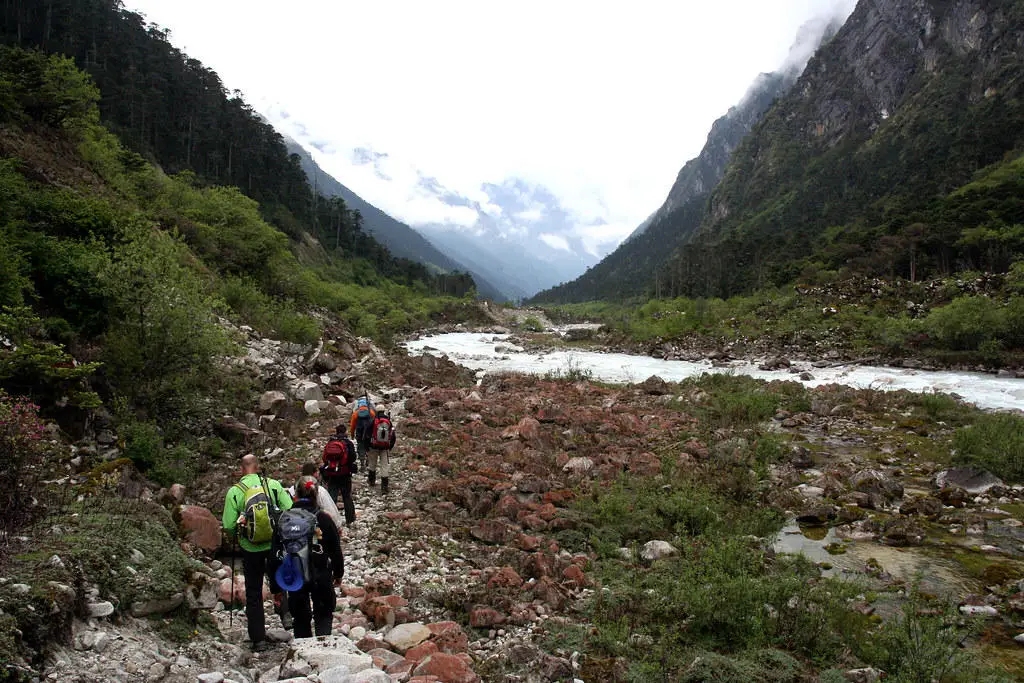
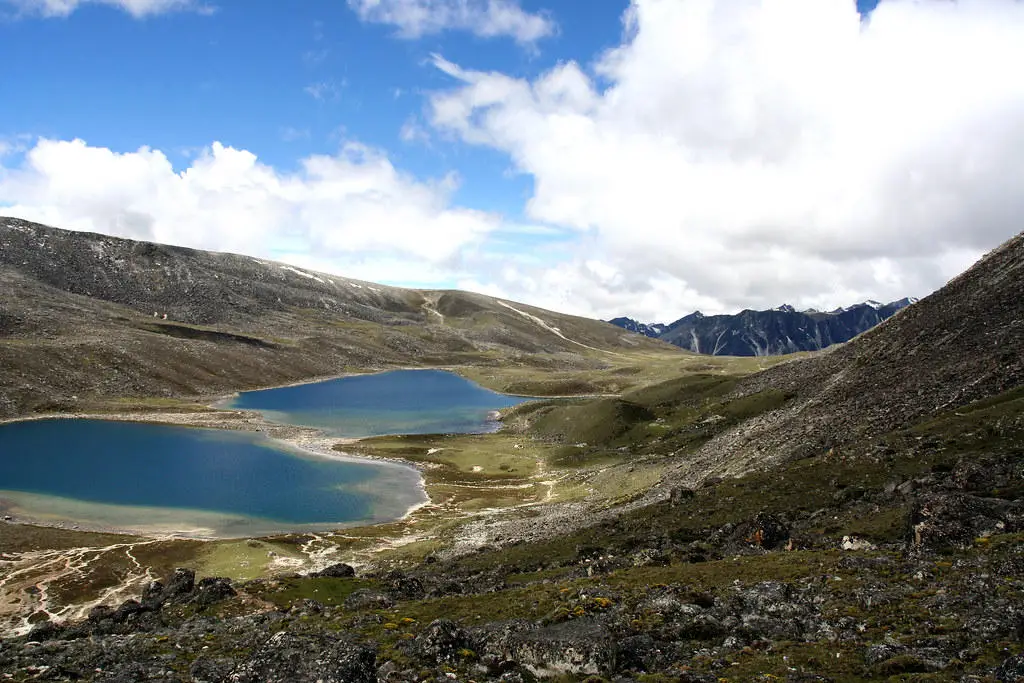
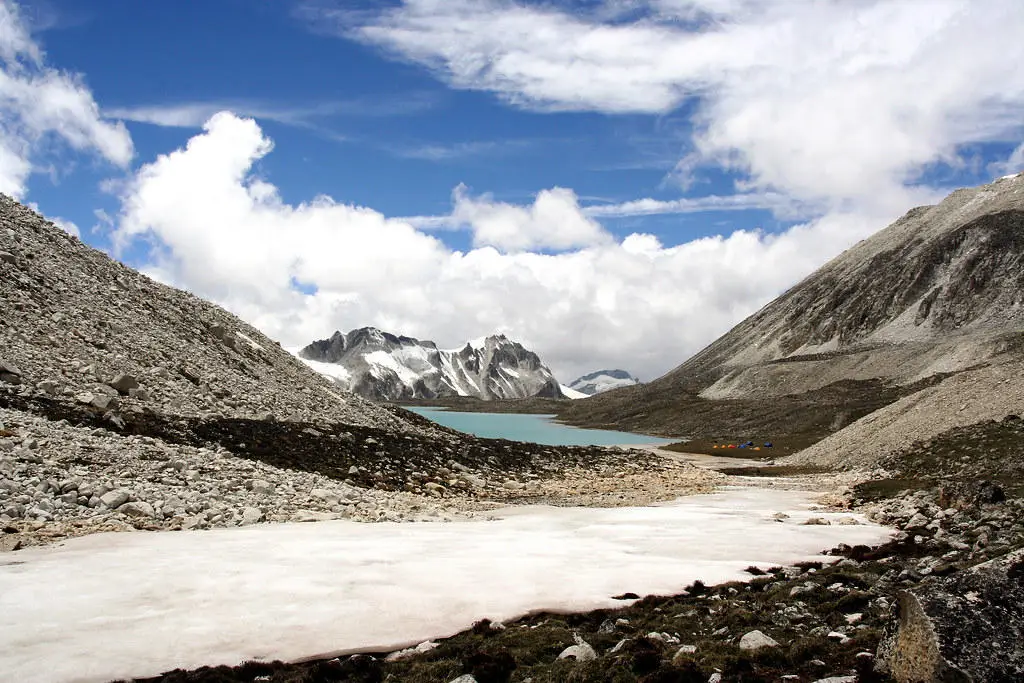
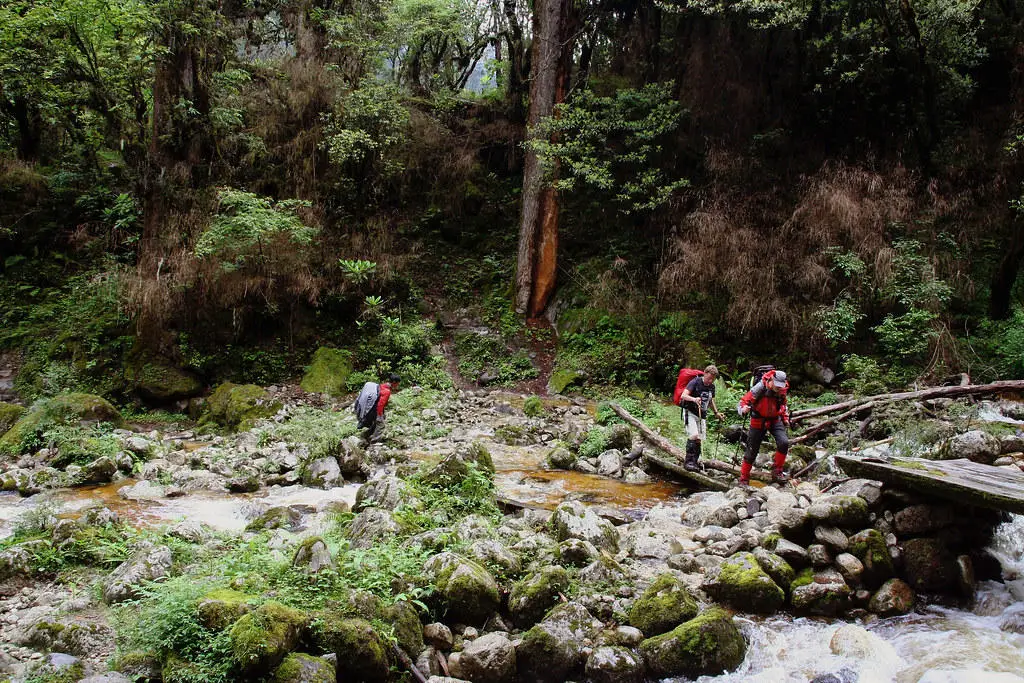
The Snowman Trek is Bhutan’s ultimate high-altitude journey — and by almost every measure, one of the most demanding and rewarding long-distance treks on earth. Traversing the remote northern frontier of the kingdom along the border of Tibet, this 24-day expedition crosses eleven high mountain passes, many of them above 5,000 metres, through terrain so isolated that fewer than 200 trekkers complete the full route in a typical year. The landscape changes constantly — glacial valleys, turquoise lakes, high-altitude tundra, dense rhododendron forest, and yak pastures where the only signs of habitation are stone-walled corrals and the distant smoke of nomad camps.
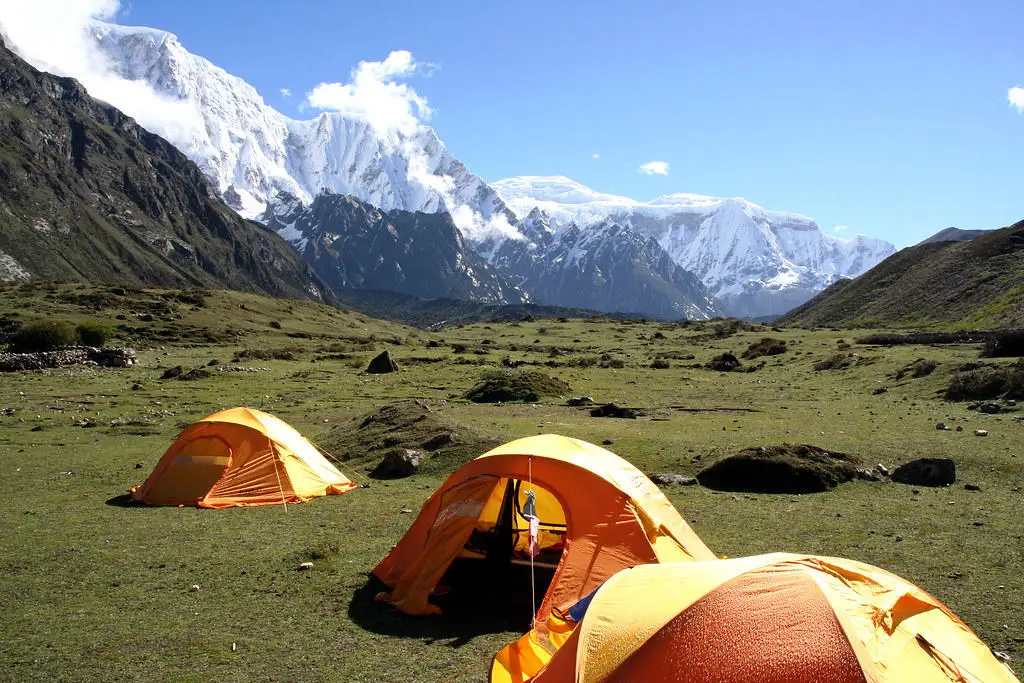
The trek begins in Paro (2,250m) with an acclimatisation hike to Tiger’s Nest Monastery (Taktsang, 3,120m) — Bhutan’s most iconic site — before the main route heads north along the Paro Chu toward Jangothang (4,080m), the base camp beneath the vast north face of Mount Jomolhari (7,326m). This opening section follows the same spectacular corridor as the Jomolhari Circuit Trek, but where the circuit turns back toward Thimphu after Lingshi, the Snowman continues northwest — deeper, higher, and further from any road.
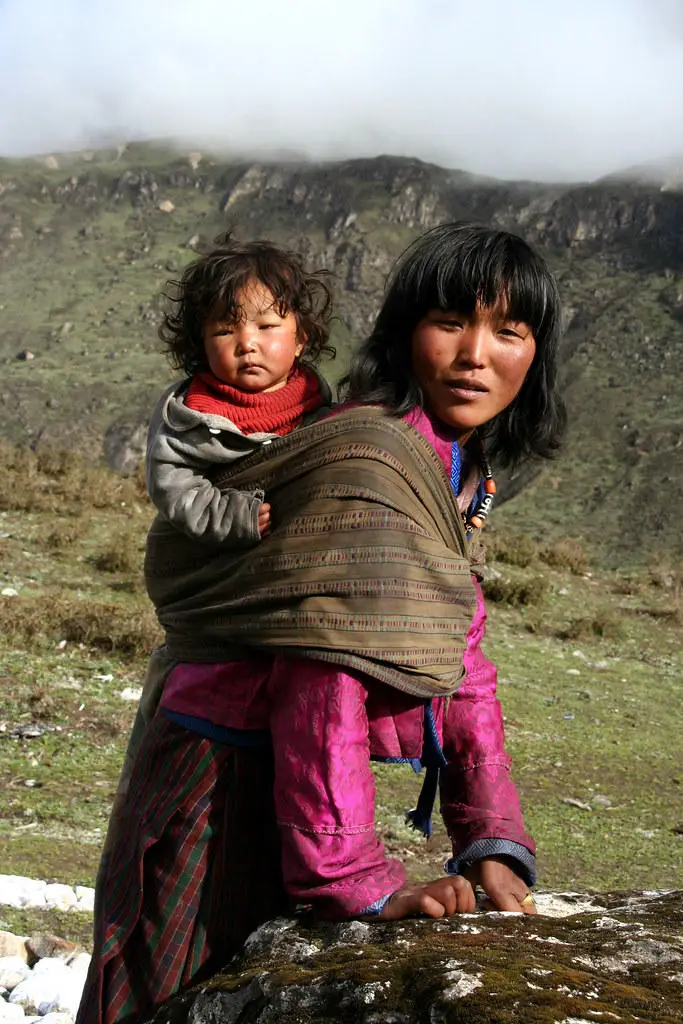
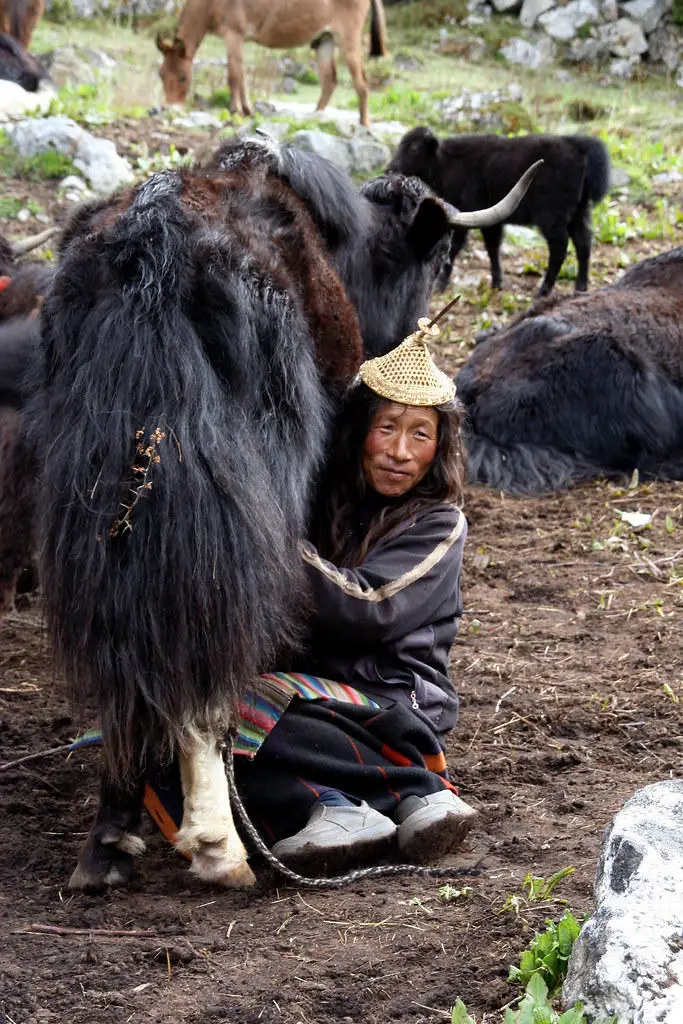
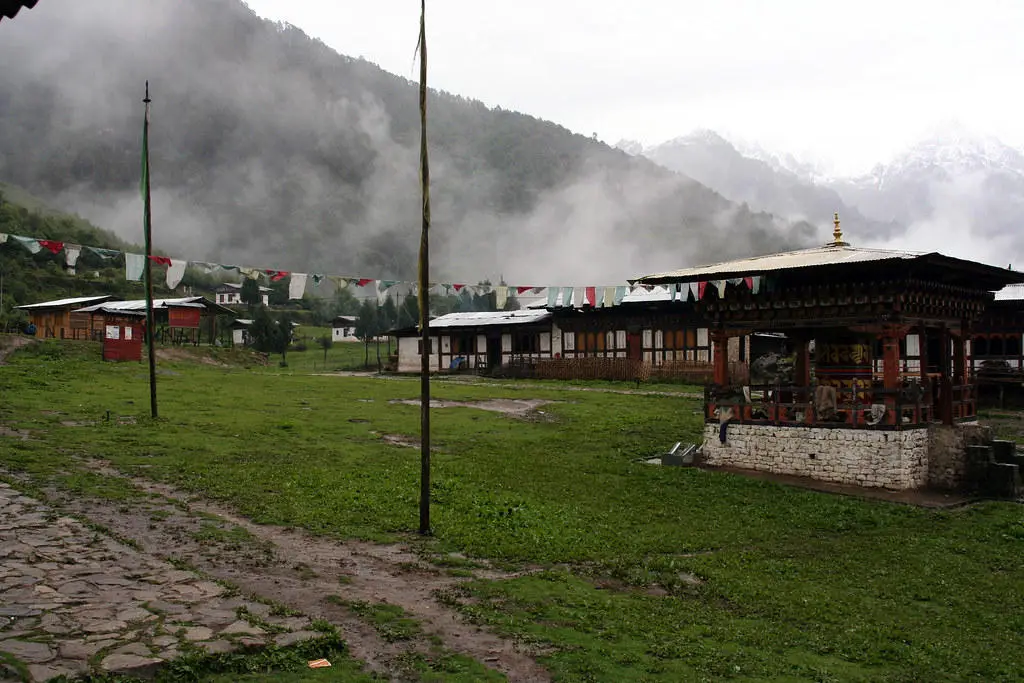
From Lingshi, the route enters territory seen by very few outsiders. It passes through the settlement of Laya (3,840m) — home to the distinctive Layap people, whose women wear tall bamboo-cone hats and who maintain a semi-nomadic yak-herding culture largely unchanged for centuries — before ascending into the Lunana district, one of the most remote inhabited regions in the world. The villages of Woche, Lhedi, and Thanza sit at the edge of the Bhutanese Himalaya’s highest terrain, sustained entirely by yak-herding and subsistence agriculture. There are no roads. There are no resupply points. Mobile signal disappears around Day 12 and does not return until the route descends toward Bumthang, approximately ten days later.
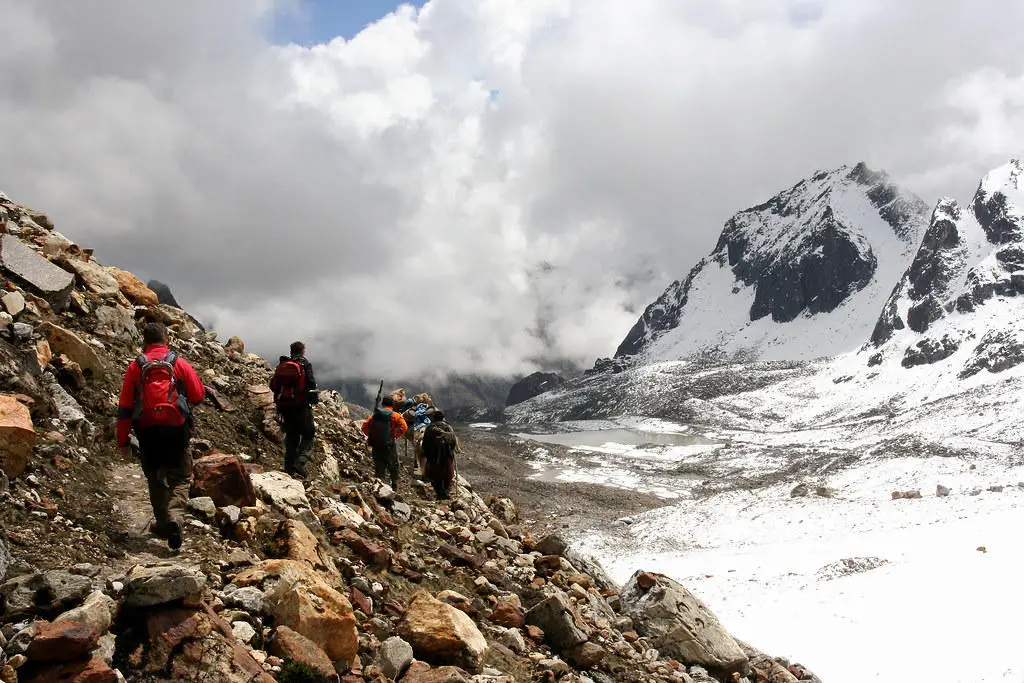
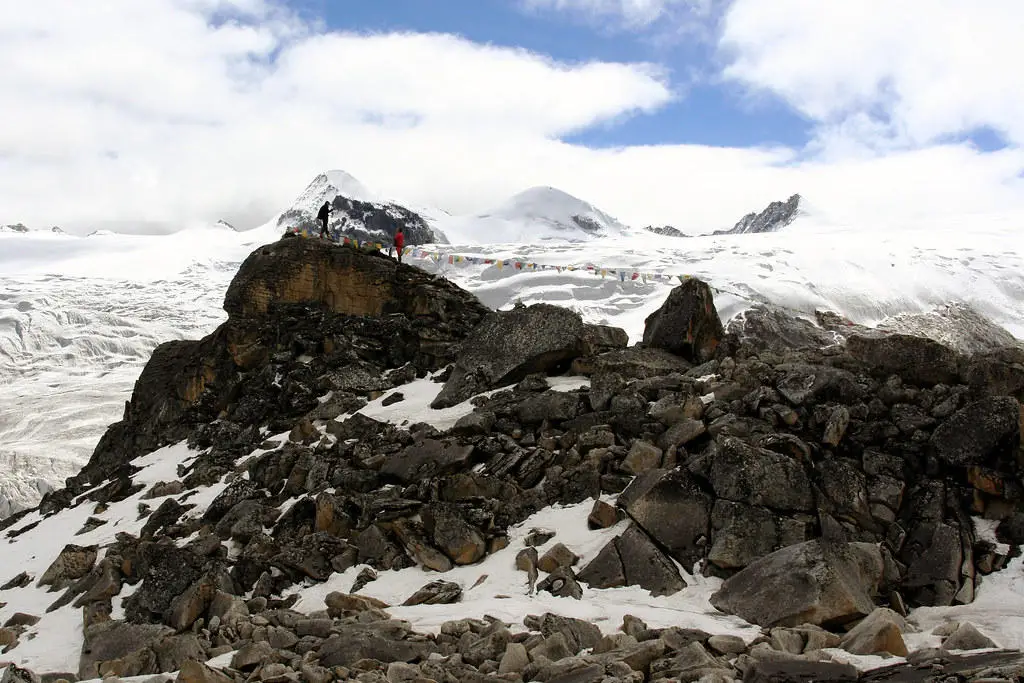
The culmination of the trek is Gophu La (5,230m) — the highest point on the entire route and among the highest trekking passes in Bhutan — a crossing that demands full acclimatisation, a good forecast, and everything the previous three weeks have built in the trekker. From there the route descends steeply through the Dur valley to road access at Dur, with a final drive and domestic flight from Bumthang back to Paro completing the circuit.
This is not a trek for the unprepared. It is an expedition in the truest sense — requiring months of fitness preparation, proper cold-weather gear, high-altitude experience, and a realistic understanding of what sustained effort at 4,000–5,000+ metres across 24 consecutive days demands of the body and mind. Trekkers who arrive ready will find it among the most profound experiences available anywhere in the Himalaya.
Important Notes
- Best Season: September–October only. The Snowman Trek has a very narrow weather window — the passes are snow-choked before late September and can close again with early-winter snowfall from late October. Our departure (Sep 15–Oct 8) is timed precisely within this window.
- Trek Grade: Strenuous / Expedition Level — this is the most demanding trek Summit Routes operates. Prior high-altitude trekking experience above 4,500m on a multi-day route is a firm prerequisite, not a recommendation. Trekkers with no prior high-altitude experience should complete the Jomolhari Circuit or equivalent before attempting the Snowman.
- Highest Point: Gophu La Pass, 5,230m. Five passes on the route exceed 5,000m. The highest overnight camp is Tshorim at 5,120m — a full night at altitude above most of the Alps’ highest peaks.
- Remoteness: Between approximately Day 12 (Laya) and Day 22 (Dur), there is no mobile signal and no road access. Evacuation from the Lunana section requires helicopter coordination and can be delayed by weather for several days. This section demands self-sufficiency, expedition-grade gear, and trust in your guide team.
- Bhutan Entry Requirements: All visitors require a visa and must pay the Sustainable Development Fee (SDF). Additional trekking permits are required for the northern frontier zones including Lunana. Summit Routes handles all visa processing, SDF payment, and restricted-area permits. See our permits and visa guide for details.
- Fitness Standard: The Snowman requires trekking 15–20 km per day for up to 8–9 hours, often at 4,000–5,000m, for 20 consecutive days with no rest days after Laya. Physical preparation should begin at least 4–6 months before departure and should include sustained cardiovascular training, loaded pack hiking, and ideally a test trek at altitude.
- Altitude Sickness: The itinerary is built with acclimatisation days at Jangothang and Laya, but crossing eleven passes above 4,500–5,200m over 24 days is cumulative in its physiological demand. We strongly recommend reading our complete guide to altitude sickness in the Himalaya and consulting your doctor about Diamox well before departure.
- Satellite Communication: A personal satellite communicator (e.g. Garmin inReach) is strongly recommended for all Snowman trekkers. Your guide carries expedition communication equipment, but between Laya and Bumthang your personal device provides a critical additional safety layer in an area where standard communication is unavailable for approximately ten days.
- Cultural Note: The Lunana district and its villages — Woche, Lhedi, Thanza — are active communities, not tourist attractions. The Layap people of Laya maintain a distinct cultural identity and the rest day there is an opportunity for genuine encounter, not performance. Trekkers are expected to behave with respect for local customs, Buddhist religious sites, and the privacy of villagers throughout this section.
Brief Itinerary
| Day 1 | Arrive Paro (2,250m) — Expedition Briefing & Welcome Dinner |
| Day 2 | Acclimatisation Hike — Tiger’s Nest Monastery (3,120m) — Paro |
| Day 3 | Drive to Gunitsawa — Trek to Sharna Zampa (2,870m) |
| Day 4 | Sharna Zampa to Soi Thangthangkha (3,610m) |
| Day 5 | Soi Thangthangkha to Jangothang — Jomolhari BC (4,080m) |
| Day 6 | Acclimatisation Day — Jangothang (4,080m) |
| Day 7 | Jangothang to Lingshi (4,010m) via Nyile La (4,890m) |
| Day 8 | Lingshi to Chebisa (3,850m) — Visit Lingshi Dzong |
| Day 9 | Chebisa to Shomuthang (4,220m) via Gobula Pass (4,350m) |
| Day 10 | Shomuthang to Robluthang (4,160m) via Jarela Pass (4,750m) |
| Day 11 | Robluthang to Limithang (4,140m) via Shinge La (4,930m) |
| Day 12 | Limithang to Laya Village (3,840m) |
| Day 13 | Rest & Cultural Day — Laya (3,840m) |
| Day 14 | Laya to Rodophu (4,160m) |
| Day 15 | Rodophu to Narethang (4,900m) |
| Day 16 | Narethang to Tarina (3,970m) via Karchung La (5,120m) |
| Day 17 | Tarina to Woche (3,940m) |
| Day 18 | Woche to Lhedi (3,900m) via Keche La (4,650m) |
| Day 19 | Lhedi to Thanza (4,150m) — Pho Chhu Valley |
| Day 20 | Thanza to Tshorim High Camp (5,120m) |
| Day 21 | Cross Gophu La (5,230m) — Descend to Geshe Woma (4,200m) |
| Day 22 | Geshe Woma to Dur (2,650m) — Drive to Bumthang |
| Day 23 | Domestic Flight Bumthang to Paro — Farewell Dinner |
| Day 24 | Departure from Paro |
Altitude Profile
📅 Snowman Trek 2026 — Fixed Departure
Enquire directly on WhatsApp for availability & details
