Mera Peak Expedition Nepal
Mera Peak Expedition — Overview
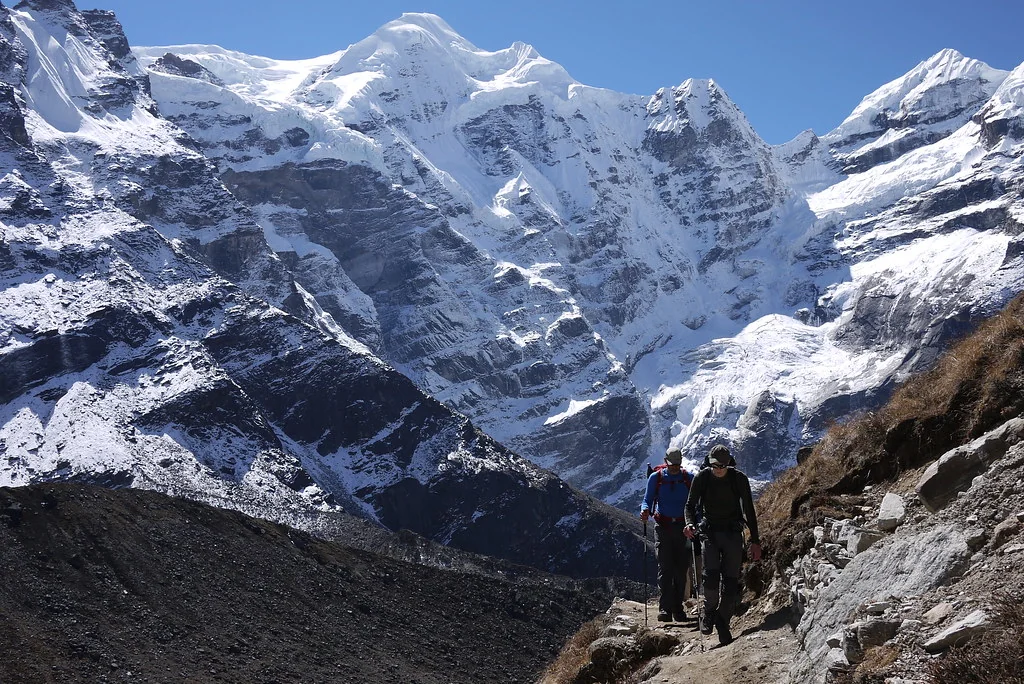
At 6,476 metres, Mera Peak is the highest trekking peak in Nepal and one of the most accessible 6,000m summits in the world. The climb does not require prior technical mountaineering experience, but it demands serious commitment: a 14-day round trip from Kathmandu through the remote and little-visited Hinku Valley south of the Khumbu, with two structured acclimatisation days before a pre-dawn summit push from high camp at 5,800m on a glacier that is wide, open, and — on a clear October morning — as beautiful as any terrain in the Himalaya.
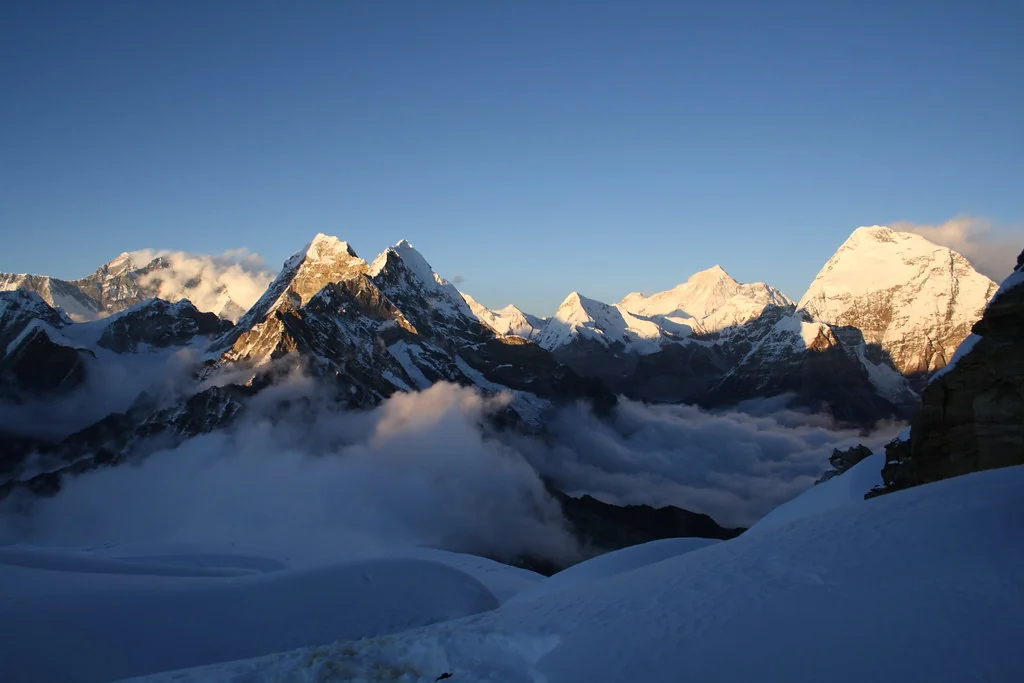
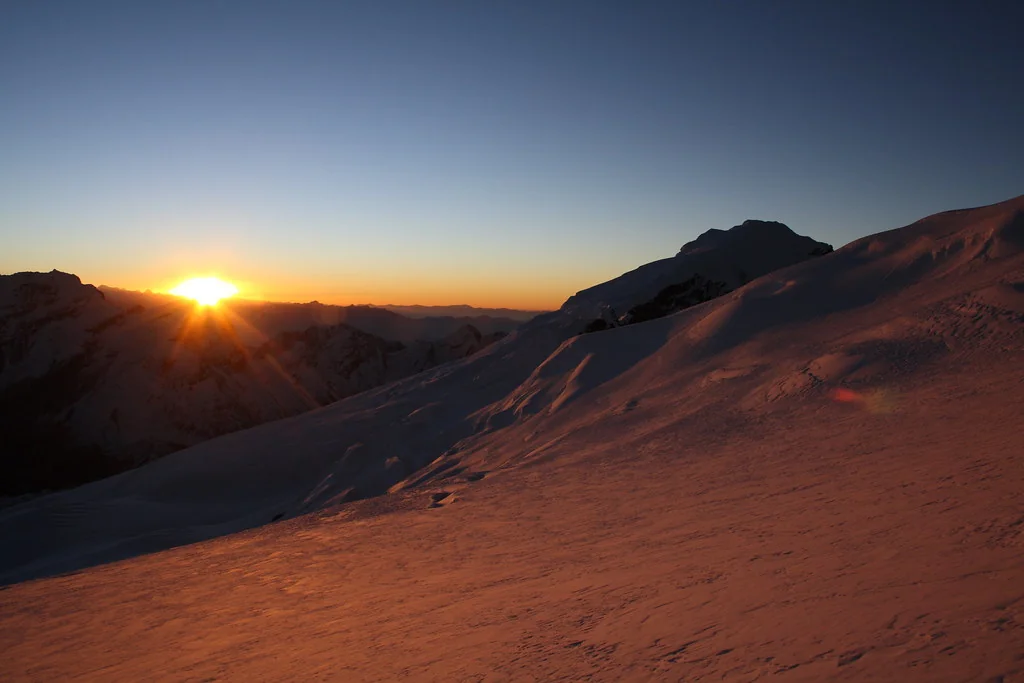
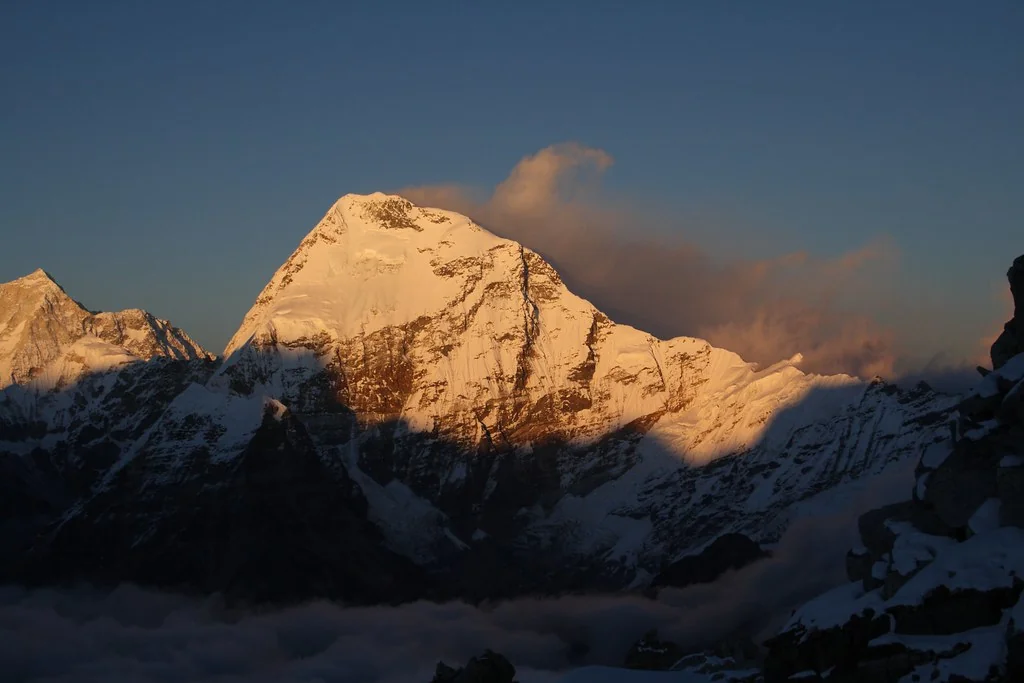
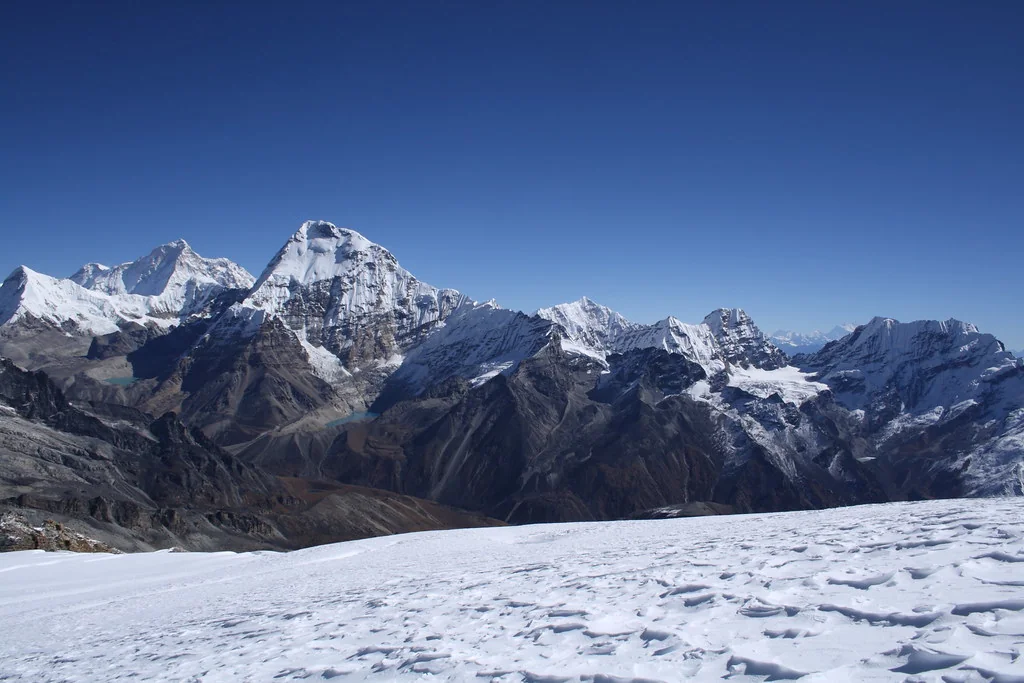
What Mera Peak delivers in return for that commitment is unique in Nepal. On the summit, five of the world’s six highest mountains are visible simultaneously: Everest (8,849m), Kanchenjunga (8,586m), Lhotse (8,516m), Makalu (8,485m), and Cho Oyu (8,188m). There is no other single summit in Nepal from which this panorama is possible. It is not an exaggeration: standing on the top of Mera Peak on a clear day is among the most extraordinary visual experiences available to any climber anywhere on earth.
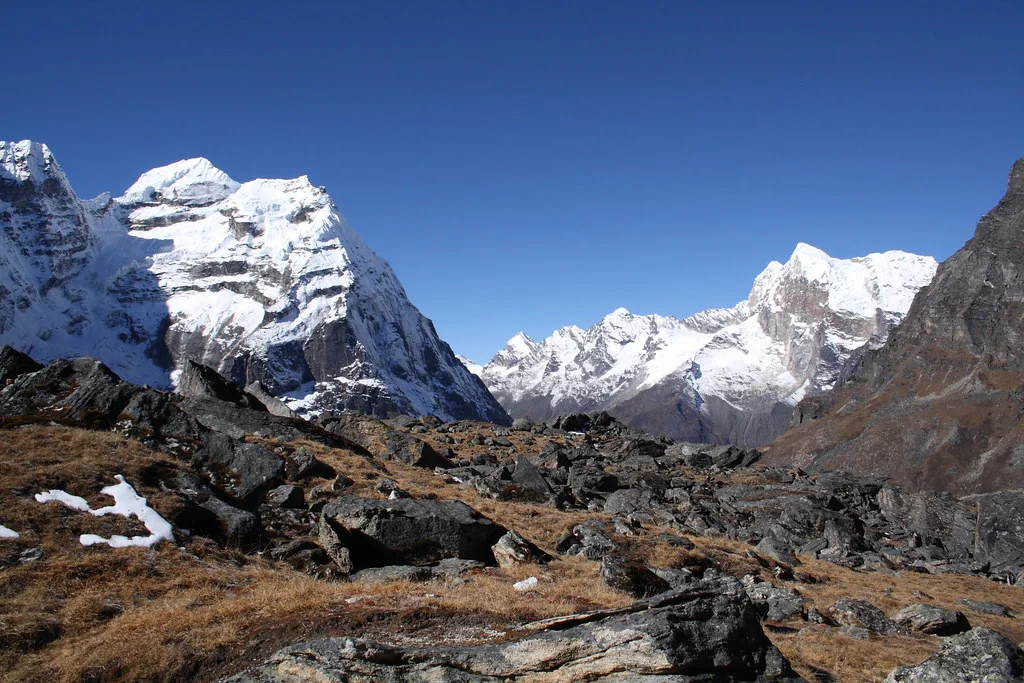
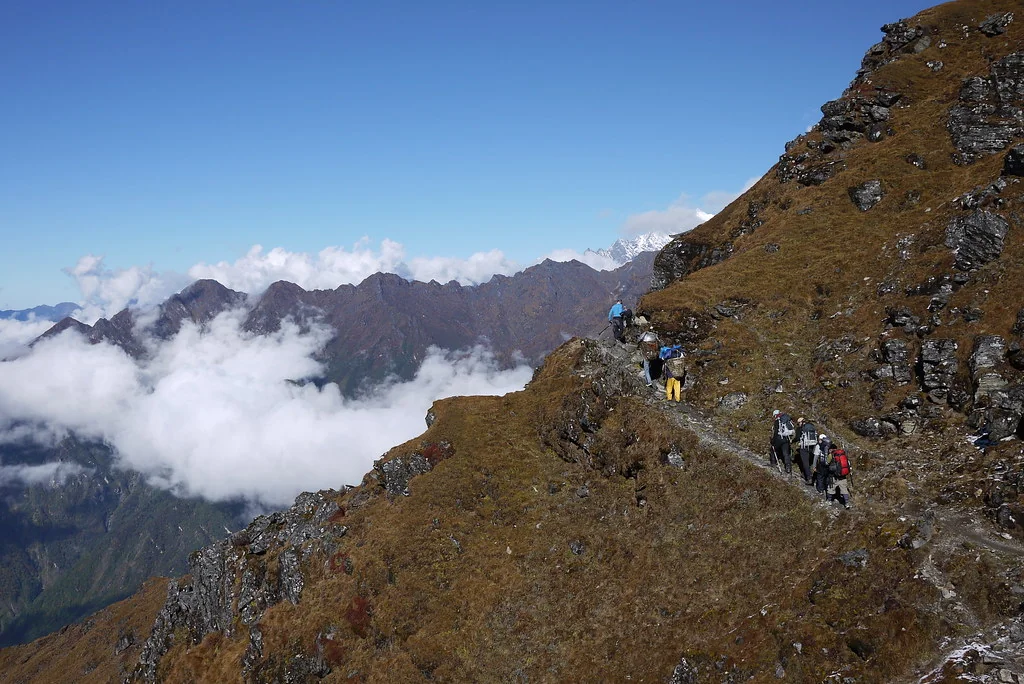
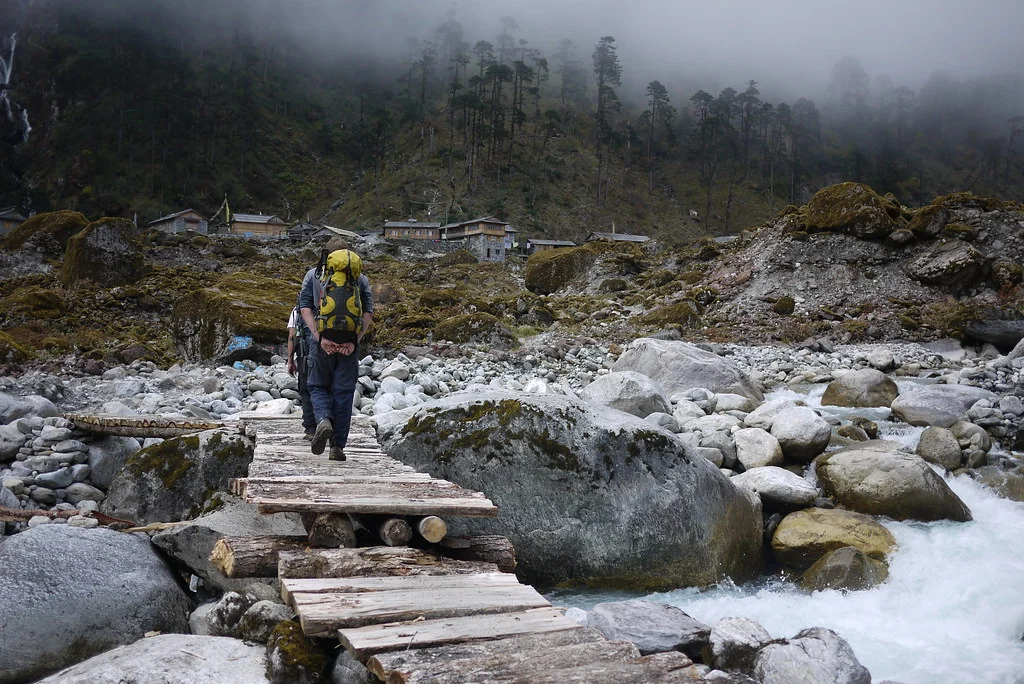
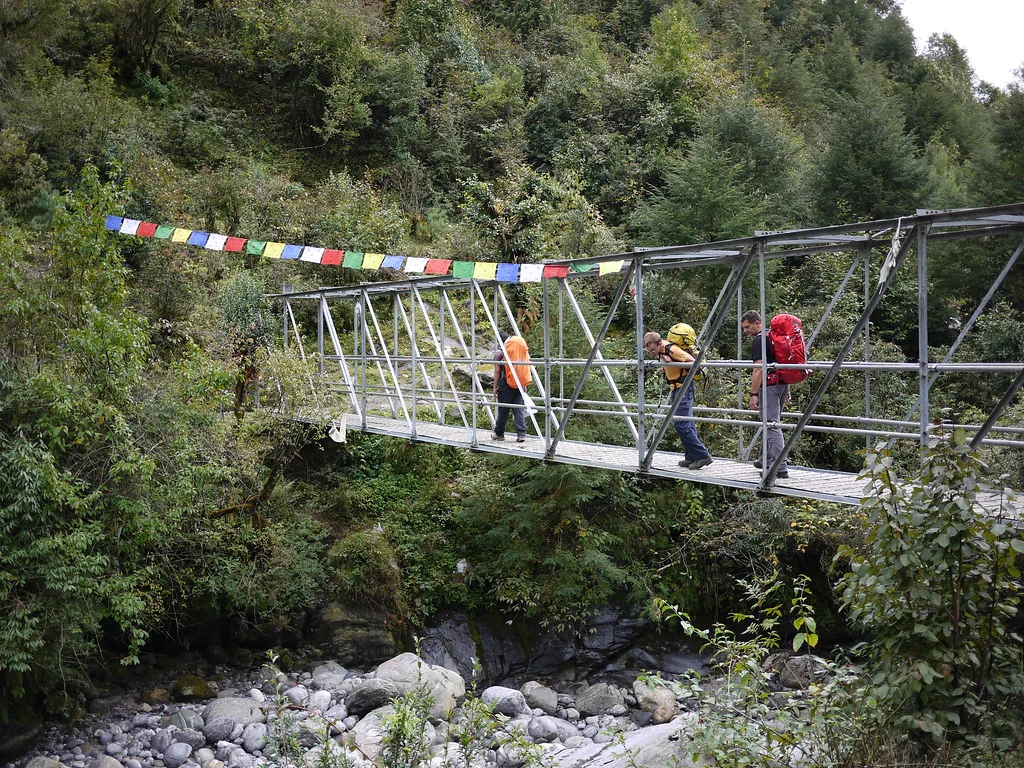
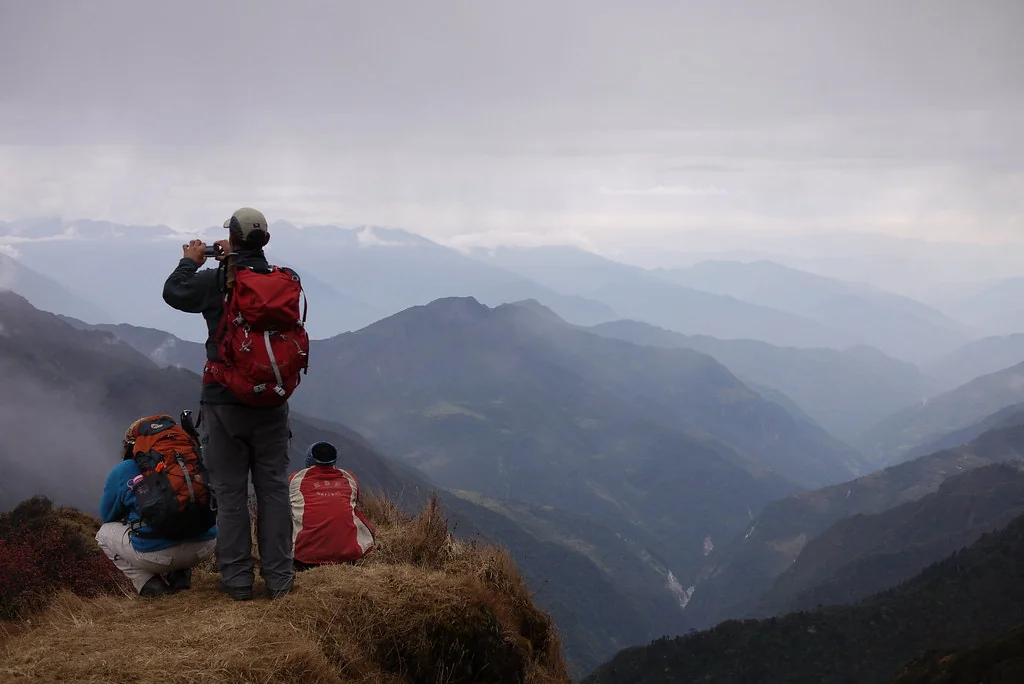
The approach is itself a significant part of what makes Mera Peak distinct. The Hinku Valley route sees a fraction of the foot traffic of the main Khumbu corridor — deep rhododendron gorges, seasonal yak pastures, and high ridges with almost no other expeditions in sight. By the time the route reaches Khare (5,045m), the staging base for the summit push, the team has the upper Hinku entirely to themselves. This remoteness is part of what makes Mera Peak so compelling — and part of what makes thorough preparation and guide expertise so important.
Summit Routes runs Mera Peak fully supported with certified high-altitude guides, complete technical equipment, and an itinerary built around safe, thorough acclimatisation — not the fastest possible turnaround.
Why Mera Peak
- Nepal’s Highest Trekking Peak — At 6,476m, Mera Peak stands above every other trekking peak in Nepal. It is a genuine high-altitude summit — not a walk-up, but achievable for fit, motivated climbers with no prior technical experience and the right support.
- The Five-8000m-Peak Panorama — The summit view encompasses Everest, Kanchenjunga, Lhotse, Makalu, and Cho Oyu simultaneously — the most concentrated collection of 8,000m peaks visible from any single point in the Himalaya. No other accessible summit in Nepal offers this view.
- Remote Hinku Valley Approach — The Hinku Valley is one of the least-travelled routes in the Khumbu region — deep gorges, rhododendron forests, and high pastures with almost no other expeditions in sight. A genuinely different experience from the main Khumbu trail.
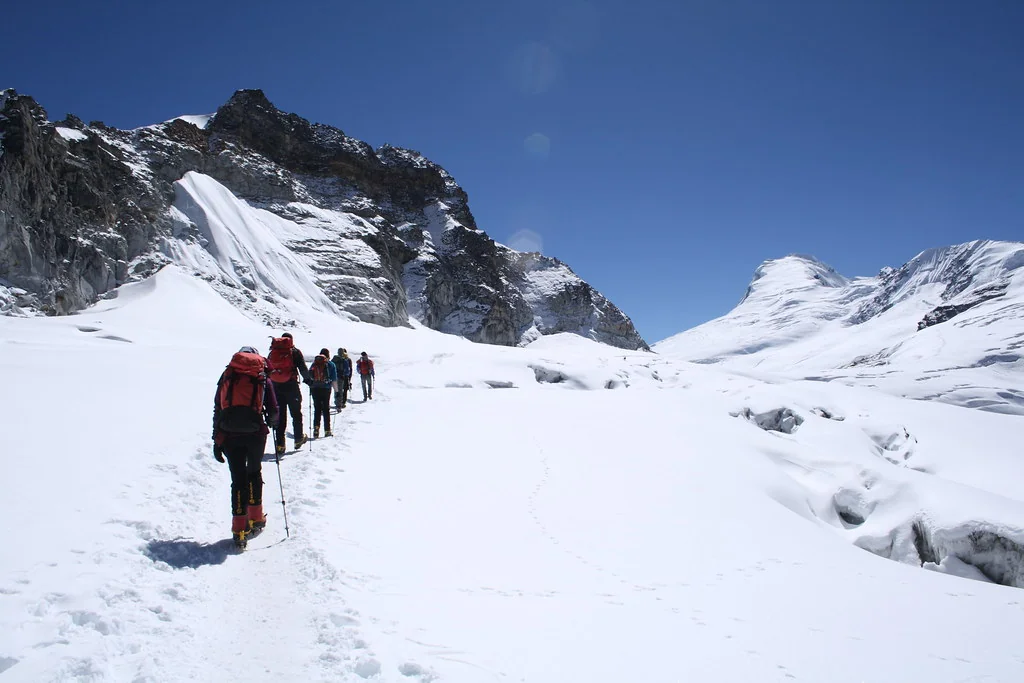
- Technical Introduction at High Altitude — Mera Peak introduces glacier travel, crampon technique, fixed-line ascent, and ice axe use in a guided, well-managed environment. An ideal first step for those considering more demanding Himalayan objectives.
- Fully Supported with All Technical Equipment — Crampons, harness, ice axe, helmet, and fixed lines are all provided. You carry only your personal gear on summit day — everything else moves on the support team.
Important Notes
- Best Season: October–November (autumn) for the most reliable summit windows and the best visibility — October in particular delivers the highest success rates and the clearest five-peak panorama from the summit. April–May (spring) is also possible but the summit view is less consistently clear.
- Alpine Grade: F to PD (Facile to Peu Difficile) — the summit route ascends a 30–40° snow and glacier slope without a technical headwall. The climb is non-technical compared to Island Peak but the altitude (6,476m), pre-dawn conditions, and sustained physical effort on the glacier are not to be underestimated.
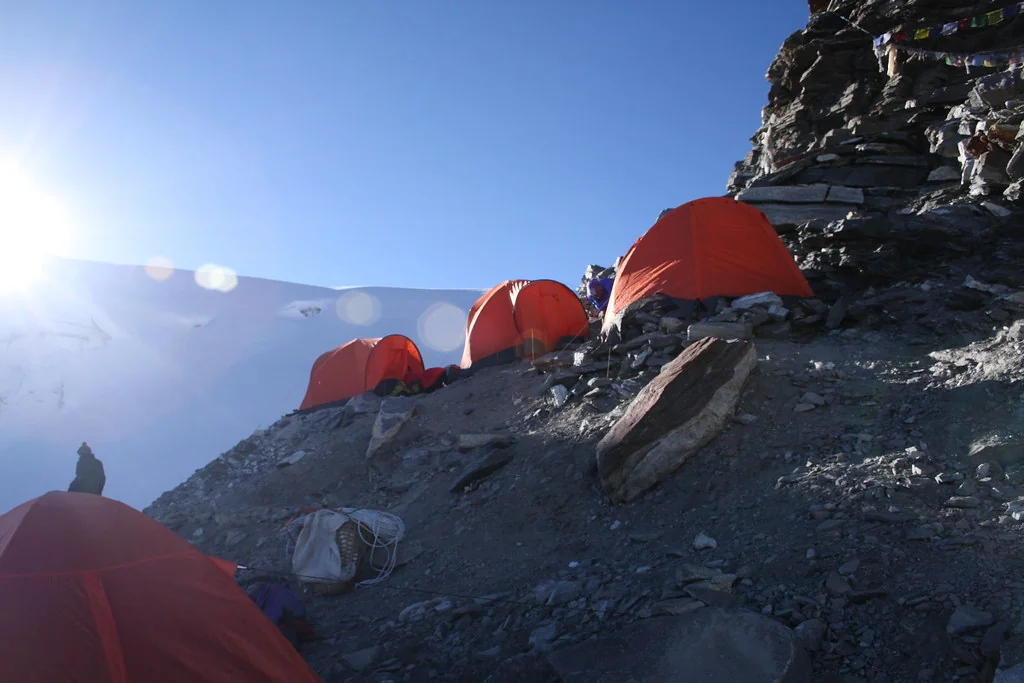
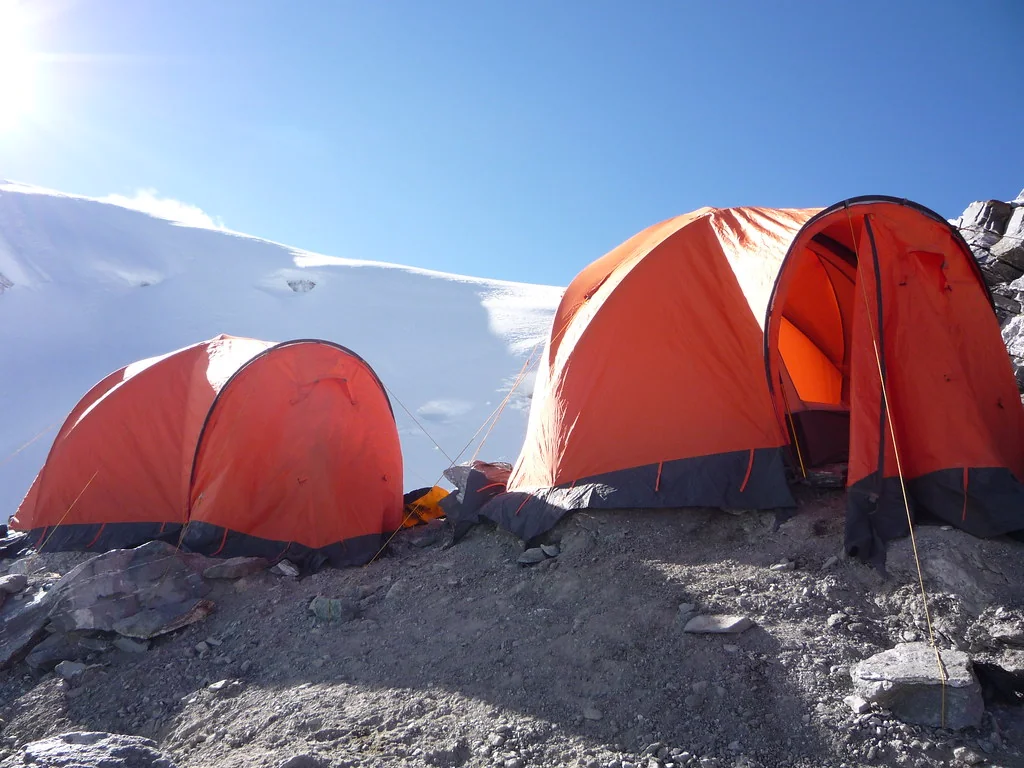
- Summit Height: 6,476m. High Camp at 5,800m is the overnight high point before summit day. Mera La at 5,415m is crossed on Day 8.
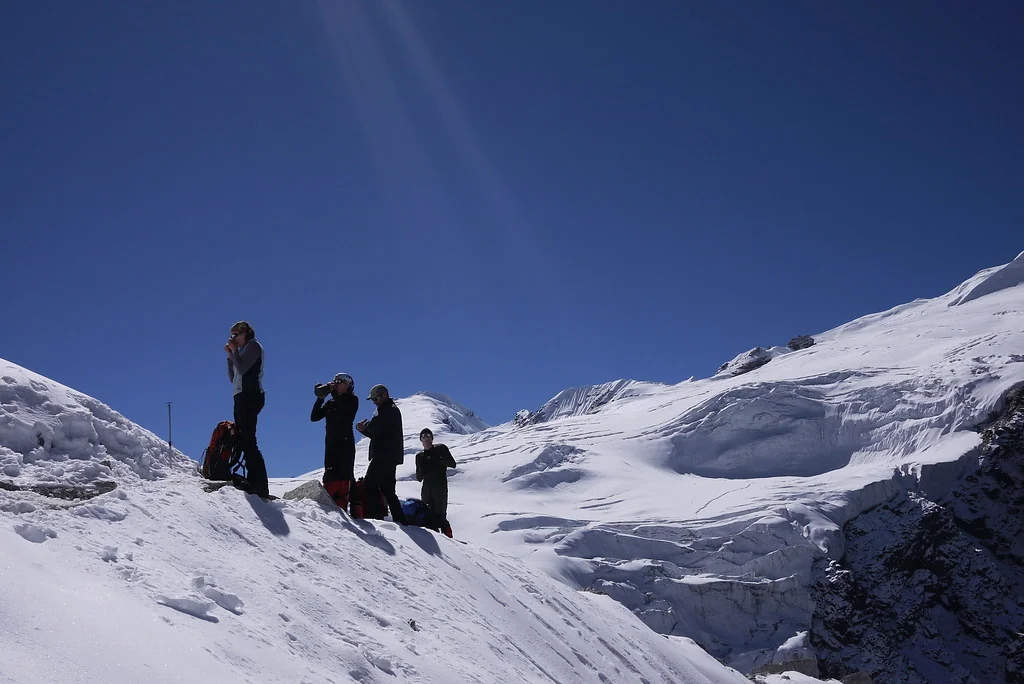
- Technical Requirements: Crampons, ice axe, harness, and helmet are required on the glacier above Mera La. All technical equipment is provided by Summit Routes. The Day 7 training session at Khare covers all required techniques — no prior glacier experience is necessary, though high-altitude trekking fitness is essential.
- Prerequisite Experience: At least one multi-day high-altitude trek above 4,500m is strongly recommended. Climbers with no trekking experience above 4,000m should discuss their background with us before booking. Read our guide to altitude sickness in the Himalaya before departure.
- Permits: Summit Routes arranges all required permits, including the Mera Peak climbing permit (NMA), Sagarmatha National Park entry permit, and TIMS card. All permits are included in the price.
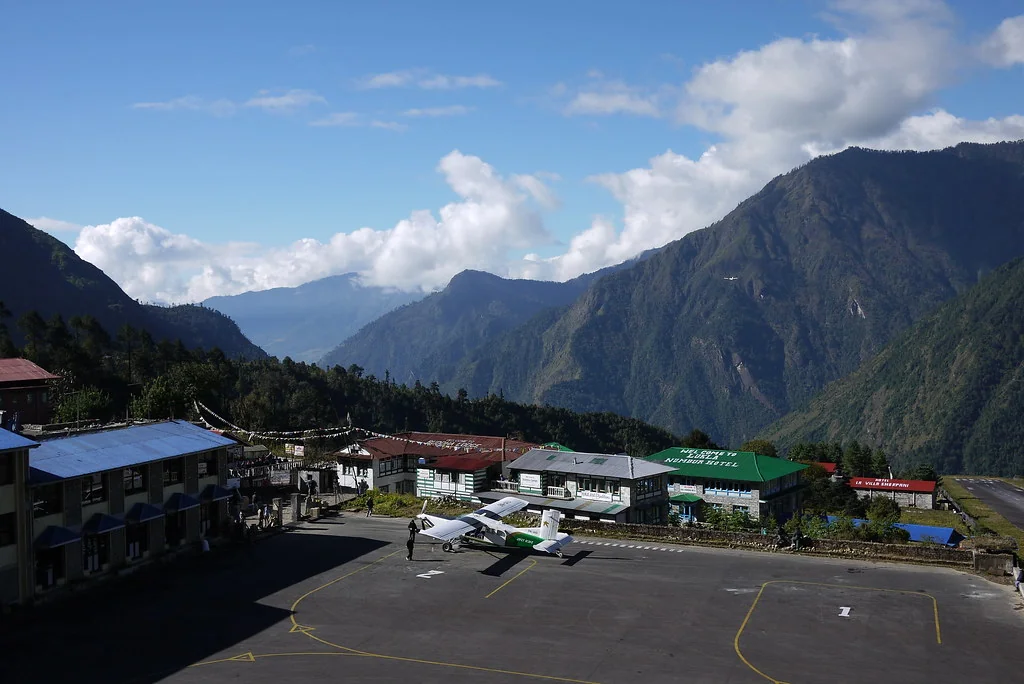
- Lukla Flight: The trek begins and ends with a 35-minute flight to/from Lukla. Weather cancellations are common. A buffer day (Day 10) is built into the itinerary, but do not book non-refundable onward connections within 48 hours of your scheduled Lukla return.
- Fitness Standard: Must be comfortable trekking 10–16 km daily for multiple consecutive days with a loaded pack above 4,000m, and physically capable of sustained effort at 5,800–6,476m on glacier terrain before dawn. The combination of altitude and pre-dawn cold on summit day makes physical preparation more important here than on most comparable objectives.
Brief Itinerary
| Day 1 | Arrive Kathmandu (1,400m) — Expedition Briefing |
| Day 2 | Fly Kathmandu to Lukla (2,860m) — Trek to Chutanga (3,050m) |
| Day 3 | Trek Chutanga to Kothe (3,600m) |
| Day 4 | Trek Kothe to Thangnak (4,358m) |
| Day 5 | Acclimatisation Day — Hike above Thangnak (~4,700m) |
| Day 6 | Trek Thangnak to Khare (5,045m) |
| Day 7 | Acclimatisation & Pre-Climb Technical Training — Khare |
| Day 8 | Trek Khare via Mera La (5,415m) to High Camp (5,800m) |
| Day 9 | Summit Day — Mera Peak (6,476m) — Descend to Khare (5,045m) |
| Day 10 | Buffer / Rest Day — Khare (weather contingency) |
| Day 11 | Trek Khare to Kothe (3,600m) |
| Day 12 | Trek Kothe to Lukla (2,860m) |
| Day 13 | Fly Lukla to Kathmandu — Sightseeing |
| Day 14 | Departure from Kathmandu |
Altitude Profile
Arrive & Depart: Kathmandu (KTM), Nepal
Similar Expeditions

EVEREST BASE CAMP
Level: Challenging | Duration: 14 Days | Best Time: Mar–May & Sep–Nov | Price: From $1795
ANNAPURNA CIRCUIT TREK
Level: Challenging | Duration: 18 Days | Best Time: Mar–May & Sep–Nov | Price: From $1895