Mount Harmukh Expedition (5,142 m) | Alpine Climb & Trek in Kashmir Himalayas
Mount Harmukh Expedition (5,142 m) — Overview
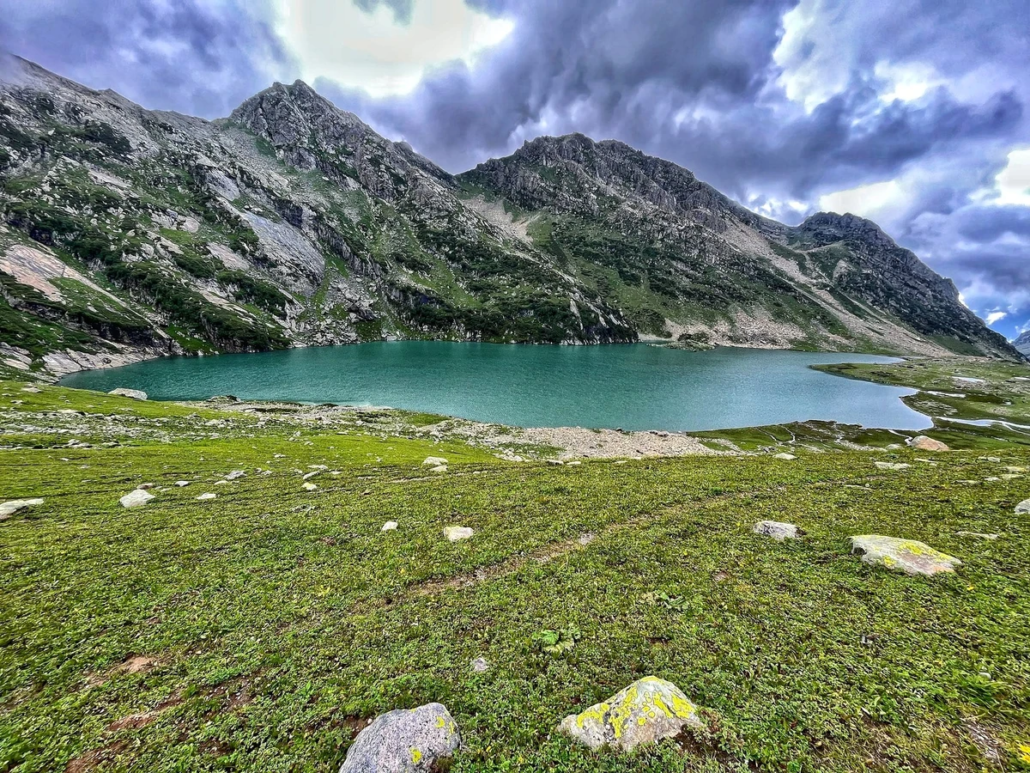
Mount Harmukh is Kashmir’s most storied alpine summit — a peak revered in Hindu tradition as the Kailash of Kashmir and respected by mountaineers for the seriousness of its terrain. Rising to 5,142 metres between the Sind River and the Kishanganga, the Harmukh massif towers above Gangabal Lake — the largest alpine lake in Kashmir — with glaciated flanks that have repelled far more climbers than they have allowed to the summit. Its formidable north face has earned it another name among mountaineers: the Eiger of Kashmir.
Harmukh carries extraordinary historical weight. It was from this summit that British surveyor Thomas Montgomerie, working with the Great Trigonometric Survey of India in 1856, first identified and sketched the two dominant peaks of the Karakoram — labelling them K1 and K2. The name K2 has remained unchanged ever since. Standing on Harmukh’s summit today, you look north toward the same horizon Montgomerie surveyed, with Nanga Parbat’s Rupal Face visible to the west and the faint silhouette of the Karakoram stretching beyond.
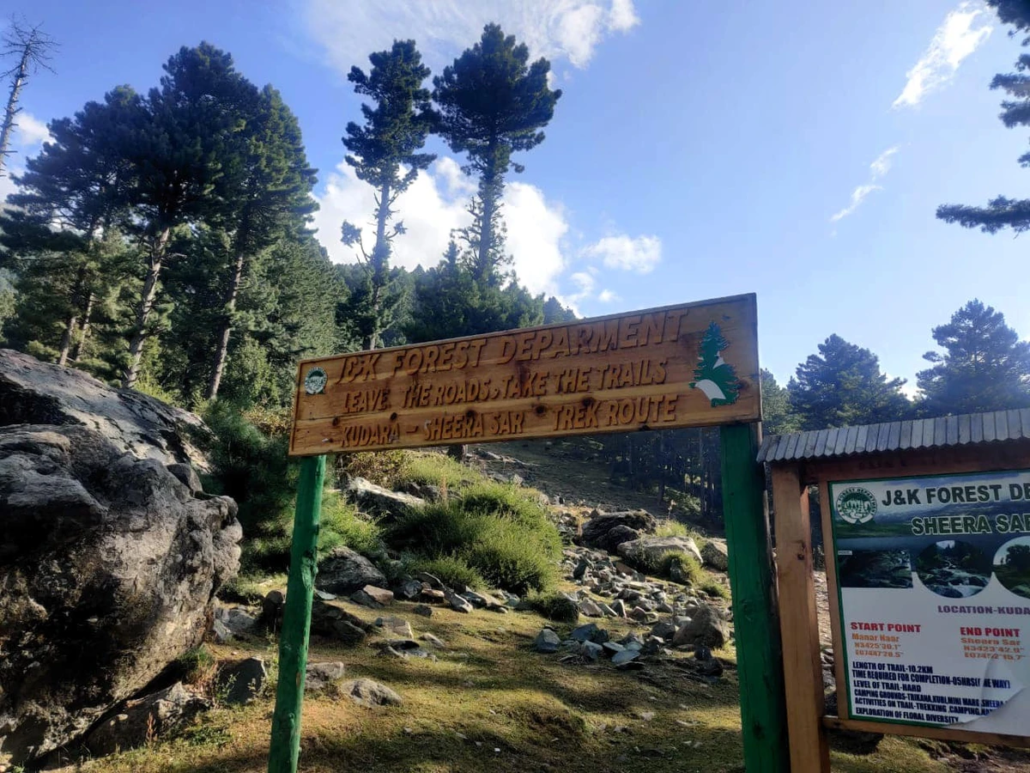
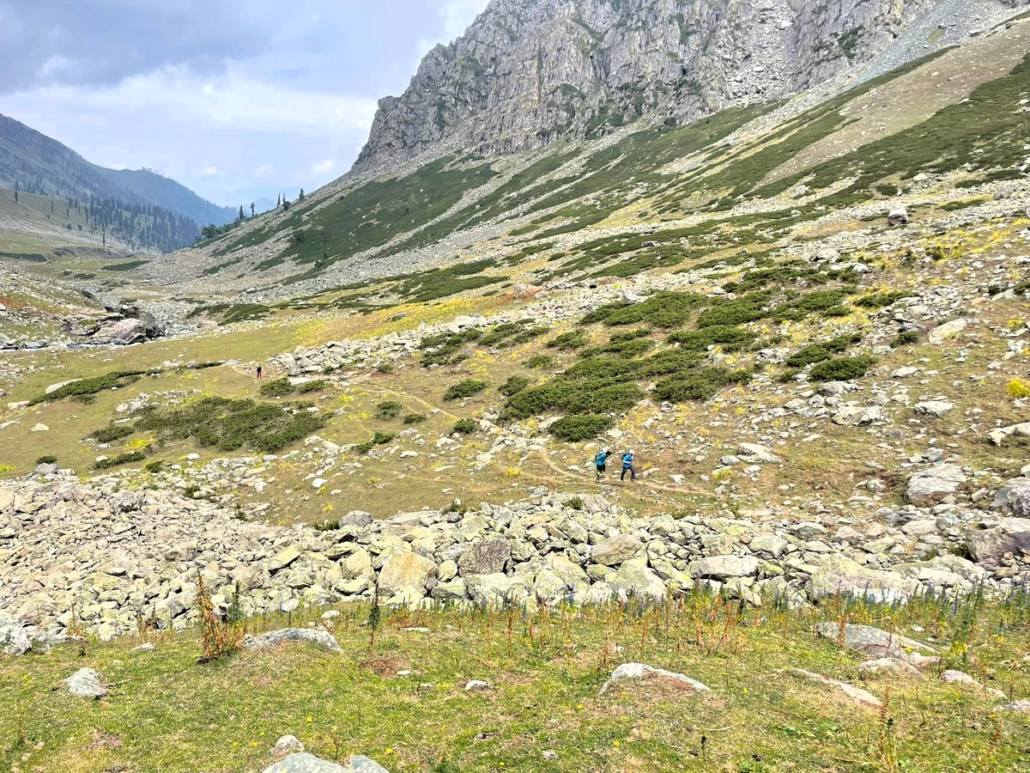
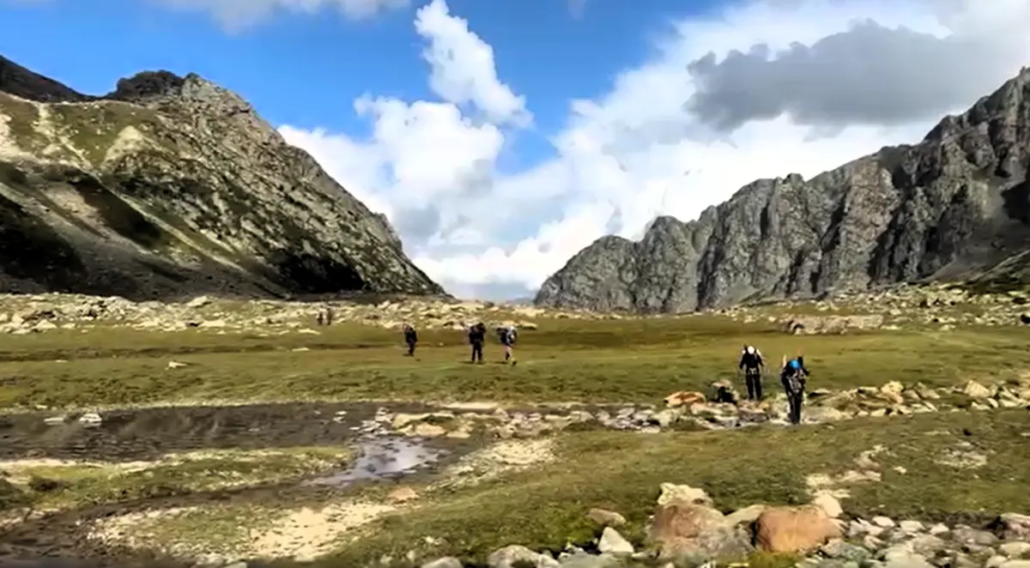
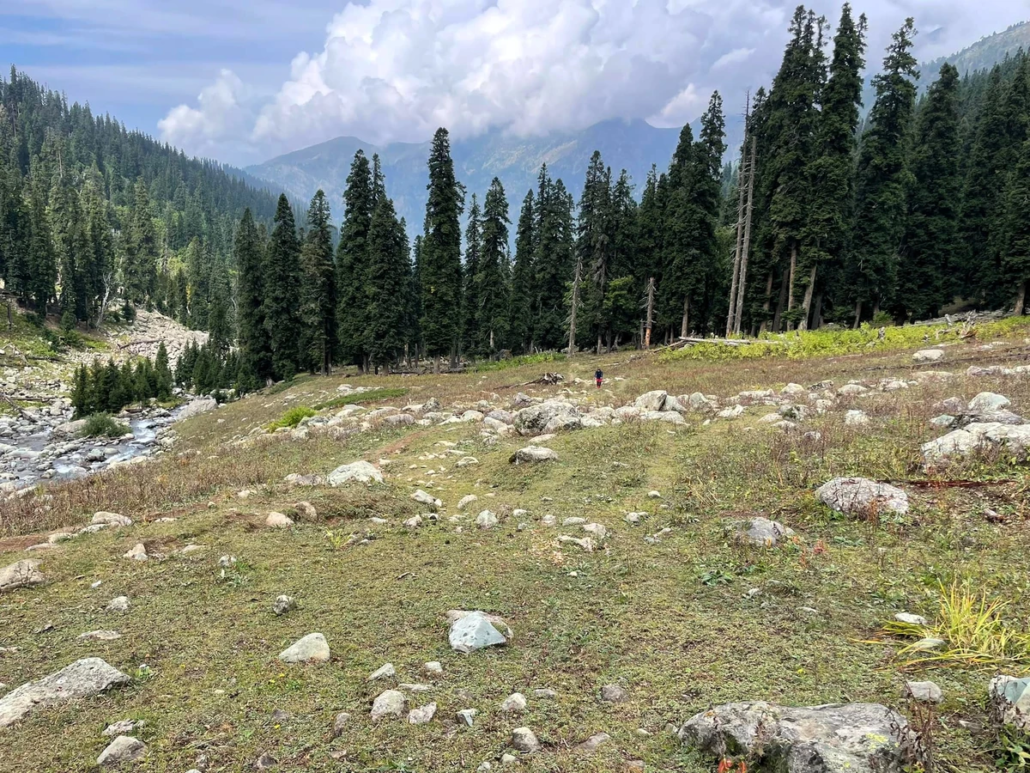
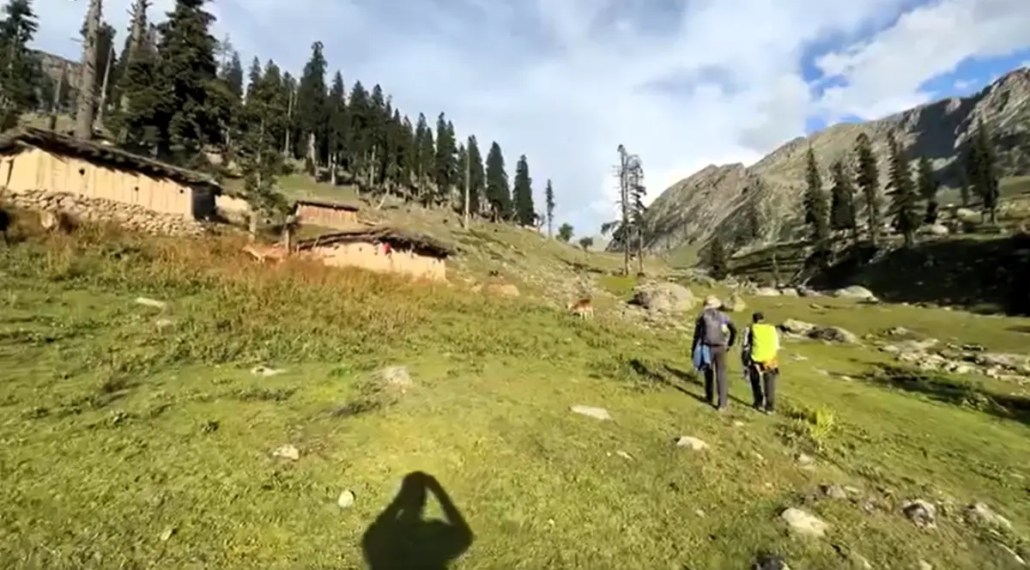
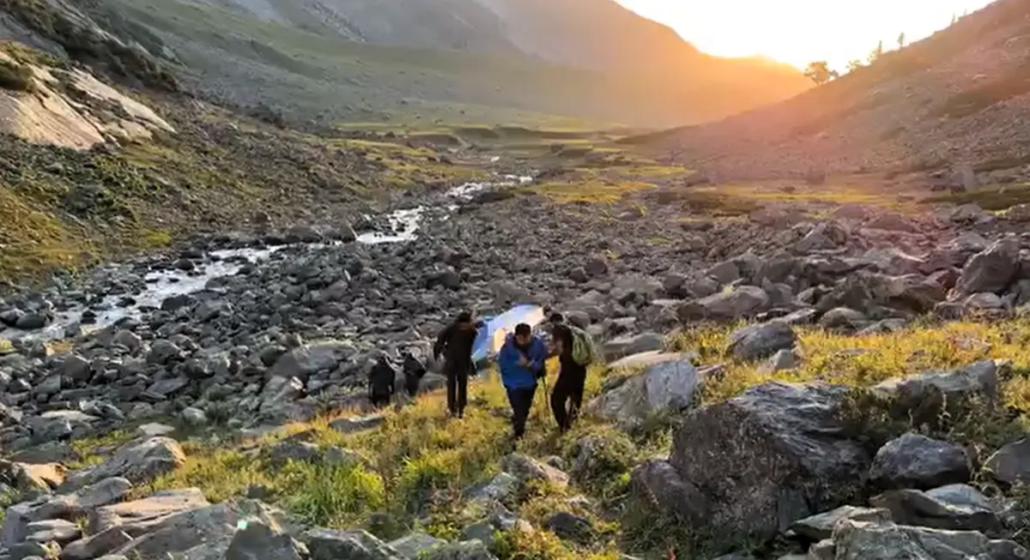
The mountain has five distinct summits. Our expedition targets the Eastern Summit (5,142m), the highest and most commonly attempted objective, approached via the classic Northwestern Route from Arin, Bandipora. This approach has been used by every serious expedition to the peak, including Alpine Adventurers’ landmark 2015 ascent — the first successful Eastern Summit climb in 35 years — and their 2023 return via the Harmukh Glacier. The route takes you from the village of Kudara through 18 kilometres of pine-forested Himalayan valley to Sarbal Lake (Sheera Sar, 3,520m), one of the most beautiful base camp settings in the entire Kashmir range.
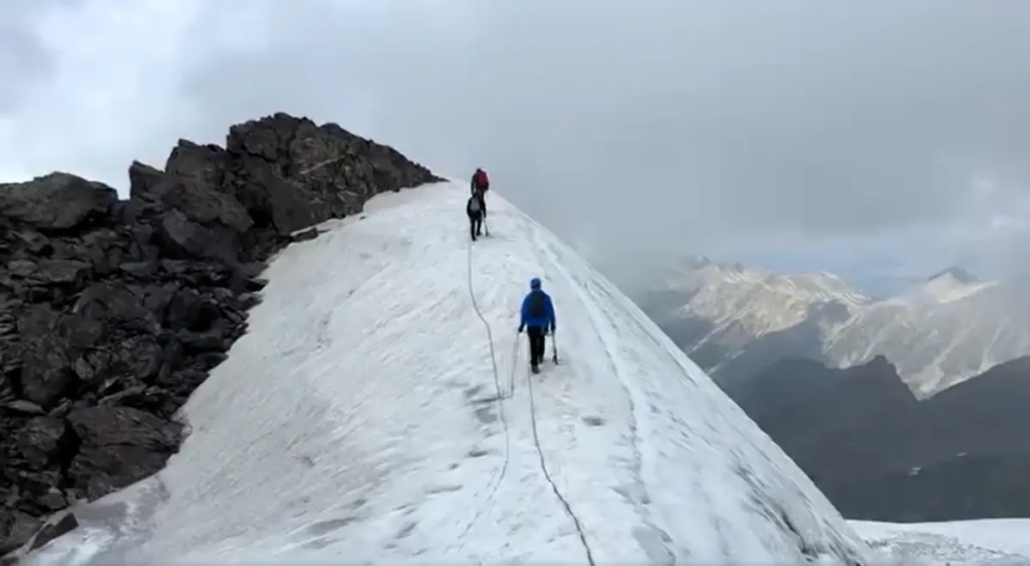
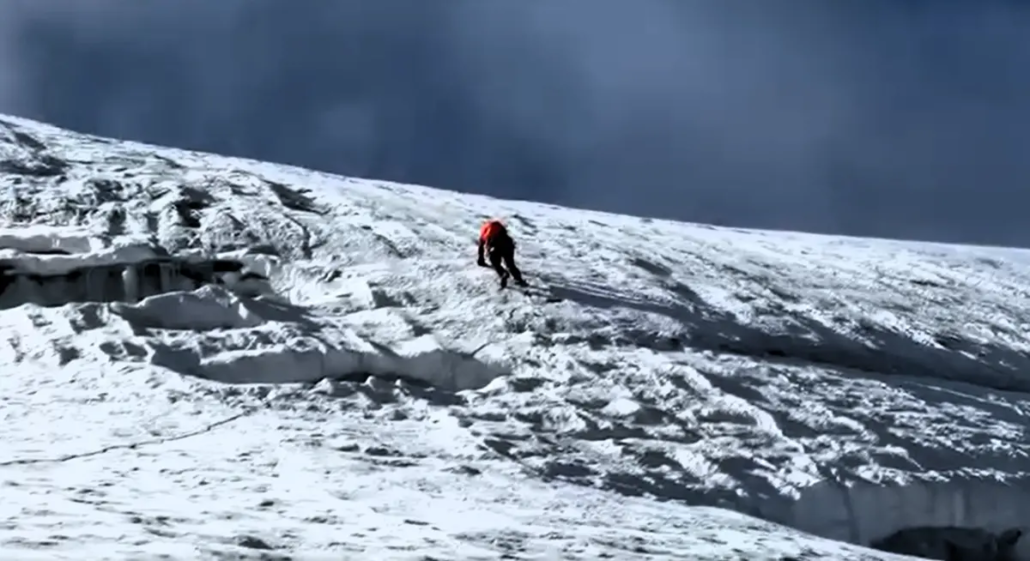
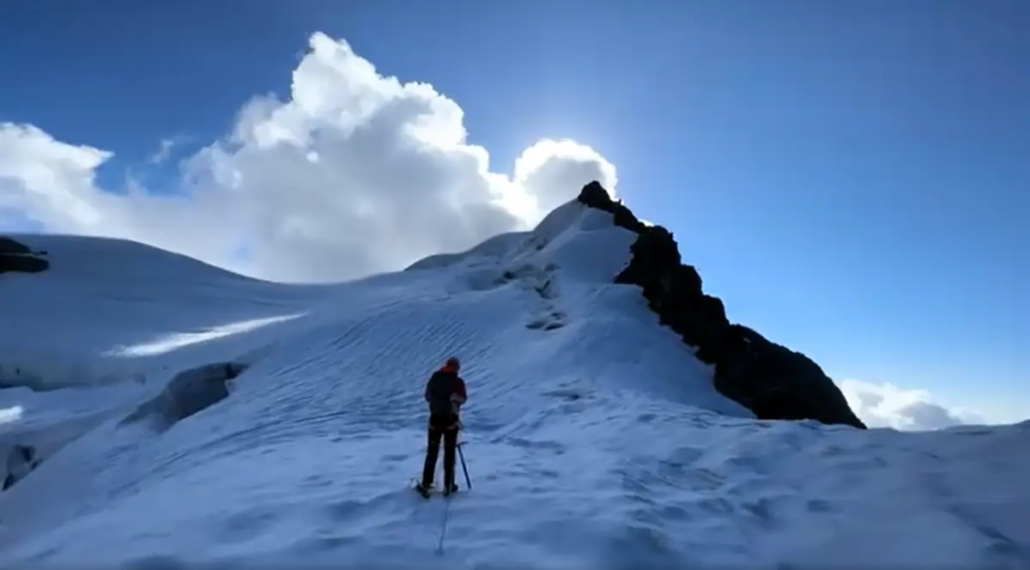
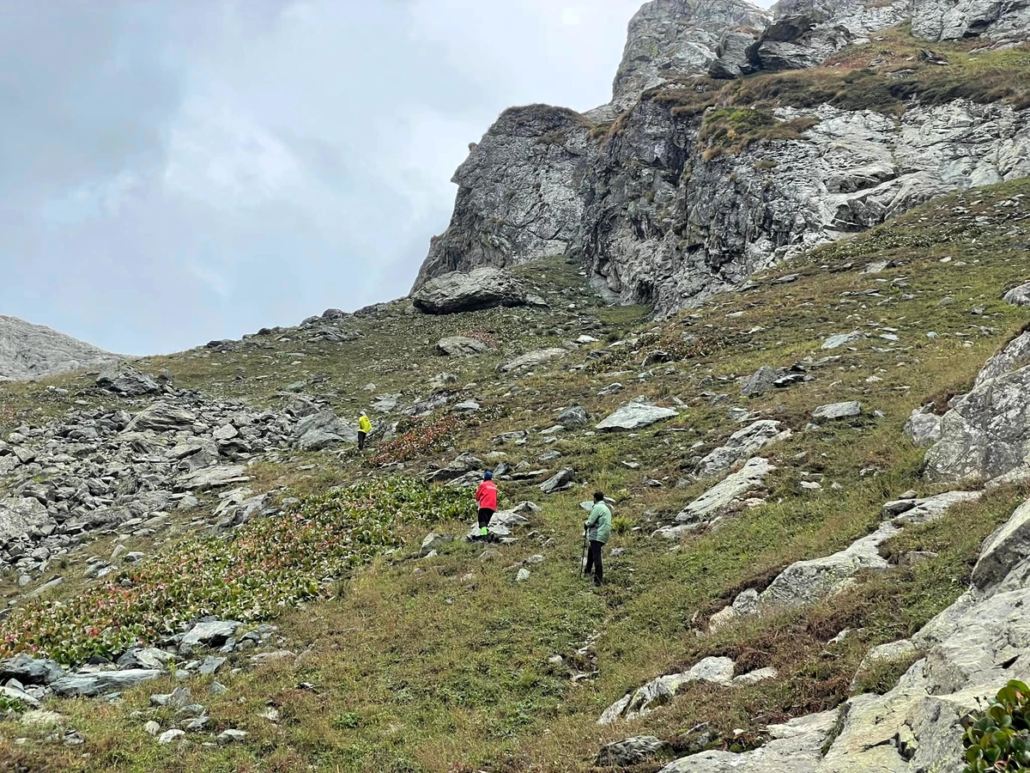
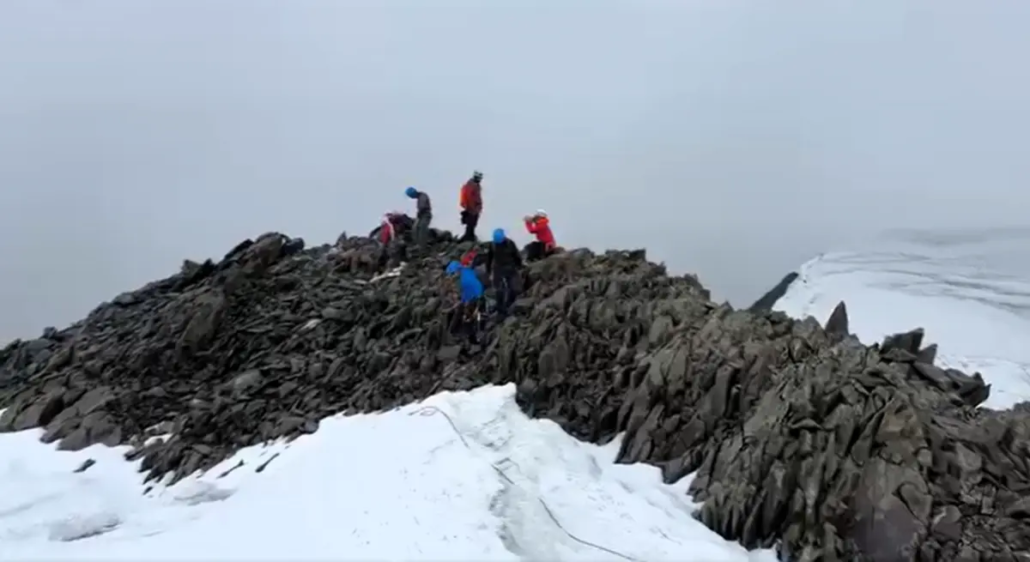
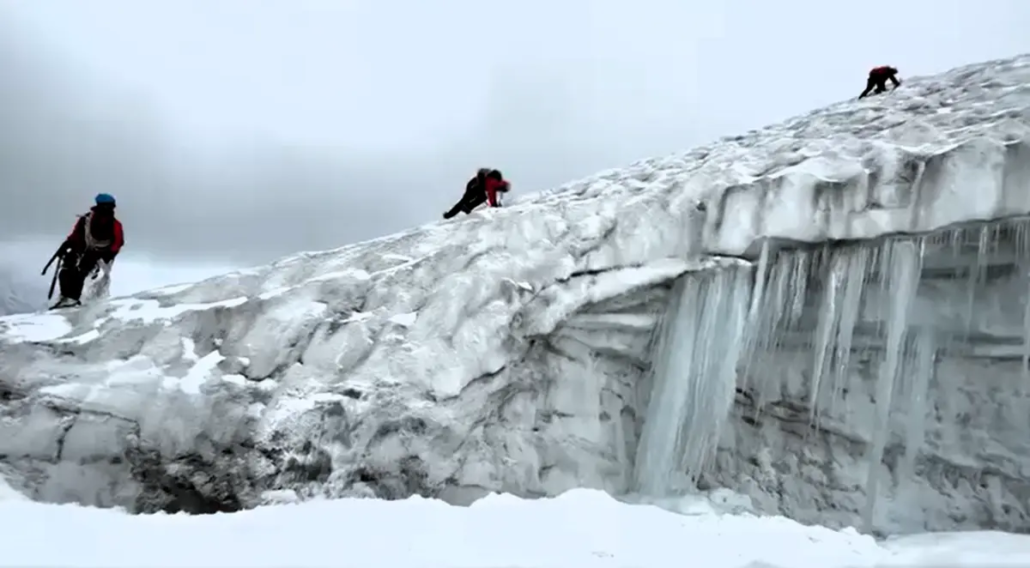
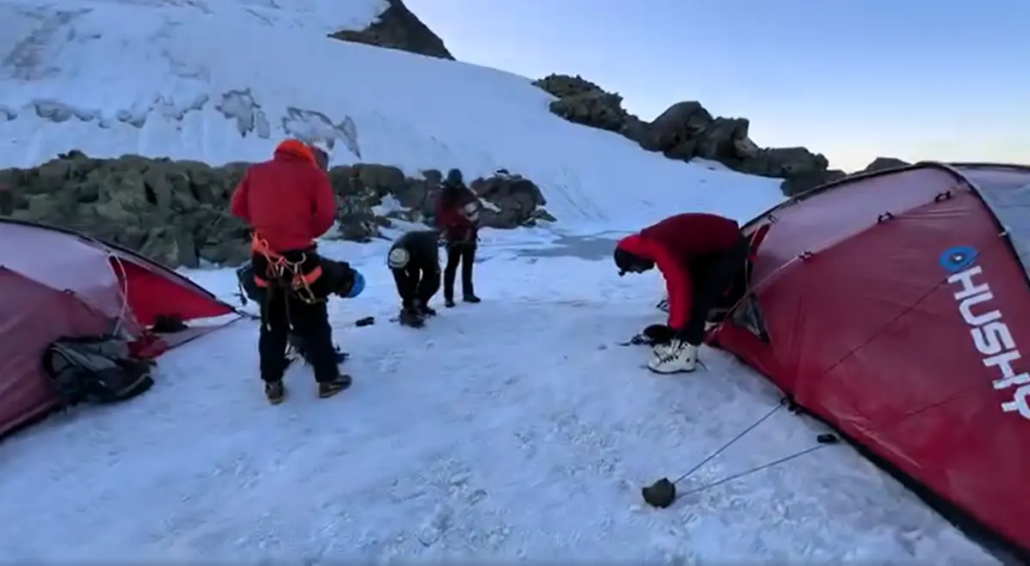
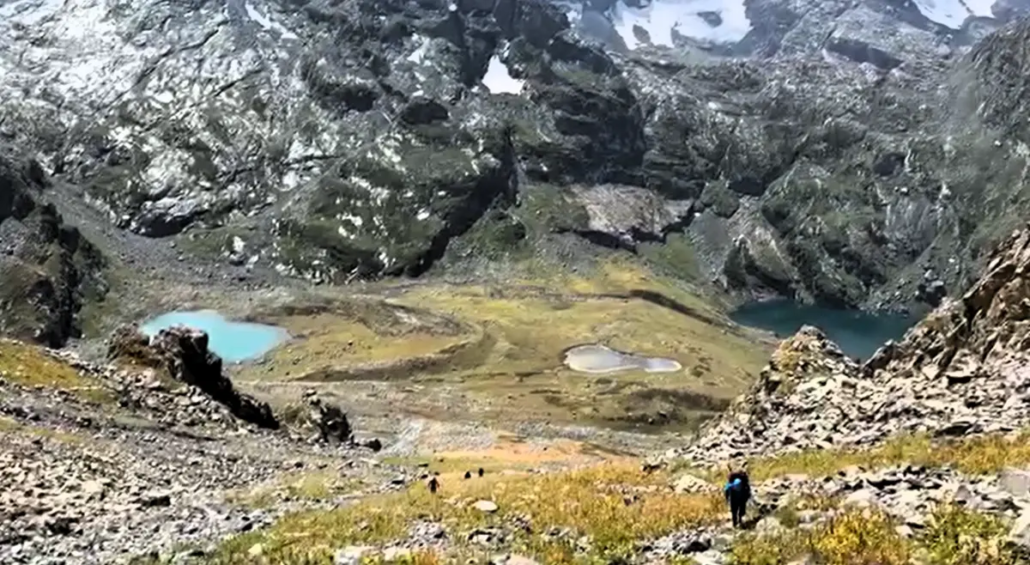
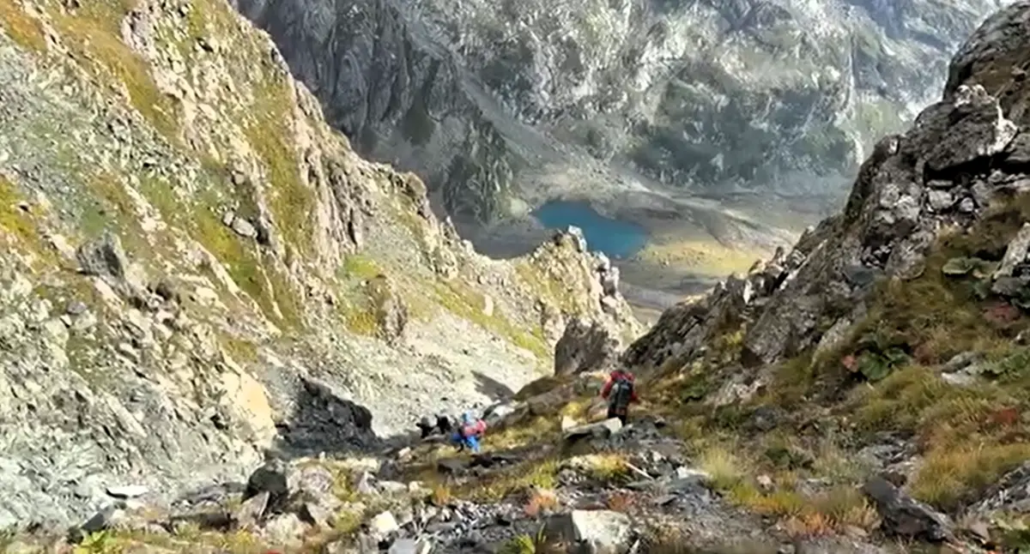
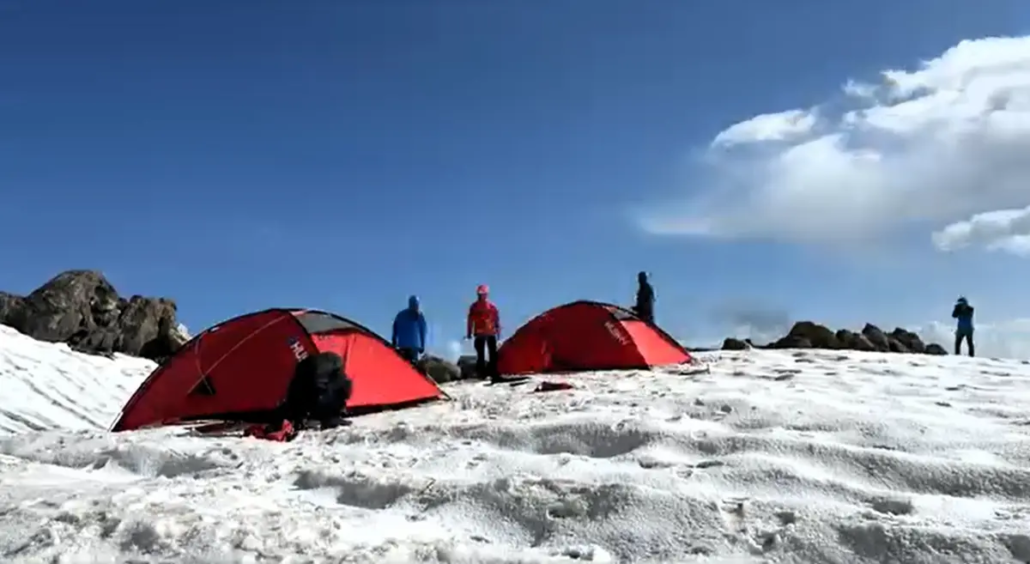
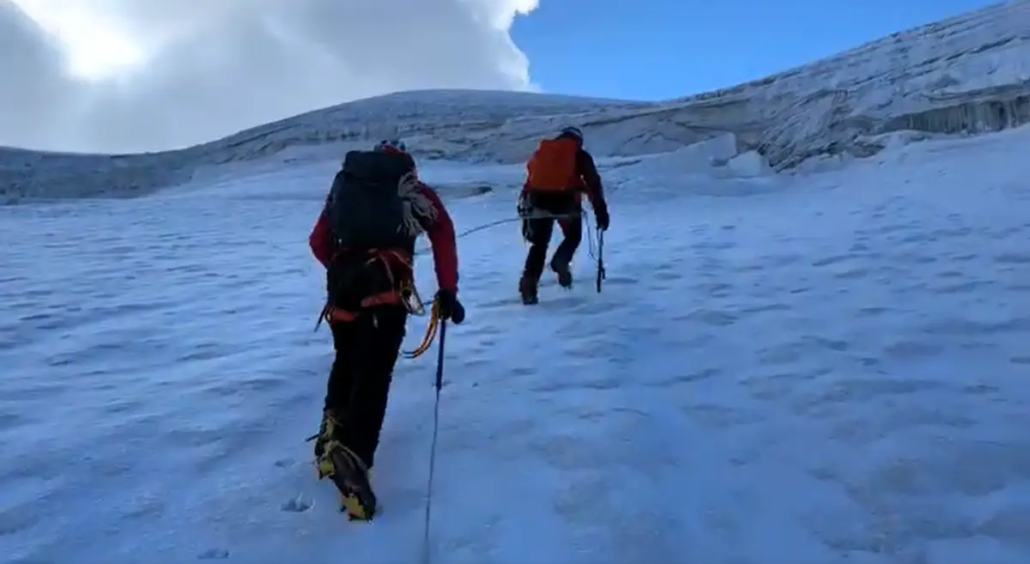
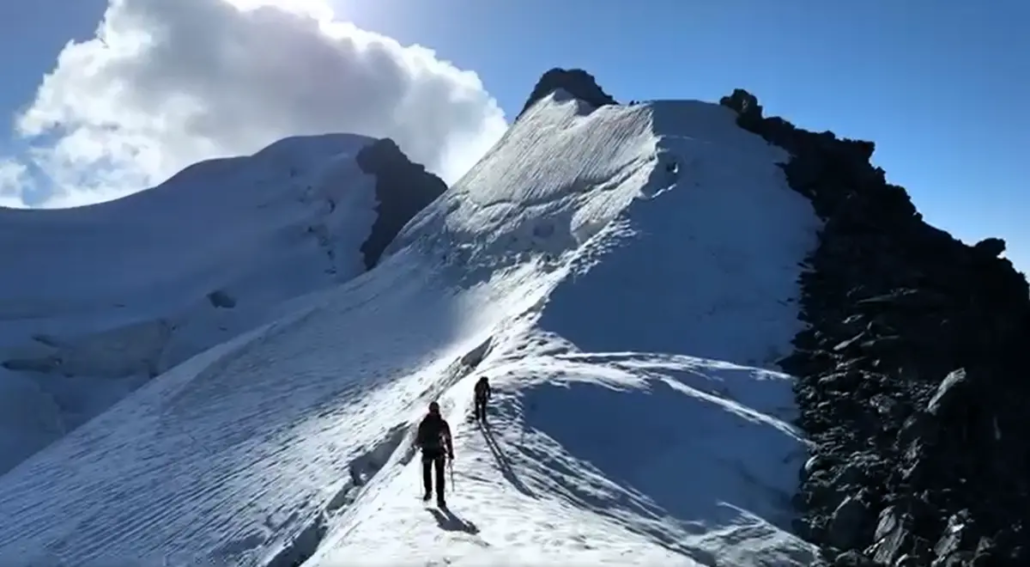
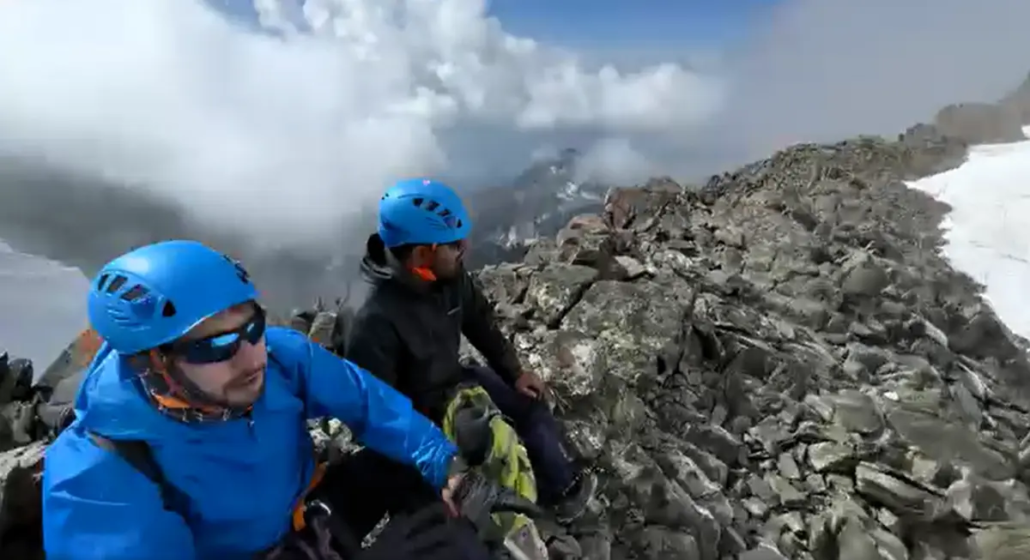
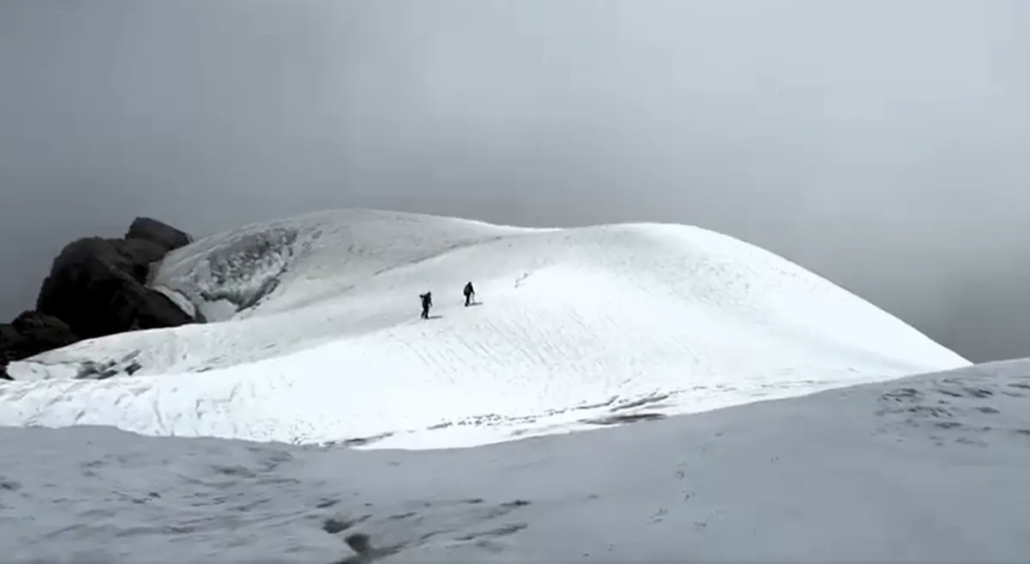
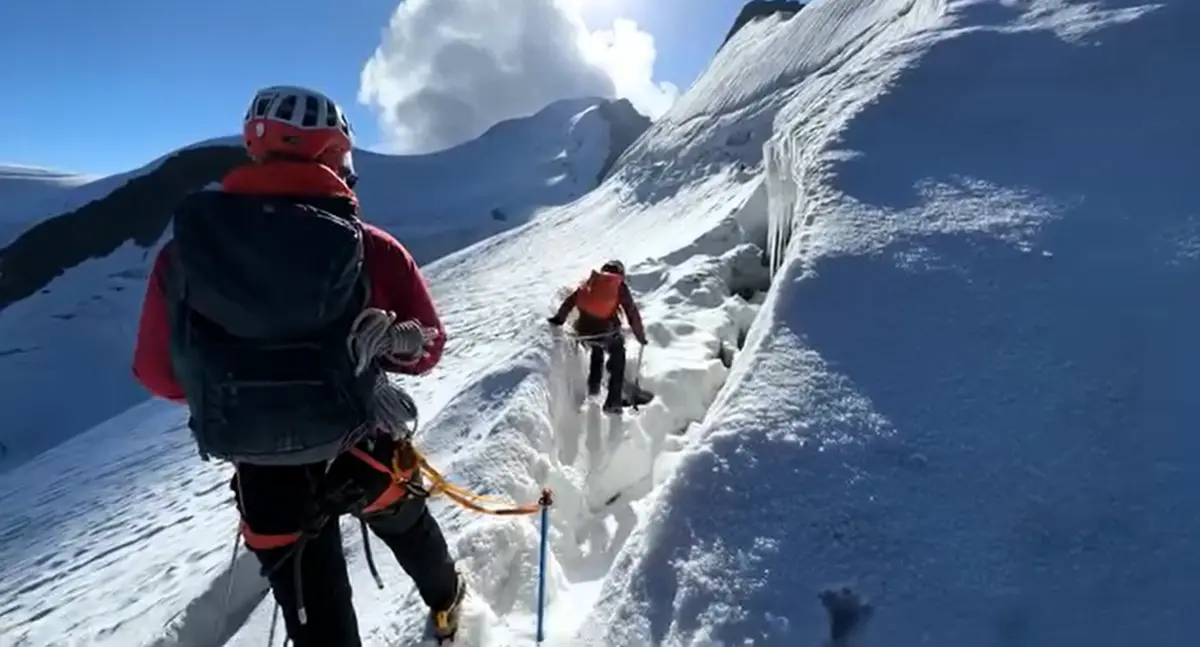
From Sarbal, the mountain’s glaciated face rises directly above camp. The route to the summit ascends through loose scree and moraine to reach the Harmukh Glacier, where Advanced Base Camp sits at approximately 4,750 metres. The final push on summit day crosses the glacier, navigates crevasse zones, and climbs steep snow and mixed slopes of 45–60° to reach the summit ridge. This is not a trekking peak — it demands genuine mountaineering skills, crampons, ice axe, ropes, and the fitness to operate at altitude on technical terrain. Summits are earned here.
Our Harmukh expeditions are led by experienced Kashmiri mountain guides with deep knowledge of the mountain’s weather patterns, route conditions, and the logistical demands of operating in this remote corner of the Himalaya.
Important Notes
- Best Season: July to September, when the approach valley is clear of winter snow and the glacier is most stable for safe ascent.
- Alpine Grade: PD to AD (the route involves genuine alpine terrain; more serious than typical introductory peaks).
- Summit Height: 5,142m (Eastern Summit). Highest camp: Advanced Base Camp at approximately 4,750m.
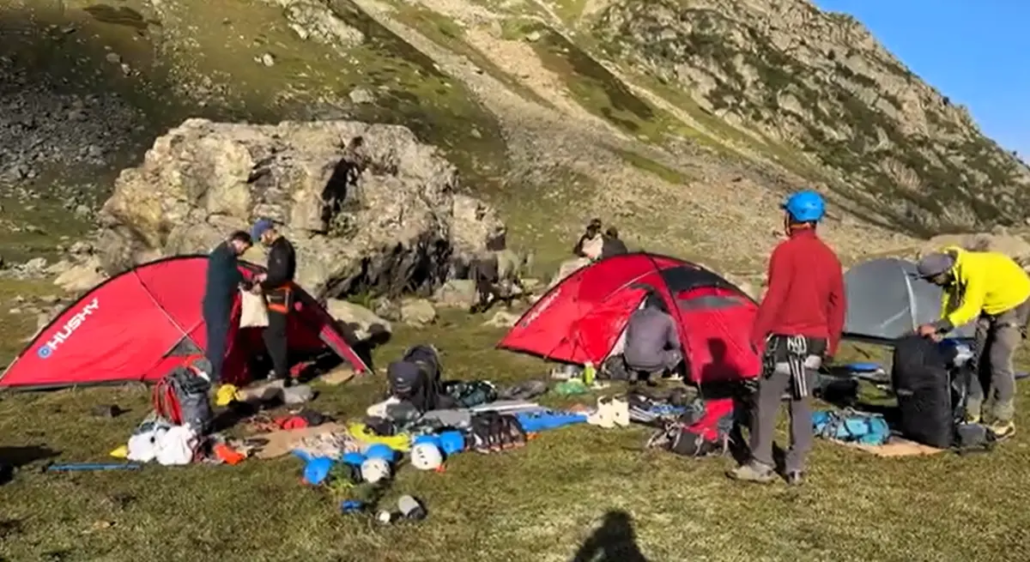
- Technical Requirements: Crampons, ice axe, harness, helmet, and fixed rope technique required on the upper glacier and summit slopes. Personal technical gear can be rented in Srinagar on request; confirm well before departure.
- Prerequisite Experience: At least one multi-day high-altitude trek above 4,000m is strongly recommended. Prior snow or glacier experience is genuinely helpful on this mountain. Climbers with no prior technical experience must discuss their background with us before booking.
- Permits: Summit Routes arranges all required permits, including:
- Trekking and forest entry permits for the Arin–Kudara–Sarbal route
- Mountaineering permit for Mount Harmukh (Eastern Summit)
- All relevant local authority and district administration permissions
- Fitness Standard: Must be comfortable hiking 10–15 km daily with sustained elevation gain and a loaded pack. The combination of altitude, loose scree approaches, and steep glacier terrain makes physical preparation more important here than on many comparable peaks. If this is your first high-altitude expedition, we strongly recommend reading our guide to altitude sickness in the Himalaya.
- Cultural Note: Harmukh and Gangabal Lake are deeply sacred to Kashmiri Hindus. An annual pilgrimage to the lakeside takes place in late summer. Expedition members are asked to approach the mountain and its surroundings with appropriate respect for this significance.
Brief Itinerary
| Day 1 | Arrive Srinagar (1,585m) — Expedition Briefing |
| Day 2 | Drive Srinagar to Kudara — Trek to Sarbal Lake Base Camp (3,520m) |
| Day 3 | Acclimatisation & Technical Training — Base Camp |
| Day 4 | Trek Base Camp to Advanced Base Camp (4,750m) |
| Day 5 | Summit Day — Mount Harmukh (5,142m) — Return to Base Camp |
| Day 6 | Contingency / Weather Reserve Day — Base Camp |
| Day 7 | Trek Base Camp to Kudara — Drive to Srinagar |
| Day 8 | Departure from Srinagar |
Altitude Profile
📅 2026 Departures — Mount Harmukh Expedition (5,142m)
Click a departure to enquire instantly on WhatsApp