
Har Ki Dun Trek
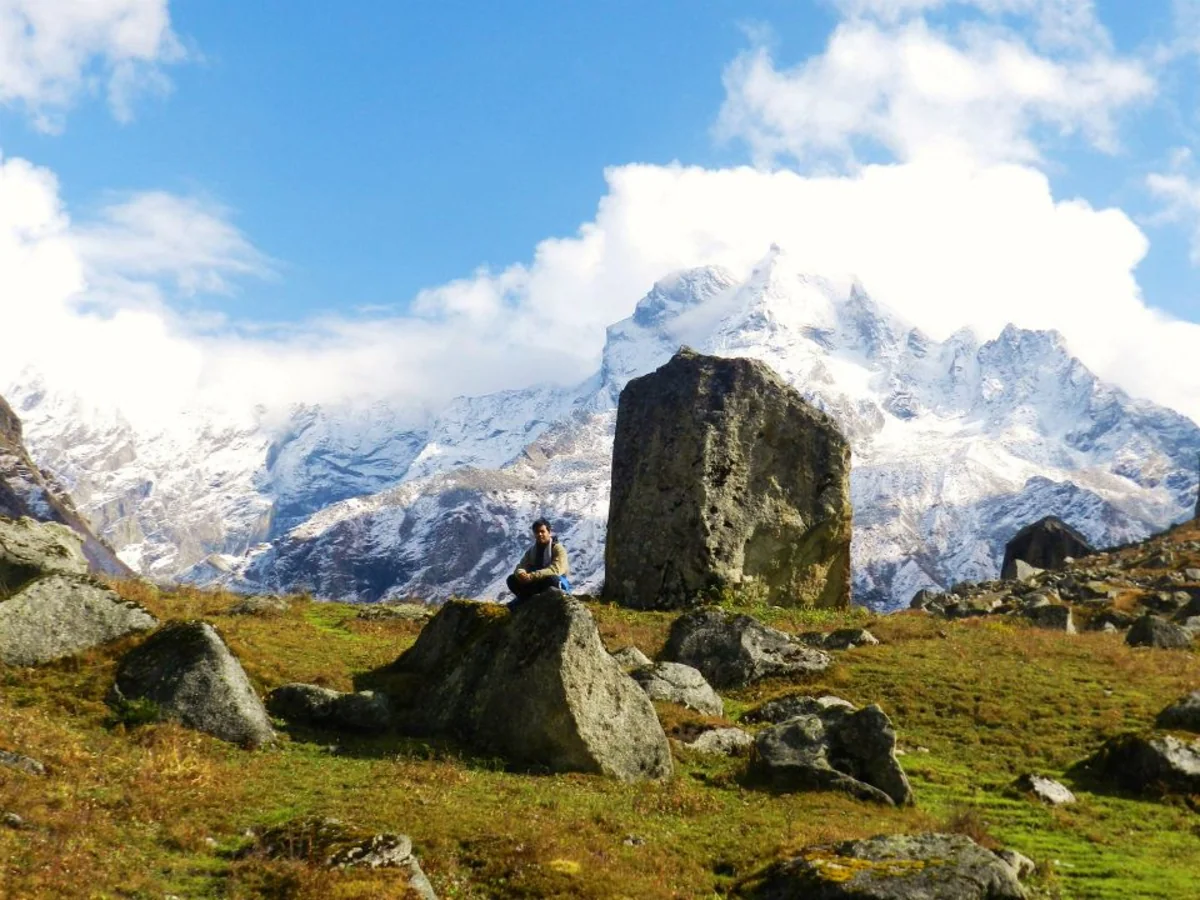
Har Ki Dun Trek — Overview
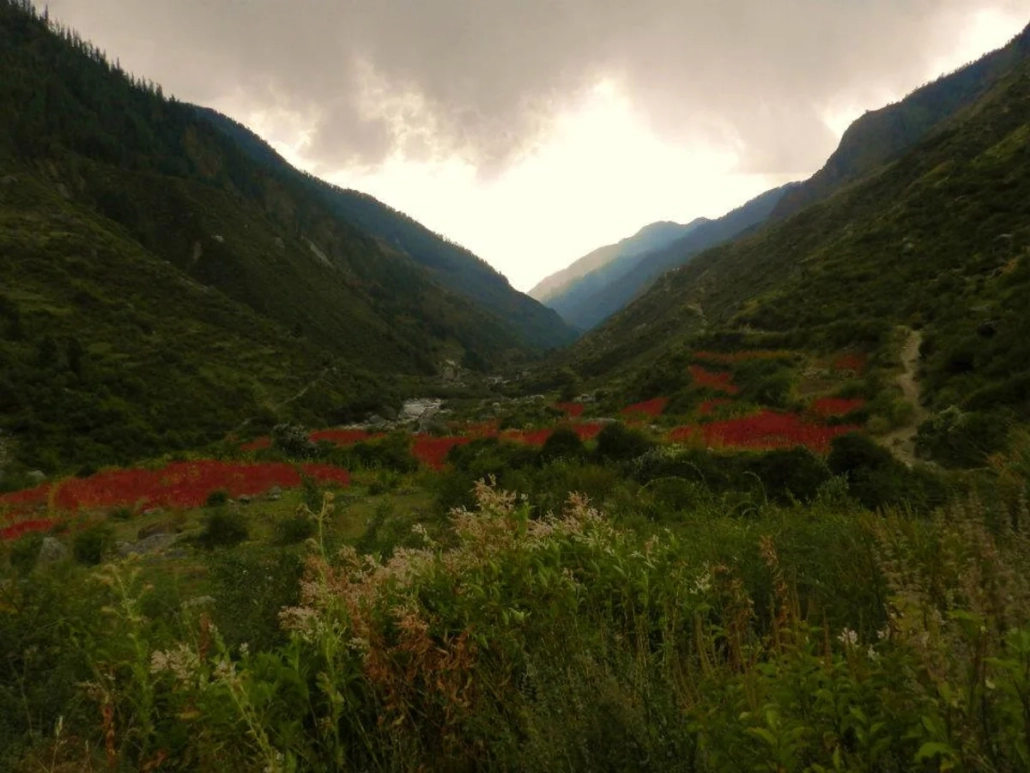
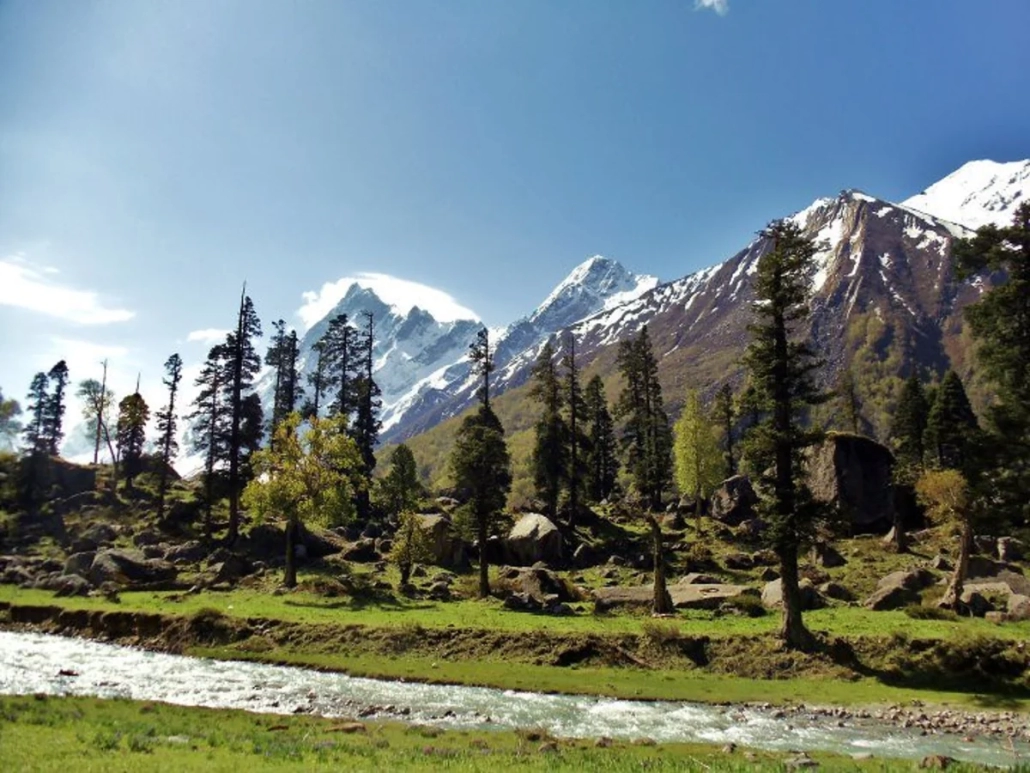
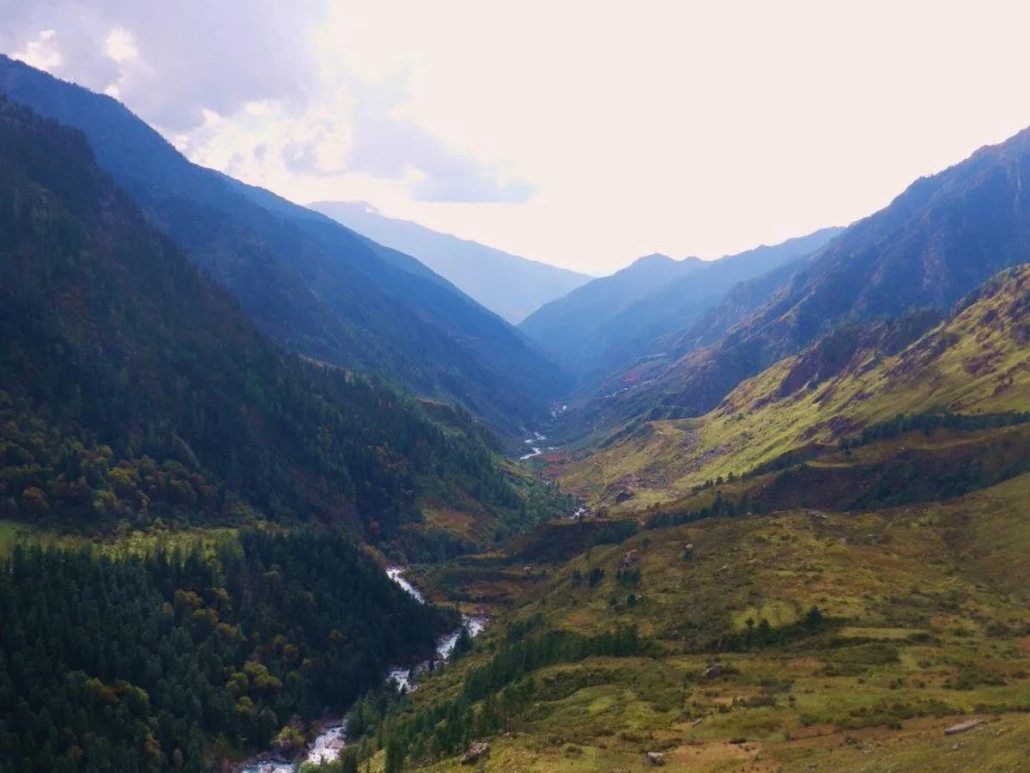
Har Ki Dun — the Valley of Gods in the Jaunsari language of Uttarkashi district — is one of the most complete trekking experiences in the Indian Himalaya. It offers terrain that changes completely every day, cultural depth that most Himalayan routes cannot match, and a mountain horizon anchored by Swargarohini (6,252m), the peak whose name means Stairway to Heaven — the route, according to local tradition, by which the Pandavas of the Mahabharata ascended to the afterlife. The valley sits inside Govind Pashu Vihar National Park in Uttarkashi district, a protected forest reserve that has kept this corner of Garhwal almost entirely uncommercialised.
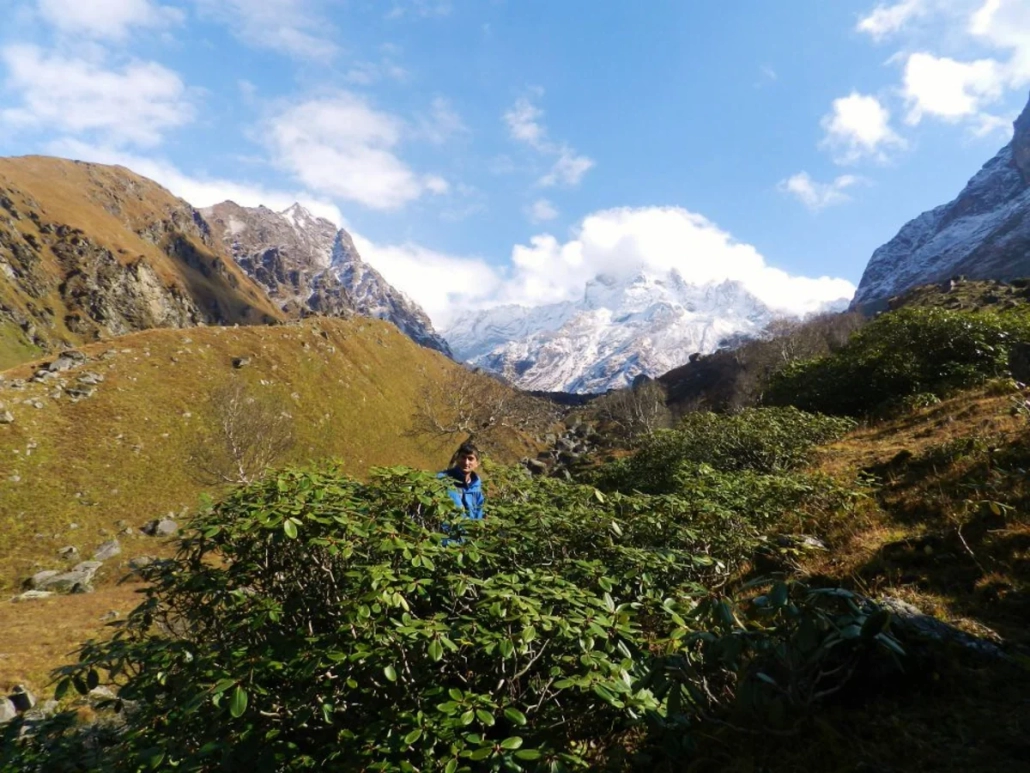
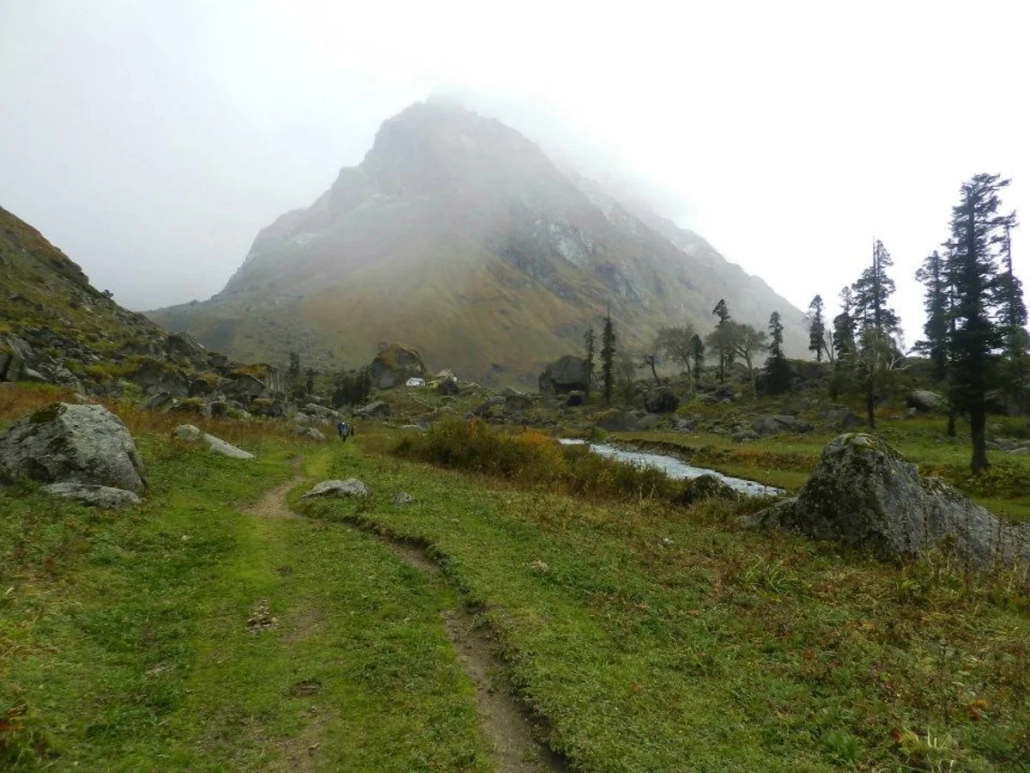
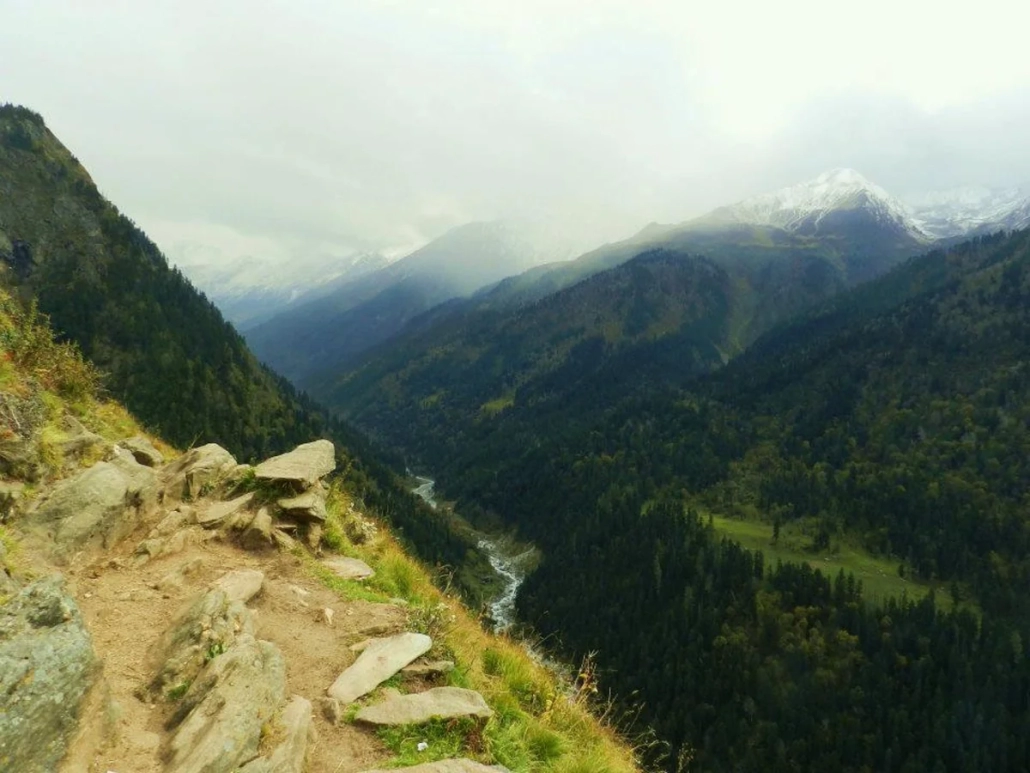
The route from Sankri climbs the Tons River valley through dense Himalayan oak and rhododendron forest — an April rhododendron bloom here rivals anything in the Nepal or Sikkim Himalaya — past the medieval stone villages of Taluka and Osla, where an ancient temple dedicated to Duryodhana stands as one of the most unexpected and fascinating cultural sites in all of Garhwal. The valley then opens into the glacier-ringed meadow of Har Ki Dun at 3,566m, a broad, flat amphitheatre of glacial grassland ringed by ice on three sides. The optional extension to the Jaundhar Glacier (~4,150m) brings the route face to face with some of the most accessible glacial ice in the Western Himalaya. Summit Routes runs this trek fully guided with Garhwali mountain guides from Uttarkashi, village guesthouse and Forest Rest House accommodation throughout, and the full Govind National Park permit documentation handled before you arrive.
Why Har Ki Dun
- The Valley of Gods — Har Ki Dun is one of a handful of high-altitude meadows in the Indian Himalaya that have never been touched by commercial development. No shops, no roads, no crowds — just the meadow, the glacier, and Swargarohini rising directly above camp.
- The Duryodhana Temple at Osla — Osla is one of the most culturally distinctive villages in Garhwal. Its temple is dedicated to Duryodhana — the chief antagonist of the Mahabharata — a living example of how Himalayan communities developed their own independent relationship with the great epics. Your guide walks you through the temple and the local mythology that shapes it.
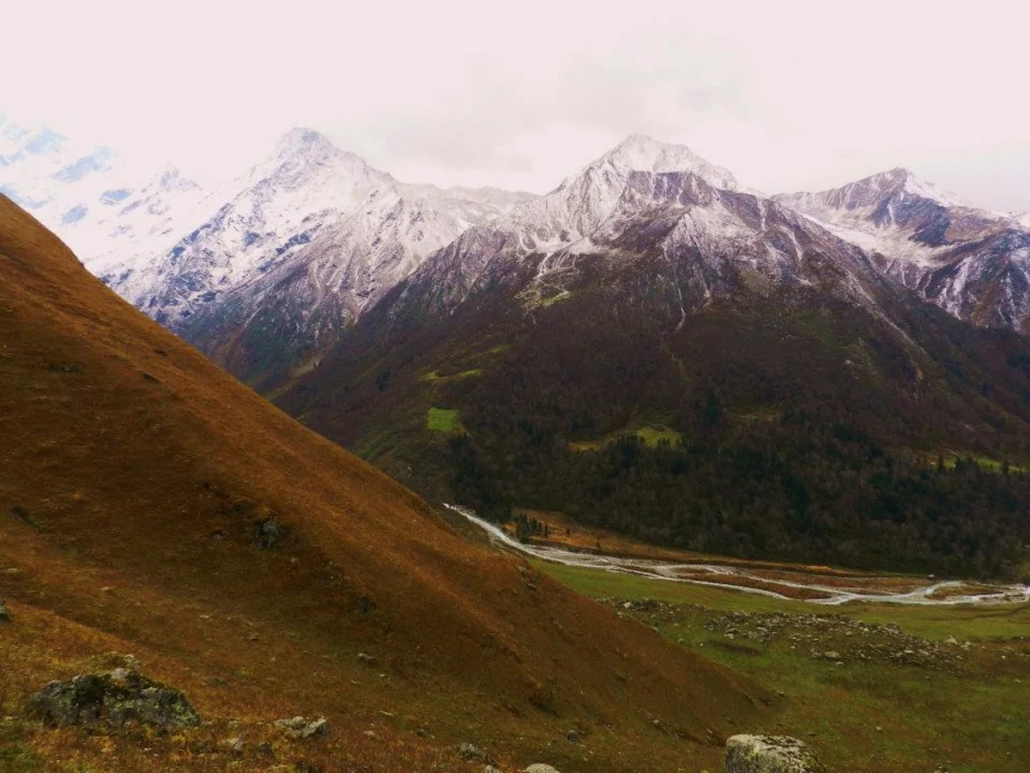
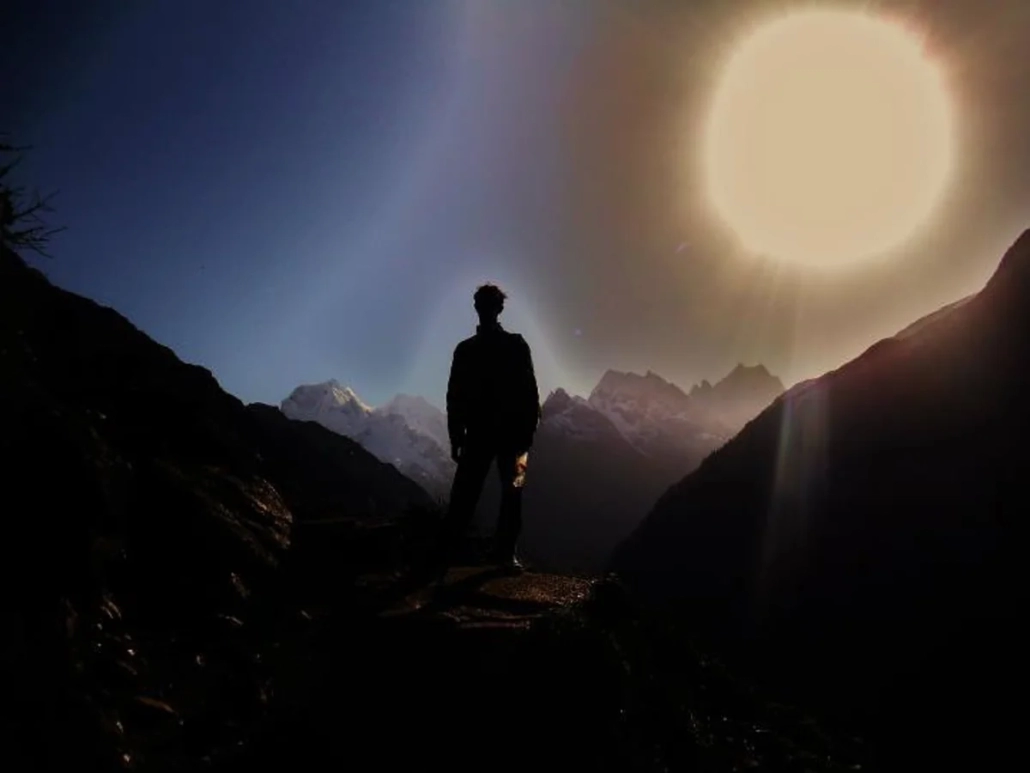
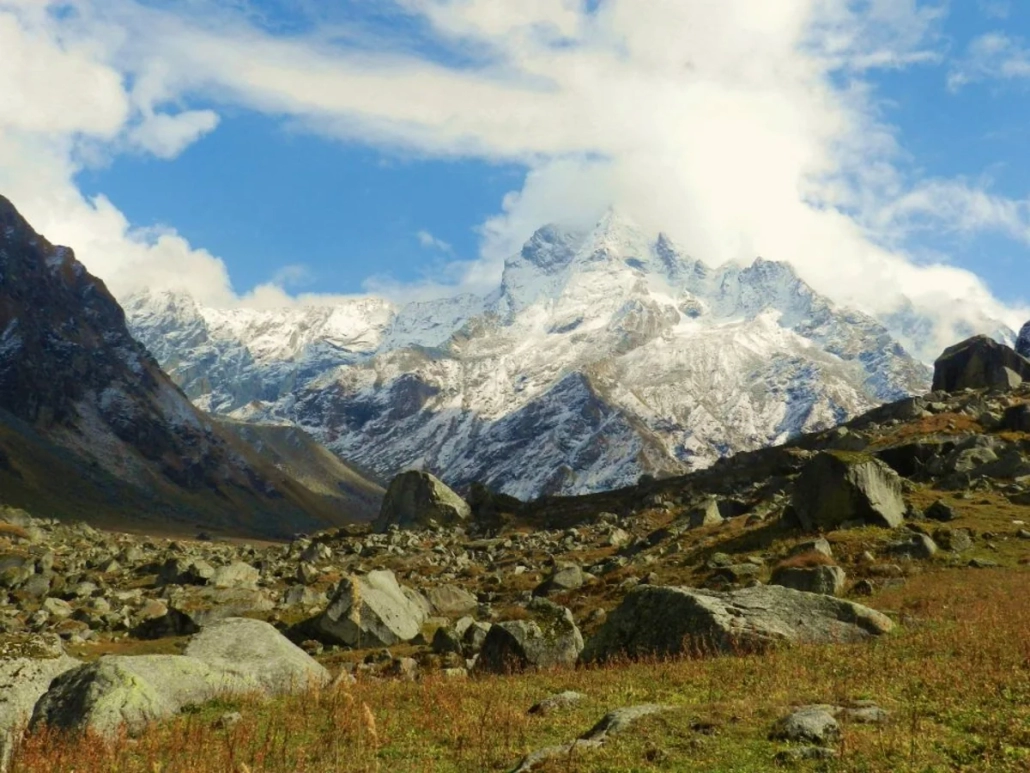
- Swargarohini (6,252m) — The Stairway to Heaven — The Swargarohini massif dominates the valley head from Day 4 onwards alongside Bandarpunch (6,316m) and Kalanag (6,387m). The views from Har Ki Dun meadow of these three ice faces simultaneously — with the Jaundhar Glacier filling the valley between them — are freely available to anyone willing to walk here.
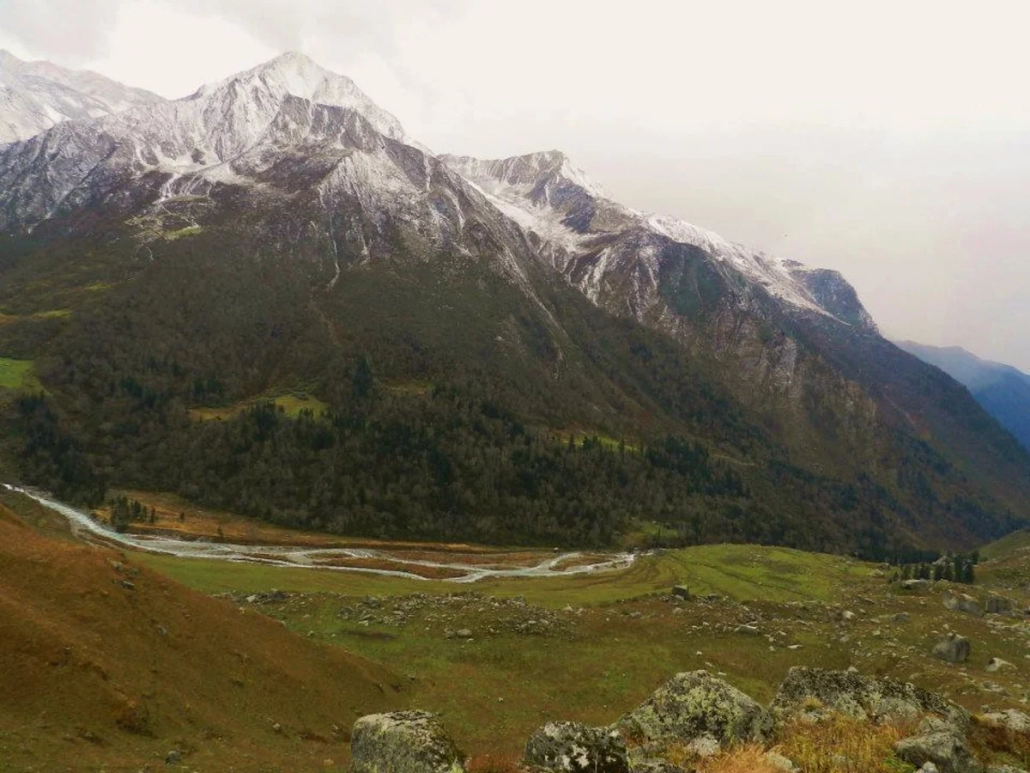
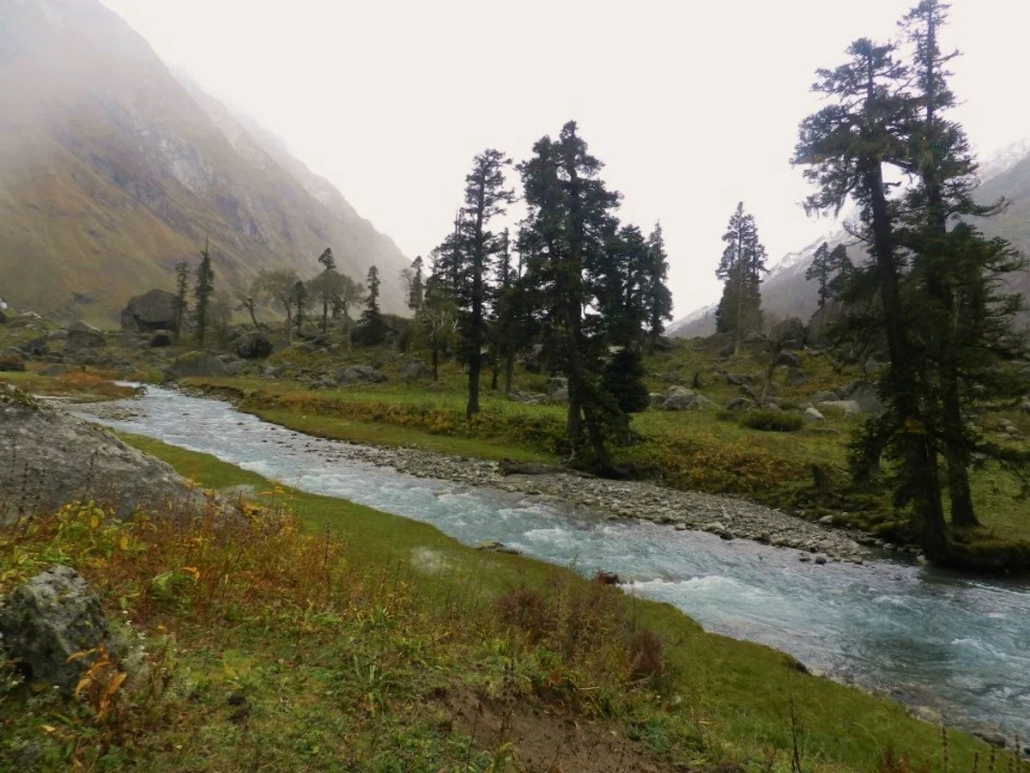
- Govind Pashu Vihar National Park — The entire Har Ki Dun valley sits within a protected wilderness of old-growth forest, high-altitude meadows, and glacial rivers. Himalayan brown bear, snow leopard, and musk deer inhabit the upper reaches. The national park status has kept the trail in a condition that is increasingly rare in the more popular Himalayan trekking regions.
- The Best First Himalayan Trek in Uttarakhand — At a maximum of 3,566m (4,150m with the optional glacier extension), Har Ki Dun is achievable for anyone in reasonable physical condition with no prior high-altitude experience. The gradual ascent profile, consistent guesthouse accommodation, and complete absence of technical terrain make it the most accessible high-quality trek in the Uttarakhand portfolio.
Important Notes
- Best Seasons: April–May (spring) and September–October (autumn). April and May bring the rhododendron bloom in the lower forest sections and the first snow-free meadow conditions at Har Ki Dun. September offers the clearest skies, stable weather, and the sharpest mountain views. October is the last reliable month before the valley closes for winter — cold nights at Har Ki Dun but often spectacular clarity.
- Difficulty Level: Easy to Moderate — the highest point is 3,566m (4,150m with the glacier extension), there are no technical sections or high passes, and the daily distances are manageable (8–12 km on trek days). The long drive days (Days 2 and 8, ~8–9 hours each) are the most demanding non-trekking element. Suitable for first-time Himalayan trekkers with reasonable general fitness. Read our guide to altitude sickness in the Himalaya before departure.
- Highest Points: Har Ki Dun meadow at 3,566m (main route); Jaundhar Glacier approach at approximately 4,150m (optional Day 5 extension, strongly recommended).
- Govind Pashu Vihar National Park Permit: Entry into the national park is mandatory for all trekkers and requires advance registration. Summit Routes arranges all permit documentation on your behalf. See our permits guide.
- Forest Rest Houses: The GMVN Forest Rest Houses along this route must be booked well in advance through official channels — Summit Routes handles all FRH bookings once your departure is confirmed. In high-demand periods the FRH may not be available, in which case tented accommodation is provided at no change in price. At Har Ki Dun specifically, be prepared for either option.
- Sleeping Bag: A sleeping bag rated to -10°C is non-negotiable for the Har Ki Dun nights. Temperatures at 3,566m drop to -8°C even in May and October. This is the single most important piece of personal gear on this trek. Sleeping bag hire is available in Sankri on request.
- Fitness Standard: Must be comfortable walking 8–12 km daily on forest and mountain trails with moderate elevation gain. No altitude experience, mountaineering skills, or technical equipment required. This is one of the most accessible multi-day treks in the Indian Himalaya for beginners.
- Cultural Respect: The Duryodhana temple at Osla is an active place of worship for the Jaunsari community. Remove shoes, dress modestly, and follow your guide’s instructions inside and around the temple complex. Photography inside the inner shrine may be restricted — ask your guide before photographing.
Brief Itinerary
| Day 1 | Arrive Dehradun (447m) — Transfer & Rest |
| Day 2 | Drive Dehradun to Sankri (2,006m) via Mussoorie & Barkot | ~190 km |
| Day 3 | Sankri — Drive/Trek to Taluka — Trek to Osla (2,565m) | ~8 km |
| Day 4 | Osla to Har Ki Dun Meadow (3,566m) | ~12 km |
| Day 5 | Rest & Exploration — Optional Jaundhar Glacier Extension (~4,150m) |
| Day 6 | Har Ki Dun to Osla (2,565m) | ~12 km |
| Day 7 | Osla to Sankri (2,006m) | ~20 km |
| Day 8 | Drive Sankri to Dehradun — Departure | ~190 km |
Altitude Profile
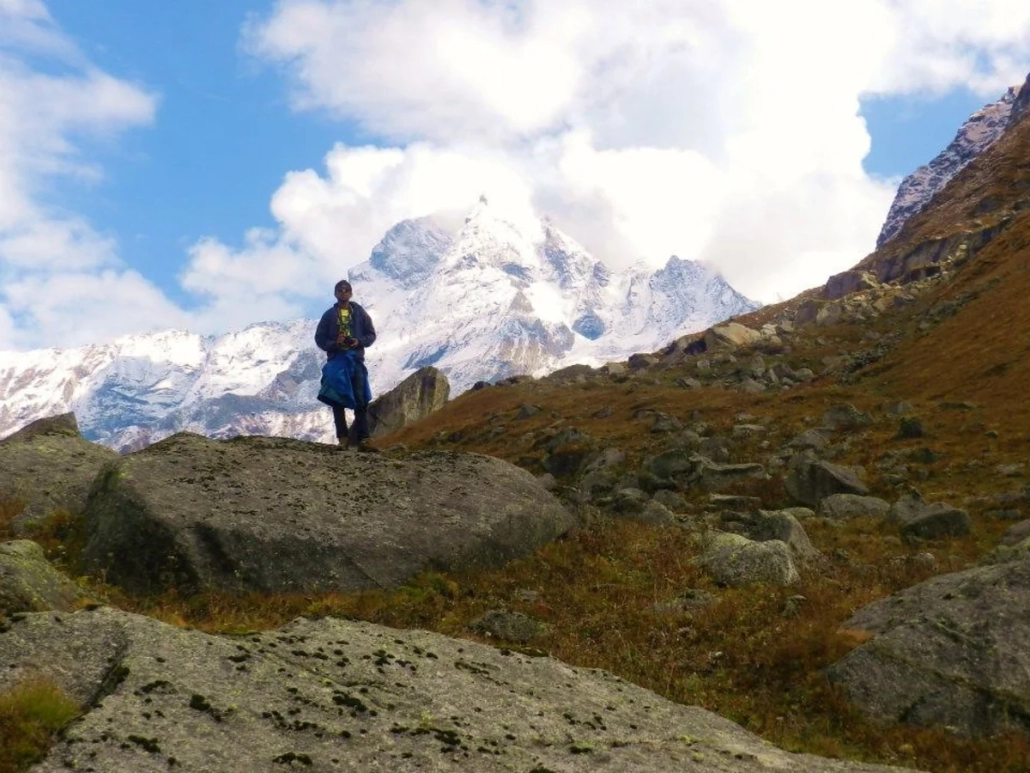
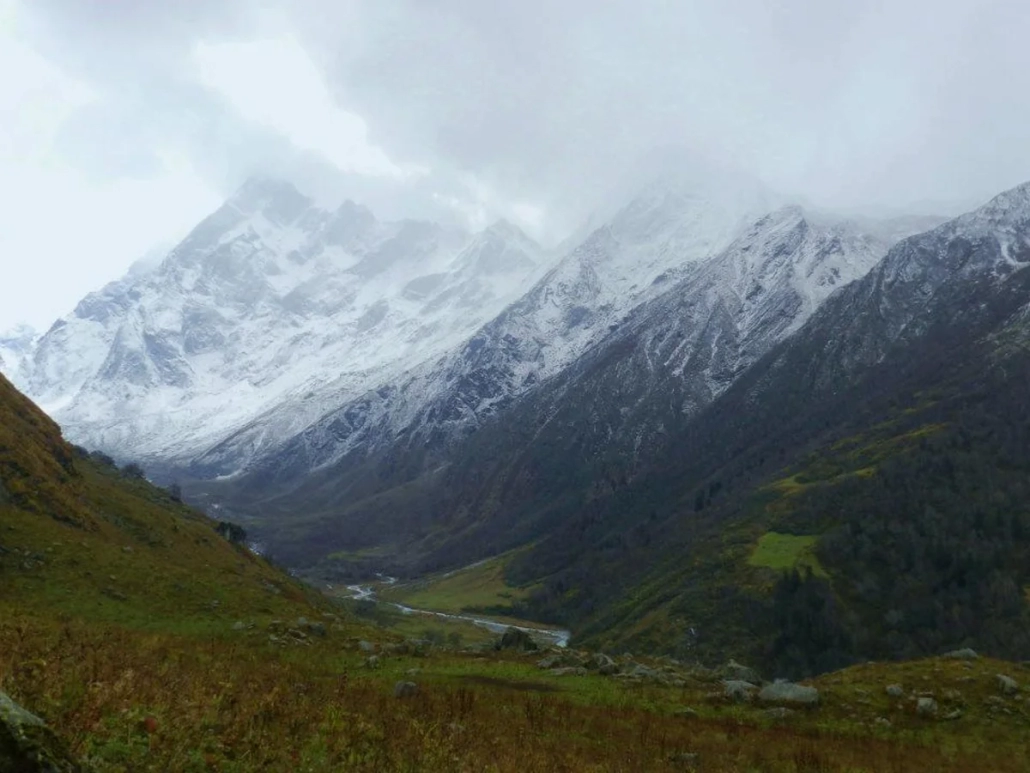
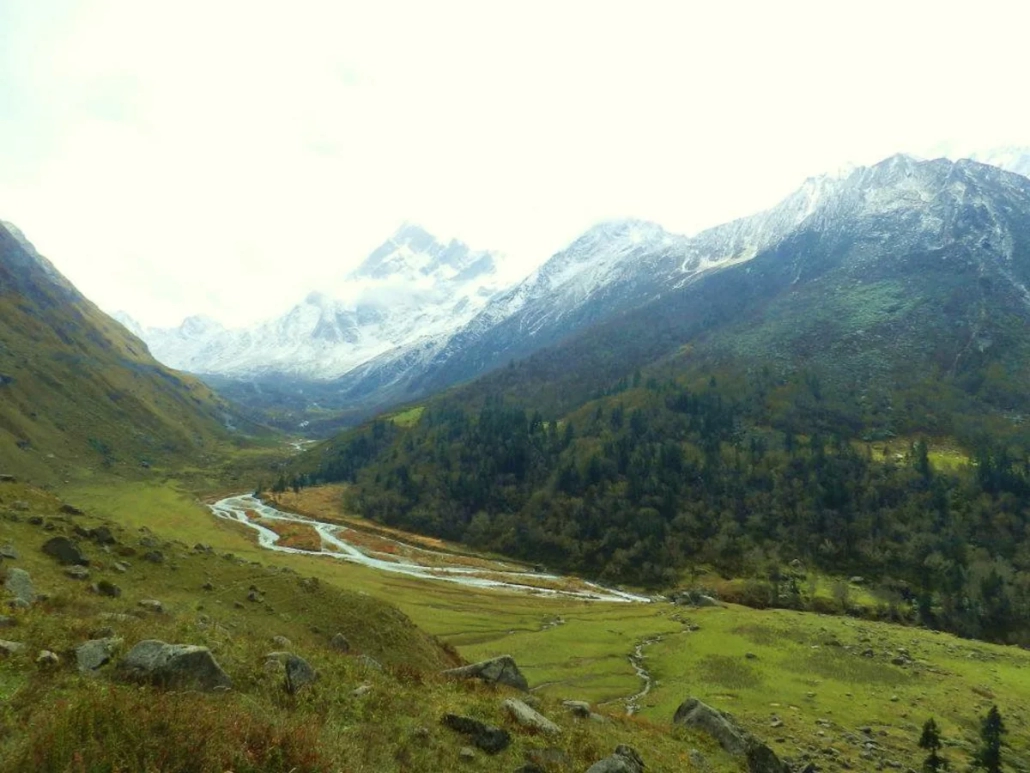
Arrive & Depart: Dehradun, Uttarakhand, India
Similar Treks

KASHMIR GREAT LAKES TREK
Level: Moderate | Duration: 8 Days | Best Time: Jul–Sep | Price: From $620
TARSAR MARSAR TREK
Level: Moderate | Duration: 7 Days | Best Time: Jul–Sep | Price: From $580
WARWAN VALLEY TREK
Level: Challenging | Duration: 11 Days | Best Time: Jul–Sep | Price: From $1550
HAMPTA PASS & CHANDRATAL
Level: Moderate | Duration: 6 Days | Best Time: Jul–Sep | Price: From $650
MARKHA VALLEY TREK
Level: Moderate | Duration: 9 Days | Best Time: Jun–Sep | Price: From $895