
Manaslu Circuit Trek
Manaslu Circuit Trek — Overview
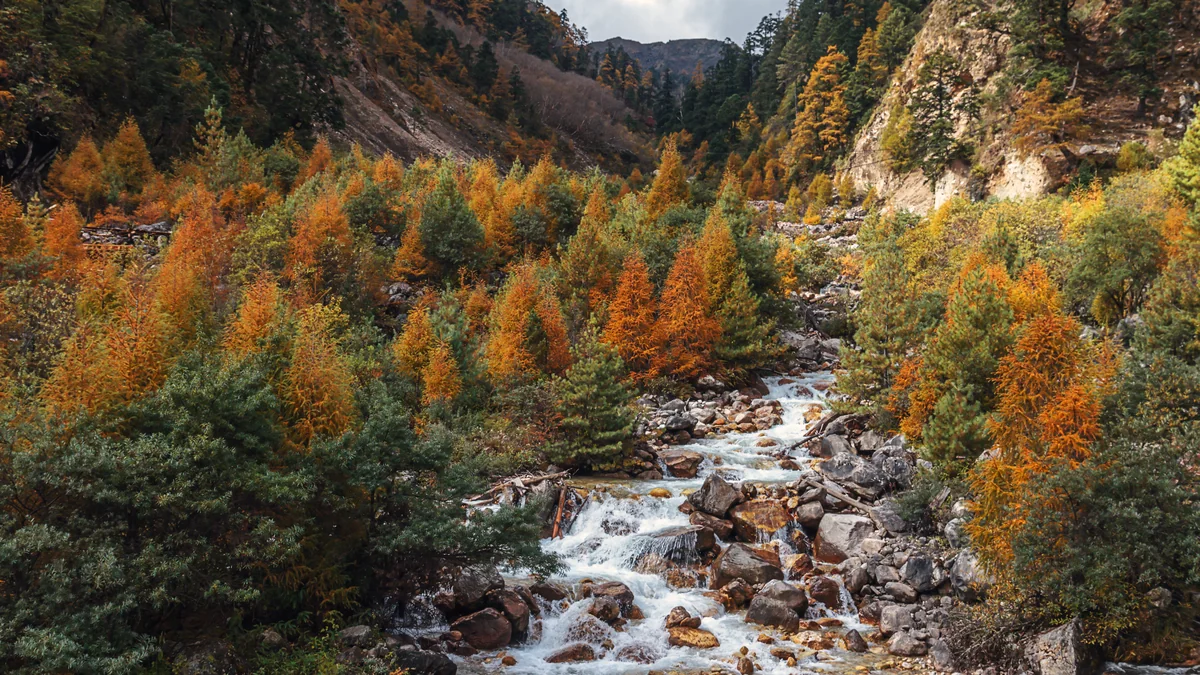
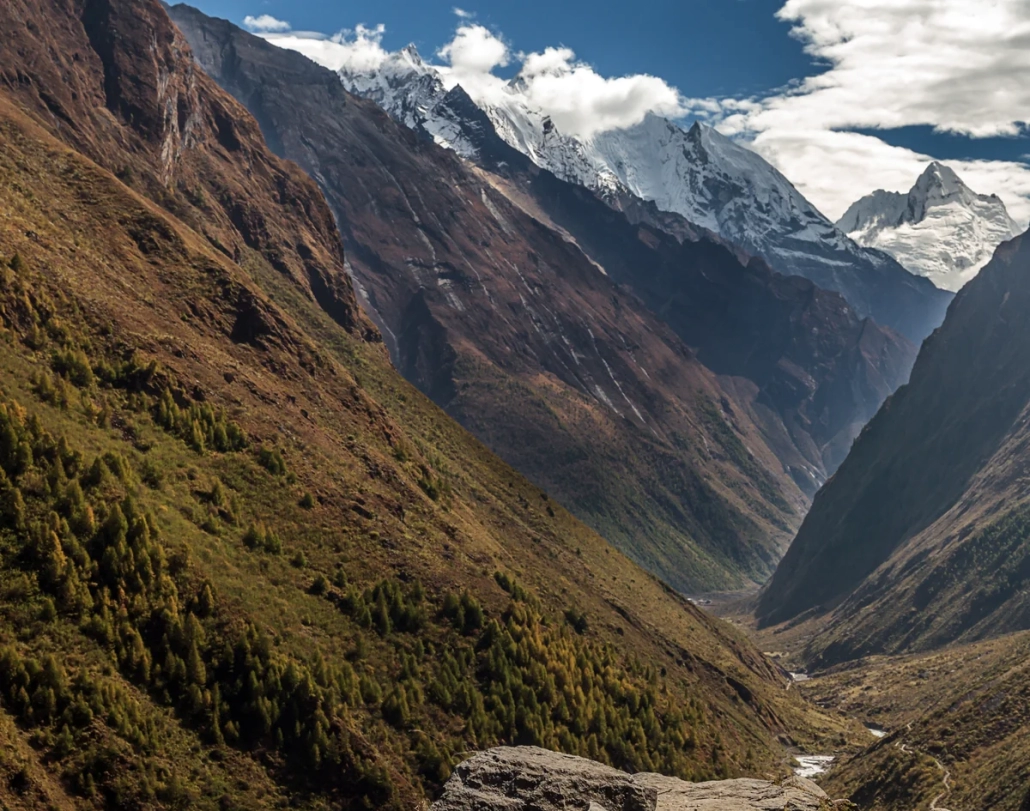
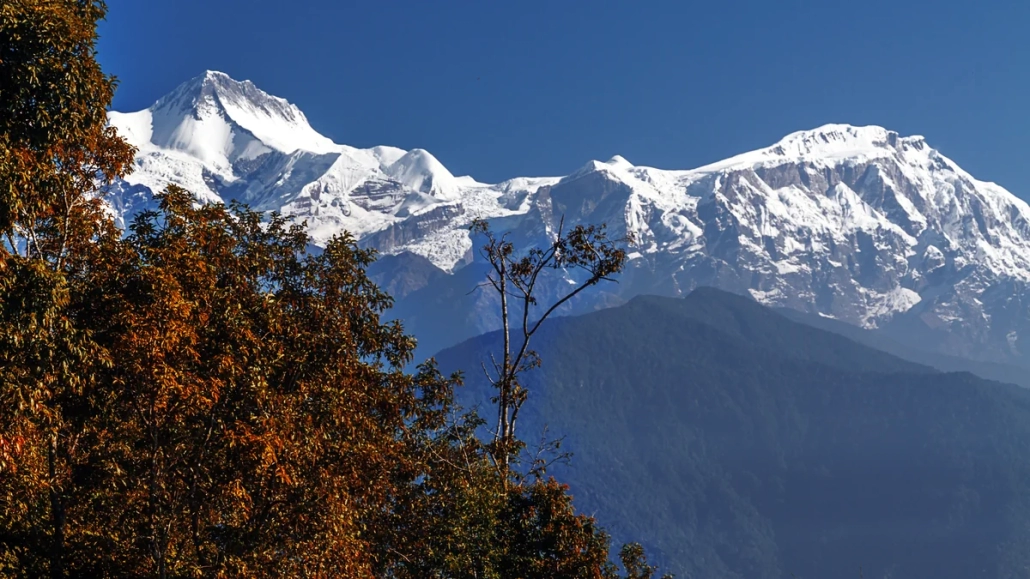
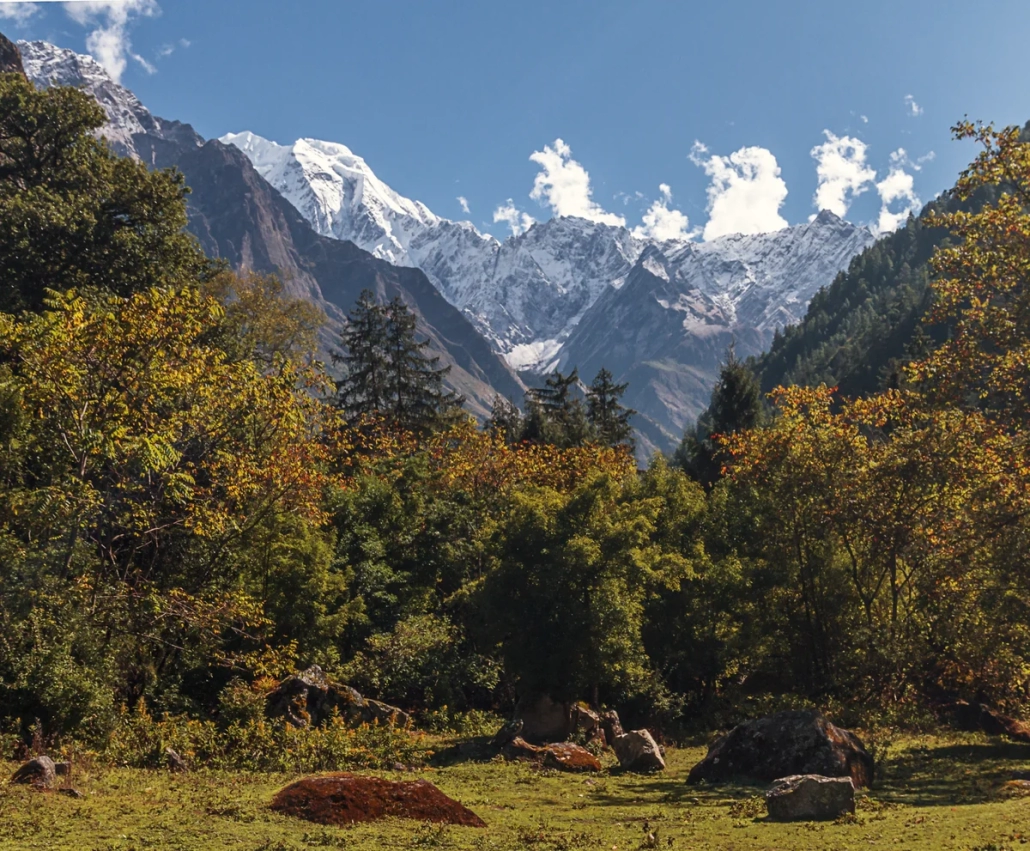
One complete circuit. One restricted-area permit. Sixteen days walking around the world’s eighth-highest mountain through a corridor so culturally intact that the villages, monasteries, and mani walls along the Budhi Gandaki look much as they did a generation ago. The Manaslu Circuit Trek is not just one of Nepal’s great long-distance routes — it is one of the most rewarding restricted-area journeys in the entire Himalaya, a full loop from the subtropical lowlands north of Arughat through a Tibetan-influenced landscape of ancient gompas, stone-paved trading villages, and the dramatic crossing of Larkya La Pass at 5,160m.
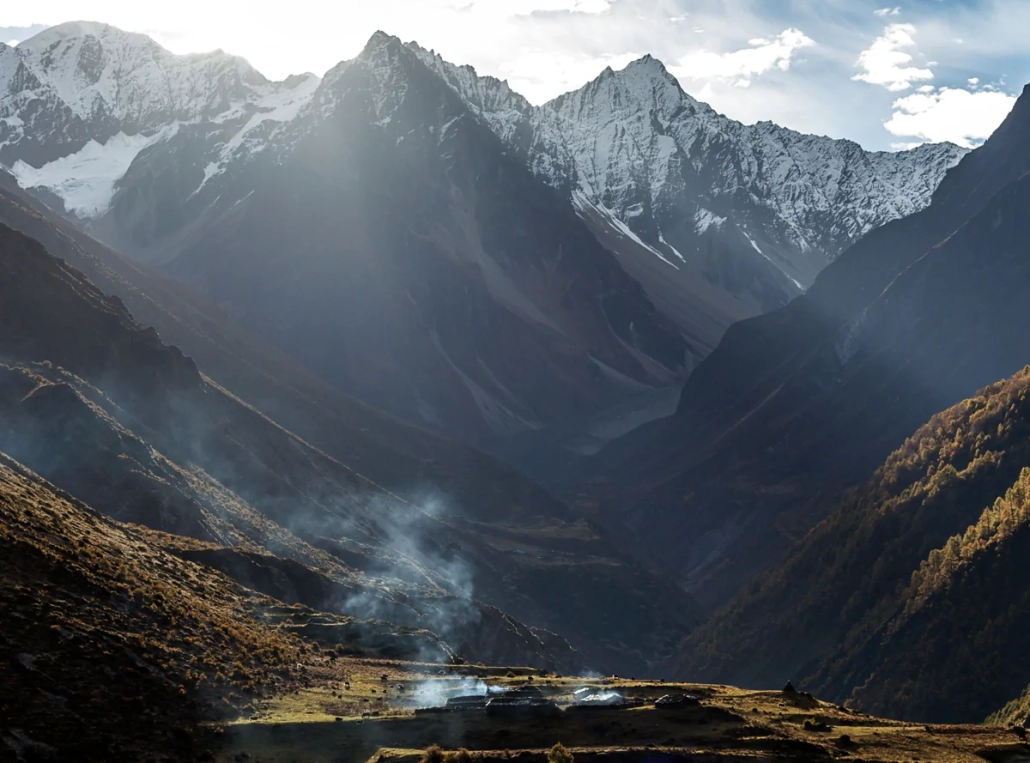
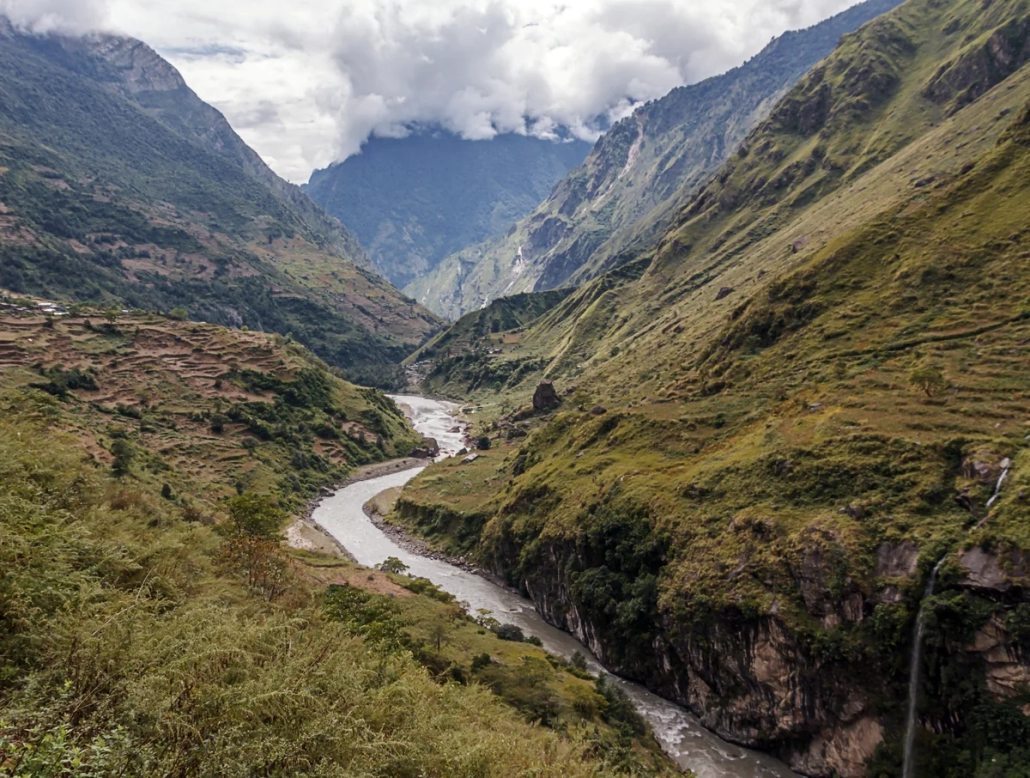
The route follows the Budhi Gandaki River northward from the trailhead at Soti Khola (700m) through the permit checkpoint at Jagat, the Nupri cultural gateway at Namrung, the monastery village of Lho, and the circuit’s cultural centrepiece at Samagaon (3,530m) — a settlement of flat-roofed stone houses directly beneath the south face of Mount Manaslu (8,163m). From Samagaon, the route climbs through Samdo and the high camp at Dharamsala (4,460m) to the pass crossing, then descends rapidly through Bimthang and Tilije to the Annapurna Circuit junction at Dharapani, completing the loop.
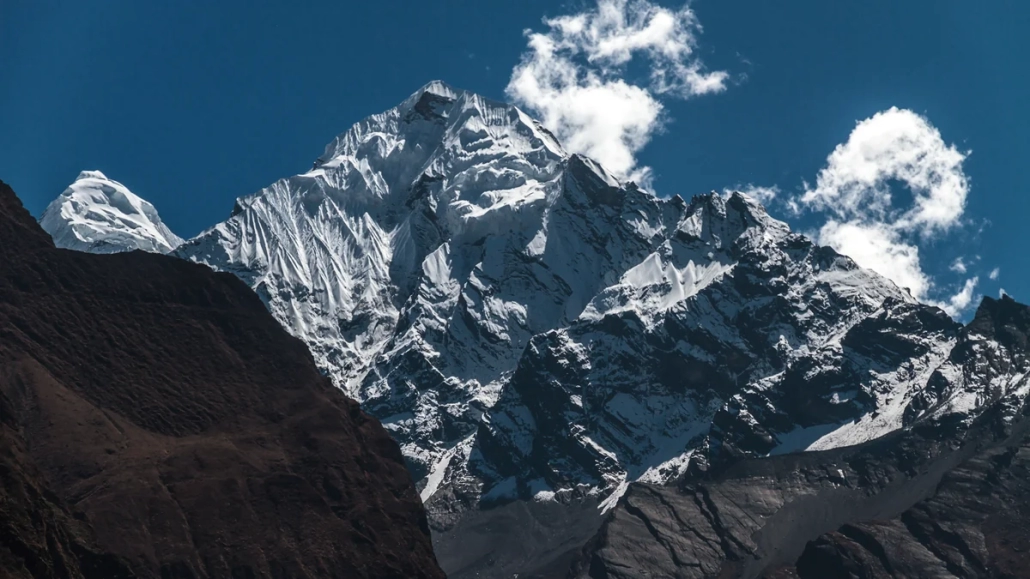
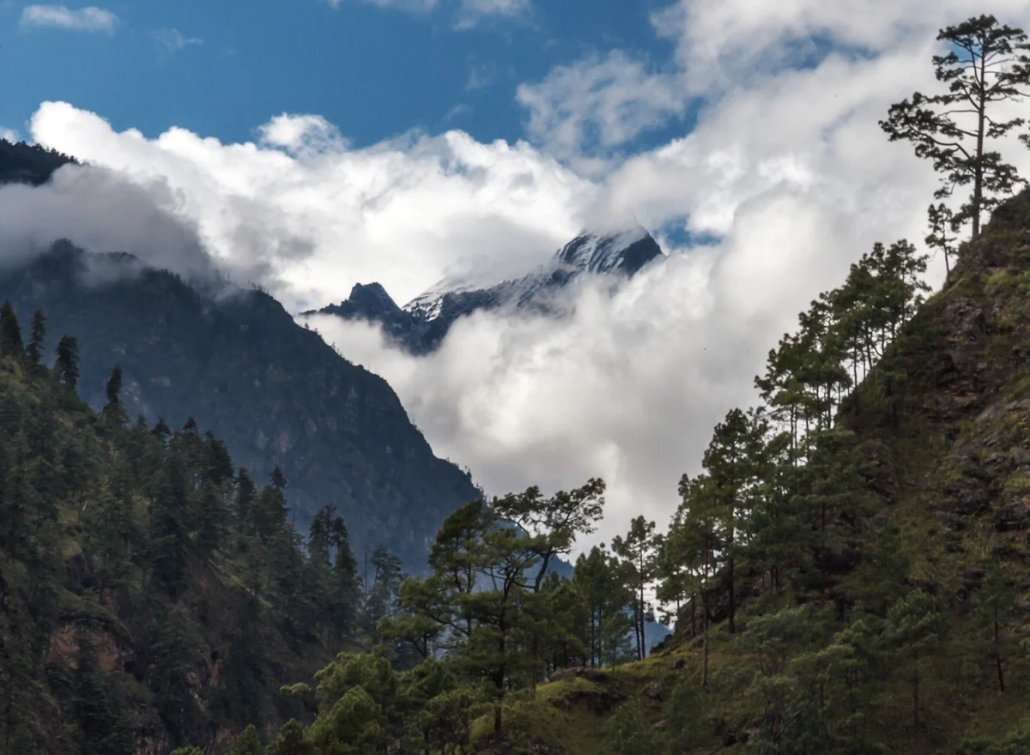
What makes the Manaslu Circuit genuinely special is its controlled character: because all trekkers require a special Restricted Area Permit and a licensed guide, the route remains far less travelled than the Annapurna or Everest circuits. The villages are unspoilt, the teahouses are genuine, and the Tibetan Buddhist culture of the upper valley — mani walls, prayer flags, working gompas, yak herders — is encountered in a form that has changed very little. The pass itself, crossing at 5,160m with a 360° panorama of Manaslu, Himlung Himal, Cheo Himal, and Annapurna II, is one of the finest single experiences on any Nepal trekking circuit. Summit Routes runs this trek as a fully guided 16-day programme from Kathmandu, with all restricted area permits, guide, porter, and domestic logistics included.
Important Notes
- Best Season: March to May and September to November — the Manaslu Circuit is at its finest in the spring and autumn windows, with stable skies and passable conditions on Larkya La. The pass can be snow-covered and dangerous outside these windows: the route should not be attempted in winter (December–February) or peak monsoon (June–August) without expert guidance and current conditions assessment. October is the most popular month; book early for autumn departures.
- Difficulty Level: Challenging — the circuit covers roughly 177 km over 13 days of walking, with sustained daily distances of 8–24 km and the Larkya La crossing (Day 12) requiring 9–10 hours of effort starting pre-dawn. Prior multi-day high-altitude trekking experience is required. This is not a suitable first trek. Read our guide to altitude sickness in the Himalaya before departure.
- Highest Point: Larkya La Pass at 5,160m on Day 12 — the defining physical and logistical challenge of the circuit. The pass must be crossed before afternoon winds develop; a 4:00–4:30am start is standard. No camp on the route exceeds 4,460m (Dharamsala).
- Permits: The Manaslu Conservation Area is a restricted zone requiring three separate permits: the Manaslu Conservation Area Permit (MCAP), the Manaslu Restricted Area Permit (RAP), and the Annapurna Conservation Area Permit (ACAP) — the last required on exit via Dharapani. A TIMS card is also required. All permits are arranged in full by Summit Routes before departure. Solo trekking is not permitted in this area — a licensed guide is a legal requirement. See our permits guide for full details.
- Accommodation: Thirteen nights in teahouses and guesthouses on the circuit, plus two nights in a hotel in Kathmandu. Teahouse quality varies significantly: facilities are good from Soti Khola to Namrung, basic but comfortable from Lho to Samdo, and communal-only at Dharamsala (Larkya Phedi) — the one unavoidable dormitory night on the entire circuit. A sleeping bag is required from Samdo onward.
- Porter Support: Porter support (one porter per two trekkers, maximum 20 kg per porter) is included. You carry only a personal daypack on trail each day — the porter carries your main bag between teahouses.
- Fitness Standard: Must be comfortable walking 8–24 km daily on mountain terrain with significant elevation gain, including a full 9–10 hour pass-crossing day starting before dawn. The descent from Larkya La to Bimthang is steep and on mixed terrain. Excellent cardiovascular fitness and prior high-altitude trekking experience are both essential.
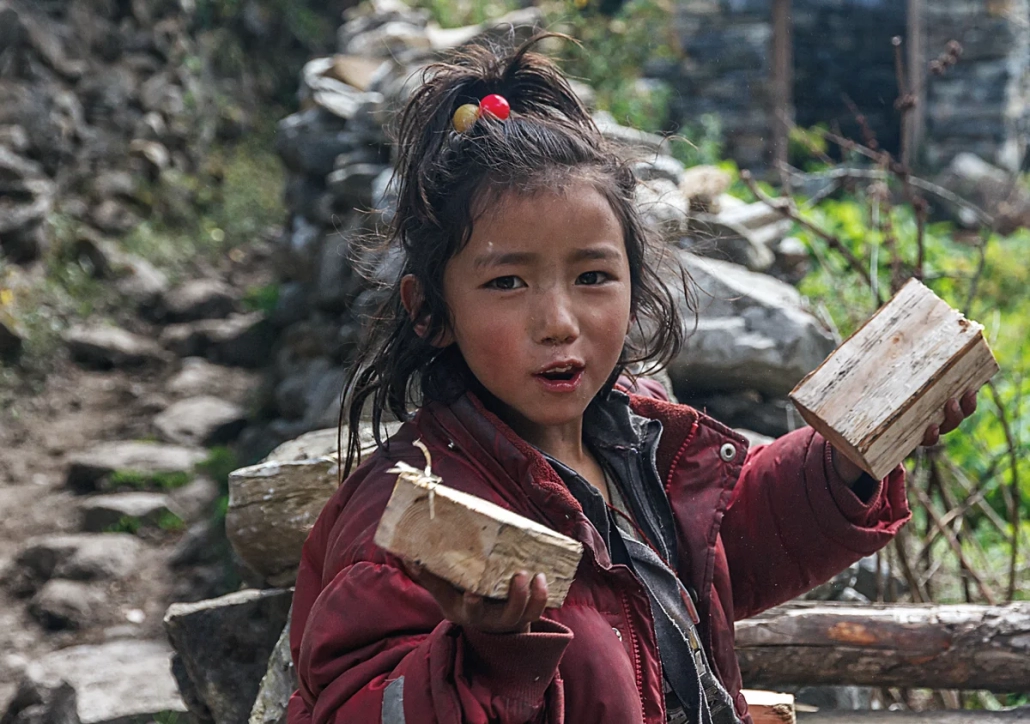
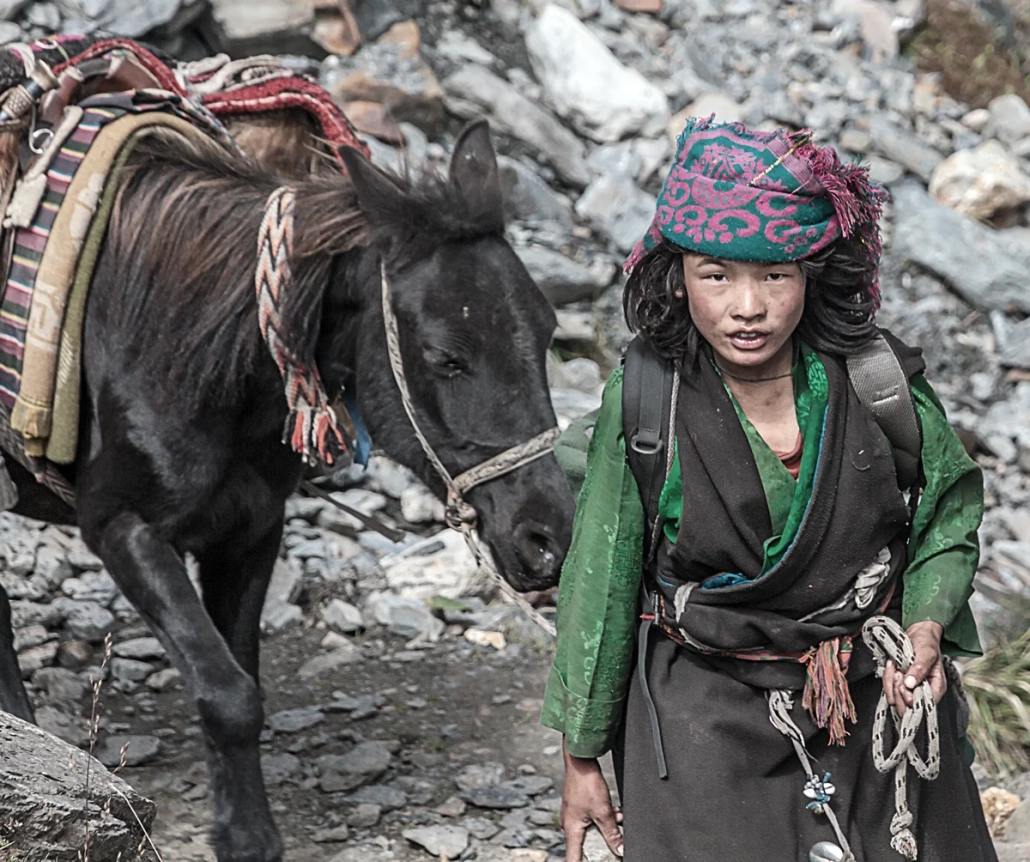
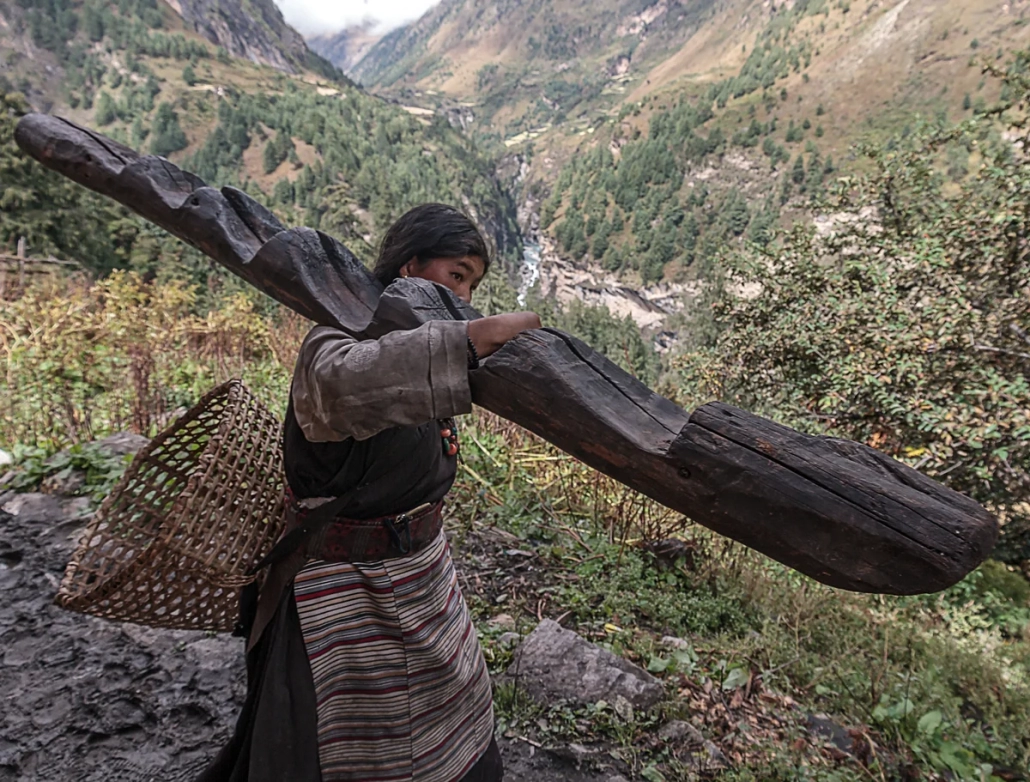
- Cultural Note: The upper Manaslu circuit passes through the Nupri region — a Tibetan Buddhist community with ancient ties to the high-altitude trading routes across the Nepal-Tibet border. Mani walls, chortens, and working monasteries line the trail from Namrung northward. The architecture, language, and dress of Samagaon and Samdo are unmistakably Tibetan. Please circumambulate mani walls and stupas clockwise, ask before photographing people, and treat the herding animals and pastures along the route with respect.
Brief Itinerary
| Day 1 | Arrive Kathmandu (1,400m) — Hotel |
| Day 2 | Drive Kathmandu to Soti Khola (700m) | ~160 km | 8–9 hours |
| Day 3 | Trek Soti Khola to Machha Khola (850m) | ~14 km |
| Day 4 | Trek Machha Khola to Jagat (1,340m) | ~22 km |
| Day 5 | Trek Jagat to Deng (1,860m) | ~19 km |
| Day 6 | Trek Deng to Namrung (2,630m) | ~16 km |
| Day 7 | Trek Namrung to Lho (3,180m) | ~10 km |
| Day 8 | Trek Lho to Samagaon (3,530m) | ~8 km |
| Day 9 | Acclimatisation Day at Samagaon — Pungyen Gompa (4,000m) or Manaslu Base Camp Viewpoint |
| Day 10 | Trek Samagaon to Samdo (3,875m) | ~8–10 km |
| Day 11 | Trek Samdo to Dharamsala / Larkya Phedi (4,460m) | ~11–12 km |
| Day 12 | Cross Larkya La (5,160m) — Trek to Bimthang (3,590m) | ~24 km |
| Day 13 | Trek Bimthang to Tilije (2,300m) | ~16 km |
| Day 14 | Trek Tilije to Dharapani (1,860m) — Drive to Besisahar | ~10 km |
| Day 15 | Drive Besisahar to Kathmandu — Buffer / Free Day |
| Day 16 | Departure from Kathmandu |
Altitude Profile
Arrive & Depart: Kathmandu (KTM), Nepal
Similar Treks

POON HILL TREK
Level: Easy | Duration: 8 Days | Best Time: Mar–May & Sep–Nov | Price: From $480
ANNAPURNA BASE CAMP
Level: Moderate | Duration: 12 Days | Best Time: Mar–May & Sep–Nov | Price: From $1,095
LANGTANG VALLEY TREK
Level: Moderate | Duration: 10 Days | Best Time: Mar–May & Sep–Nov | Price: From $995
GOKYO LAKES & RI TREK
Level: Moderate | Duration: 14 Days | Best Time: Mar–May & Sep–Nov | Price: From $1,295