Jomolhari Circuit Trek (Paro to Paro, 12 Days)
Jomolhari Circuit Trek — Overview
The Jomolhari Circuit Trek (also known as the Jomolhari Lingshi Trek) is Bhutan’s most celebrated high-altitude adventure — a journey that moves through remote valleys sealed off from the outside world, past fortress-monasteries perched on cliffs above glacier-fed rivers, and over two of the highest trekking passes in the kingdom. Beginning and ending in Paro (2,250m), this 12-day circuit traces the wildest reaches of western Bhutan before descending to Thimphu, the world’s only capital city with no traffic lights.
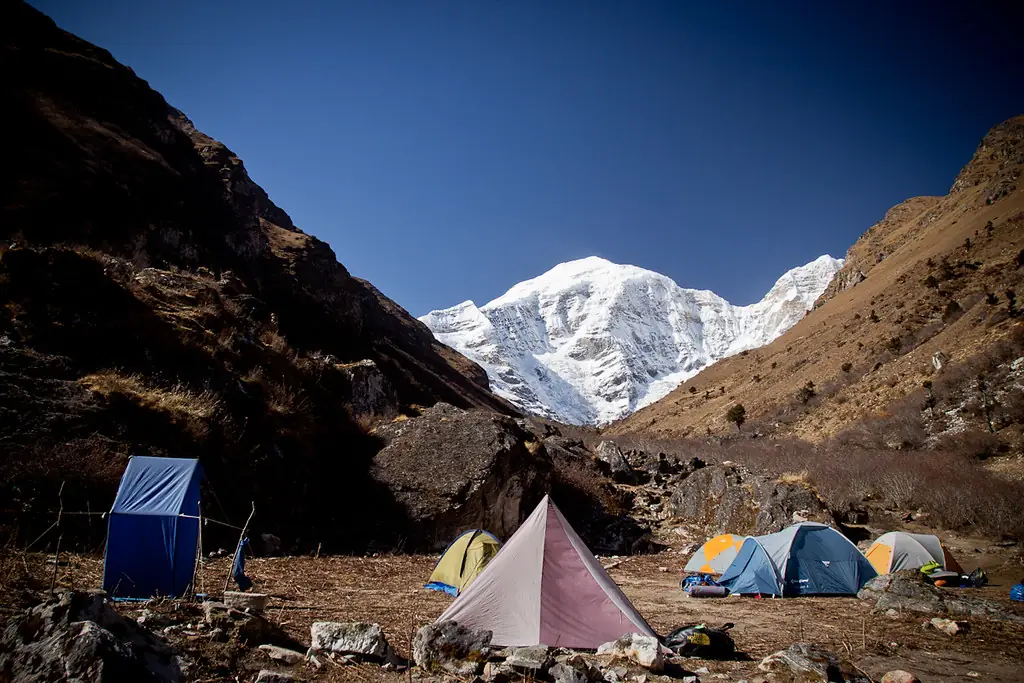
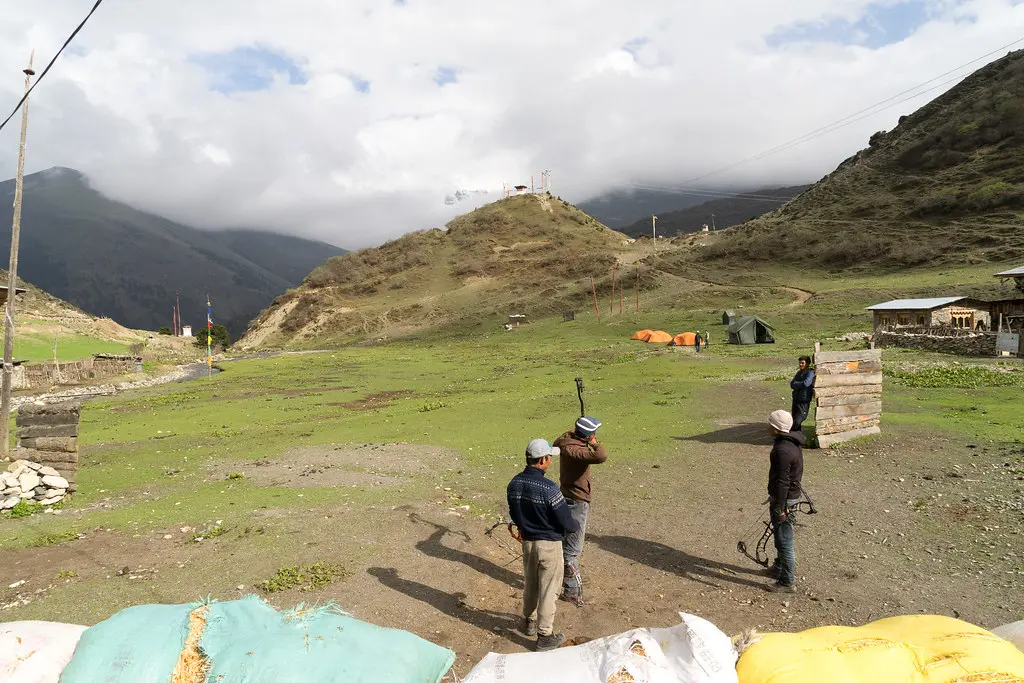
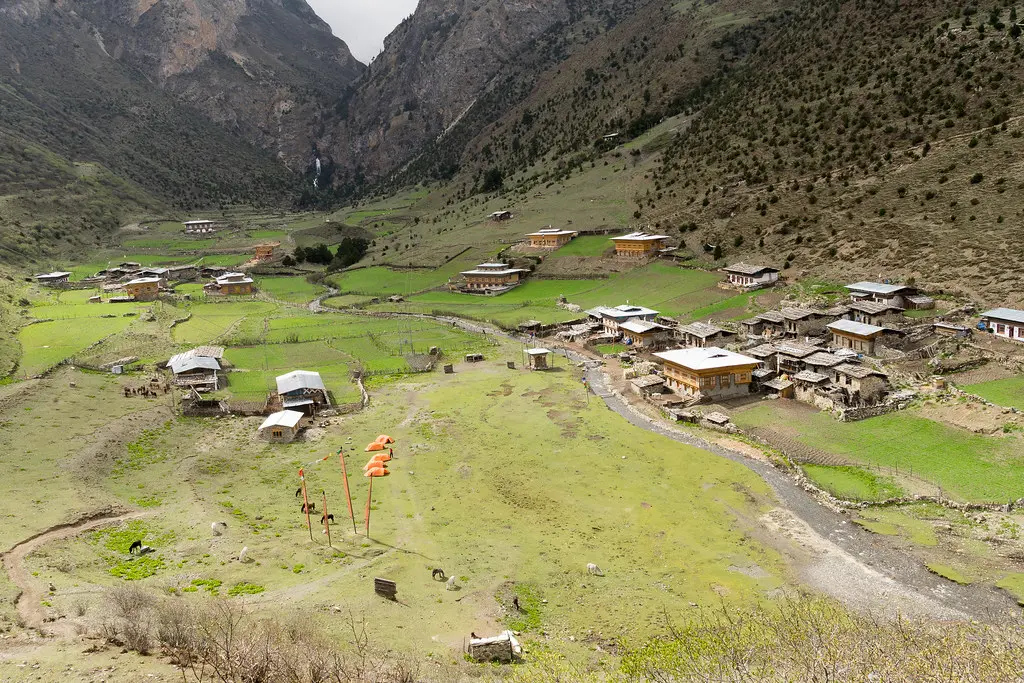
The defining centrepiece of the route is Jangothang Base Camp (4,080m), the staging ground beneath the north face of Mount Jomolhari (7,326m) — the sacred guardian deity of the Paro Valley and one of the most striking mountain walls in the entire Himalaya. The approach from Paro leads through dense forests of oak, birch, and blue pine, past Bakarwal yak-herder settlements and the crumbling towers of Drukgyel Dzong, before the full scale of Jomolhari and neighbouring Jichu Drake reveal themselves above the treeline. The camp at Jangothang is, by near-universal agreement among those who have visited it, one of the most beautiful in all of the Himalayan range.
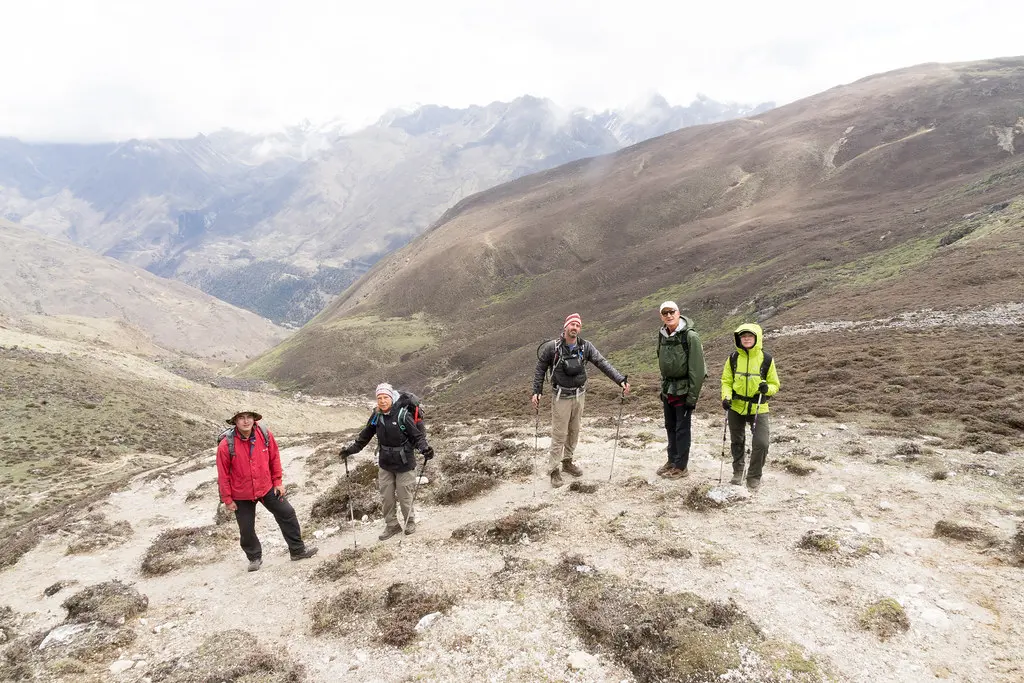
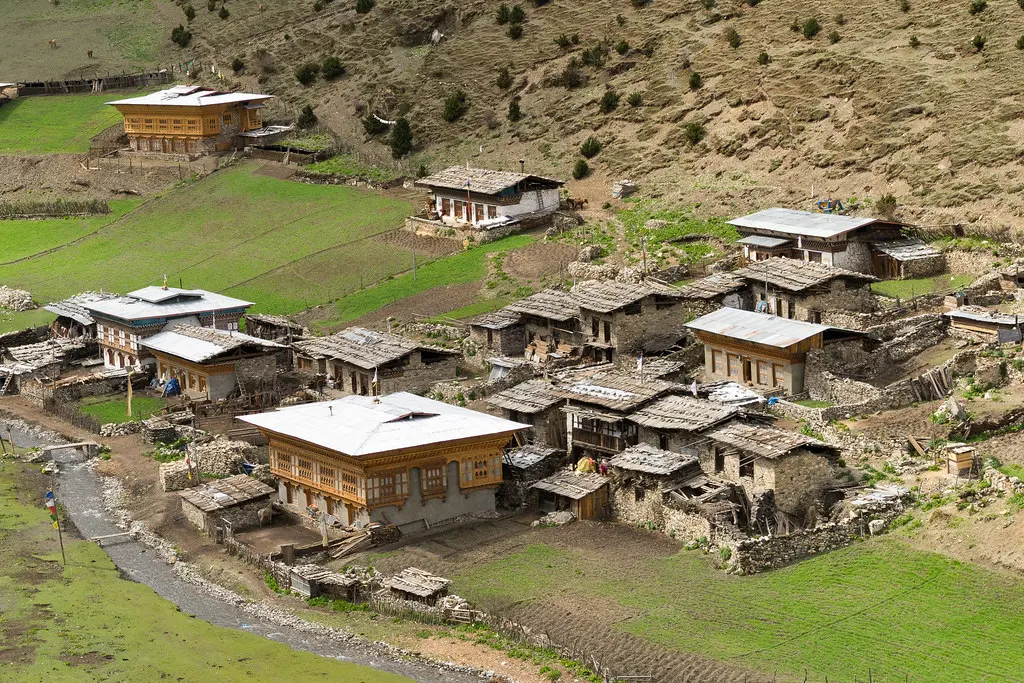
From Jangothang, the circuit pushes deeper into Bhutan’s highland interior — terrain so remote that the Lingshi valley sees only a handful of trekking groups each season. The route crosses Nyile La (4,890m) and then Yeli La (4,930m), the highest point on the trek, before descending through rhododendron forests along the upper Thimphu Chu to road access at Dolam Kencho. Along the way, the ancient Lingshi Dzong — a 17th-century fortress overlooking a broad yak pasture — provides one of the most dramatically situated overnight stops in Bhutan.
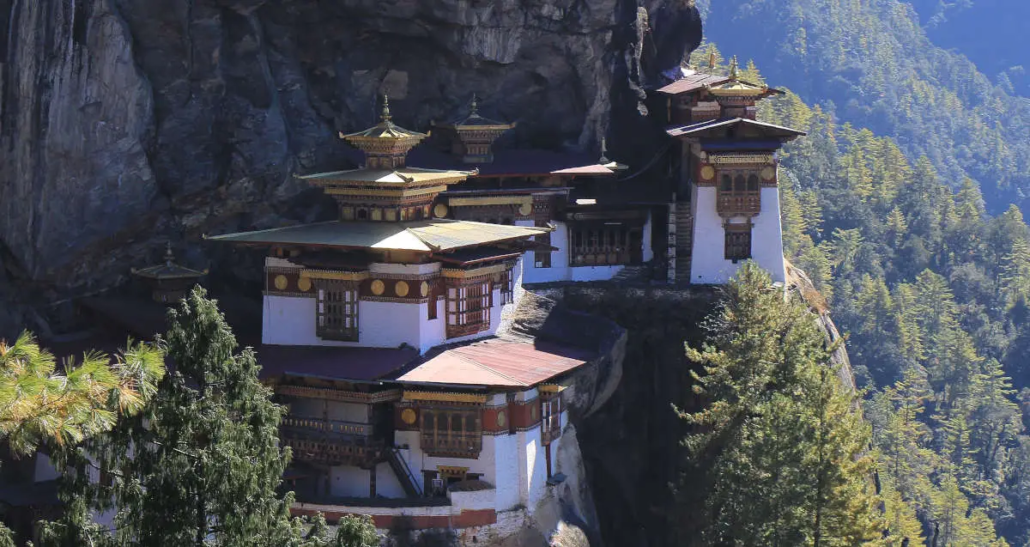
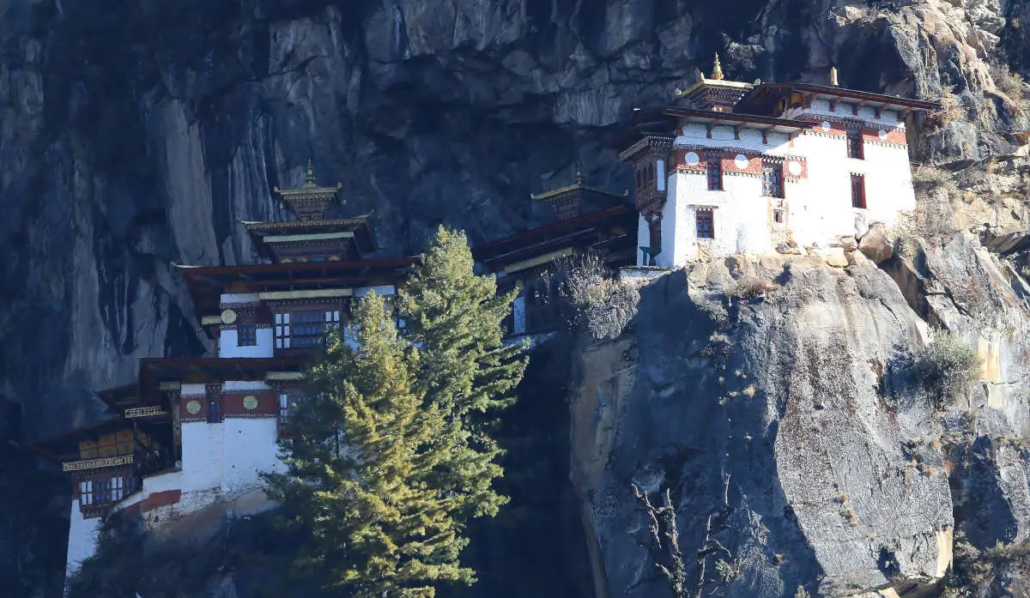
The trek begins with a morning at Tiger’s Nest Monastery (Taktsang, 3,120m) — Bhutan’s most iconic site, built into a sheer cliff face above the Paro Valley — giving trekkers an early taste of altitude and Bhutanese cultural depth before the wilderness begins. It ends in Thimphu with a day of sightseeing before the return to Paro for departure.
This is a challenging, multi-day high-altitude trek through genuinely remote terrain. It is not technically difficult — no ropes, crampons, or glacier travel are required — but the sustained elevation gain, high passes, long daily distances, and 7 nights of camping in all weathers demand good fitness and mental commitment. Trekkers who are well-prepared will find it among the most rewarding journeys in Asia.
Important Notes
- Best Seasons: March–May and September–November, when the passes are clear of heavy snow and the skies are at their most settled. The spring season brings rhododendron in bloom along the lower valleys; autumn offers the sharpest mountain visibility.
- Trek Grade: Challenging — sustained multi-day effort at altitude with two high passes above 4,800m. Previous multi-day trekking experience is strongly recommended.
- Highest Point: Yeli La Pass (4,930m) on Day 8. Jomolhari Base Camp at Jangothang (4,080m) is the overnight high point.
- Bhutan Entry Requirements: All visitors to Bhutan require a visa and must pay the Sustainable Development Fee (SDF). Summit Routes handles the full visa application, SDF payment, and all trekking permits on your behalf — you arrive with everything in order. See our permits and visa guide for details.
- Fitness Standard: Must be comfortable trekking 7–8 hours per day for multiple consecutive days with a daypack and sustained elevation gain. Days 7 and 8 in particular — crossing Nyile La and Yeli La respectively — are long and demanding at altitude. Physical preparation before arrival is not optional on this route.
- Altitude Sickness: The itinerary arrives at 4,080m by Day 5 with an acclimatisation day built in before the high passes. However, the ascent profile is rapid for trekkers coming from sea level. We strongly recommend reading our complete guide to altitude sickness in the Himalaya before departure, and discussing Diamox with your doctor.
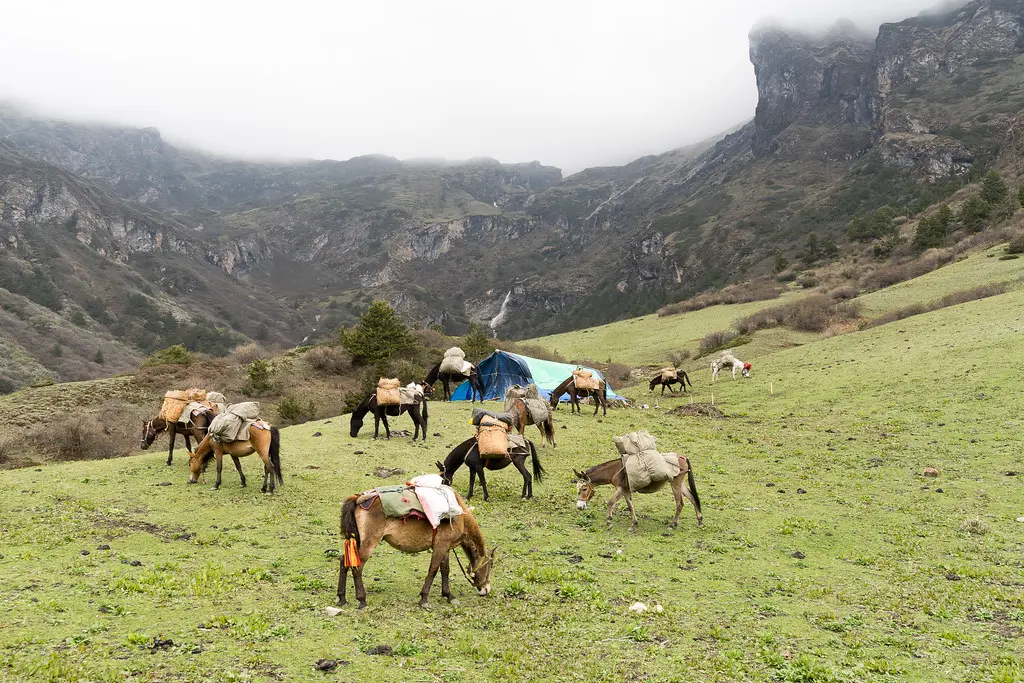
- Camping: Seven nights are spent in tented camps. Summit Routes provides all camping infrastructure — sleeping tents, dining tent, kitchen tent, and toilet tent — along with a full support team including cook and pack horses. You need only bring a sleeping bag and personal kit.
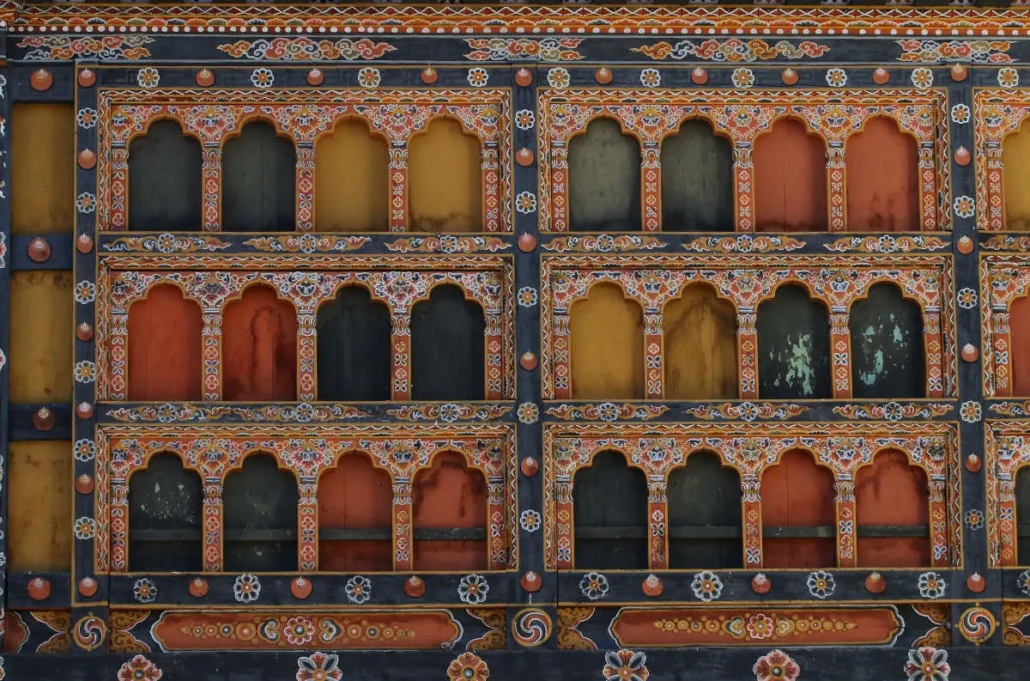
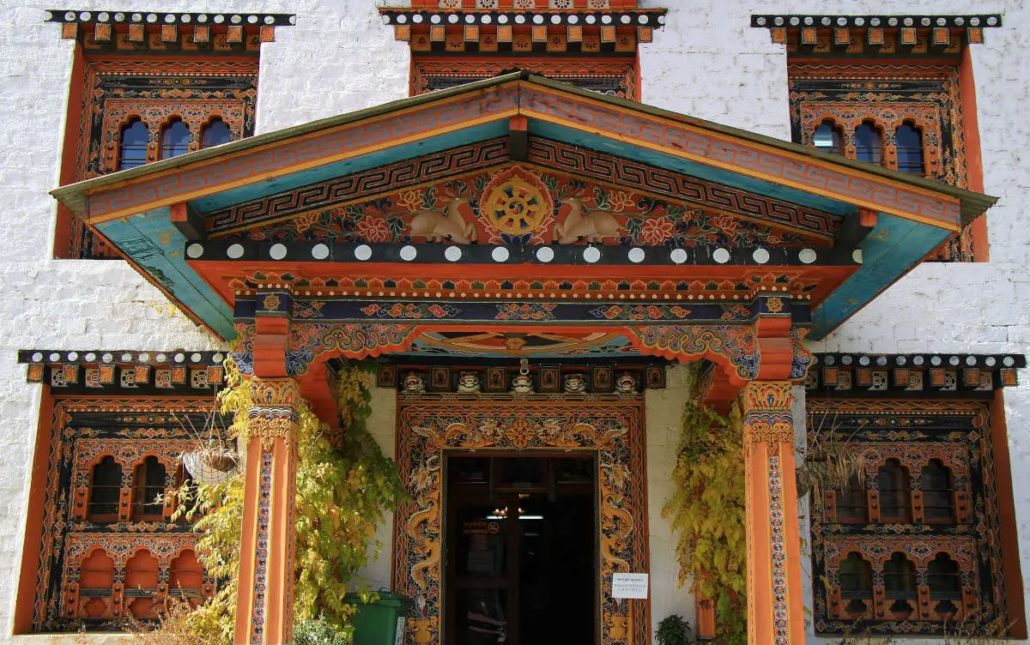
- Cultural Note: Bhutan is a deeply Buddhist kingdom and trekking here is a privilege extended to a limited number of visitors each year. Dzongs, lhakhangs, and chortens encountered on the route are active religious sites. Trekkers are expected to dress respectfully and follow guide instructions at all cultural locations. The mountain Jomolhari is a sacred deity — please approach the base camp area with appropriate reverence.
Brief Itinerary
| Day 1 | Arrive Paro (2,250m) — Expedition Briefing & Welcome Dinner |
| Day 2 | Tiger’s Nest Monastery Hike (3,120m) — Paro Valley Sightseeing |
| Day 3 | Drive to Drukgyel Dzong — Trek to Shana Camp (2,850m) |
| Day 4 | Shana to Soi Thangthangkha (3,610m) |
| Day 5 | Soi Thangthangkha to Jangothang — Jomolhari Base Camp (4,080m) |
| Day 6 | Acclimatisation Day — Jangothang (4,080m) |
| Day 7 | Jangothang to Lingshi (4,010m) via Nyile La Pass (4,890m) |
| Day 8 | Lingshi to Shodu (4,100m) via Yeli La Pass (4,930m) |
| Day 9 | Shodu to Barshong (3,710m) |
| Day 10 | Barshong to Dolam Kencho — Drive to Thimphu (2,320m) |
| Day 11 | Thimphu Sightseeing — Drive to Paro (2,250m) |
| Day 12 | Departure from Paro |
Altitude Profile
📅 2026 Departures — Jomolhari Circuit Trek
Click a departure to enquire instantly on WhatsApp
Similar Trips
Conquered Jomolhari? The Snowman Trek is Bhutan's ultimate challenge — 24 days, 11 high passes, fewer than 200 completions per year.
