
Nepal Heritage & Himalayan Culture Tour – 11 Days
Nepal Heritage & Himalayan Culture Tour — 11 Days
Nepal is one of the most culturally concentrated countries on earth — a compact Himalayan nation that holds the birthplace of the Buddha, seven UNESCO World Heritage Sites in a single valley, a living tradition of Newari art and architecture that reaches back a thousand years, and the most diverse wildlife habitat in the subcontinent, from the subtropical Terai to the permanent snowfields of the high Himalaya. The Nepal Heritage & Himalayan Culture Tour covers the full range of this in eleven days: four cultural centres (Kathmandu Valley, Chitwan, Lumbini, Pokhara) visited at a pace that allows genuine depth at each rather than a rushed tick-list.
The itinerary moves in a deliberate geographic arc — Kathmandu Valley heritage for the first four days, then south to the Terai for the Chitwan wildlife experience, west to Lumbini for the Buddhist pilgrimage site, and finally north to Pokhara for the mountain lakeside finale before the return flight to Kathmandu. This arc is the most efficient way to cover all four destinations in a single circuit without unnecessary backtracking. The 11-day duration is the minimum needed to do each destination justice; the 7-day Himalayan Adventure Escape is available for visitors with less time.
Tour Highlights
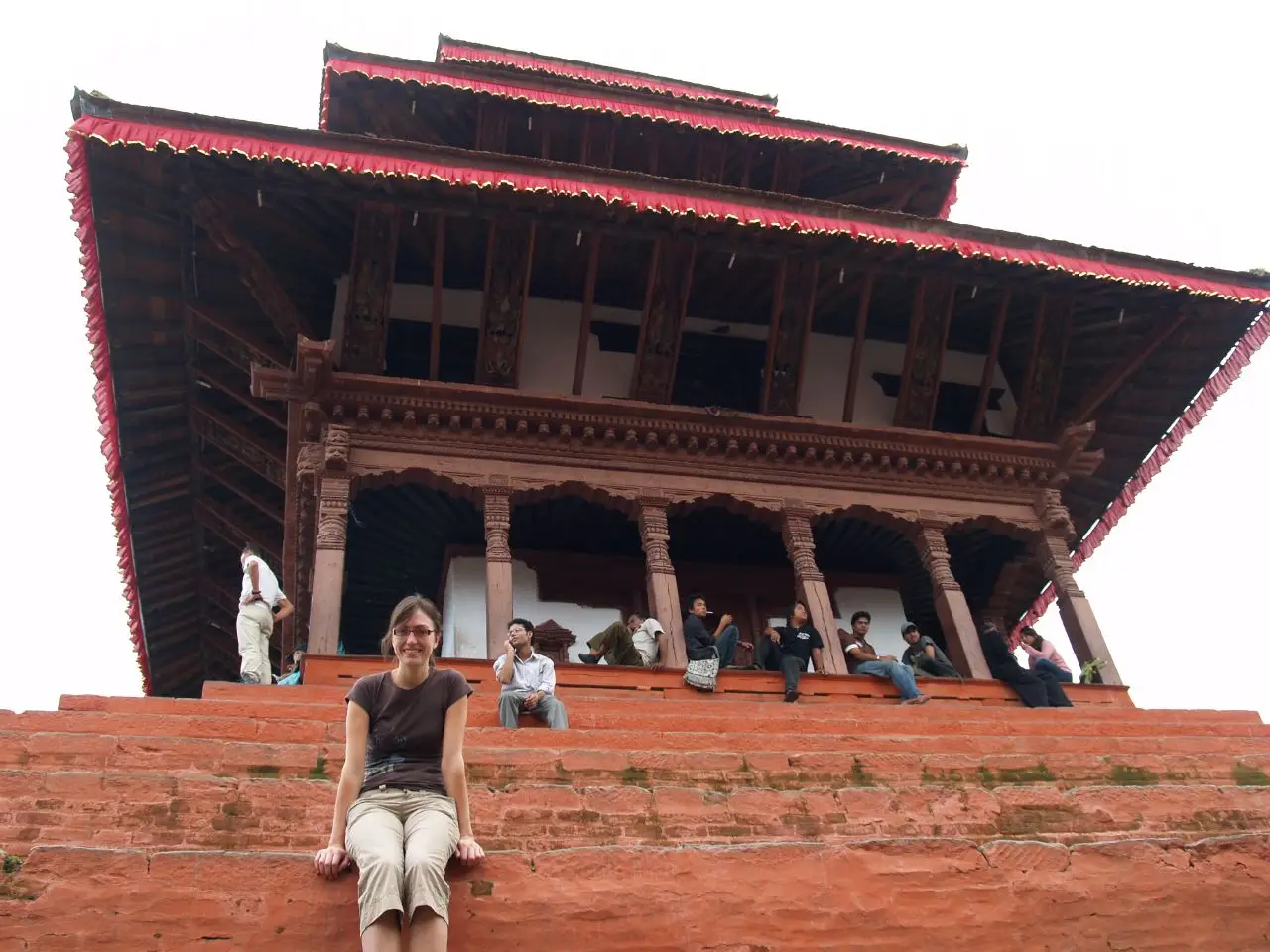
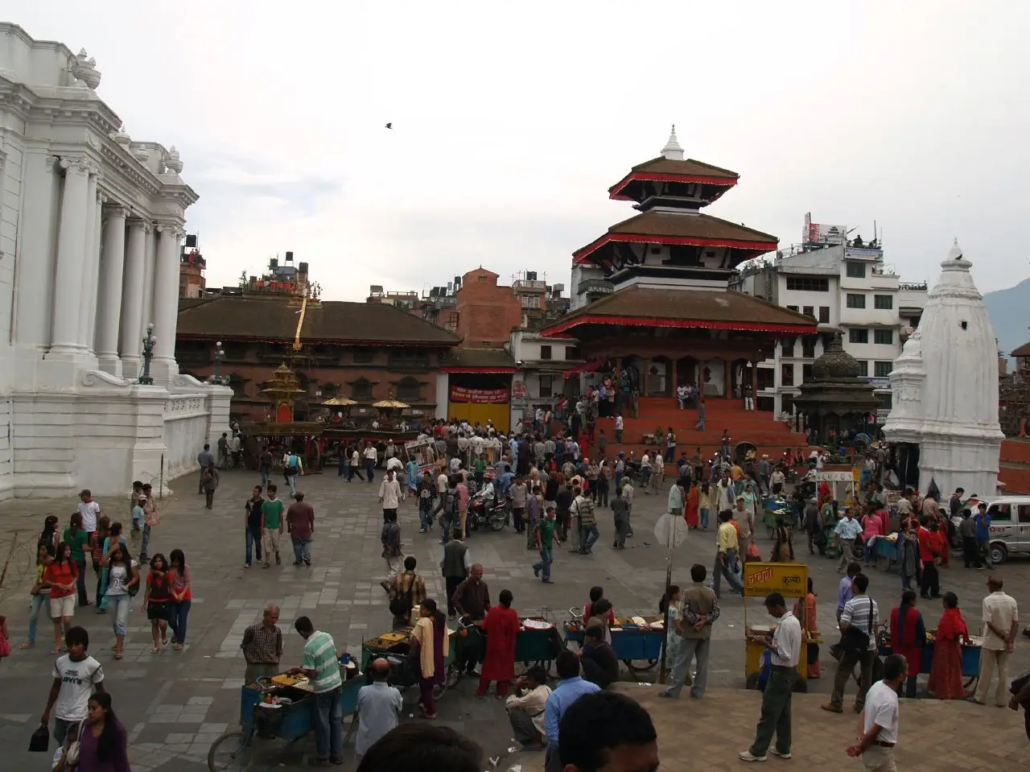
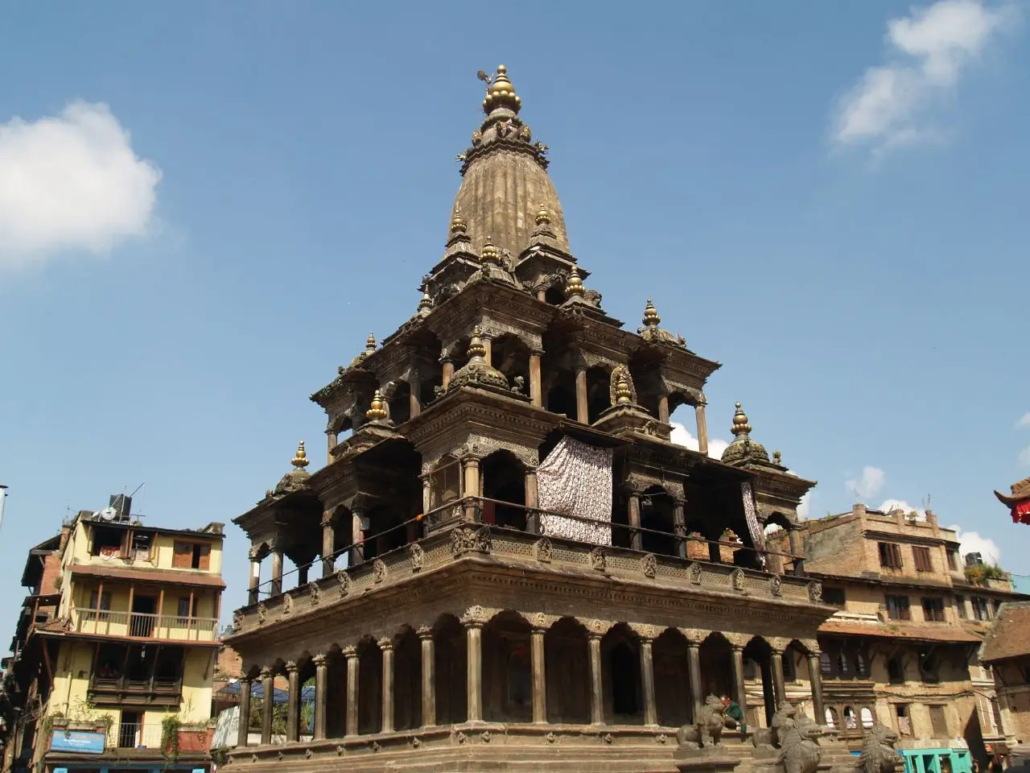
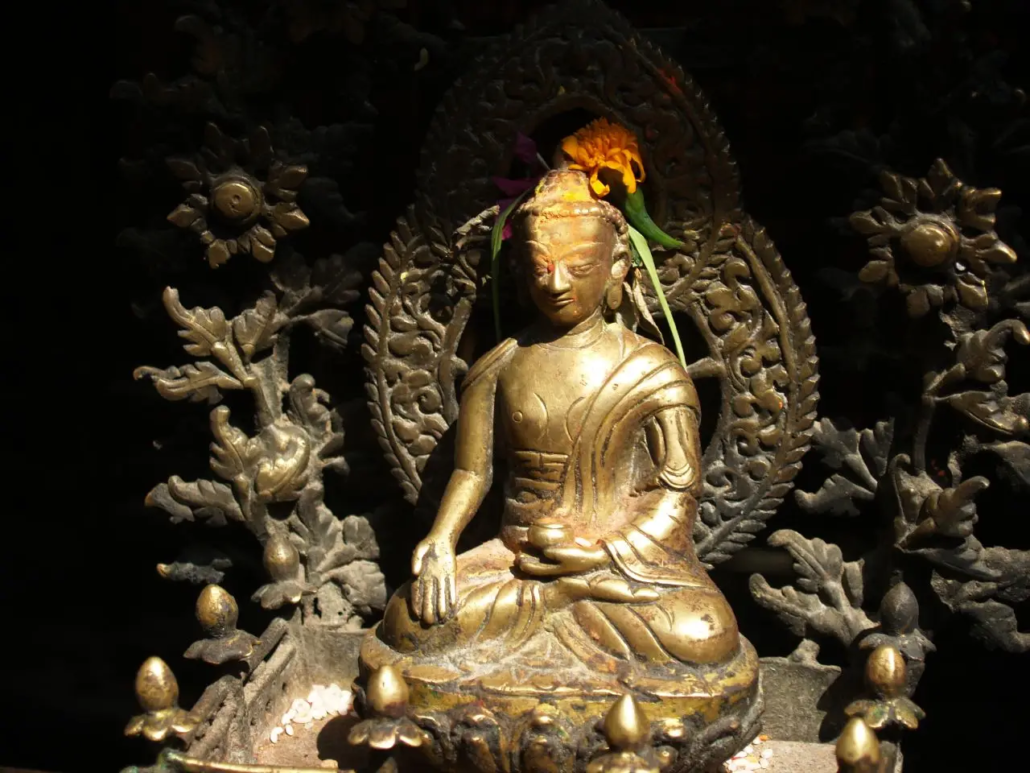
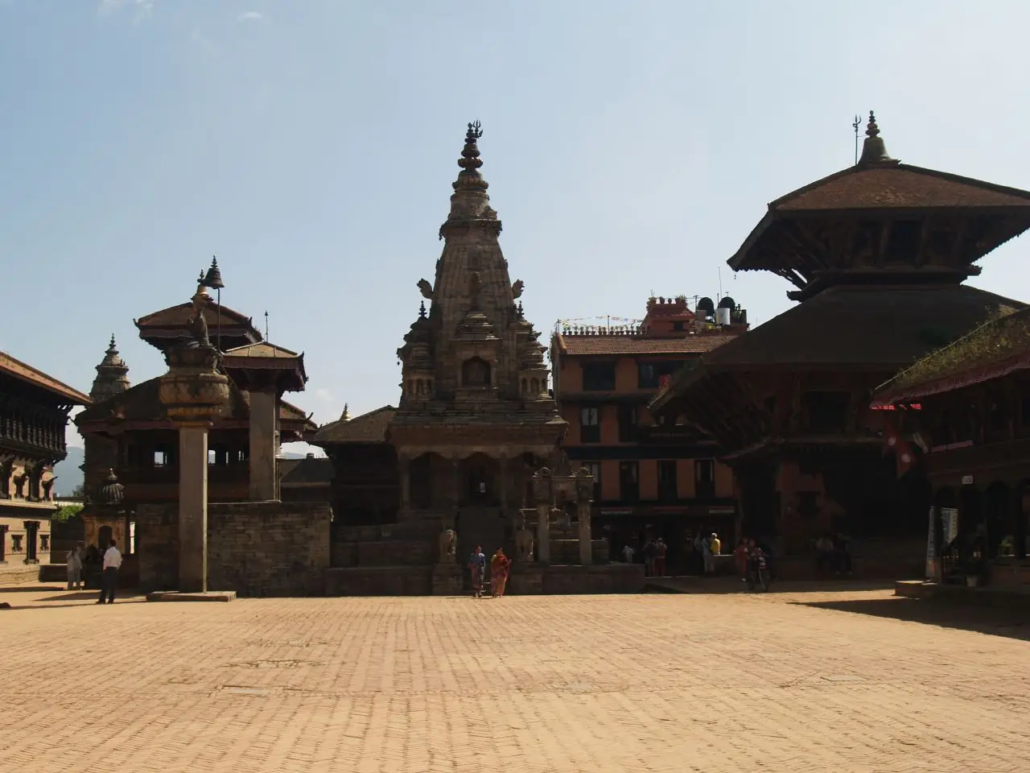
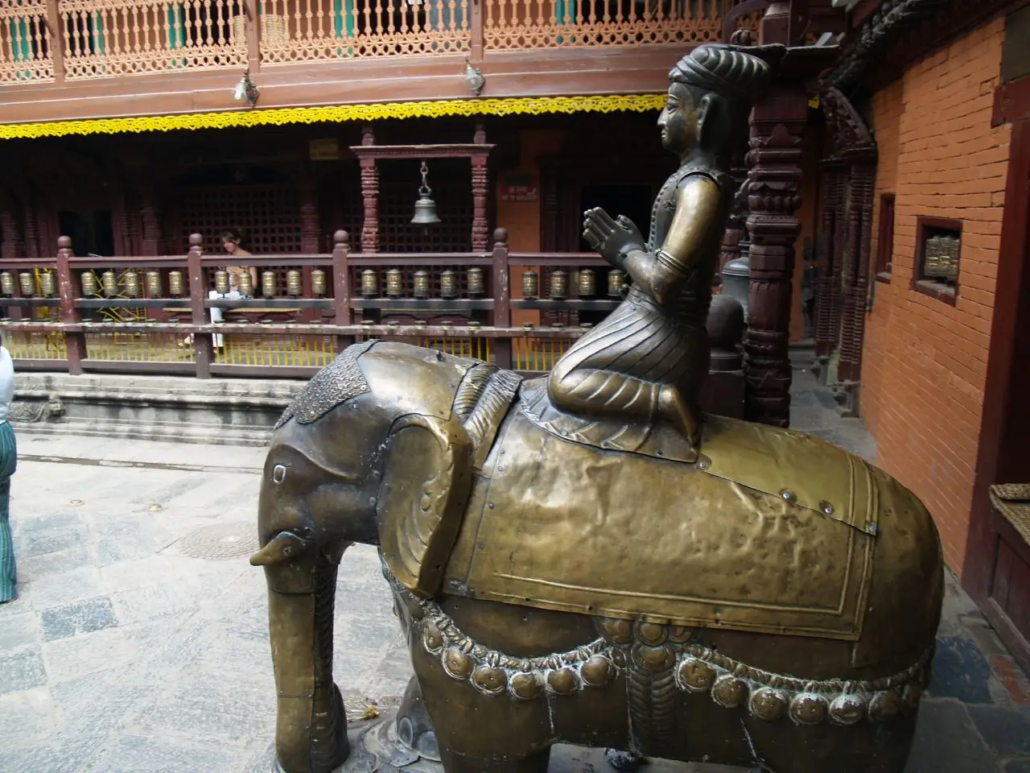
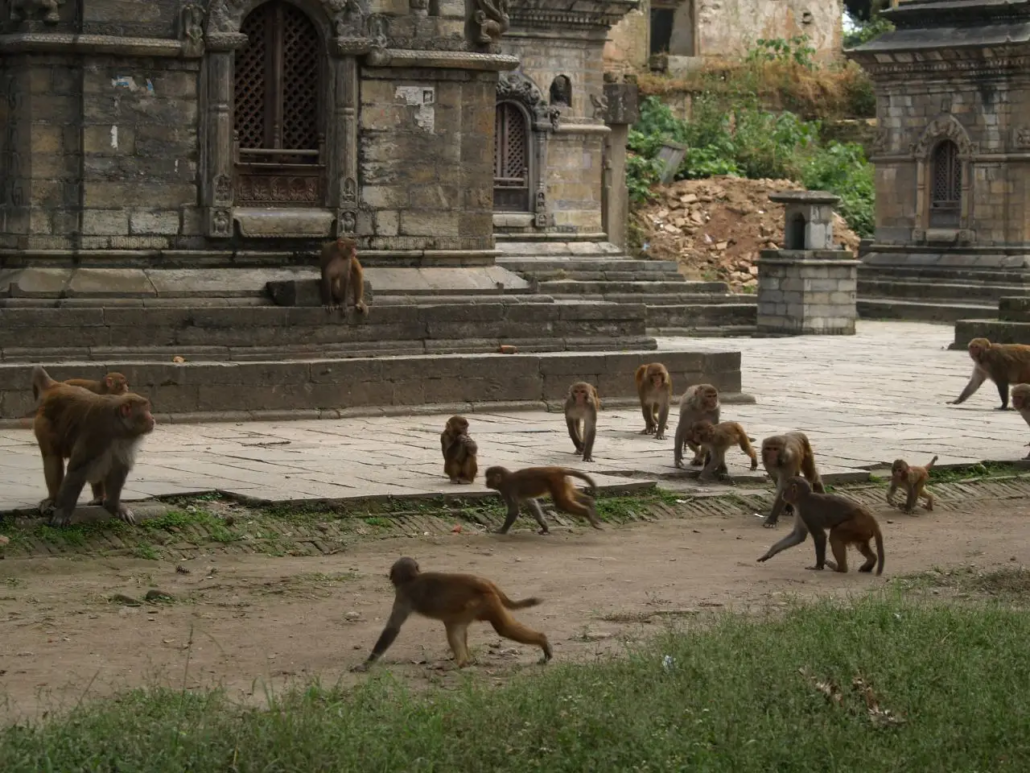
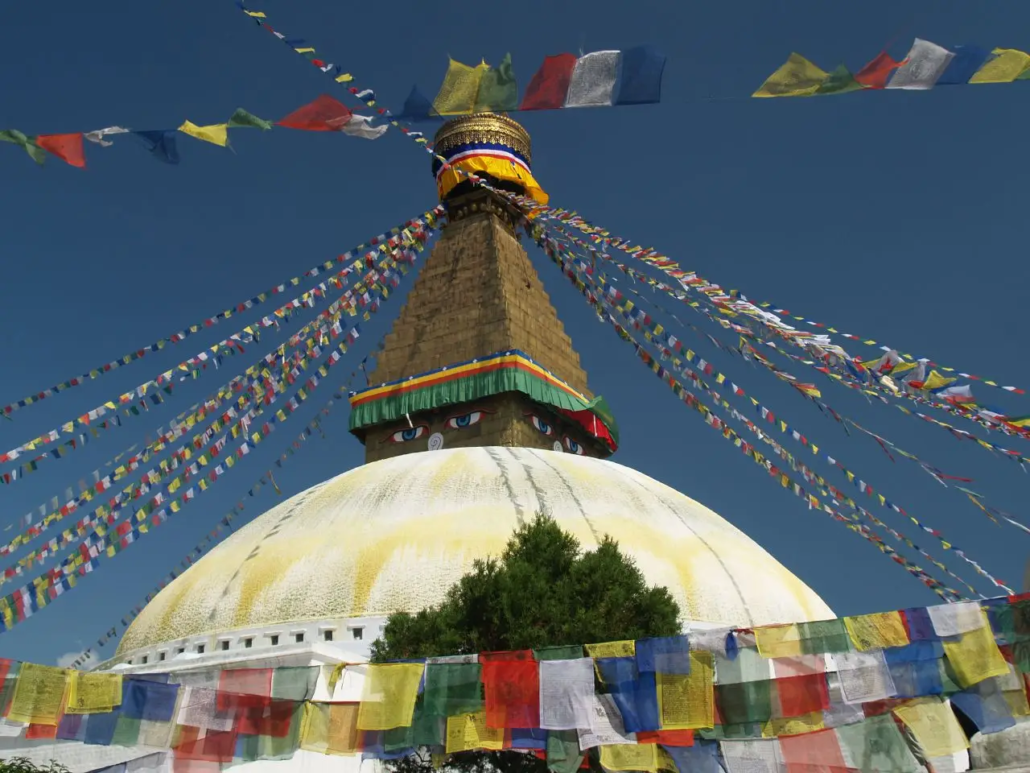
- Kathmandu Valley — UNESCO Heritage Cluster: The valley holds seven UNESCO World Heritage Sites in an area of roughly 30 km × 20 km. Pashupatinath Temple (Nepal’s most important Hindu shrine, the Bagmati riverbank and cremation ghats), Boudhanath Stupa (one of the largest Buddhist stupas in the world, centre of Tibetan Buddhist culture in Nepal), and Swayambhunath (the hilltop stupa with panoramic city views and all-seeing Buddha eyes) form the Day 2 circuit. Bhaktapur Durbar Square (the finest surviving medieval Newari city, 55-Window Palace, Nyatapola Temple) and Patan Durbar Square (the Golden Temple of Hiranya Varna Mahavihar, the finest courtyard metalwork in the valley, and the Patan Museum — considered the best museum in Nepal) form the Day 3 circuit.
- Nagarkot Sunrise: The ridge viewpoint at 2,175m east of Kathmandu gives a clear-day panorama extending from Dhaulagiri in the west to Everest in the east — the widest Himalayan panorama accessible from a road within the Kathmandu Valley catchment. On an exceptional morning, all eight of Nepal’s 8,000m peaks are visible from a single vantage point. Best at dawn.
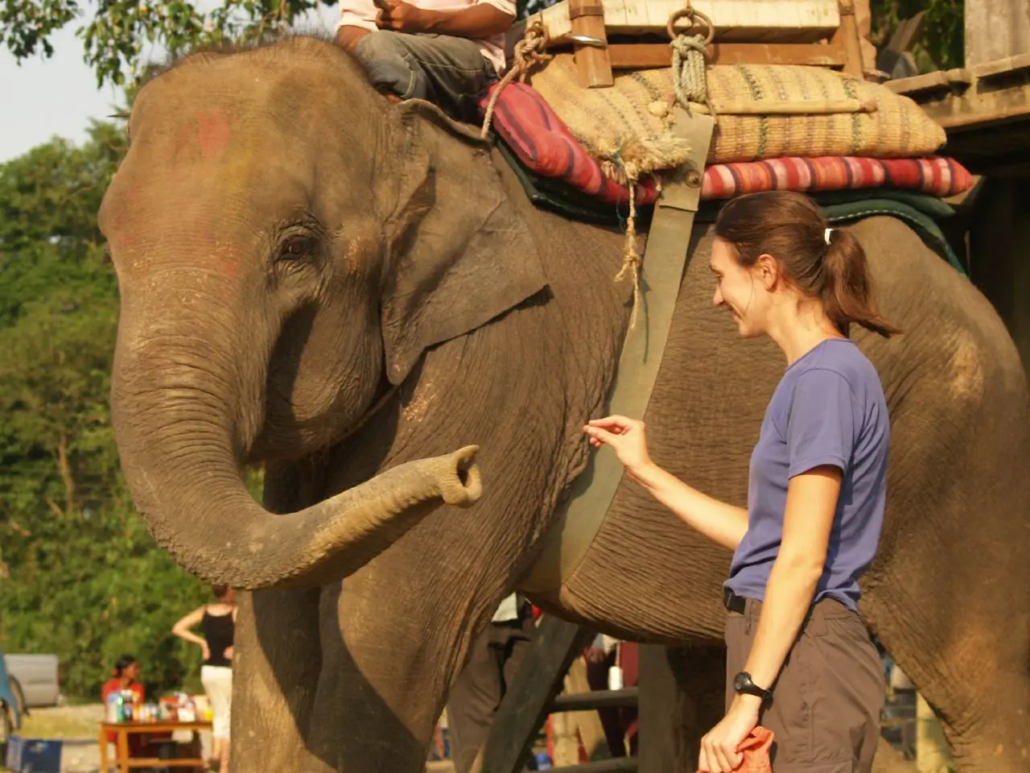
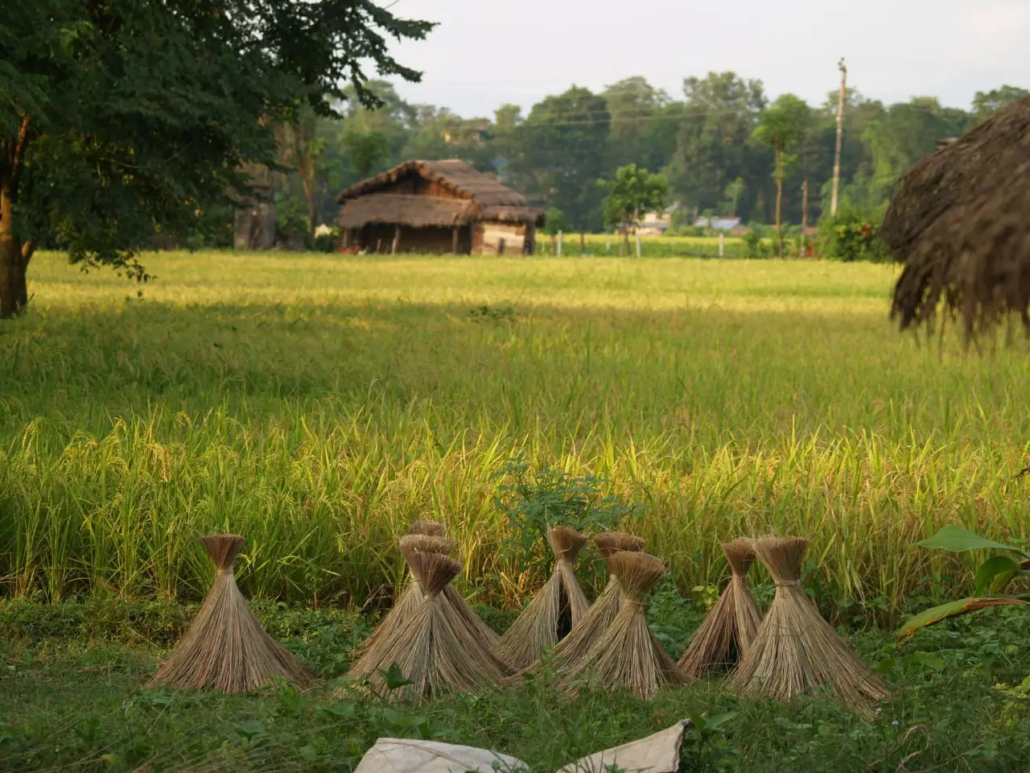
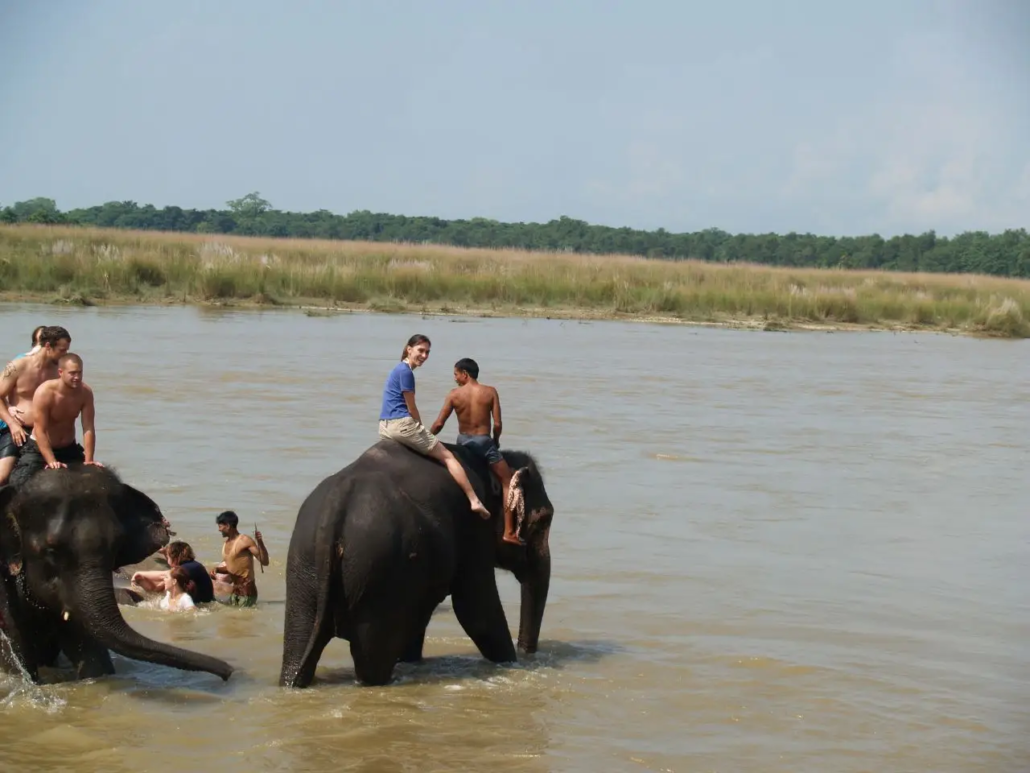
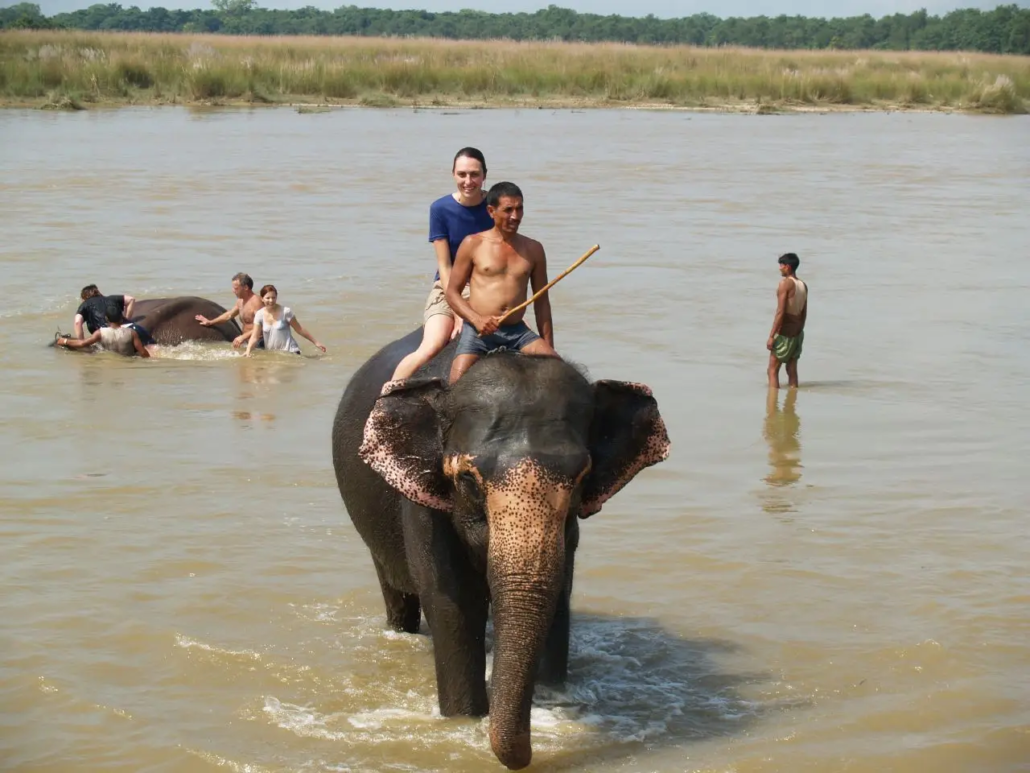
- Chitwan National Park: A UNESCO World Heritage Site and one of Asia’s finest wildlife habitats in the sub-Himalayan Terai. The jeep safari through the sal forest and grasslands gives access to greater one-horned rhinoceros (the park has one of the densest rhino populations in South Asia), Bengal tiger, gharial and mugger crocodile, and over 500 bird species. The canoe ride on the Rapti River is the most atmospheric way to encounter the park’s crocodile and birdlife. The evening Tharu cultural performance introduces the indigenous Tharu community’s stick dance, their ancient forest culture, and their extraordinary historical resistance to malaria that allowed them to inhabit the Terai when it was lethal to outsiders.
- Lumbini — Birthplace of the Buddha: One of the most important pilgrimage sites in the world and a UNESCO World Heritage Site. Maya Devi Temple marks the exact birth spot of Siddhartha Gautama (563 BCE), with the foundation walls of the original Ashokan temple visible below a modern protective cover. The Ashoka Pillar (249 BCE), inscribed with Emperor Ashoka’s declaration confirming this as the Buddha’s birthplace, stands in the sacred garden. The surrounding monastic zone contains temples and monasteries built by Buddhist nations from Thailand to China to Sri Lanka to Germany — the most internationally representative sacred precinct in Buddhism.
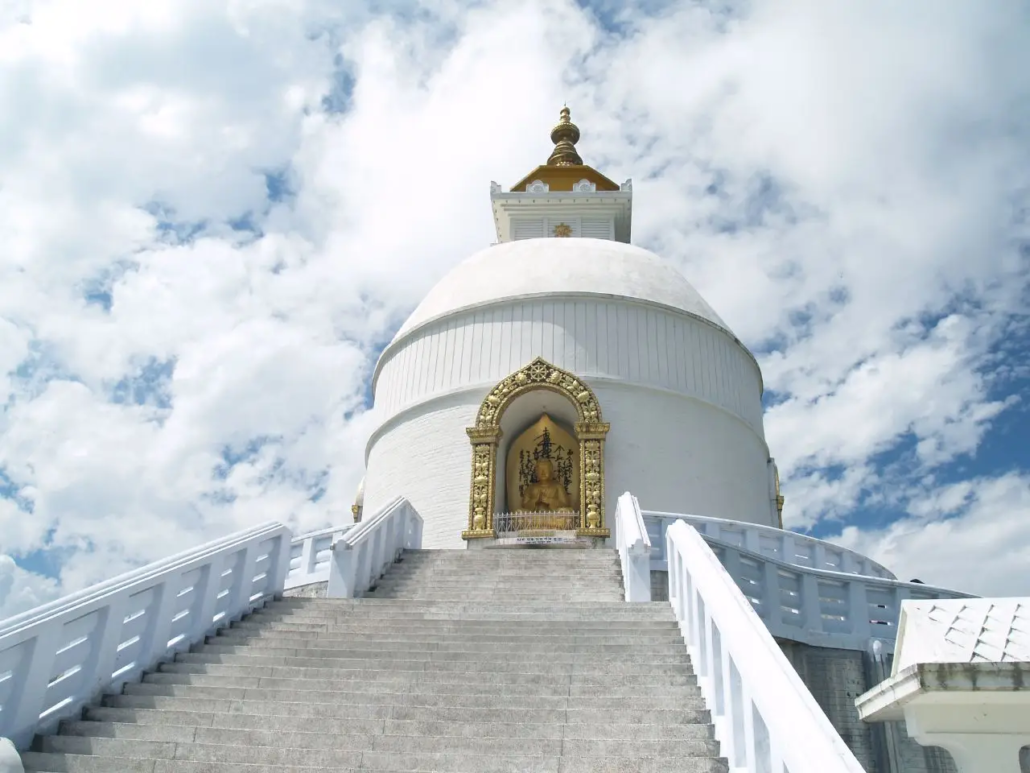
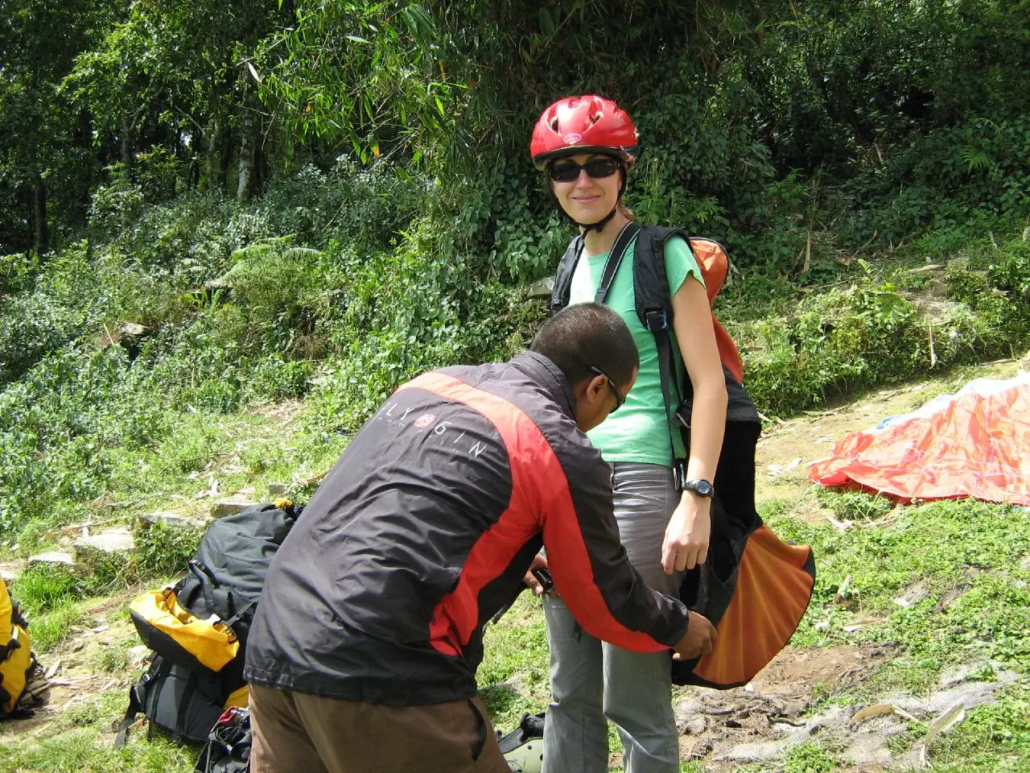
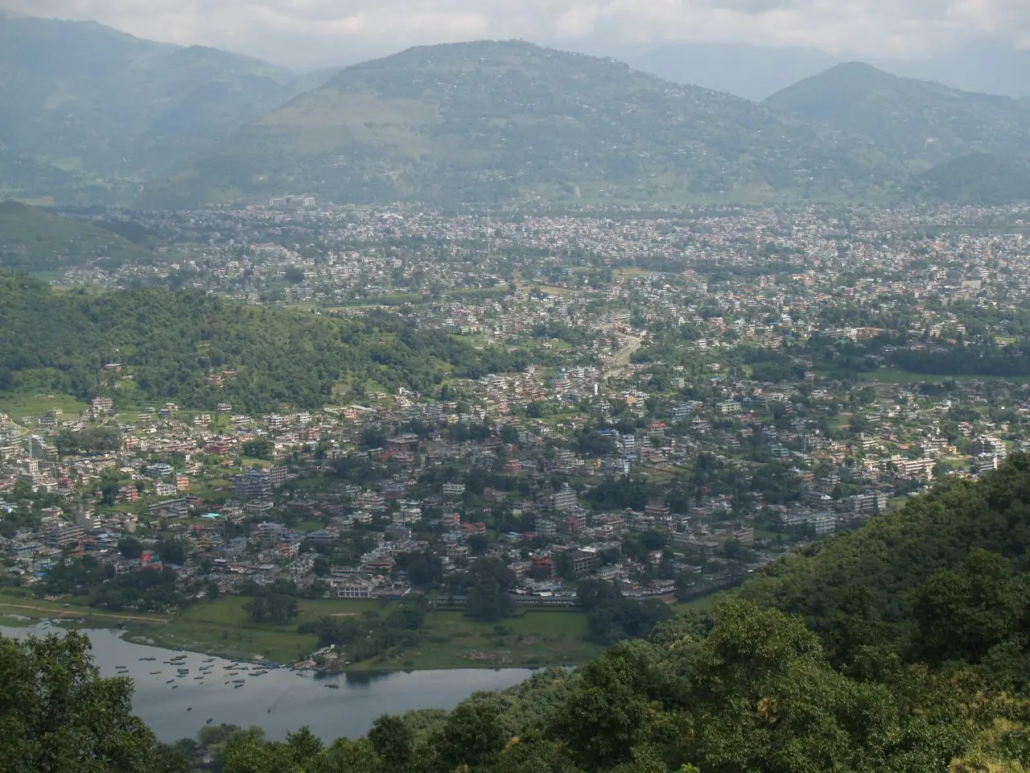
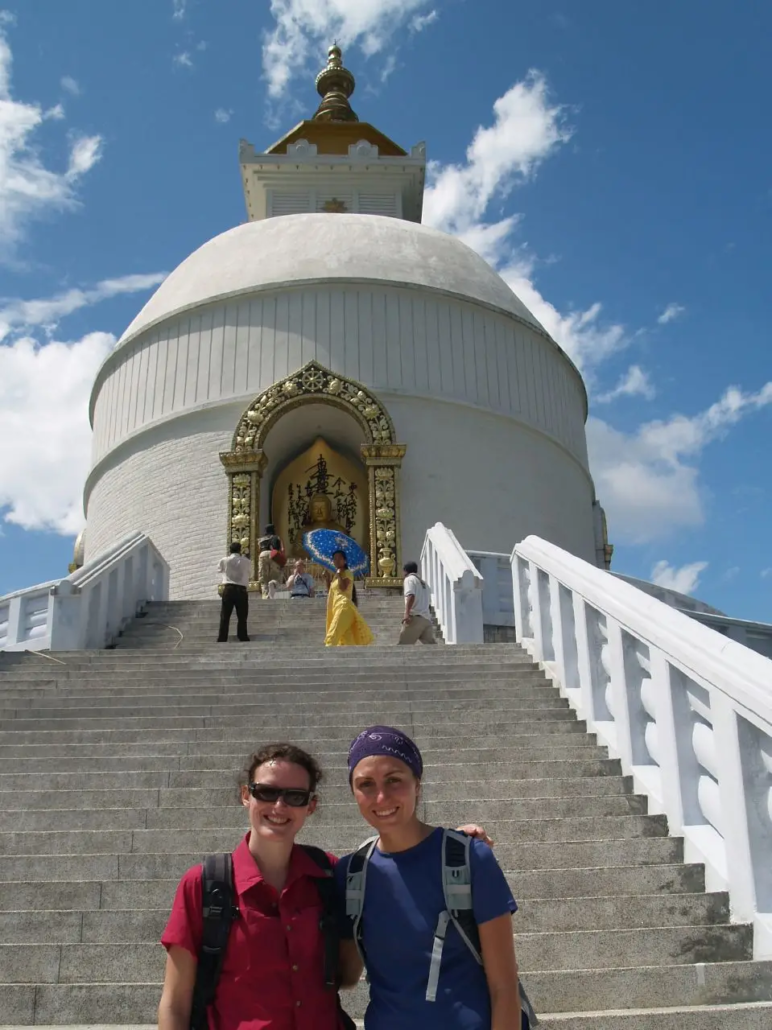
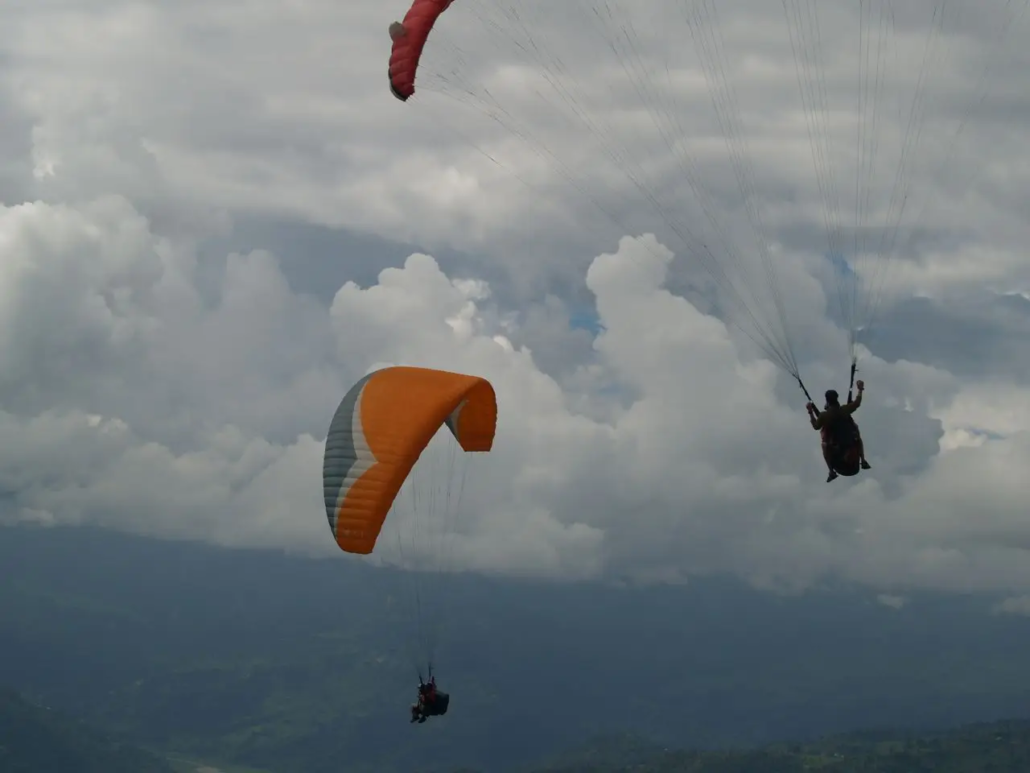
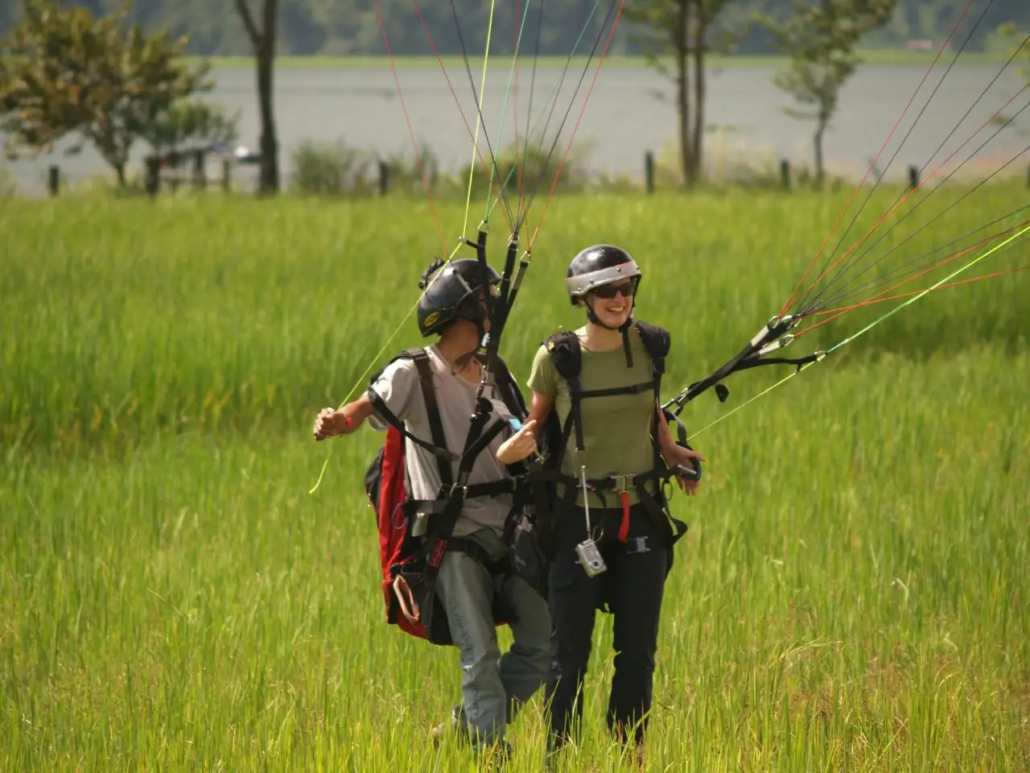
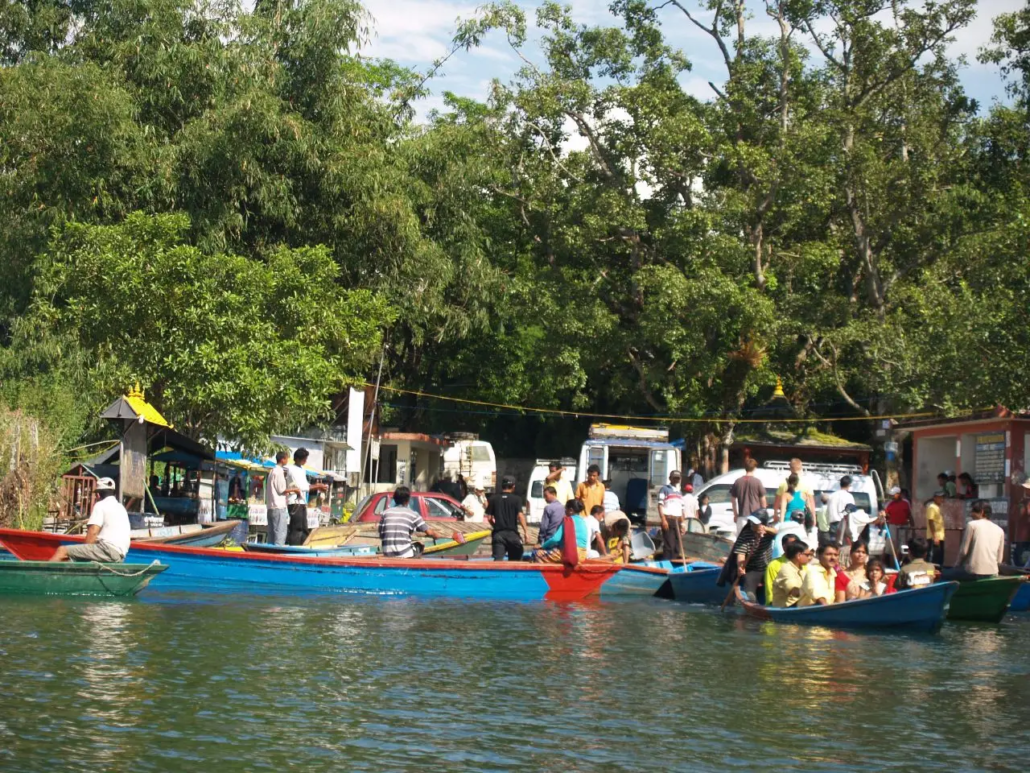
- Pokhara — Phewa Lake & the Annapurna Range: Nepal’s most-visited city after Kathmandu, set on the shore of Phewa Lake with the Annapurna massif as its immediate backdrop. The Sarangkot sunrise (Annapurna I at 8,091m and Machapuchare at 6,993m lit by the pre-dawn light above the lake) is one of the most celebrated mountain views in Nepal. The World Peace Pagoda above the lake and the boat ride to Tal Barahi Temple on the lake island complete the Pokhara programme. Optional paragliding and zip-lining are available for those wanting more from the Pokhara days.
Important Notes
- Best Season: Spring (March–May) and Autumn (September–November). October is the peak month for Himalayan clarity — the monsoon has washed the atmosphere clean and the views from Nagarkot and Sarangkot are at their finest. April brings rhododendron bloom and good mountain visibility before the pre-monsoon haze. Chitwan’s wildlife is best in spring (February–April) when low grass makes animals more visible. Summer (June–August) is monsoon — Chitwan is lush and birdlife is excellent but the parks and mountain views are affected by rain and cloud.
- Activity Level: Easy. This is a cultural and wildlife tour with no trekking. The most active elements are the Chitwan jeep safari (Day 6) and the Tharu village walk. All Kathmandu and Pokhara sightseeing is on flat ground or gentle slopes. Comfortable walking shoes are adequate throughout.
- Tour Type: Fully private, year-round flexible. All transport by private air-conditioned vehicle. Operates on your schedule with dedicated guide and driver throughout.
- Nepal Visa: Obtainable on arrival at Tribhuvan International Airport (KTM) — USD 30 for 15 days or USD 50 for 30 days. Bring passport photos and the fee in USD or card. Summit Routes can advise on current requirements at booking.
- Chitwan Entry Permits: Chitwan National Park entry fees and the required permits are included in the tour price. No separate arrangements needed; your guide handles all documentation at the park gate.
- Lumbini Note: The Maya Devi Temple is open to all visitors regardless of faith. The sacred garden is a quiet, contemplative space — dress modestly and maintain a respectful tone throughout. The monastic zone is best explored on foot with the guide, who provides context for each country’s national temple.
- Domestic Flight (Day 10): The morning flight from Pokhara to Kathmandu (~30 minutes) is included in the tour price. The Pokhara–Kathmandu mountain flight is one of the finest domestic flights in Nepal — request a window seat on the right side (northbound) for the Annapurna and Manaslu views immediately after take-off.
Brief Itinerary
| Day 1 | Arrive Kathmandu (1,350m) — Welcome Dinner |
| Day 2 | Kathmandu Valley Heritage — Pashupatinath, Boudhanath, Swayambhunath |
| Day 3 | Bhaktapur & Patan — The Newar Capitals |
| Day 4 | Nagarkot Sunrise — Himalayan Panorama |
| Day 5 | Drive to Chitwan National Park (415m) | ~180 km |
| Day 6 | Chitwan — Jeep Safari, Canoe Ride, Tharu Cultural Programme |
| Day 7 | Drive to Lumbini (150m) — Maya Devi Temple, Ashoka Pillar | ~165 km |
| Day 8 | Drive to Pokhara (827m) — Phewa Lake Boat Ride | ~205 km |
| Day 9 | Pokhara — Sarangkot Sunrise, Davis Falls, World Peace Pagoda |
| Day 10 | Fly Pokhara to Kathmandu (~30 min) — Farewell Dinner |
| Day 11 | Departure from Kathmandu |
📅 Departure Windows — Nepal Heritage & Culture Tour (11 Days)
Private tour — best seasons: Spring (Mar–May) & Autumn (Sep–Nov)
