
Bhutan Himalayan Highlights & Tiger’s Nest Journey — Overview
Bhutan is the only country in the world that measures its national policy by Gross National Happiness rather than GDP — and it shows. The kingdom manages its tourism deliberately, limits visitor numbers, and charges a daily Sustainable Development Fee that funds its free healthcare and education systems. In exchange for this, visitors receive a country where the environment is constitutionally protected, the architecture is preserved, the culture is genuinely intact, and the experience of travel feels unlike anywhere else in Asia. You will not find billboard advertising, fast food chains, or mass tourism infrastructure in Bhutan. What you will find is one of the last places on earth where ancient Himalayan Buddhist civilisation continues more or less as it has for centuries.
This 7-day Bhutan Himalayan Highlights & Tiger’s Nest Journey covers the western Bhutan circuit — the most accessible and culturally concentrated portion of the kingdom, anchored by Paro, Thimphu, and Punakha. In seven days it visits three of the country’s most important dzong fortresses, crosses a Himalayan pass adorned with 108 memorial chortens, hikes to Bhutan’s most revered pilgrimage site, and explores the living craft and heritage tradition of the capital. It is the right introduction to Bhutan: deep enough to be genuinely immersive, focused enough to be manageable in a week.
Tour Highlights
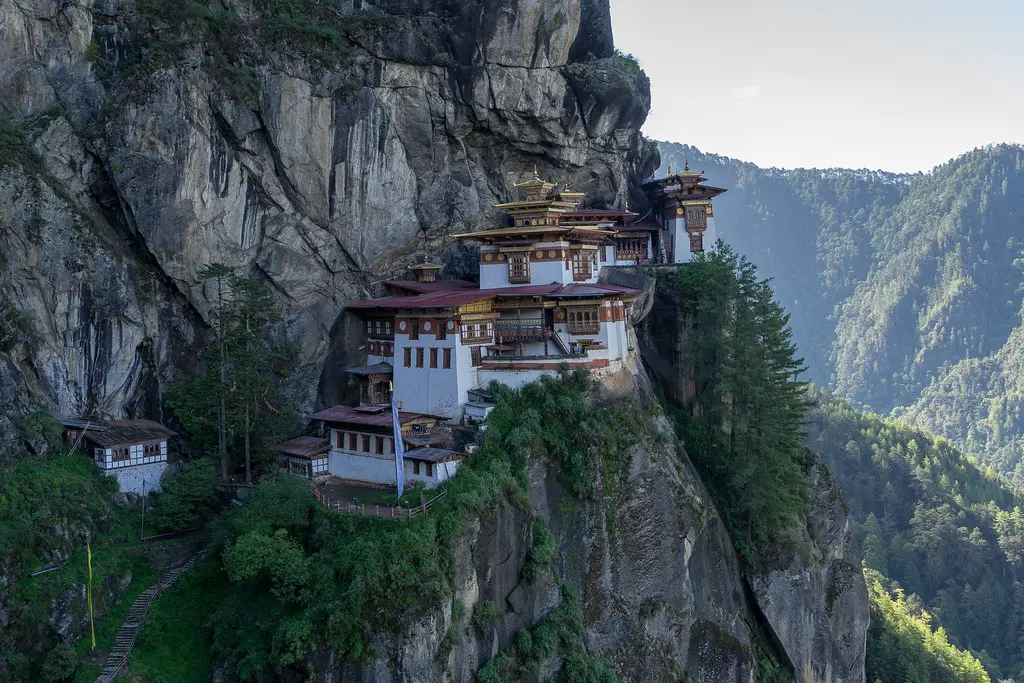
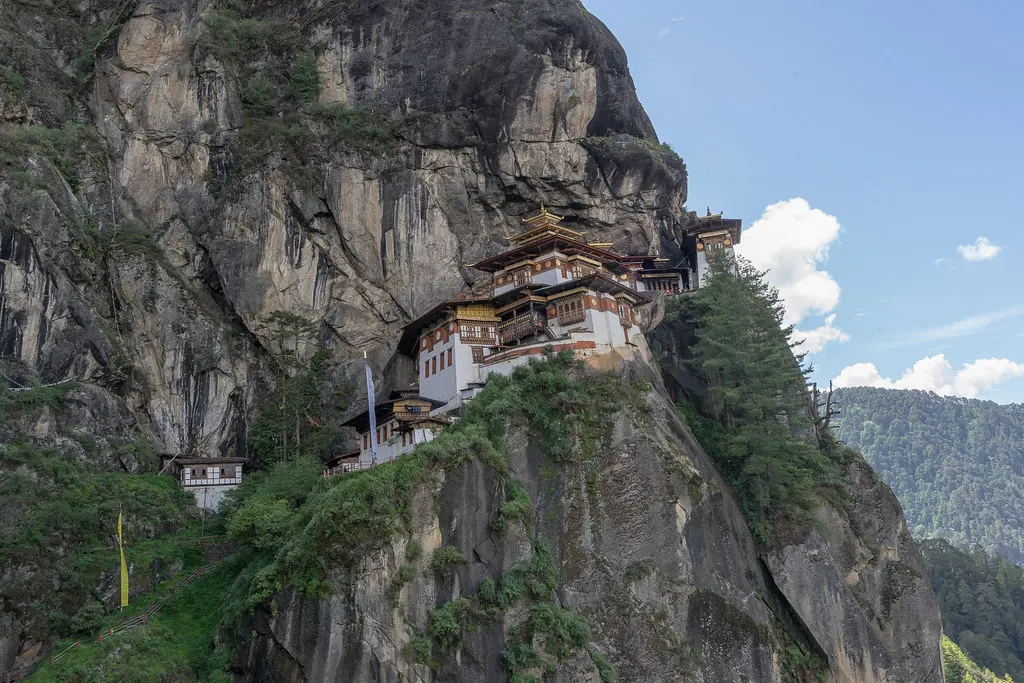
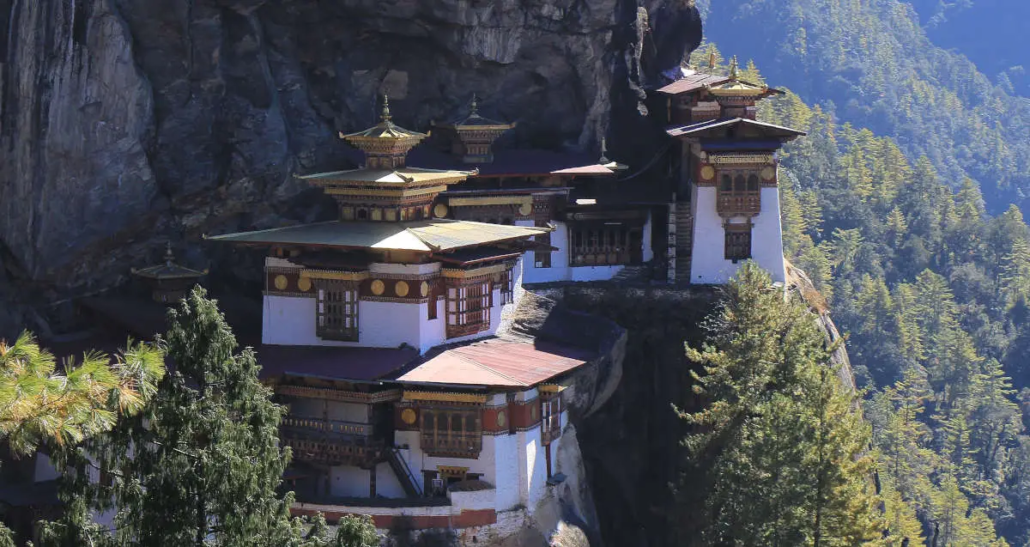
- Tiger’s Nest Monastery — Taktsang Palphug (3,120m) — the defining image of Bhutan, built in 1692 into the face of a sheer cliff 900m above the Paro Valley floor. According to tradition, Guru Rinpoche flew to this site on the back of a tigress and meditated here for three months in the 8th century. The hike from the car park takes approximately 2–3 hours up (400m elevation gain) through rhododendron and pine forest to a viewpoint above the monastery, then down to the temple complex itself. The interior contains six sacred temples — entrance permitted with your licensed guide. One of the most extraordinary religious and architectural experiences in Asia.
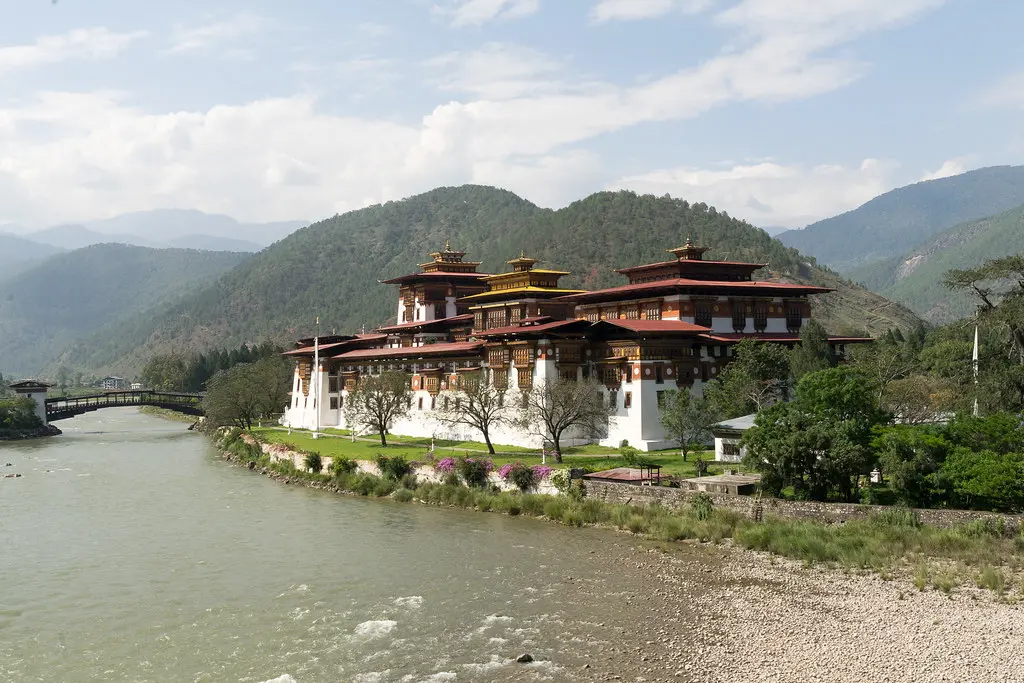
- Punakha Dzong — Pungthang Dechen Phodrang — the “Palace of Great Happiness,” built in 1637–1638 at the confluence of the Pho Chhu and Mo Chhu rivers. The dzong serves as the winter residence of the Je Khenpo (Chief Abbot of Bhutan) and was the site of the coronation of the 5th King of Bhutan in 2008. Its position at the river confluence — accessible only by a traditional covered bridge — and its painted timber interior make it the most beautiful of all Bhutan’s dzong fortresses.
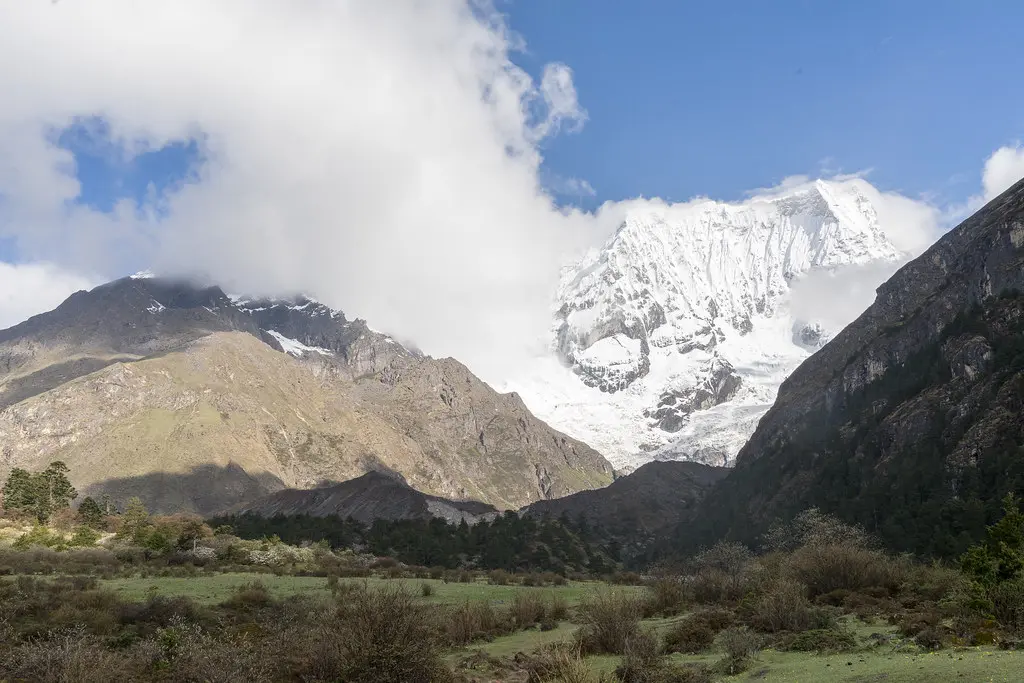
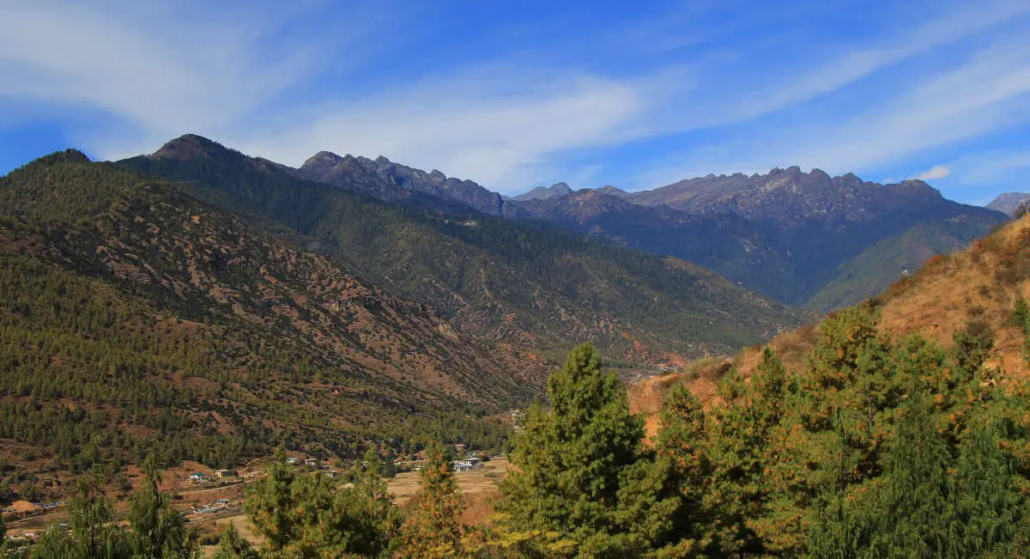
- Dochula Pass (3,100m) & 108 Chortens — the mountain pass on the Thimphu–Punakha road, site of the Druk Wangyal Chortens — 108 memorial stupas built in 2005 by the Queen Mother Ashi Dorji Wangmo Wangchuck. On clear days the pass offers a panorama of the eastern Himalayan range including Gangkhar Puensum (7,570m), the world’s highest unclimbed peak. One of the finest mountain viewpoints accessible by road in the entire Himalaya.
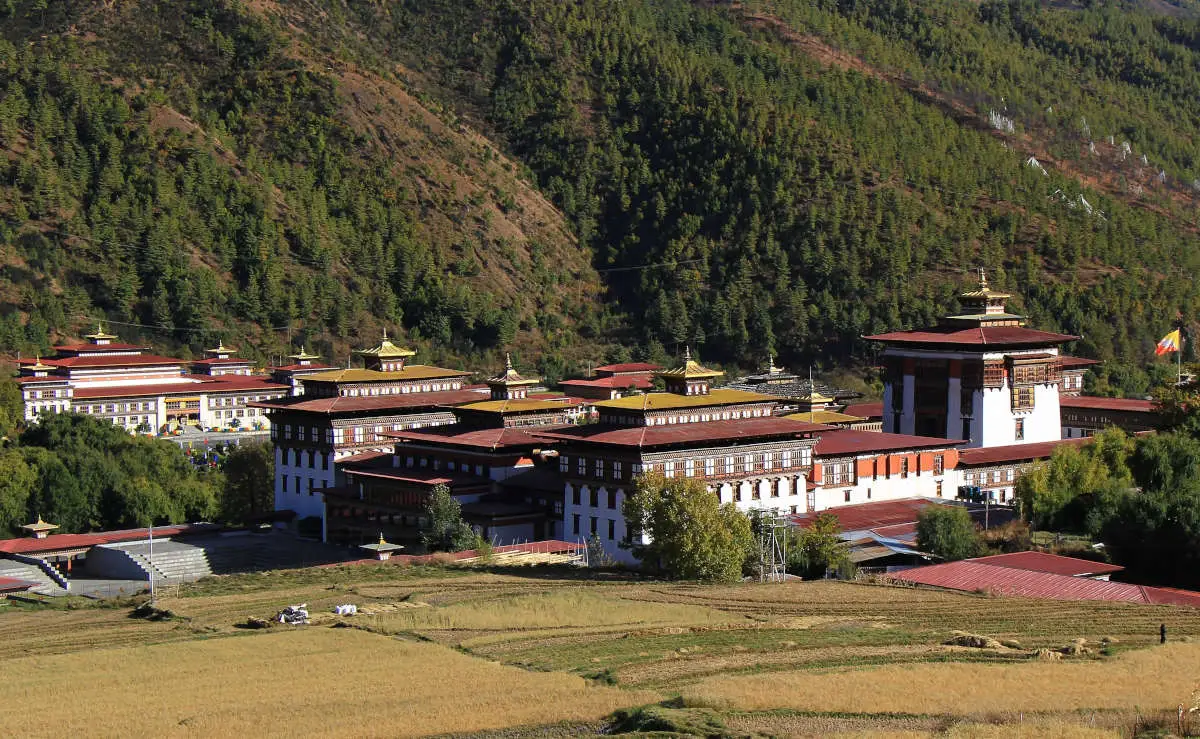
- Thimphu — Capital Heritage Circuit — Bhutan’s uniquely low-rise, tightly controlled capital city: Tashichho Dzong (the seat of Bhutan’s government and the summer residence of the Je Khenpo), the School of Traditional Arts (Zorig Chusum) where students learn the thirteen traditional crafts of Bhutan, the Folk Heritage Museum, and the optional blessings at Changangkha Lhakhang — a hilltop temple established in the 12th century, one of the oldest in the Thimphu Valley.
- Chimi Lhakhang & Punakha Suspension Bridge — the fertility temple of Drukpa Kunley, the Divine Madman, a 15th-century Buddhist saint famous for unconventional teachings; the temple sits on a hillock in the Punakha farmland, reached by a 20-minute walk through rice fields. The nearby Punakha suspension bridge — one of the longest traditional suspension bridges in Bhutan — spans the Pho Chhu gorge in a single dramatic span.
Important Notes
- Best Season: Spring (March–May) and Autumn (September–November). Spring brings clear mountain views, rhododendron bloom on the Tiger’s Nest trail, and the major festivals of Paro Tsechu (March/April) and Punakha Drubchen (February/March). Autumn offers the clearest skies of the year, the finest Himalayan panoramas from Dochula Pass, and the Thimphu Tsechu festival in September/October. Winter (December–February) is cold but uncrowded and clear; summer (June–August) is warm but rainy.
- Bhutan Entry Requirements: All visitors (except Indian, Bangladeshi, and Maldivian nationals) require a Bhutan visa, which can only be obtained through a licensed Bhutanese tour operator or through Summit Routes as a registered partner. The visa is arranged entirely by Summit Routes before your departure. Carry your original passport throughout — it is required at the airport and at checkpoints.
- Sustainable Development Fee (SDF): All visitors (except Indian nationals) pay a Sustainable Development Fee of USD 100 per person per night. This is a government-mandated fee included in the tour price and paid directly to the Tourism Council of Bhutan. It funds Bhutan’s free education and healthcare systems and is a legal requirement for all foreign visitors. Indian nationals are not subject to the SDF.
- Activity Level: Easy, with one moderate day. The tour is primarily a drive-and-walk cultural experience. The Tiger’s Nest hike (Day 2) is the most demanding: approximately 4–5 hours return, 400m elevation gain to the monastery, with the trail ascending through forest on a well-defined path. No special fitness or trekking experience is required, but comfortable walking shoes and a reasonable level of general fitness are needed. Horses are available for hire for the initial ascent if preferred.
- Tour Type: Fully private, year-round. All transport by private vehicle with licensed guide. The tour operates entirely on your schedule.
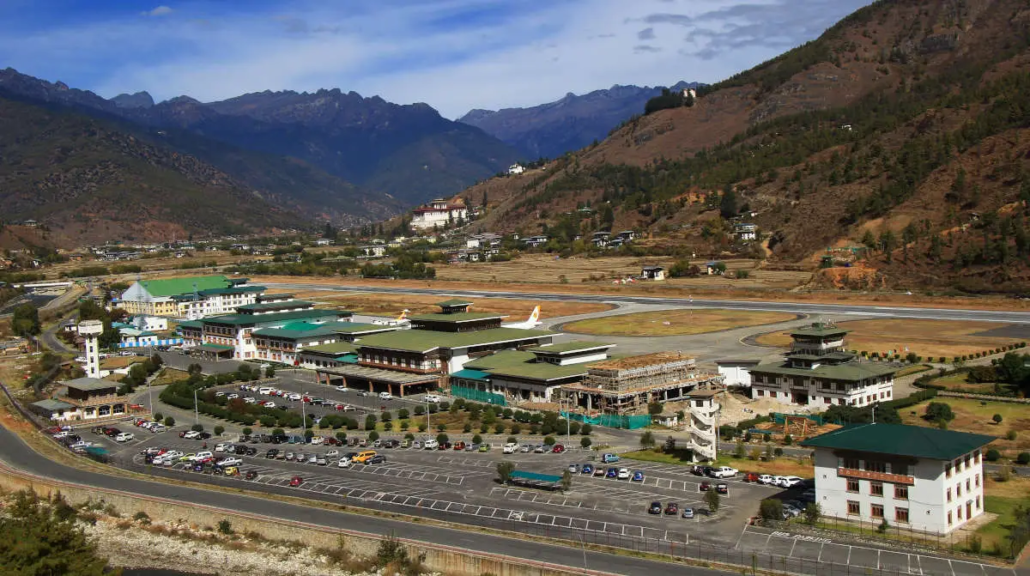
- Paro Airport Landing: Paro International Airport (PBH) has one of the most technically demanding approaches in commercial aviation — a narrow valley runway at 2,235m requiring visual flight rules only, cleared for a small number of certified pilots worldwide. The Druk Air or Bhutan Airlines approach through the mountain corridor is spectacular. Expect early-morning departures — most Paro flights operate before 10:00 AM due to afternoon mountain wind conditions.
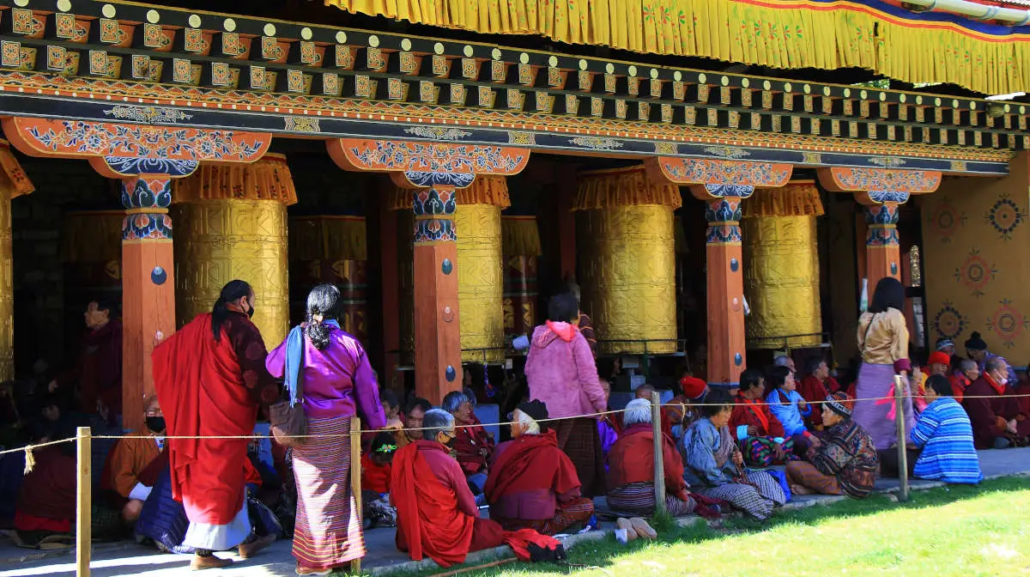
- Cultural Etiquette: Bhutan is a deeply Buddhist kingdom. At all dzong fortresses and temples: remove shoes, dress modestly (cover knees and shoulders — wraps available where required), circumambulate all chortens and stupas clockwise, do not touch religious objects, and follow your guide’s instructions throughout. Photography inside temples and the inner courtyards of dzongs is usually restricted; your guide will advise at each site.
Brief Itinerary
| Day 1 | Arrive Paro (2,250m) — Welcome & Orientation |
| Day 2 | Tiger’s Nest Hike (3,120m) — Kyichu Lhakhang, Paro Valley |
| Day 3 | Drive Paro to Thimphu (55 km) — Buddha Dordenma, Memorial Chorten |
| Day 4 | Thimphu — Zorig Chusum, Folk Heritage Museum, Tashichho Dzong |
| Day 5 | Drive Thimphu to Punakha via Dochula Pass (3,100m) — Punakha Dzong |
| Day 6 | Punakha — Chimi Lhakhang, Suspension Bridge — Return to Paro |
| Day 7 | Departure from Paro |

📅 Departure Windows — Tiger's Nest Journey (7 Days)
Private tour — year-round. Best seasons: Spring & Autumn.
