
Cultural Valleys & Spiritual Heartland Expedition
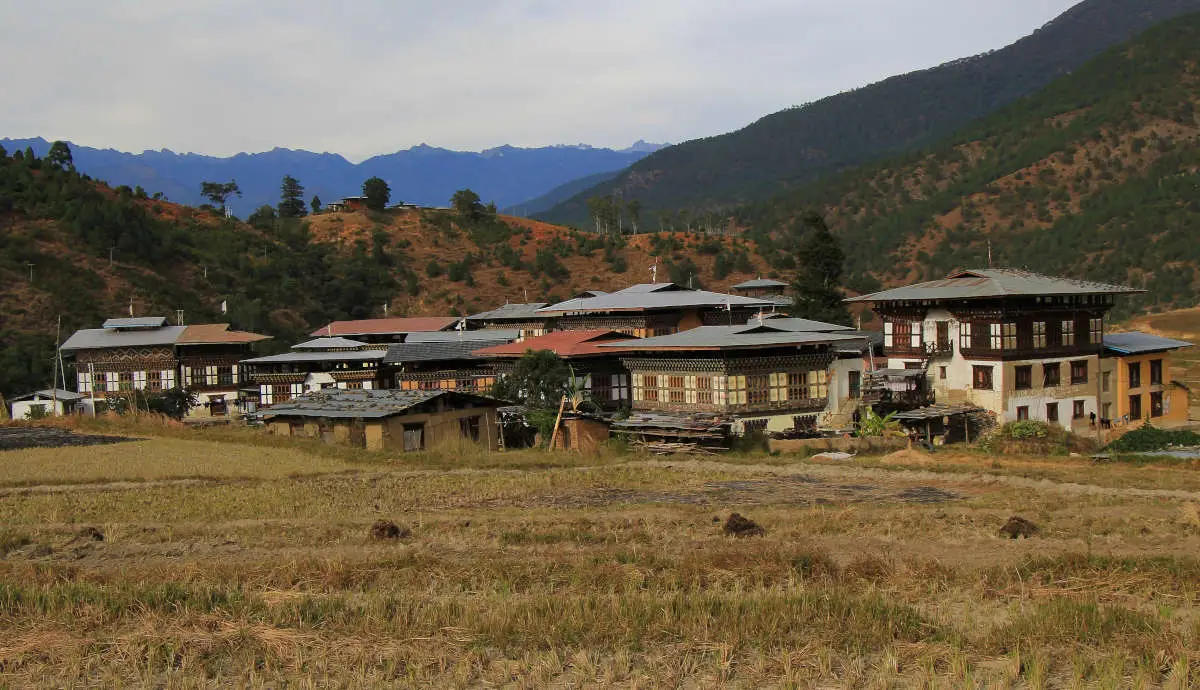
Cultural Valleys & Spiritual Heartland Expedition — Overview
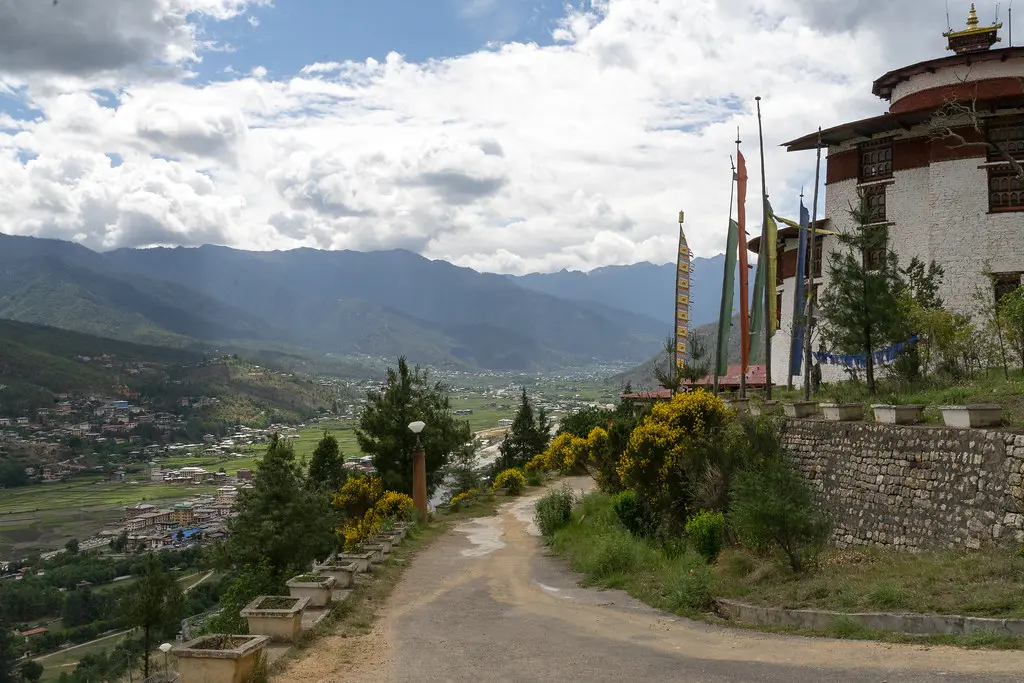
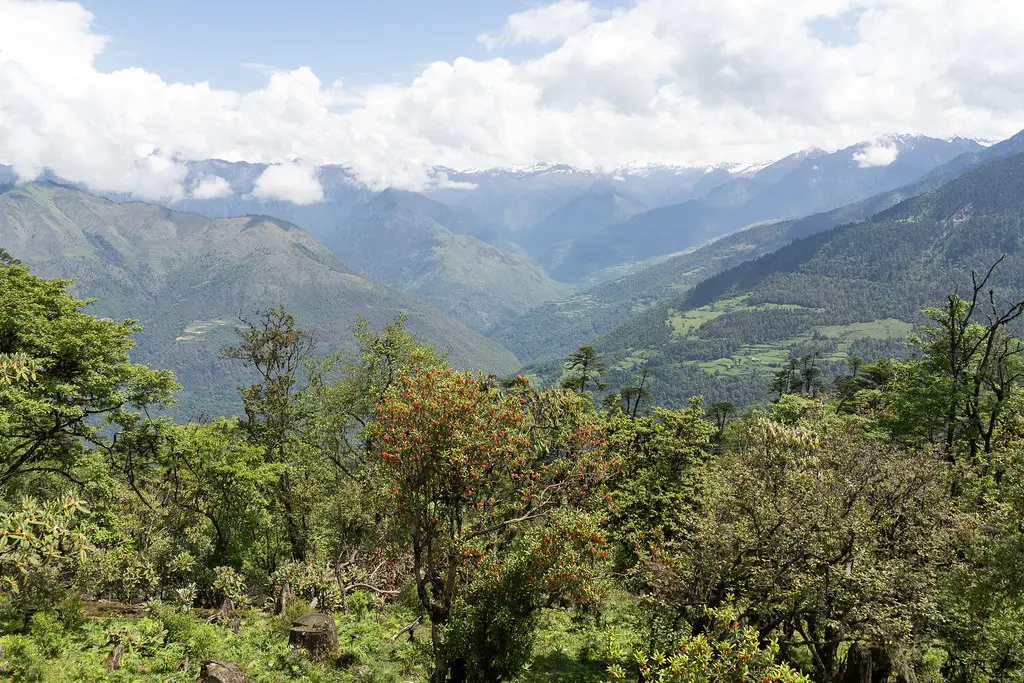
Where the 7-day Tiger’s Nest Journey introduces Bhutan’s western valleys, this 12-day Cultural Valleys & Spiritual Heartland Expedition goes further — east into the high-altitude Phobjikha glacial bowl and then deeper still into Bumthang, the central valley system that forms the genuine spiritual core of the kingdom. Bumthang is where Bhutan’s Buddhist history is most concentrated: here Guru Rinpoche (Padmasambhava) introduced Tantric Buddhism to the Himalayan world in the 8th century, and the legacy of that transmission survives in temples, meditation caves, and living ritual practice that continues largely unchanged. The circuit covers all five of Bhutan’s primary cultural regions in western and central Bhutan — a complete portrait of the kingdom rather than an introduction to it.
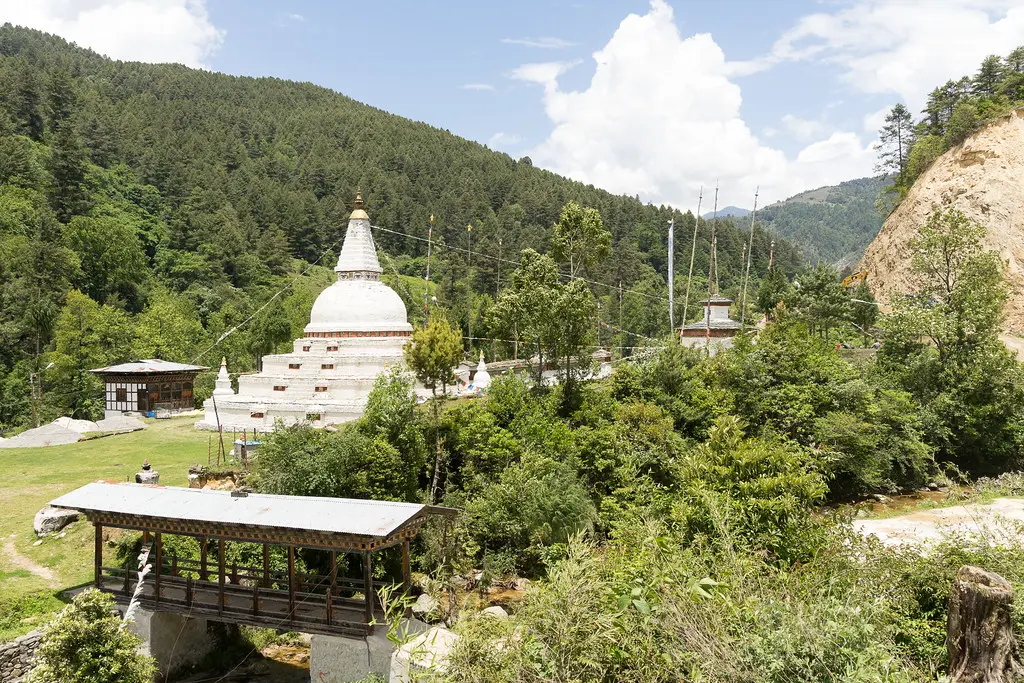
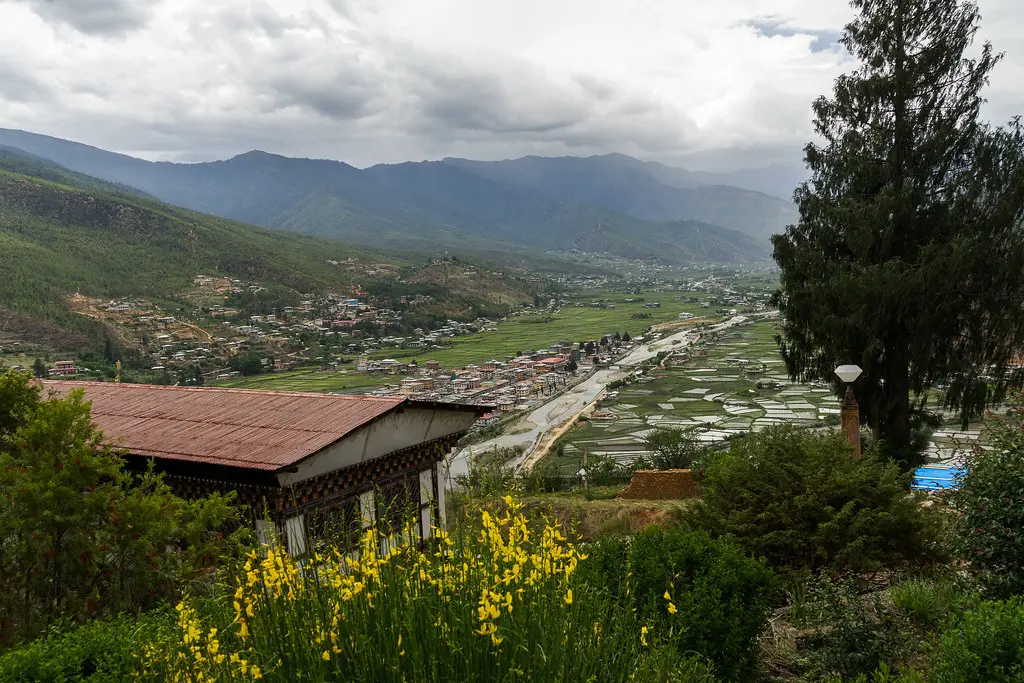
The Gangtey–Phobjikha Valley (Day 7) is the circuit’s most distinctive intermediate stop. At 2,900m, the Phobjikha glacial valley is one of the largest open valleys in Bhutan — a treeless bowl of marsh and grassland enclosed by forested ridges, home to the endangered black-necked crane, which migrates here from the Tibetan Plateau each winter (October–March). The valley’s character — vast, quiet, unhurried — is entirely unlike anything in the western valleys. Gangtey Monastery (Gangtey Goenpa), one of the few Nyingmapa monasteries in Bhutan, overlooks the entire valley from its ridge. Combined with the three nights in Bumthang, this makes the 12-day circuit the most immersive Bhutan experience in the Summit Routes portfolio.
Tour Highlights
- Tiger’s Nest Monastery — Taktsang Palphug (3,120m) — the iconic 1692 monastery on the Paro cliff face, 900m above the valley floor. The 4–5 hour return hike through rhododendron and pine is the most famous walk in Bhutan. Six sacred interior temples accessible with your licensed guide. This is covered in full depth on Day 2.
- Thimphu Cultural Circuit — the School of Traditional Arts (Zorig Chusum, thirteen traditional crafts), Folk Heritage Museum, Tashichho Dzong (seat of government and summer residence of the Je Khenpo), and the optional 12th-century Changangkha Lhakhang above the capital. Two full days in Thimphu give more time than the 7-day tour for deeper engagement with each site.
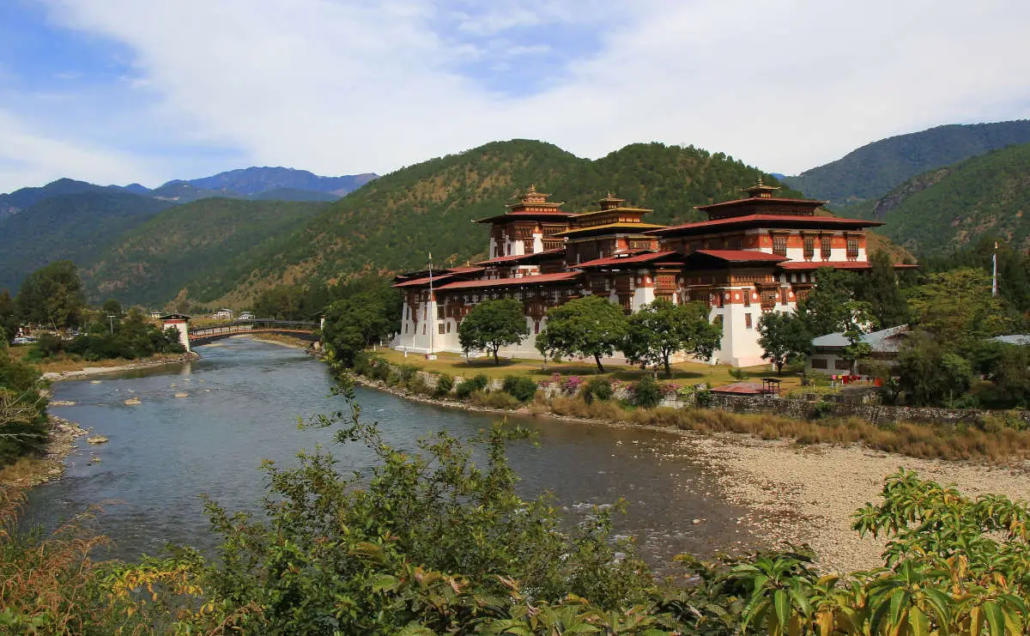
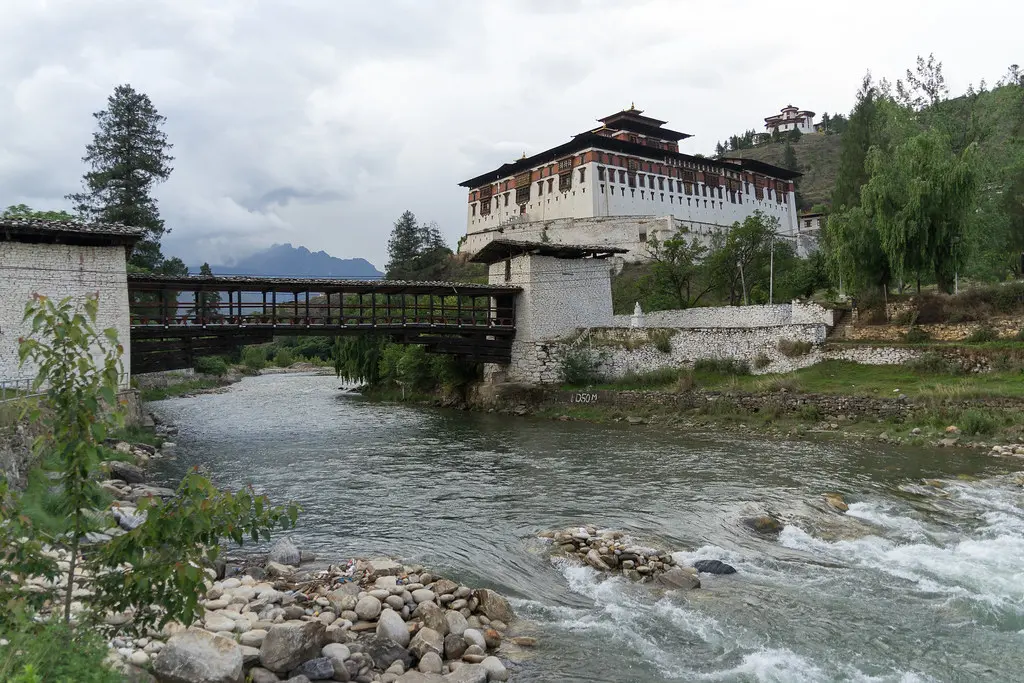
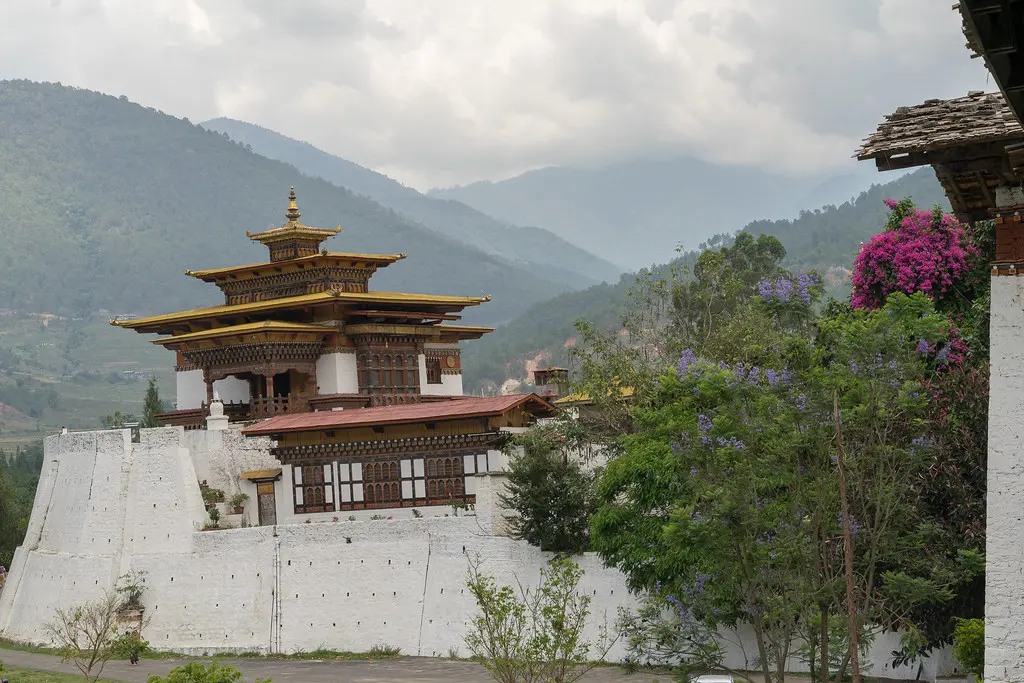
- Dochula Pass (3,100m) & Punakha Dzong — the mountain pass with 108 memorial chortens and Himalayan panoramas including Gangkhar Puensum (7,570m, world’s highest unclimbed peak); and the 1637 Punakha Dzong at the river confluence — the most beautiful dzong fortress in Bhutan, winter residence of the Je Khenpo.
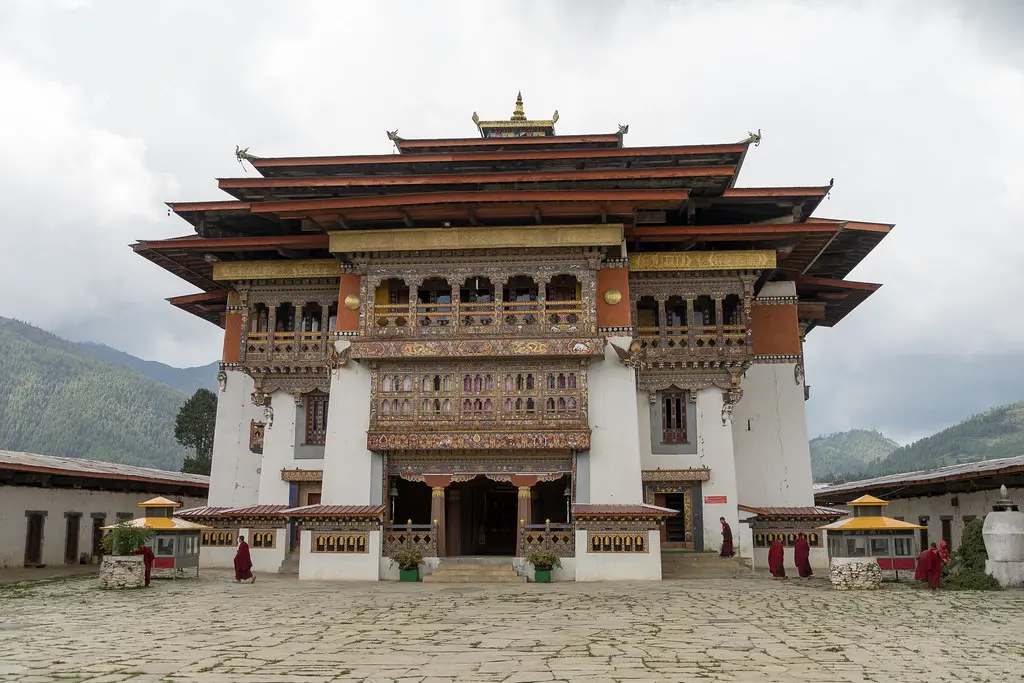
- Gangtey Monastery & Phobjikha Valley — one of the finest examples of Nyingmapa monastery architecture in Bhutan, perched above the vast glacial bowl of the Phobjikha Valley. The black-necked cranes winter here from October to March; the valley nature trail in any season passes traditional farmhouses and stands of dwarf bamboo along the marsh edge. One of Bhutan’s most serene overnight destinations.
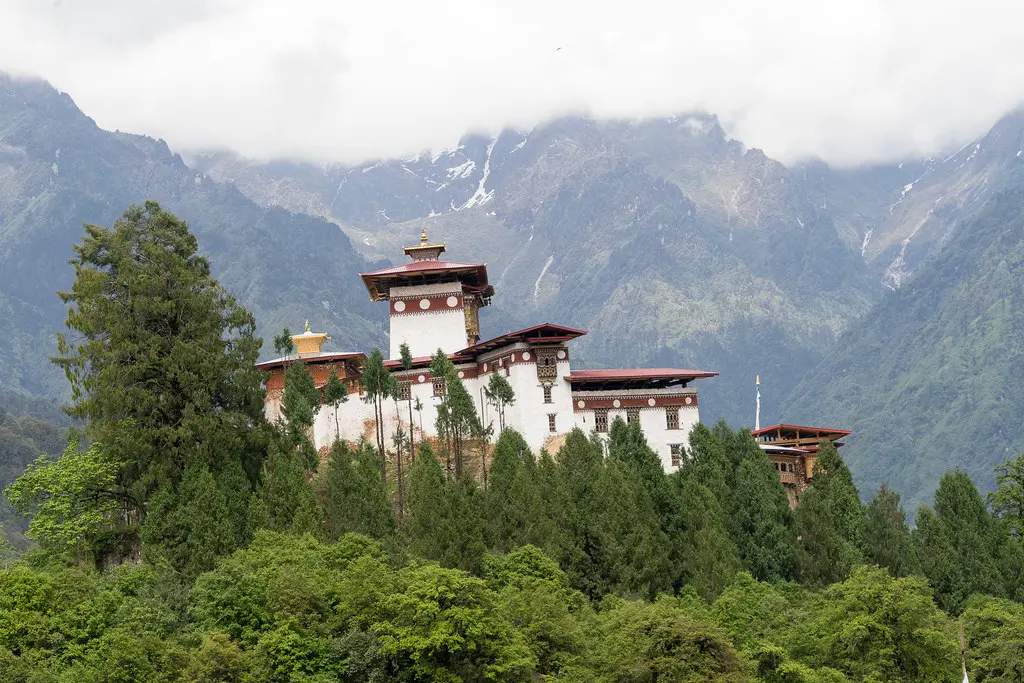
- Bumthang — Jakar Dzong, Jambay Lhakhang & Kurje Lhakhang — the spiritual heartland of the kingdom. Jambay Lhakhang was built in the 7th century by the Tibetan Emperor Songtsen Gampo as one of 108 temples constructed in a single day across the Himalayan world to pin down a demoness; it is one of the oldest temples in Bhutan. Kurje Lhakhang marks the site where Guru Rinpoche meditated in the 8th century — the impression of his body remains in the rock of the cave behind the main temple.
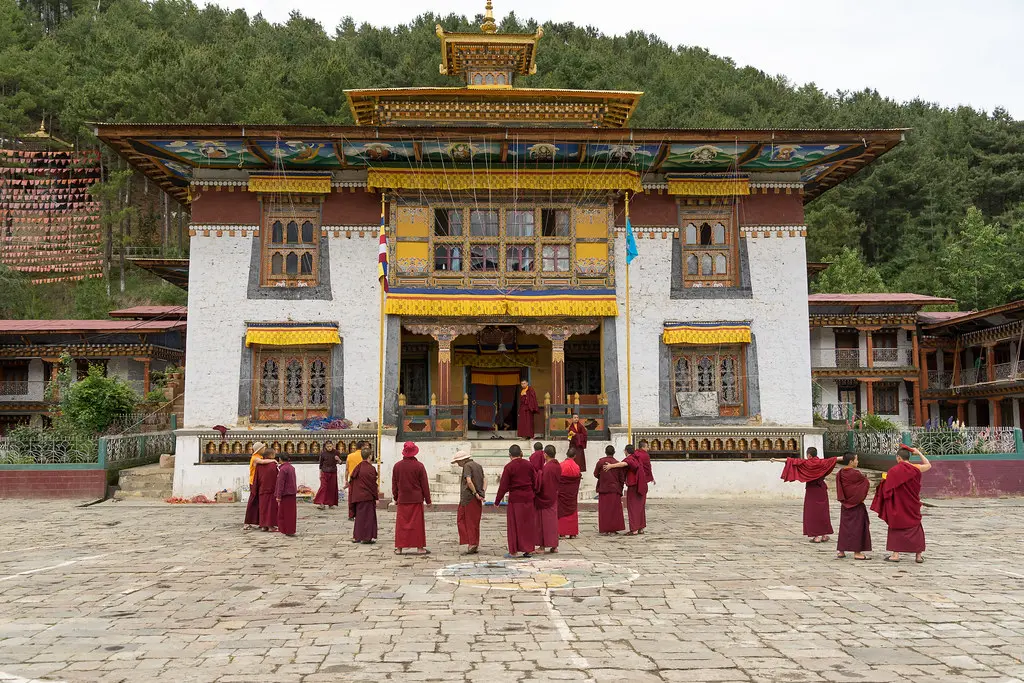
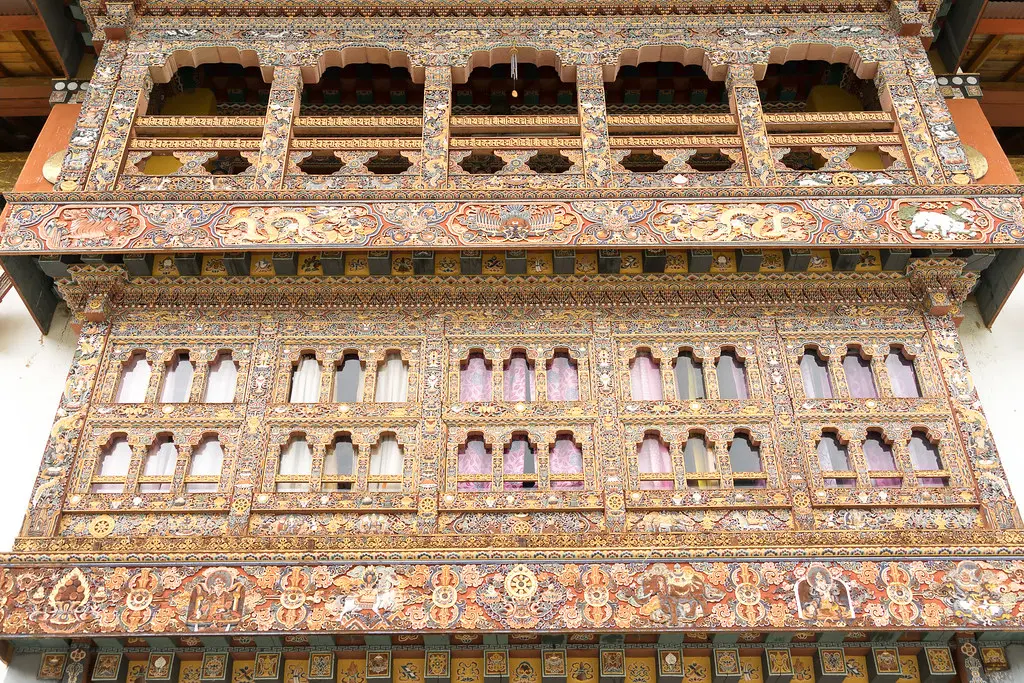
- Tamshing Monastery & Local Weaving — Tamshing Goemba (est. 1501) contains wall paintings by Pema Lingpa, Bhutan’s most celebrated treasure-revealer, regarded as the finest surviving medieval religious artwork in the country. The adjacent weaving centres in the Bumthang villages are among the best places in Bhutan to see and purchase traditional yathra wool textiles made using the same patterns and techniques used for centuries.
- Mebar Tso — Burning Lake — a narrow gorge on the Tang River where the river plunges between overhanging rocks into a dark pool. In 1475, the treasure-revealer Pema Lingpa dove into the lake and emerged with a chest of sacred terma teachings, a lamp still burning in his hand. The site is one of the most sacred in Bumthang, festooned with prayer flags and offerings.
Important Notes
- Best Season: Spring (March–May) and Autumn (September–November). Spring brings clear Himalayan views, rhododendron bloom on the Tiger’s Nest trail, and the major Paro and Punakha festivals. Autumn offers the finest mountain panoramas from Dochula Pass and Thimphu Tsechu in September/October. For black-necked cranes at Phobjikha, visit October–March — the birds arrive from Tibet from late October and depart in late February/early March. Winter (December–February) is the only time the cranes are present and the valley is at its most atmospheric. Bumthang is colder at altitude year-round and can receive snow November–February.
- Bhutan Entry Requirements: All visitors except Indian, Bangladeshi, and Maldivian nationals require a Bhutan visa, arranged entirely by Summit Routes before departure. Carry your original passport throughout.
- Sustainable Development Fee (SDF): USD 100 per person per night — applicable to all except Indian nationals. For 11 nights this amounts to USD 1,100 per person, included in the tour price. Indian nationals are exempt and receive a correspondingly lower rate.
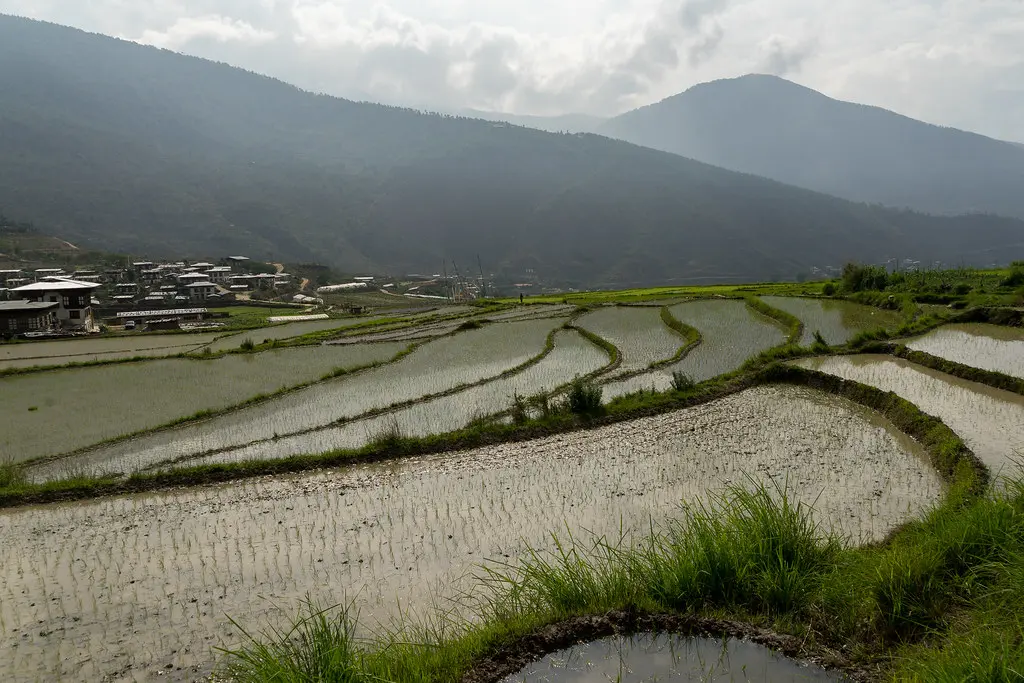
- Activity Level: Easy, with one moderate day. The Tiger’s Nest hike (Day 2) is the most demanding element — 400m elevation gain, 4–5 hours return on a clear forest trail. All other days are gentle walks of 1–3 km at cultural sites. The Gangtey Valley nature trail (Day 7) and the rice field walk to Chimi Lhakhang (Day 6) are flat and leisurely.
- Tour Type: Fully private, year-round. All transport by private vehicle with licensed Bhutanese guide throughout.
- Bumthang Altitude: Bumthang’s Jakar Valley sits at approximately 2,600m. The high passes on the drive from Gangtey (Pele La ~3,300m and Yotong La ~3,400m) are crossed on Day 8. No altitude issues are expected at these elevations for acclimatised visitors, but bring warm layers — Bumthang temperatures drop significantly after sunset year-round.
- Cultural Etiquette: As throughout Bhutan, remove shoes at all temple and dzong entrances, dress modestly, circumambulate all chortens clockwise, and follow your guide’s instructions on photography restrictions. At Kurje Lhakhang the cave sanctuary is a particularly sacred space — enter respectfully and in silence.
Brief Itinerary
| Day 1 | Arrive Paro (2,250m) — Welcome & Orientation |
| Day 2 | Tiger’s Nest Hike (3,120m) — Kyichu Lhakhang |
| Day 3 | Drive Paro to Thimphu — Buddha Dordenma, Memorial Chorten, Tashichho Dzong |
| Day 4 | Thimphu — Zorig Chusum, Folk Heritage Museum, Changangkha Lhakhang |
| Day 5 | Drive Thimphu to Punakha via Dochula Pass (3,100m) — Punakha Dzong |
| Day 6 | Punakha — Chimi Lhakhang, Suspension Bridge, Villages |
| Day 7 | Drive Punakha to Gangtey — Phobjikha Valley, Gangtey Monastery |
| Day 8 | Drive Gangtey to Bumthang via Pele La & Yotong La Passes — Jakar |
| Day 9 | Bumthang — Jakar Dzong, Jambay Lhakhang, Kurje Lhakhang, Tamshing |
| Day 10 | Bumthang — Mebar Tso, Village Walks, Optional Cultural Programme |
| Day 11 | Return to Paro — Farewell Dinner |
| Day 12 | Departure from Paro |
📅 Departure Windows — Cultural Valleys Expedition (12 Days)
Private tour — year-round. Best seasons: Spring & Autumn.
