Spiti Valley Cultural Tour India

Spiti Valley: The Middle Land — Moonscapes, Monasteries, and a World Apart
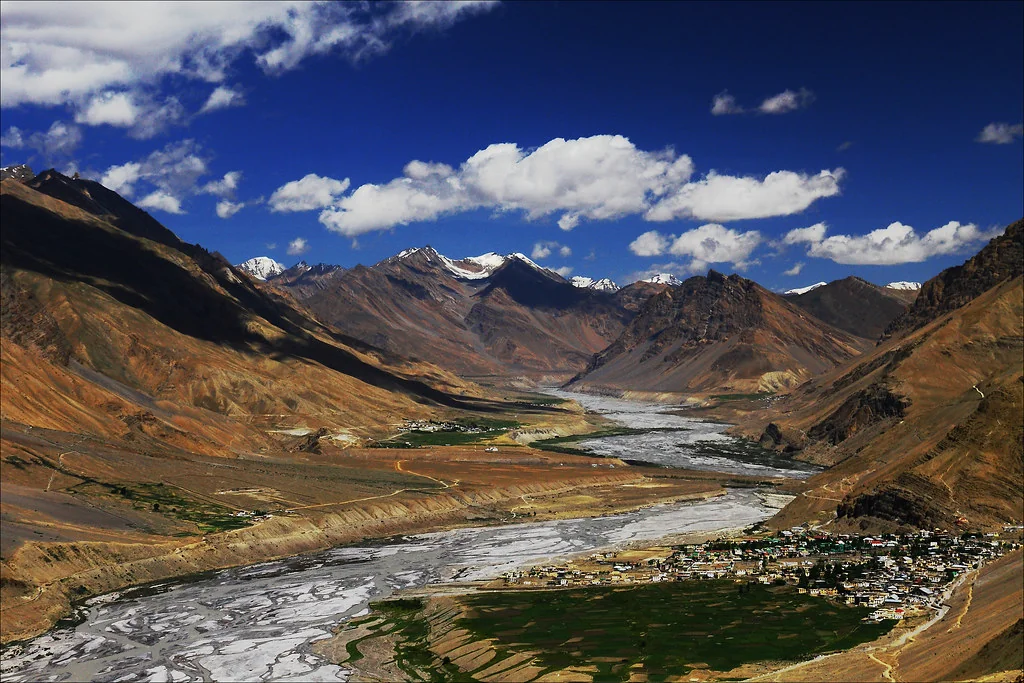
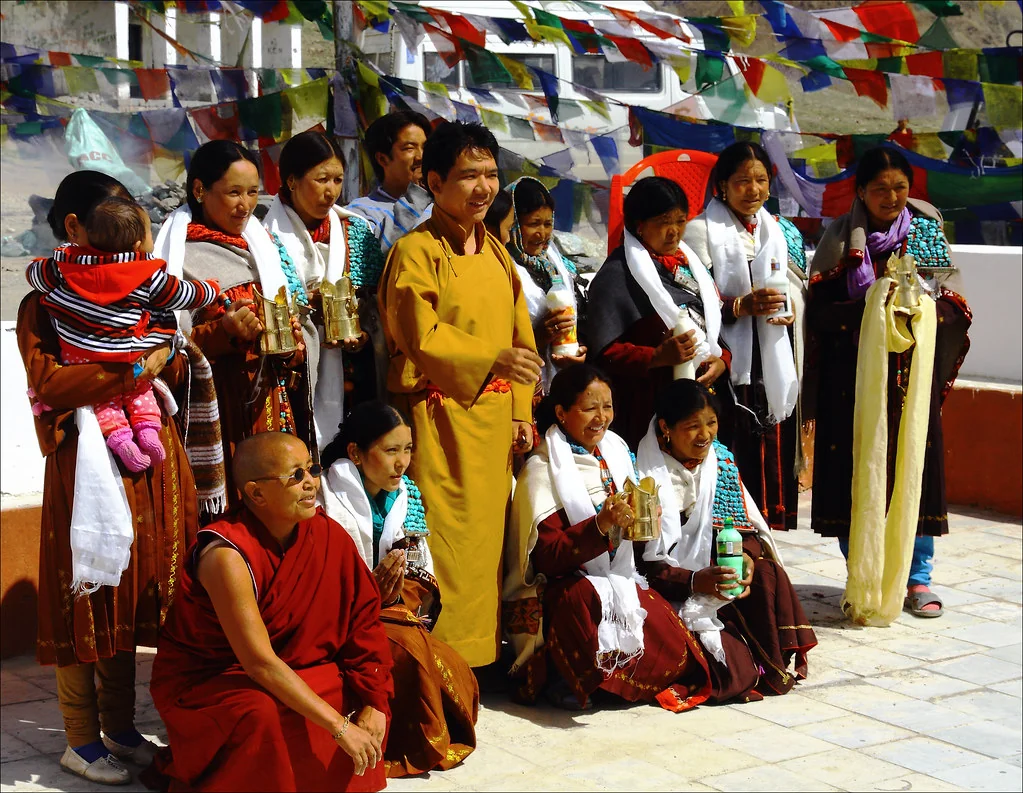
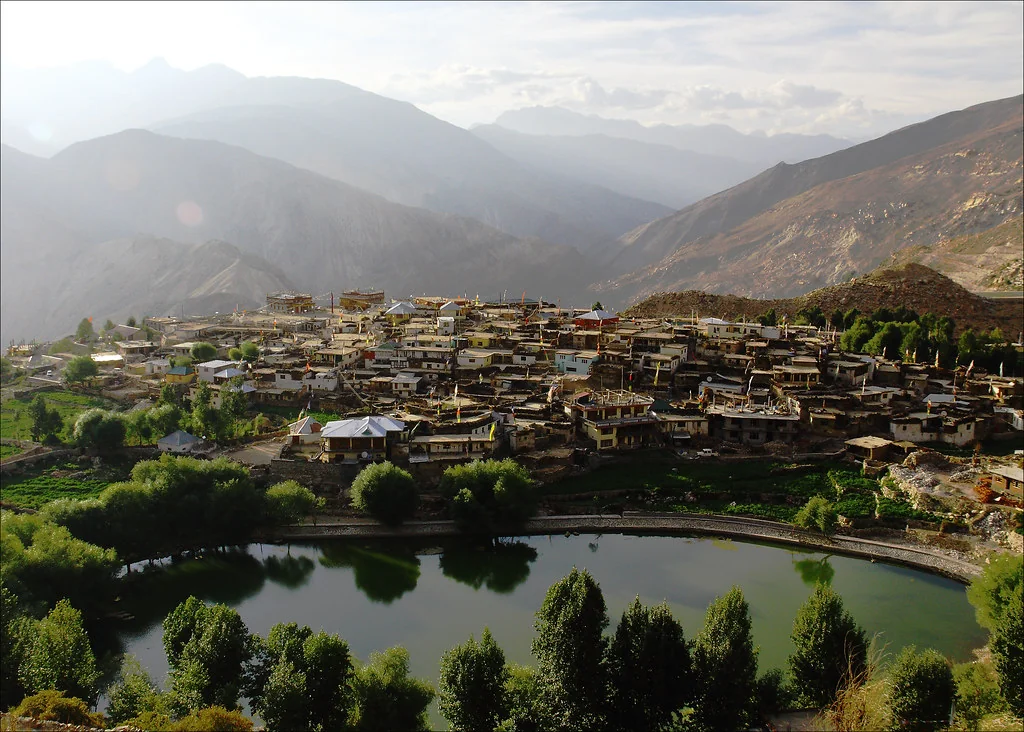
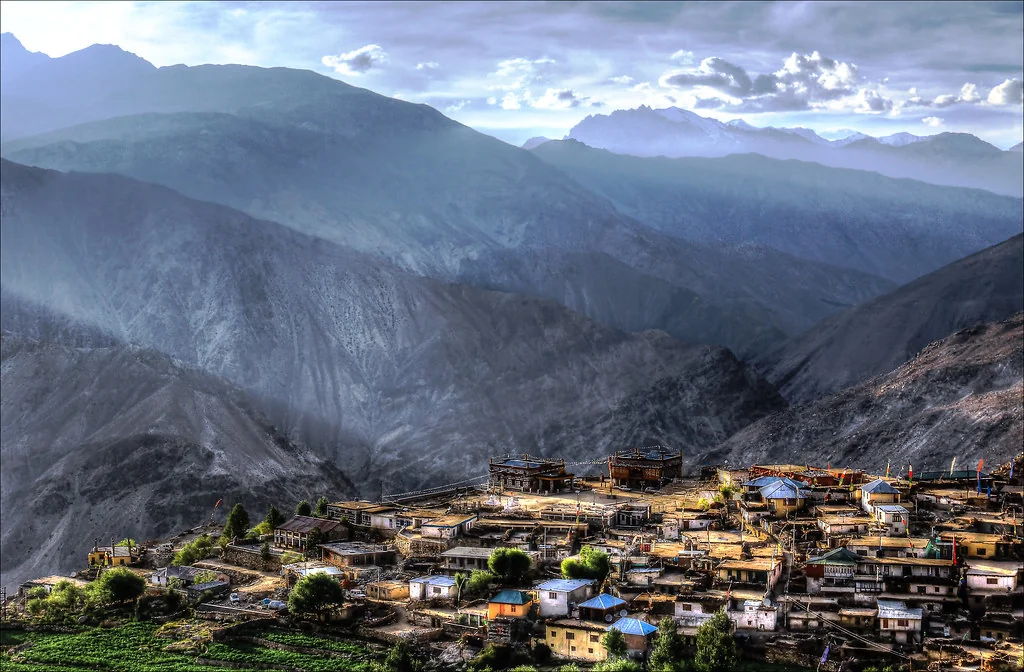
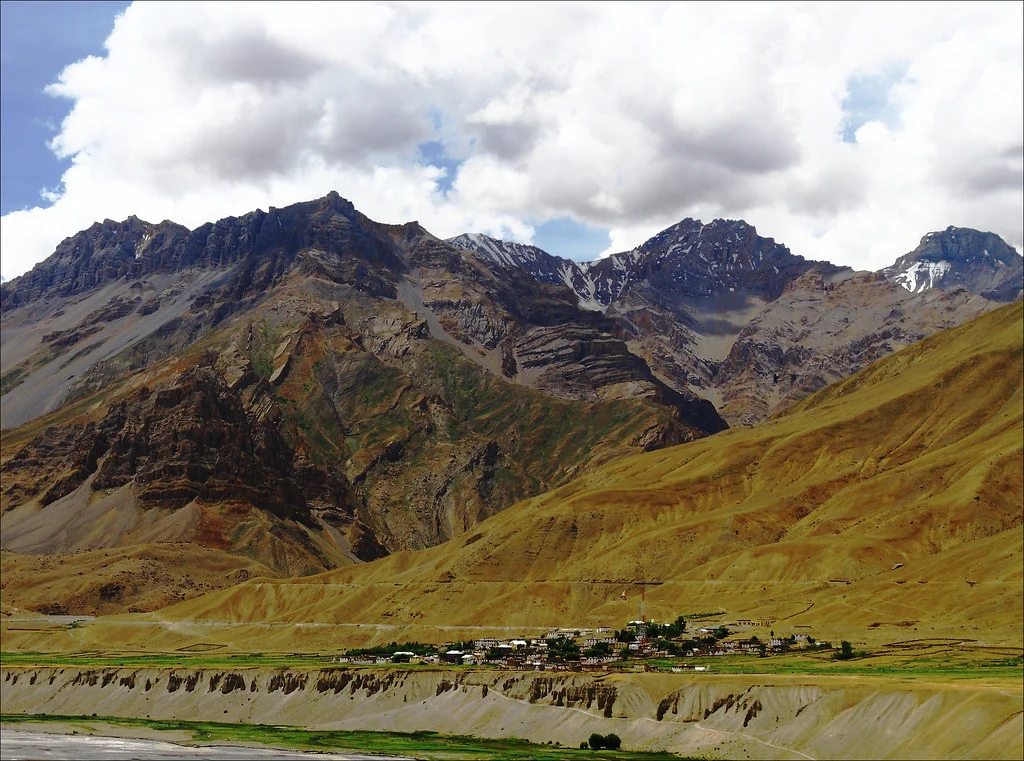
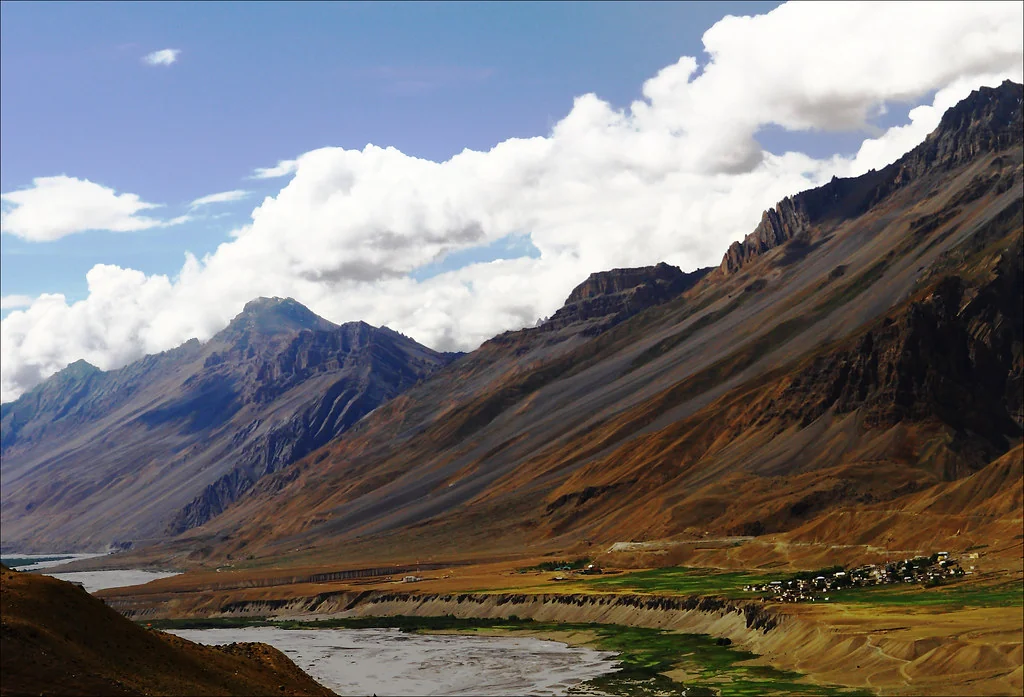
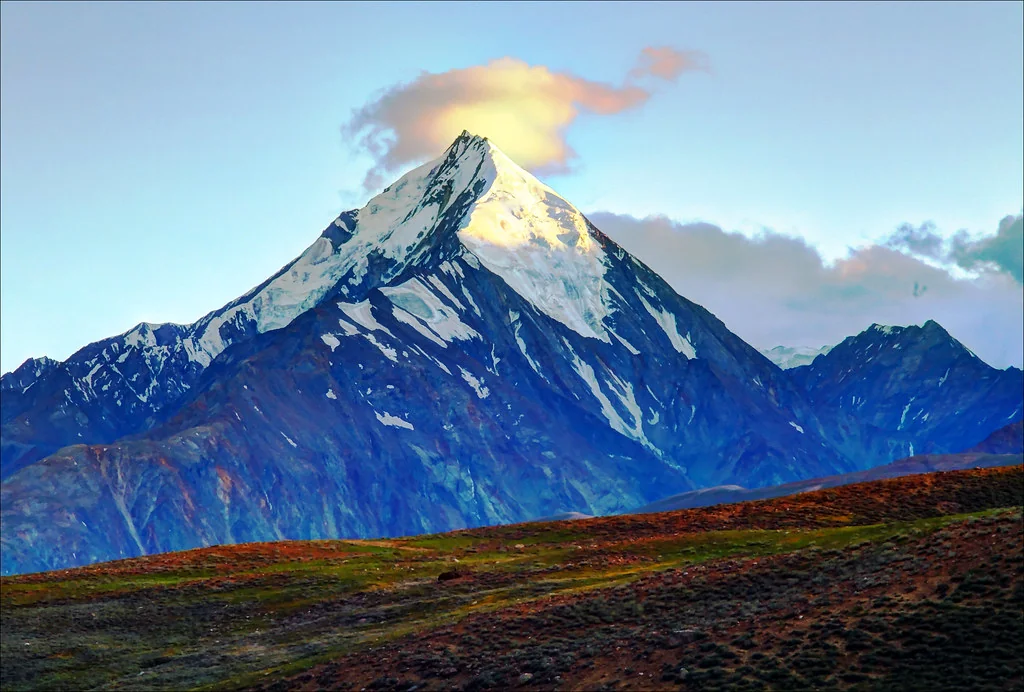
Spiti sits at the northern tip of Himachal Pradesh, wedged between Ladakh and Tibet at an average altitude of 3,800m. It is one of the coldest and most sparsely inhabited regions on earth — a high-altitude cold desert of ochre cliffs, ice-blue rivers, whitewashed monasteries, and villages that have barely changed in five centuries. The name means Middle Land: neither fully Indian nor Tibetan, it is something entirely its own.
The 10-day Summit Routes Spiti Valley Cultural Tour enters through Kinnaur — the forested river valley that forms Spiti’s dramatic approach — before climbing to the Spiti River valley proper via the ancient monastery town of Tabo. From there the route traces the valley north through Dhankar, Kaza, and the extraordinary cluster of high-altitude villages above the valley floor: Kibber, Langza, Komic, and Hikkim. The circuit exits over Kunzum Pass (4,551m) to Chandratal Lake before dropping to Manali. This is not adventure trekking — it is slow, purposeful travel through one of the most visually and culturally arresting landscapes in the Himalaya.
Why Spiti Valley
- The Monasteries of Tabo and Key
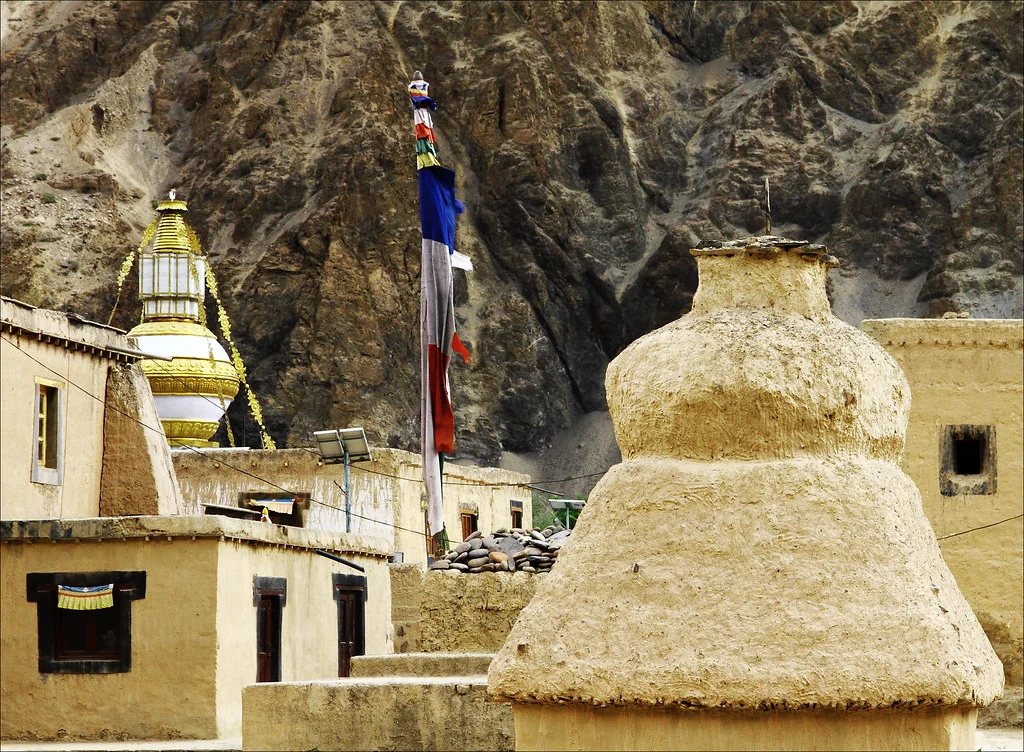
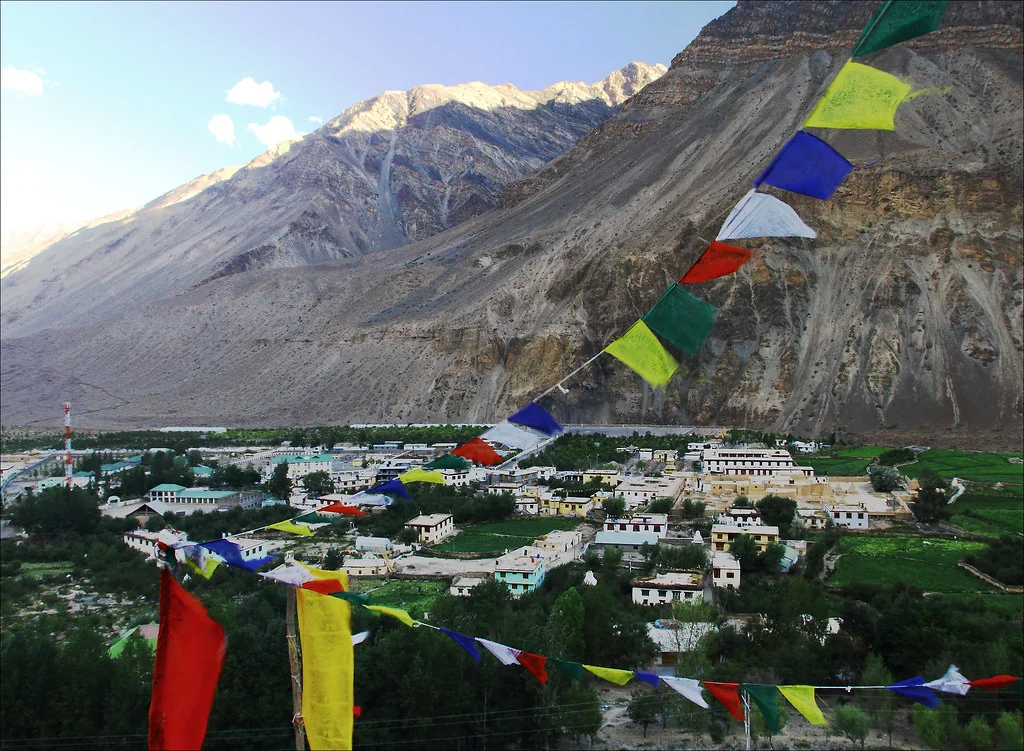
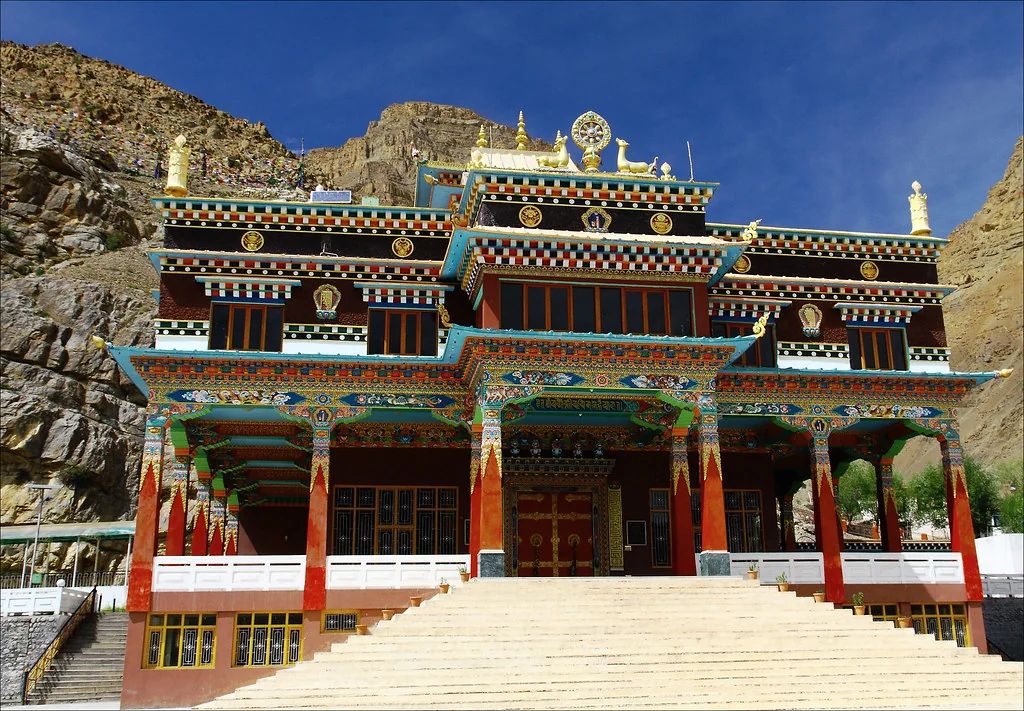
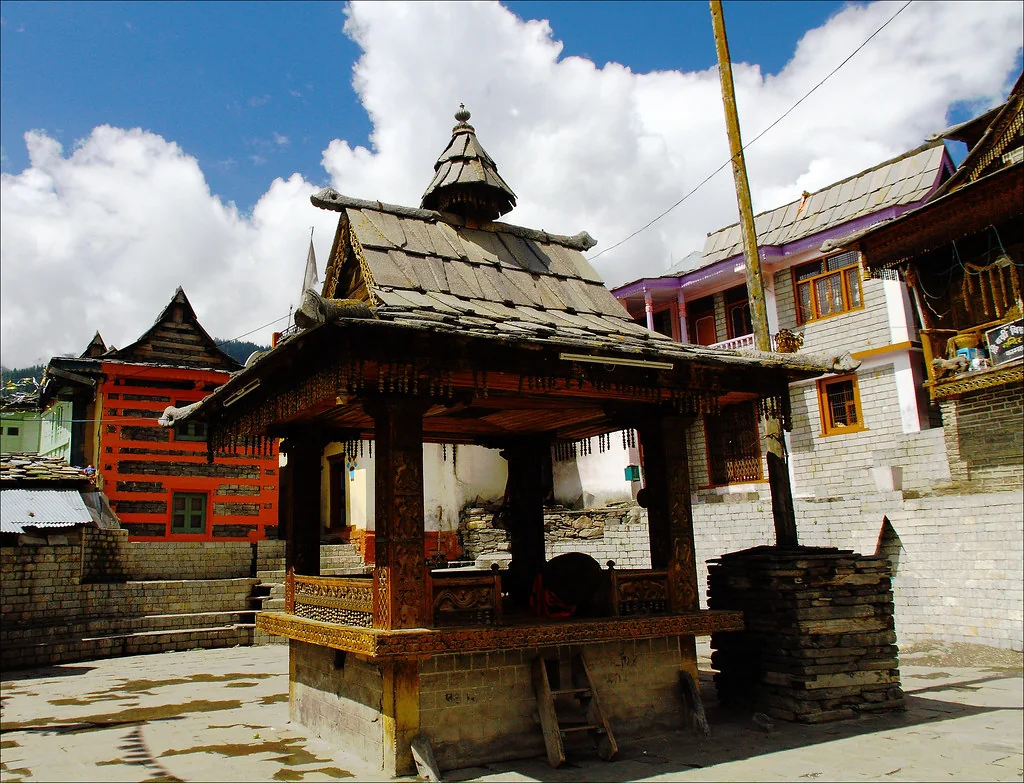
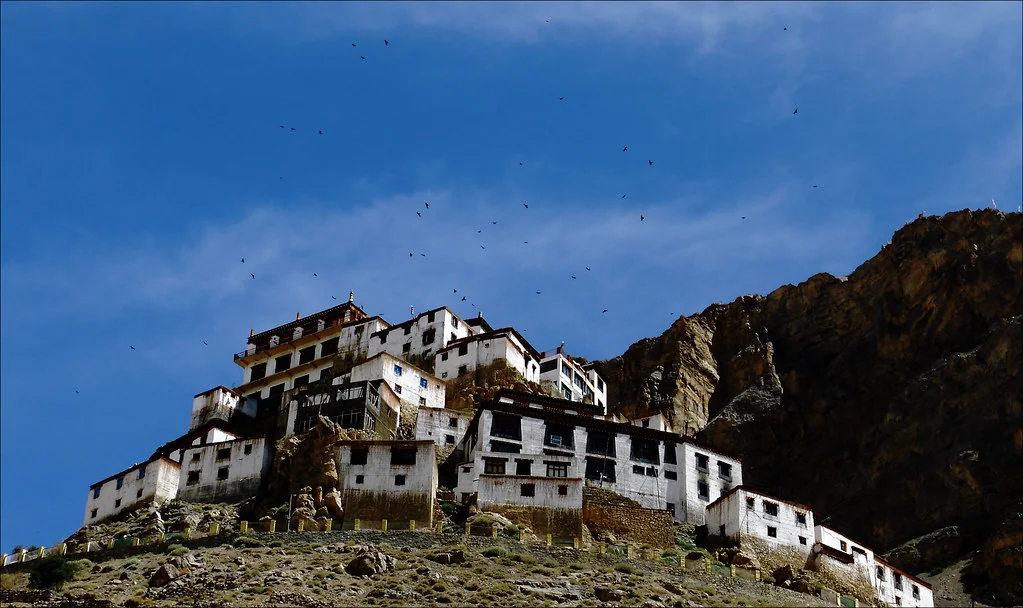
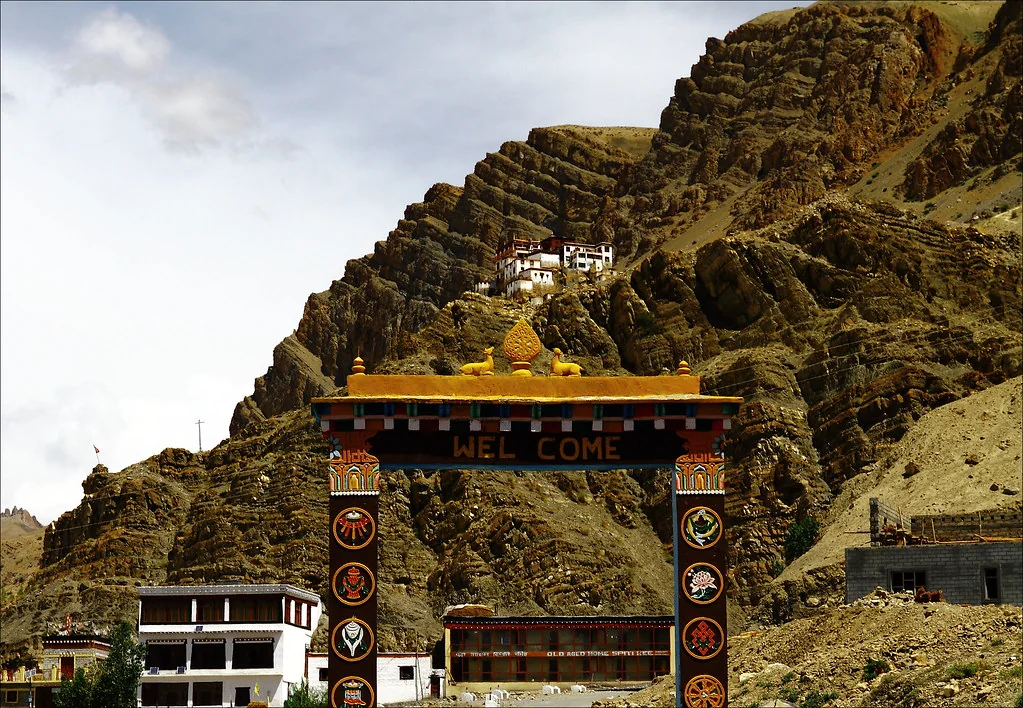
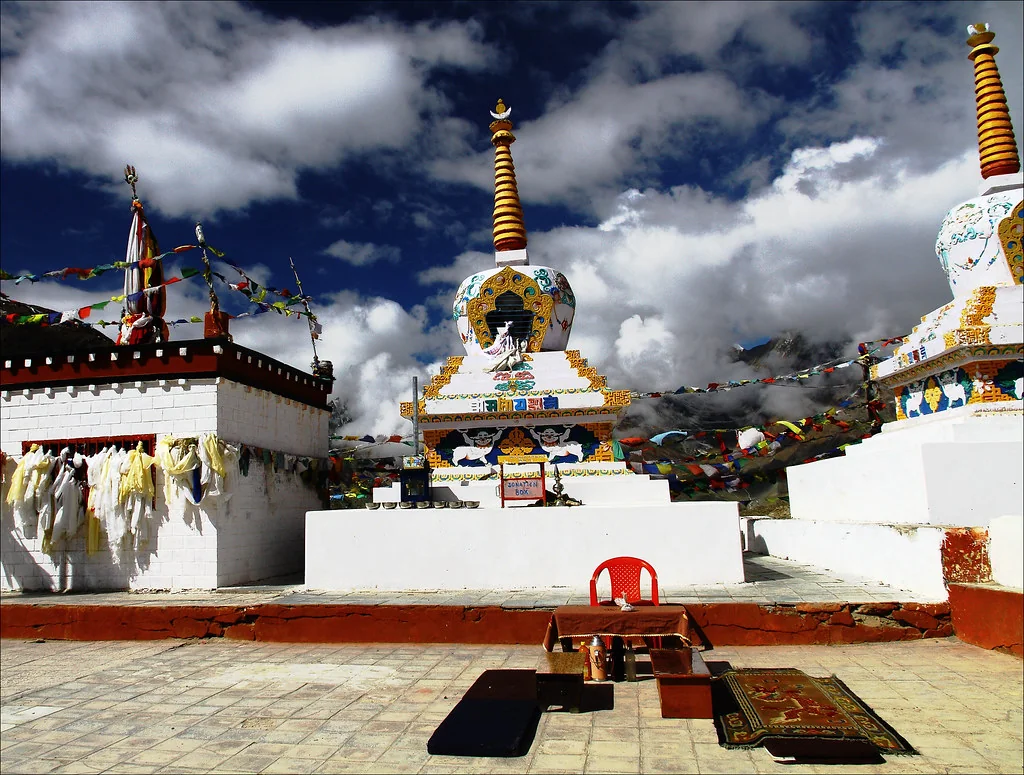
Tabo Monastery (996 AD) is one of the oldest continuously functioning Buddhist monasteries in the world — its cave temples contain 10th-century murals that have survived a thousand years of Himalayan winters. Key Monastery, perched on a hilltop above Kaza, is the region’s most iconic image and still home to over 300 monks. - Kibber and the High Villages
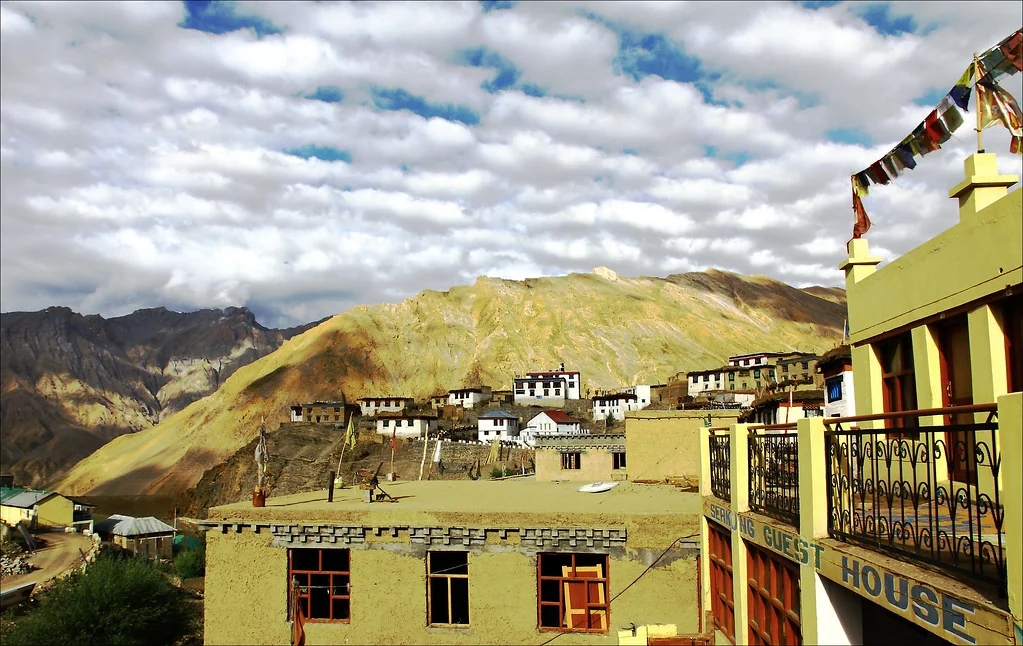
At 4,270m, Kibber was once considered the world’s highest permanently inhabited village with a road. The cluster of villages above Kaza — Langza (fossil village), Komic (one of the world’s highest motorable village at 4,587m), and Hikkim (world’s highest post office) — form one of the most extraordinary cultural circuits in India. - The Kinnaur Approach
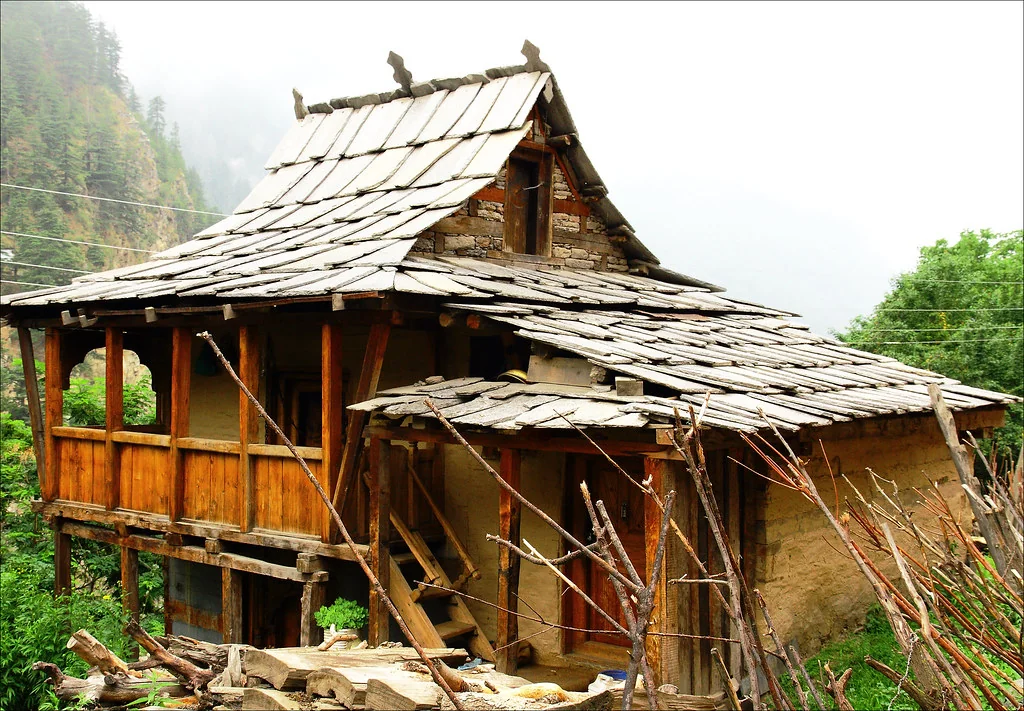
Entering Spiti via Shimla and the Kinnaur Valley is the right way to arrive. The route climbs through terraced apple orchards, Buddhist mani walls, and the dramatic Sutlej gorge before the landscape strips bare and Spiti begins. This gradual transition is part of the experience. - Dhankar — Monastery on the Edge
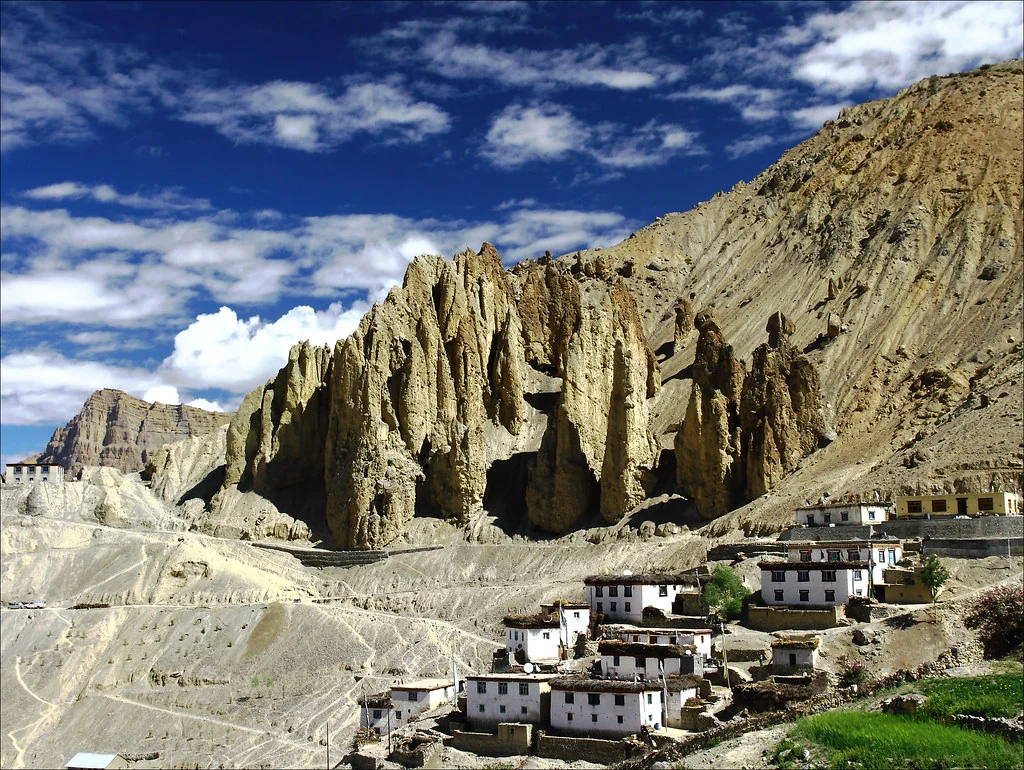
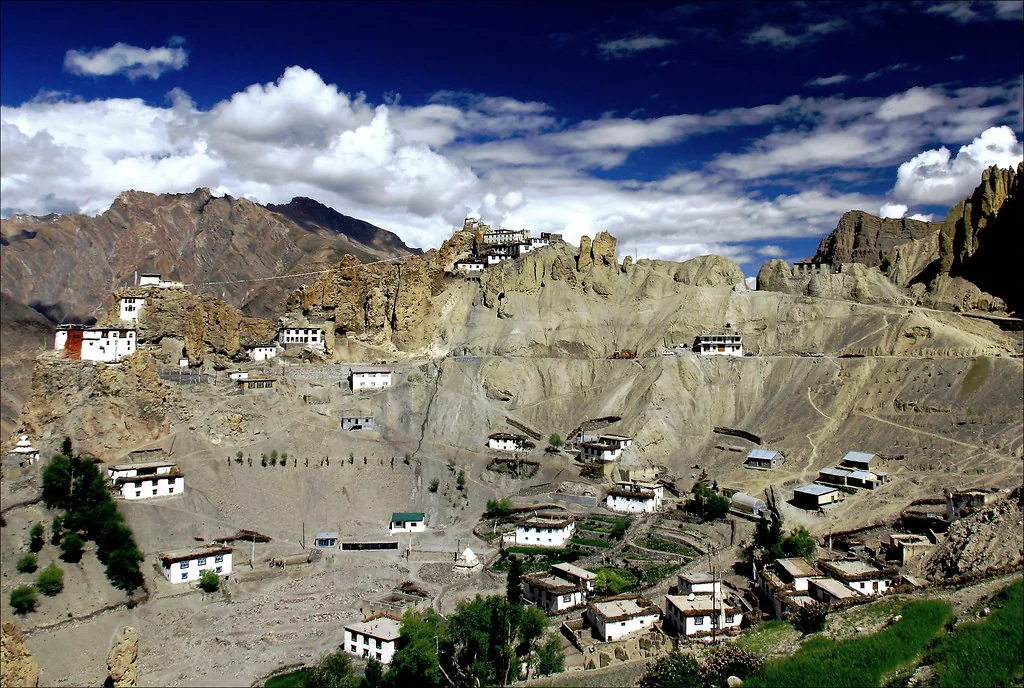
Dhankar Monastery clings to a crumbling cliff above the confluence of the Spiti and Pin rivers, 1,000m above the valley floor. The hike to Dhankar Lake above the monastery is one of the finest short walks in the region. - Chandratal — The Moon Lake
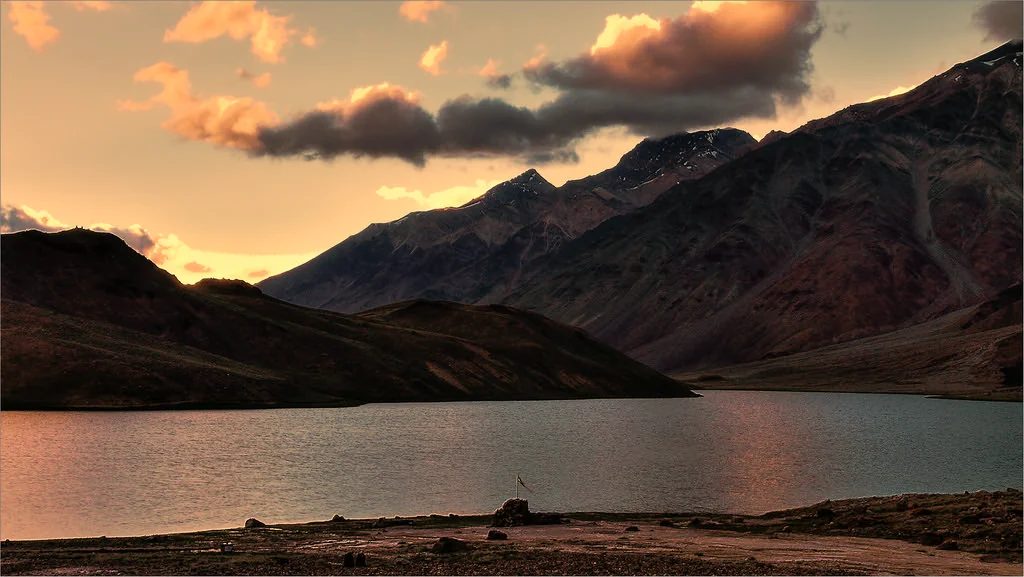
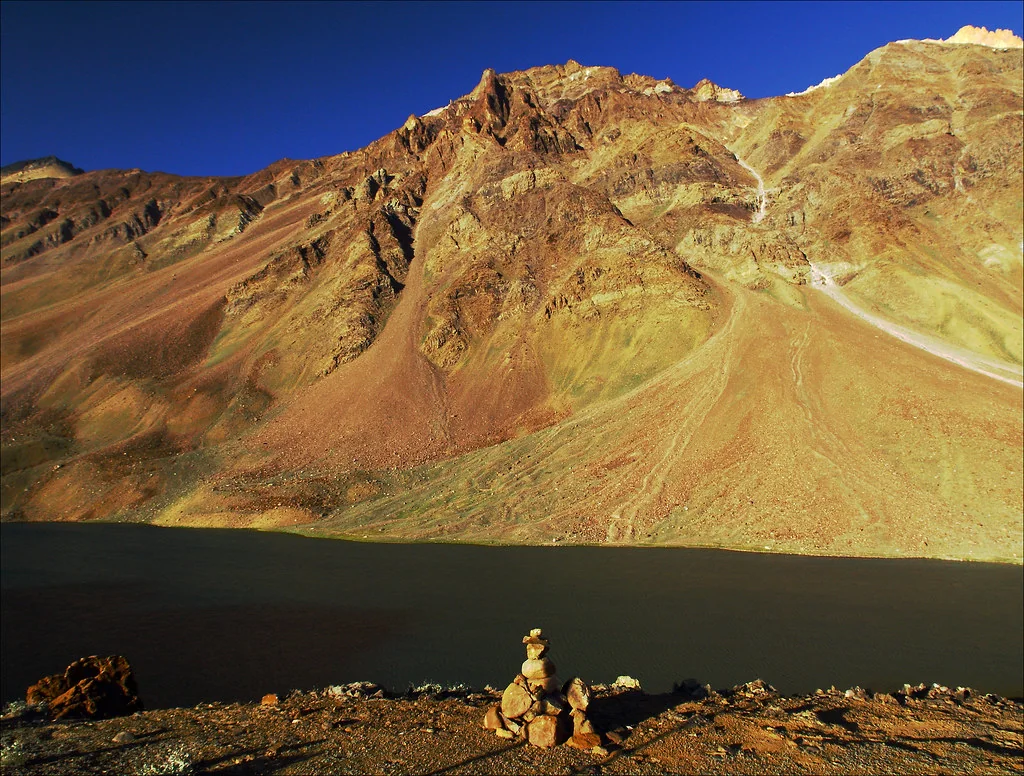
The circuit closes at Chandratal (4,270m), a glacially formed high-altitude lake set in a landscape of complete desolation. Arriving at sunset, when the water turns from turquoise to violet, is one of those travel moments that renders description inadequate.
| Day 1 | Arrive Shimla (2,205m) |
| Day 2 | Drive Shimla → Sangla, Kinnaur (2,680m) — ~7 hours |
| Day 3 | Sangla → Kalpa (2,960m) — Kinnaur Kailash views |
| Day 4 | Kalpa → Tabo (3,280m) — Enter Spiti |
| Day 5 | Tabo — Monastery, cave temples, Dhankar (3,894m) |
| Day 6 | Dhankar → Kaza (3,800m) — Pin Valley en route |
| Day 7 | Kaza — Key Monastery, Kibber (4,270m), Chicham Bridge |
| Day 8 | Kaza — Langza, Komic (4,587m), Hikkim Post Office |
| Day 9 | Kaza → Chandratal Lake (4,270m) → Manali (2,050m) via Kunzum Pass (4,551m) |
| Day 10 | Departure from Manali |