
Mera Peak Expedition Nepal
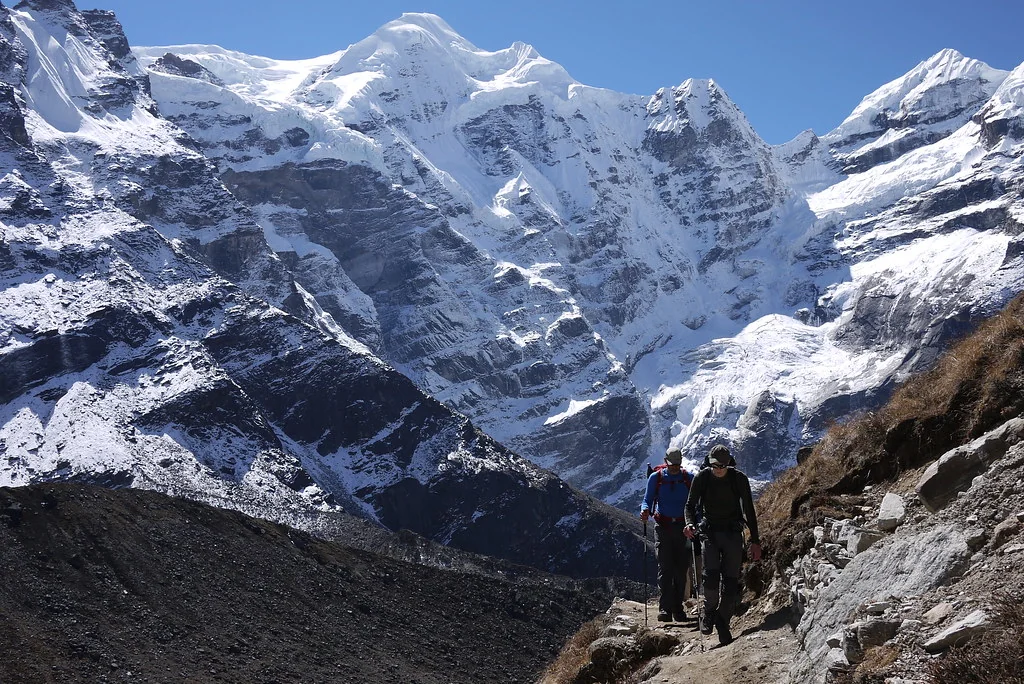
Mera Peak: Nepal’s Highest Trekking Peak — and the Most Rewarding Summit in the Himalaya
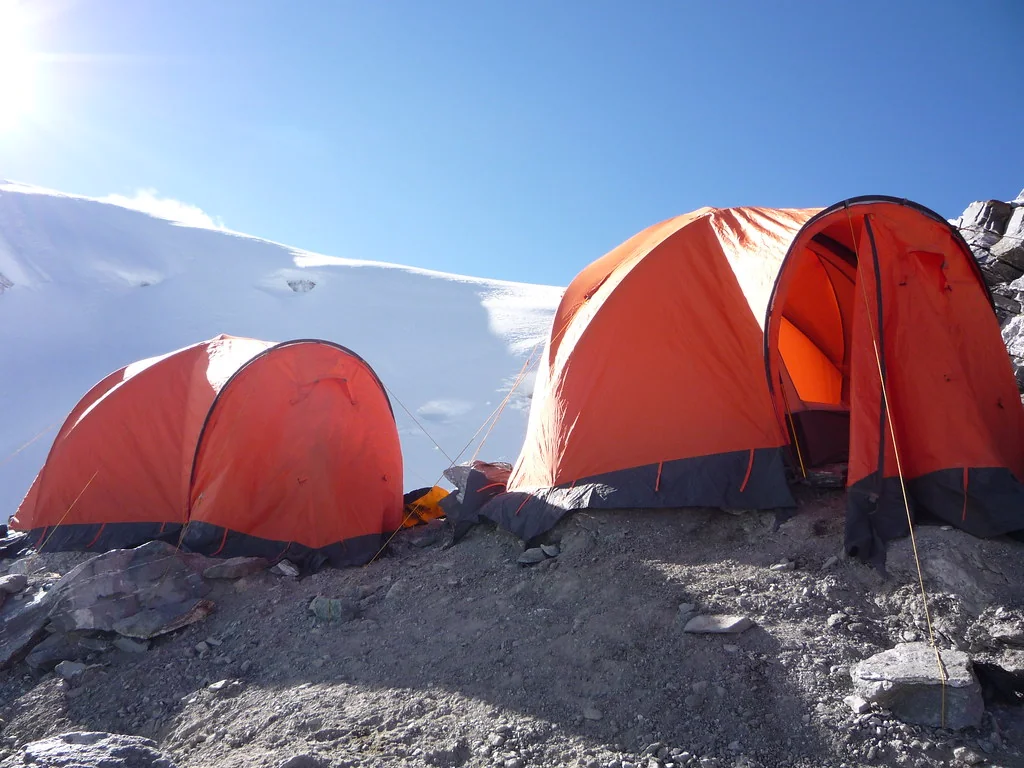
At 6,476m, Mera Peak is the highest trekking peak in Nepal — and one of the most accessible 6,000m summits in the world. The climb does not require prior technical mountaineering experience, but it demands serious commitment: a 14-day round trip from Kathmandu through remote valleys south of the Khumbu, acclimatising progressively before a pre-dawn summit push from high camp at 5,800m.
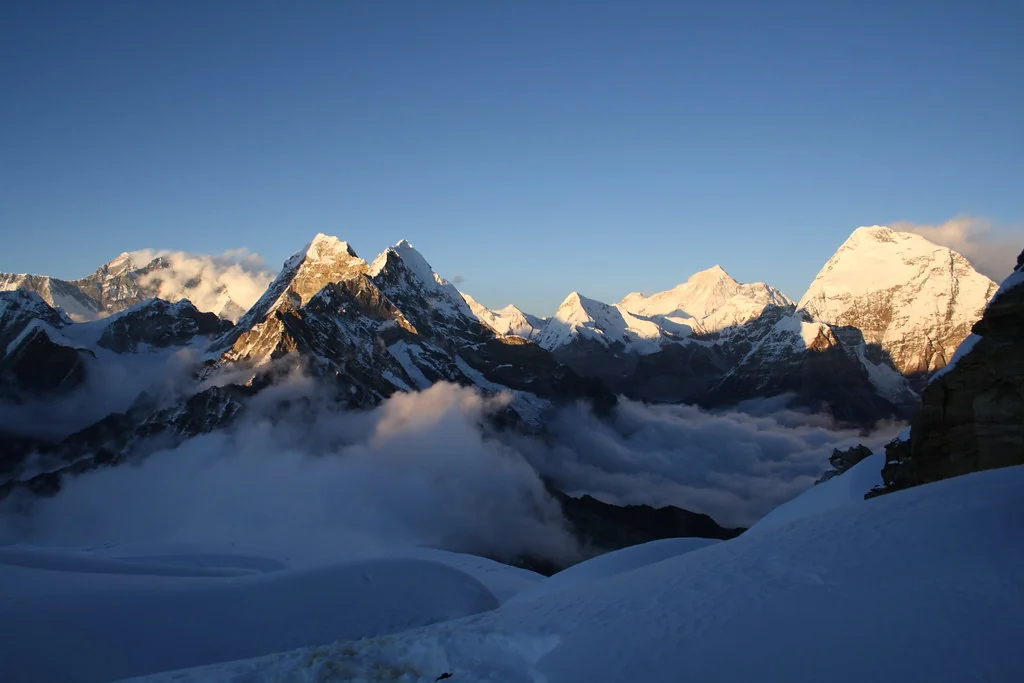
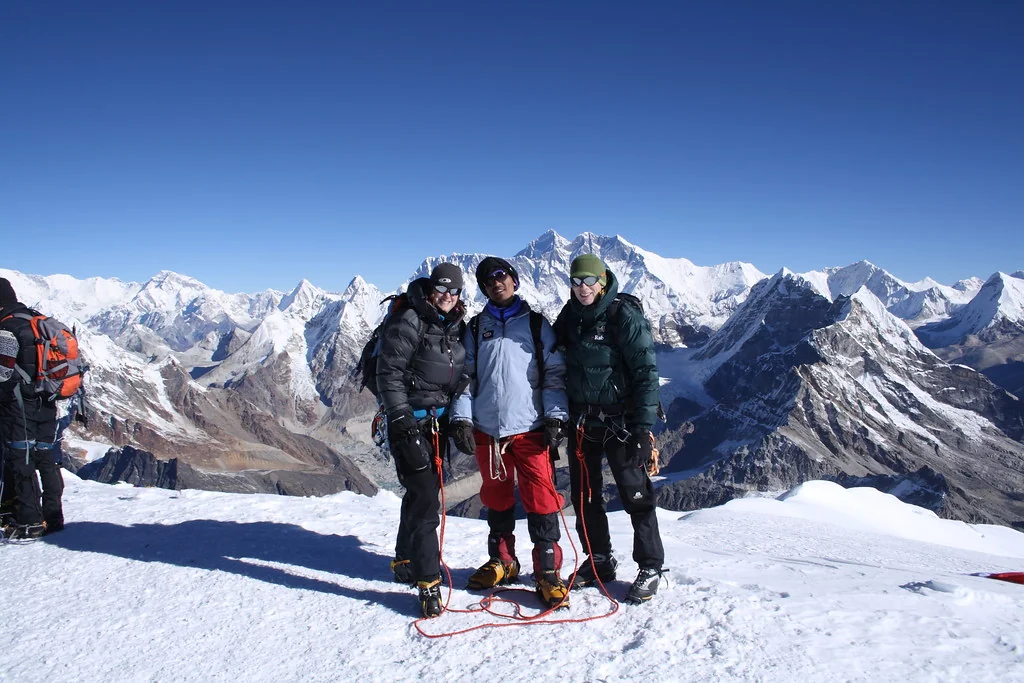
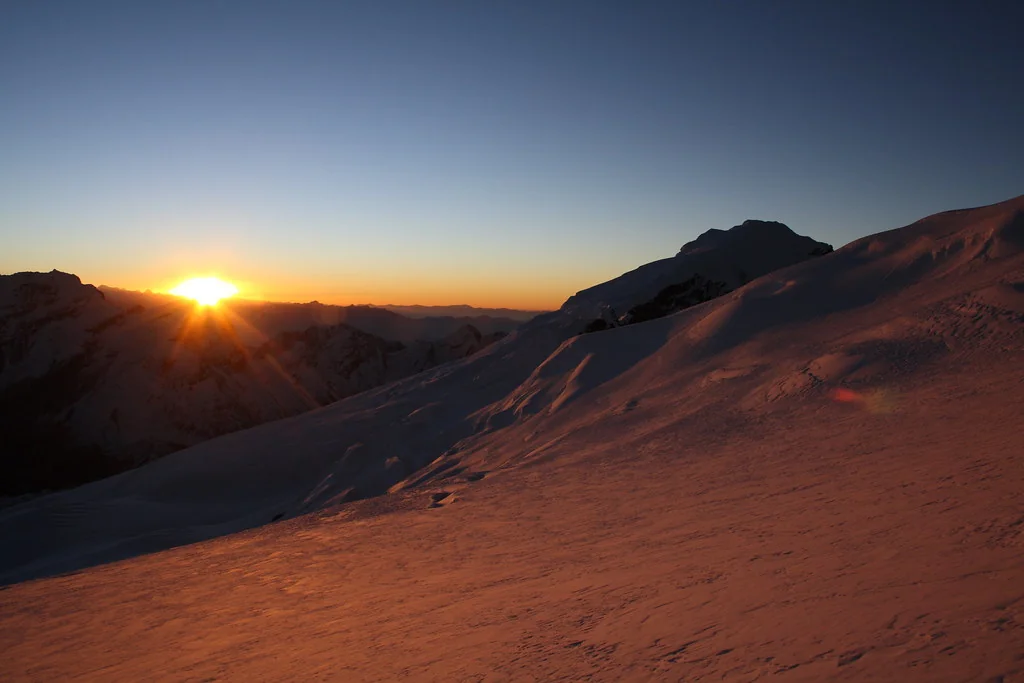
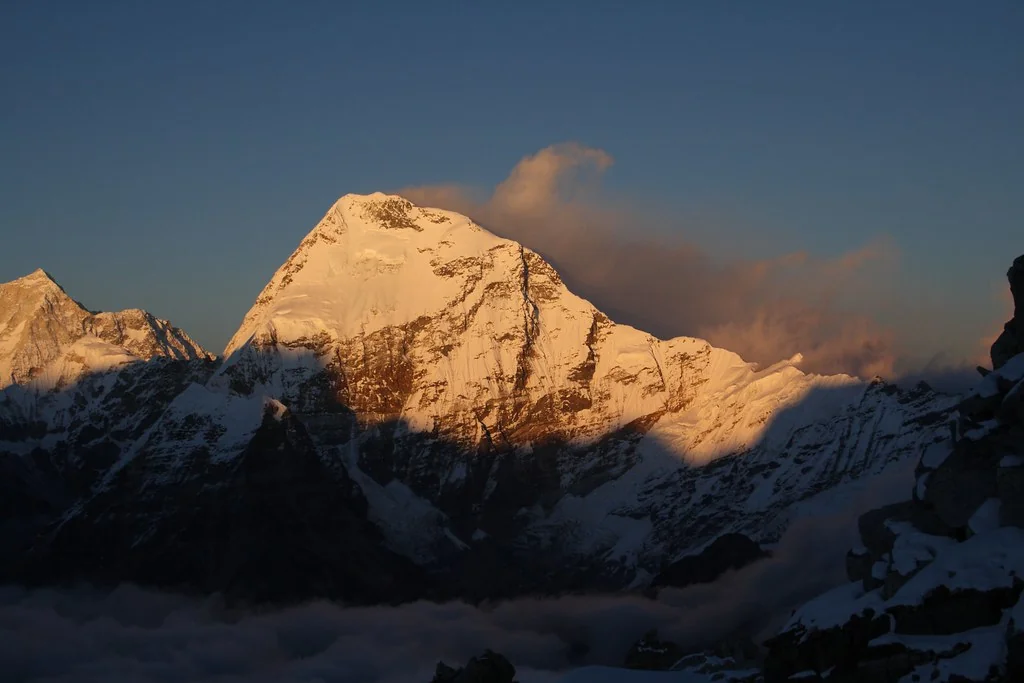
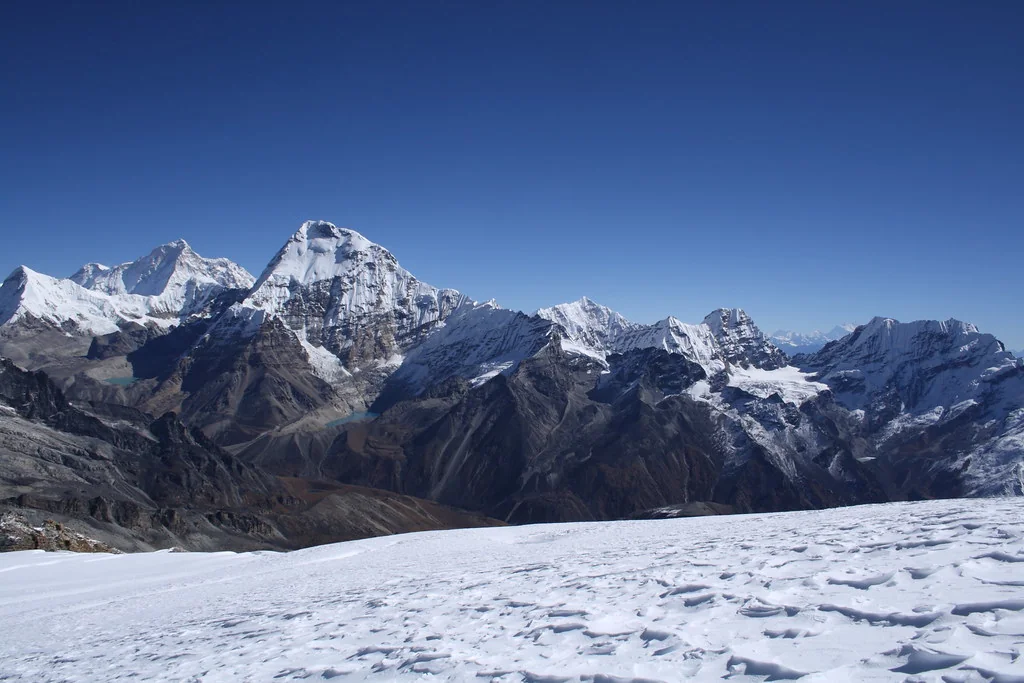
What Mera offers in return is extraordinary. On a clear summit day — and October gives the most reliable conditions in the year — the panorama from the top takes in five of the world’s six highest peaks simultaneously: Everest (8,849m), Kanchenjunga (8,586m), Lhotse (8,516m), Makalu (8,485m), and Cho Oyu (8,188m). There is no other single summit in Nepal from which this view is possible. Summit Routes runs Mera Peak fully supported with certified high-altitude guides, complete technical equipment, and an itinerary built around safe acclimatisation — not the fastest possible turnaround.
Why Mera Peak
- Nepal’s Highest Trekking Peak
At 6,476m, Mera Peak stands above every other trekking peak in Nepal. It is a genuine high-altitude summit — not a walk-up, but achievable for fit, motivated climbers with no prior technical experience. - The Five-Peak Panorama
The summit view encompasses Everest, Kanchenjunga, Lhotse, Makalu, and Cho Oyu simultaneously — the most concentrated collection of 8,000m peaks visible from any single point in the Himalaya. - Remote Hinku Valley Approach
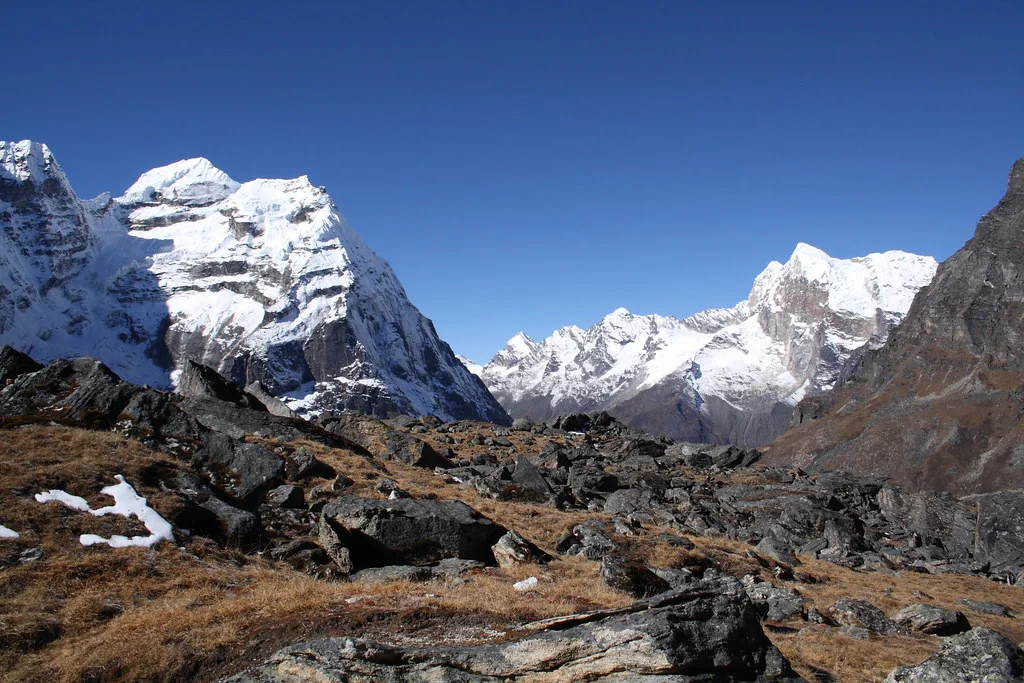
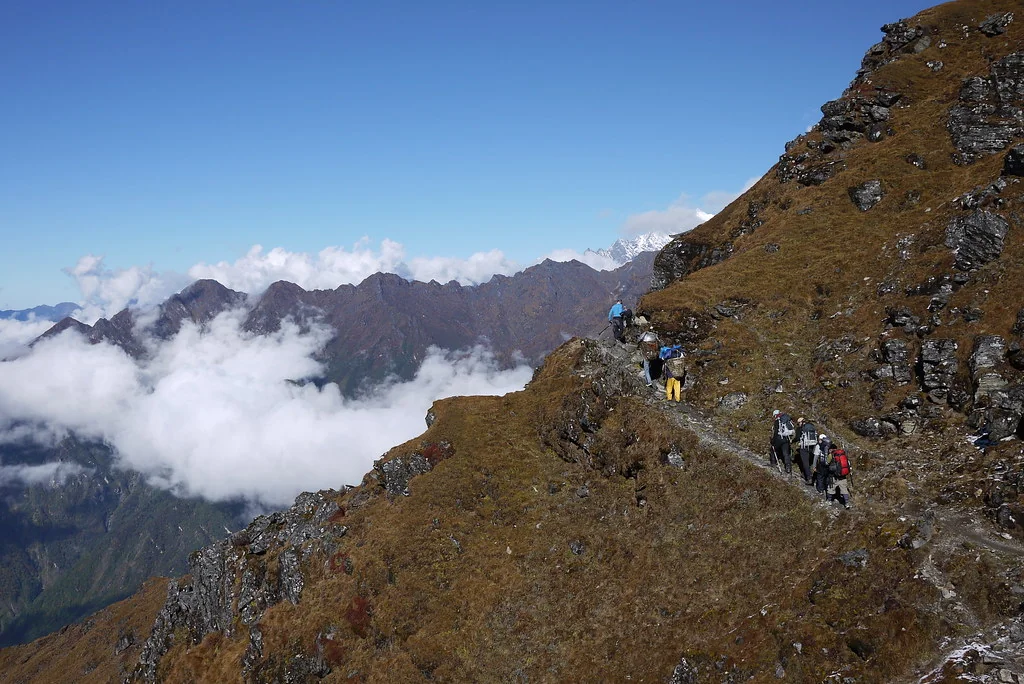
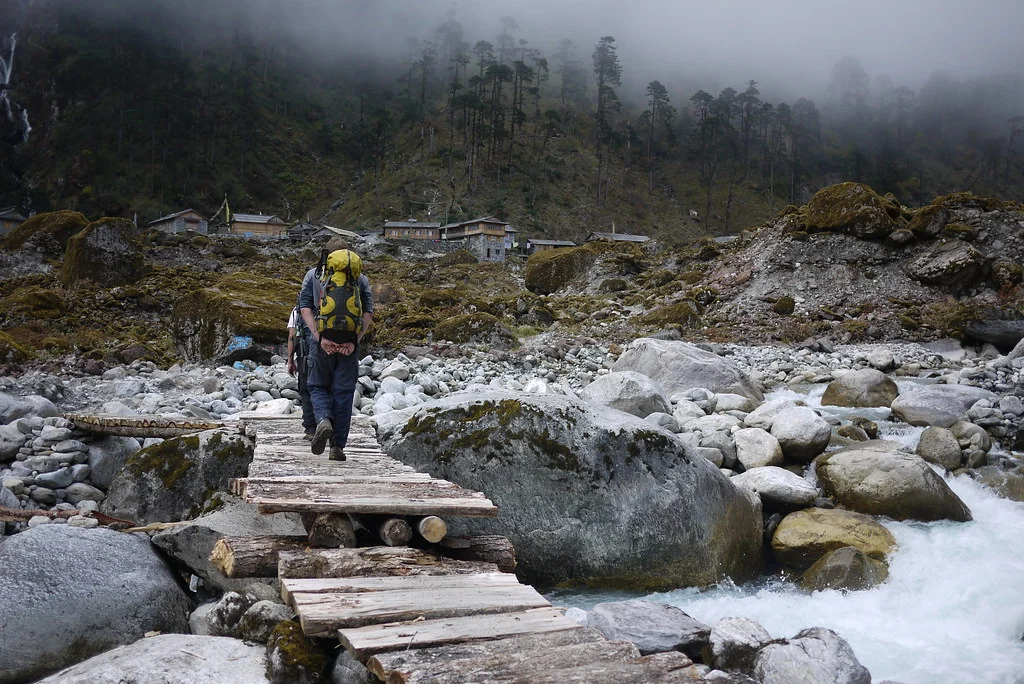
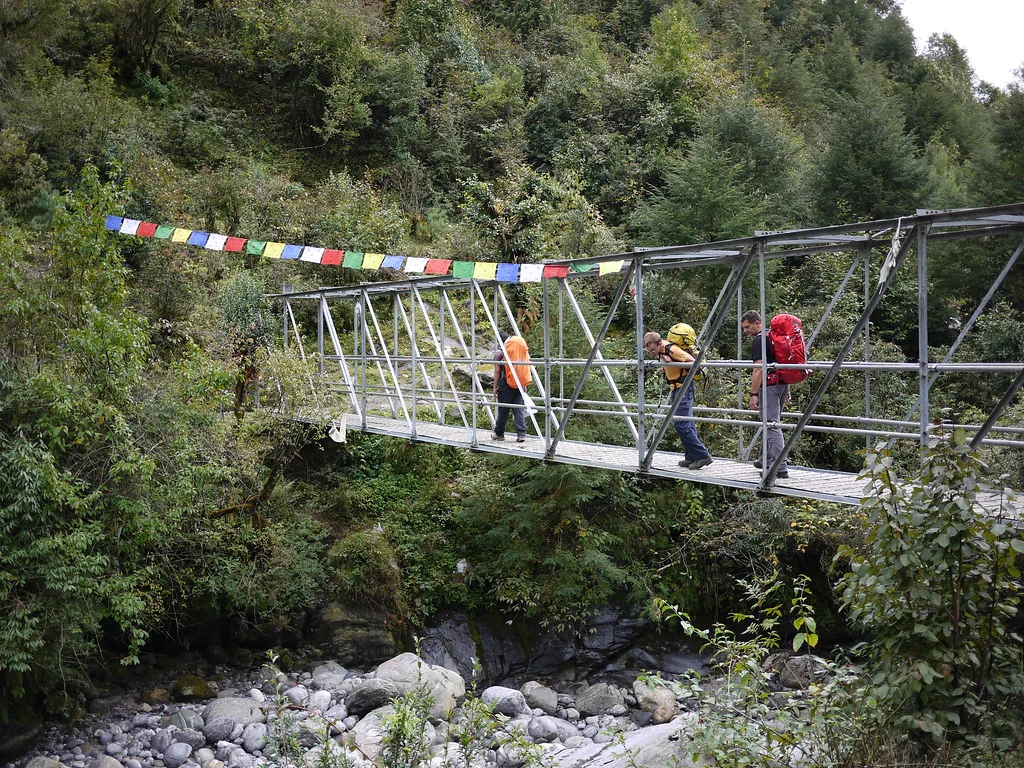
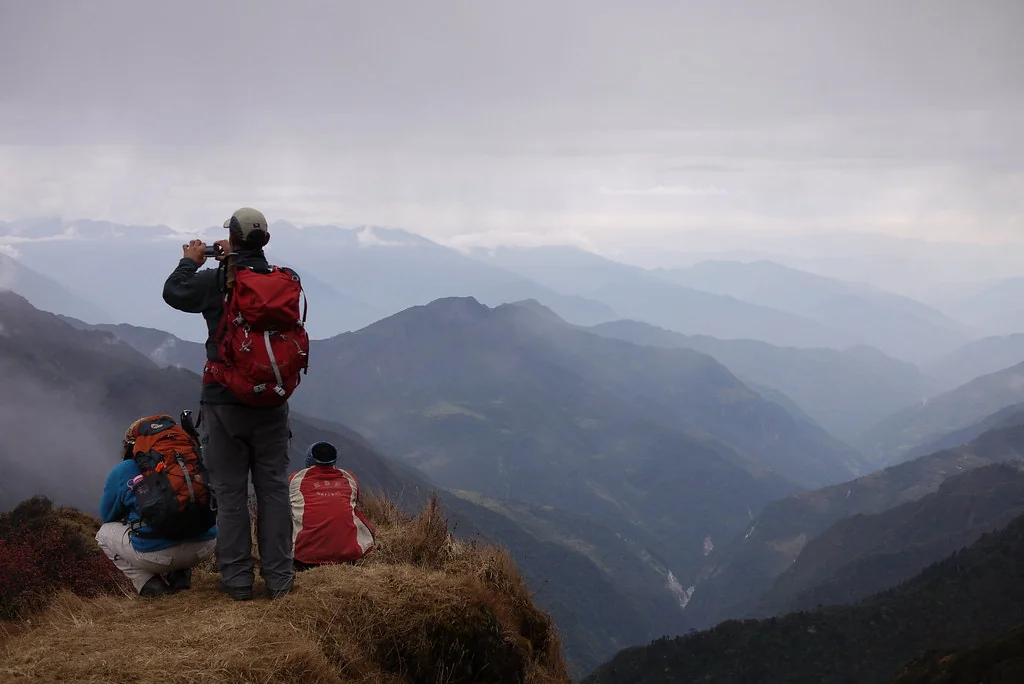
The approach through the Hinku Valley is one of the least-travelled routes in the Khumbu region — deep gorges, rhododendron forests, and high pastures with almost no other expeditions in sight. - Technical Introduction at High Altitude
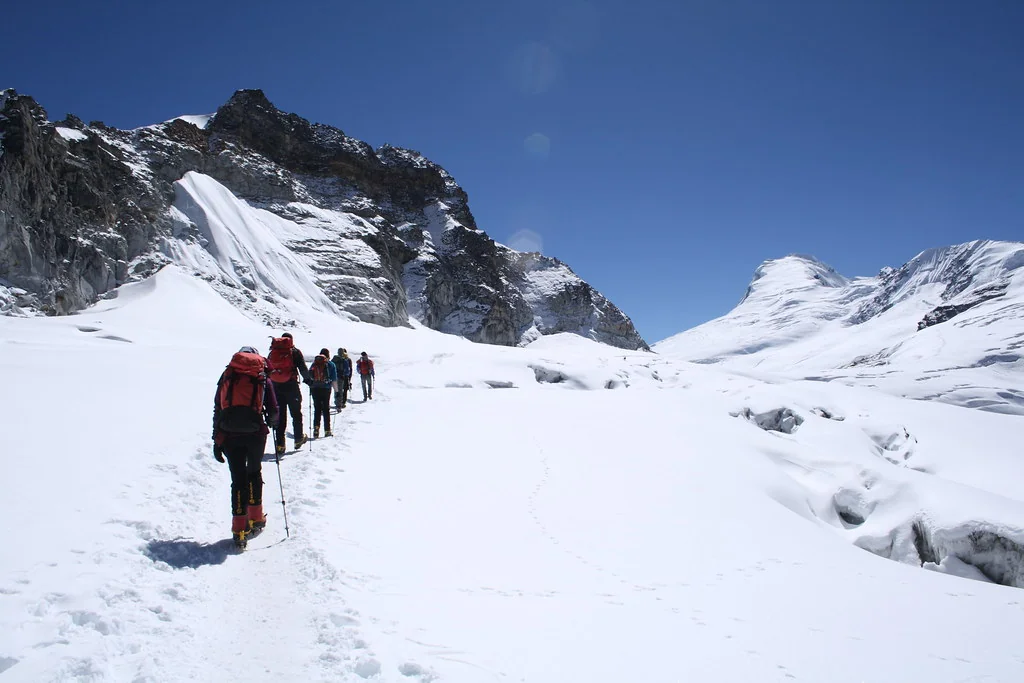
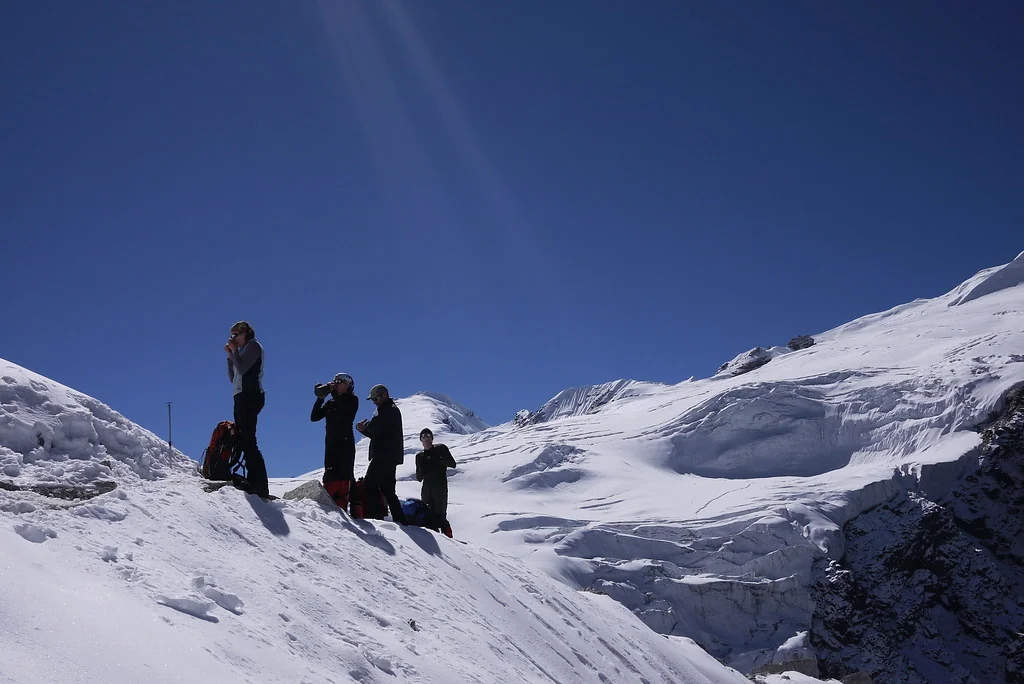
Mera Peak introduces glacier travel, crampon technique, fixed-line ascent, and ice axe use in a guided, well-managed environment — the ideal first step toward more technical Himalayan objectives. - Fully Supported Expedition
All technical equipment (crampons, harness, ice axe, helmet, fixed lines) is provided. You carry only your personal gear on summit day — everything else moves on our support team’s backs.
| Day 1 | Arrival in Kathmandu (1,400m) |
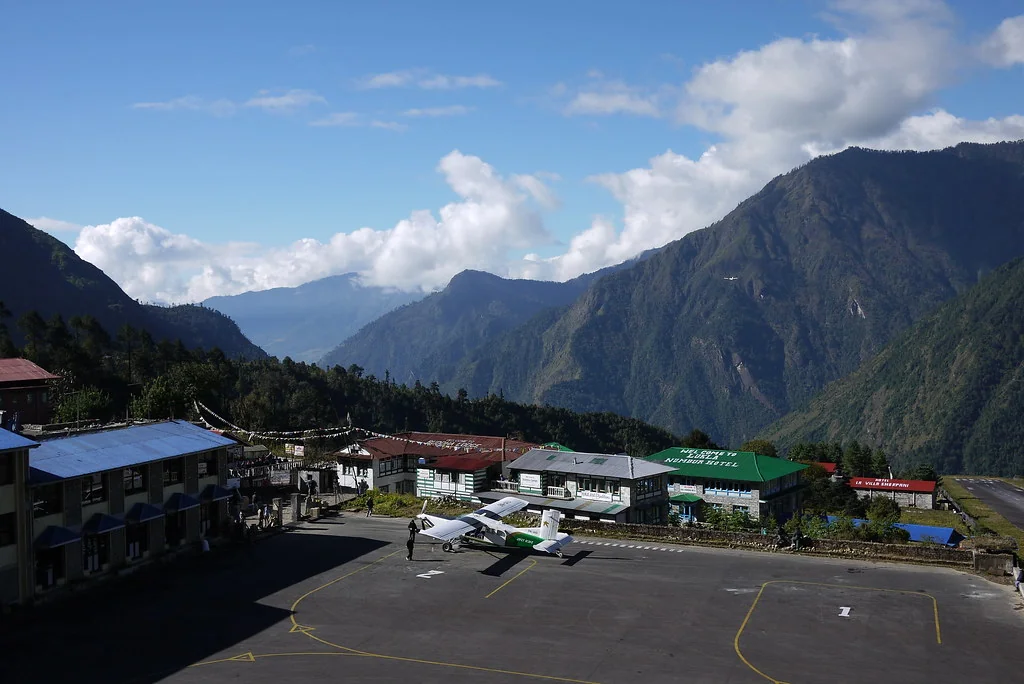
| Day 2 | Fly Kathmandu to Lukla (2,860m) — Trek to Chutanga (3,050m) |
| Day 3 | Trek Chutanga to Kothe (3,600m) |
| Day 4 | Trek Kothe to Thangnak (4,358m) |
| Day 5 | Acclimatisation Day — Hike above Thangnak (4,700m) |
| Day 6 | Trek Thangnak to Khare (5,045m) |
| Day 7 | Acclimatisation & Pre-Climb Training at Khare |
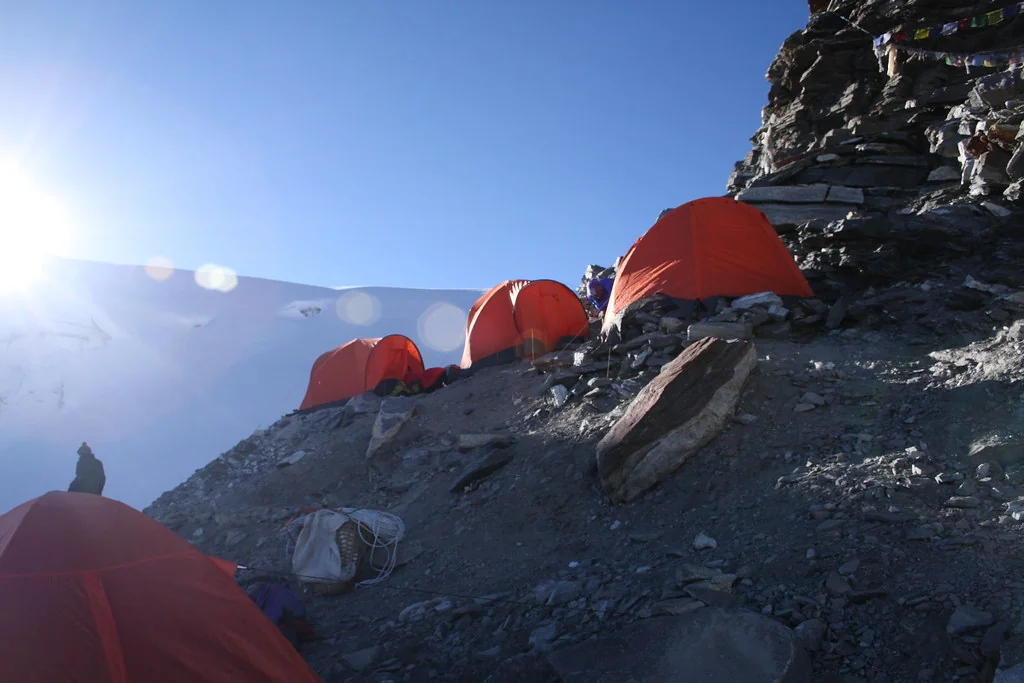
| Day 8 | Trek Khare to Mera La (5,415m) — Mera High Camp (5,800m) |
| Day 9 | Summit Day — Mera Peak (6,476m) — Descend to Khare (5,045m) |
| Day 10 | Buffer / Rest Day at Khare (weather contingency) |
| Day 11 | Trek Khare to Kothe (3,600m) |
| Day 12 | Trek Kothe to Lukla (2,860m) |
| Day 13 | Fly Lukla to Kathmandu |
| Day 14 | Departure from Kathmandu |
Arrive & Depart: Kathmandu (KTM), Nepal
Similar Expeditions

EVEREST BASE CAMP TREK
Level: Challenging | Duration: 14 Days | Best Time: Mar–May & Sep–Nov
KANG YATSE II — LADAKH
Level: Challenging | Duration: 13 Days | Best Time: Jul–Sep
SNOWMAN TREK BHUTAN
Level: Challenging | Duration: 24 Days | Best Time: Sep–Oct